
Post Date: May 25, 2026 |
Last Edited: May 25, 2026
Key Highlights
|
As India’s construction sector continues to expand and high-rise, mixed-use, and complex façade designs become more common, ensuring robust fire safety performance has become a top priority for real estate. Early engagement with experienced technical specialists is proving essential, especially for life-safety-critical products such as cavity barriers and firestops. However, a common obstacle to seeking this support is cost concerns: projects are often working with tight budgets and, with the lack of regulatory enforcement to ensure fire safety is not compromised, additional support can seem like an unnecessary expense for developers—unless driven by equity sales, where investors seek assurance that their assets are protected. Fortunately, many firestop manufacturers offer technical and site support services free of charge to their customers. As experts in their products and applications, their insights can provide greater assurance that their products are not only being used in compliant ways but will also support resilient, long-term building safety.
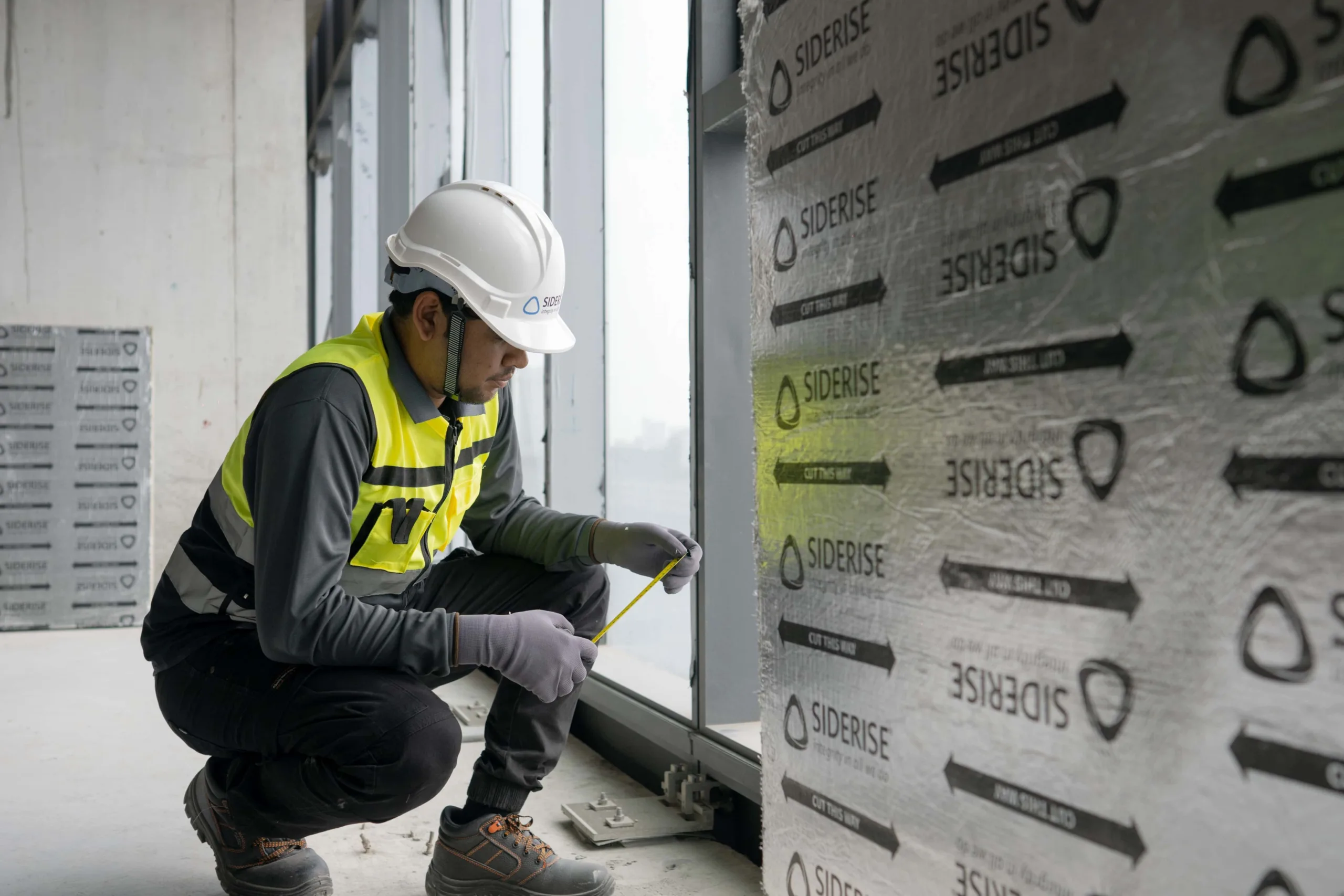
Solid Specifications
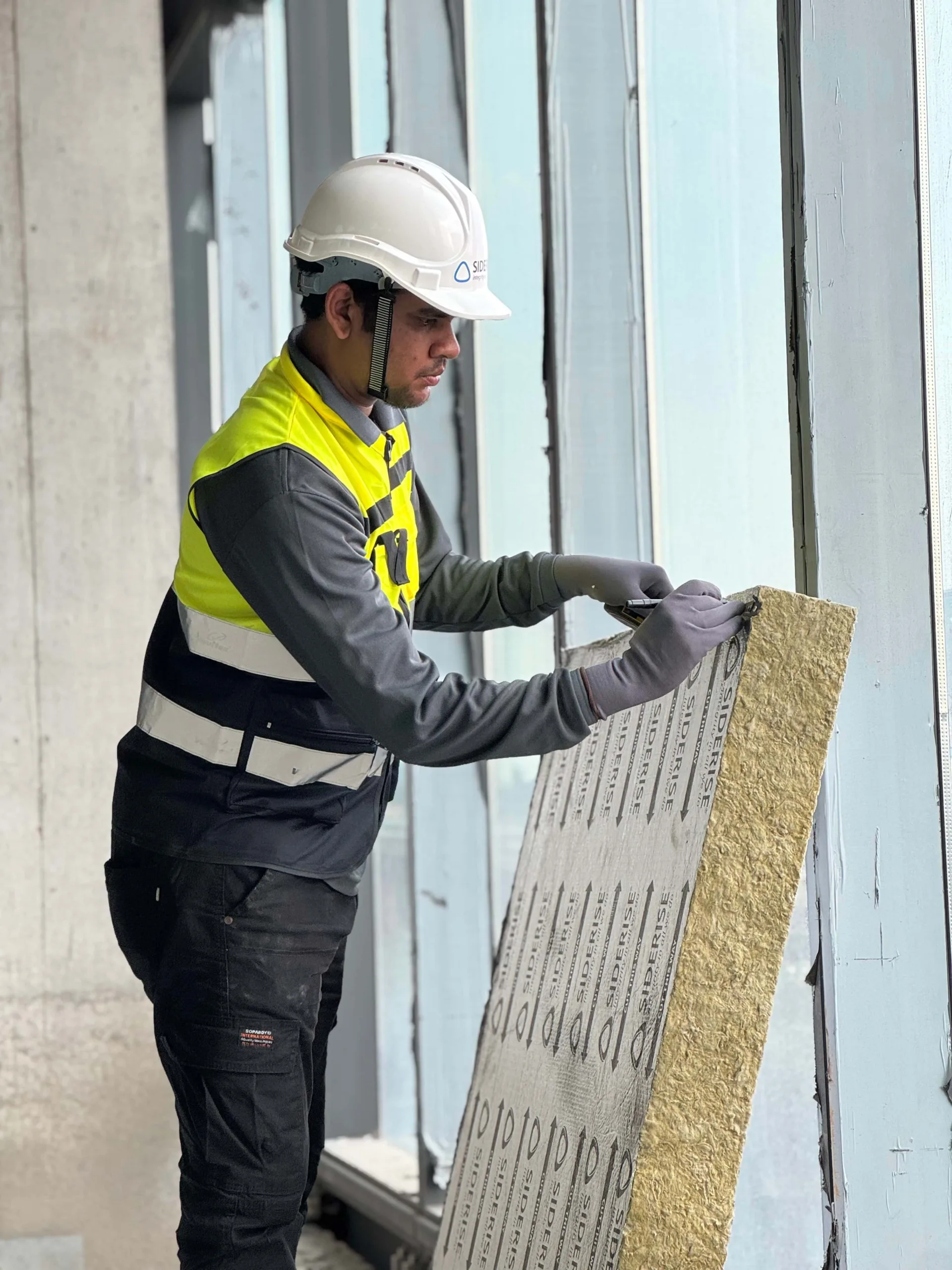
High-quality product information is the starting point for any successful firestop and cavity barrier solution specification. With various manufacturers offering products tested to different standards—and with national codes not always specifying which options are most appropriate—the responsibility often falls to the building or system designer to carry out thorough due diligence. They must ensure that the chosen safety measures are suitable for the intended application and that they have full manufacturers of life-safety-critical products have created their own digital specification packs for facade consultants and designers, architects, fire engineers, developers, and specifiers, providing quick and convenient access to a single source of up-to-date technical information for straightforward and safer specifications and submittals.
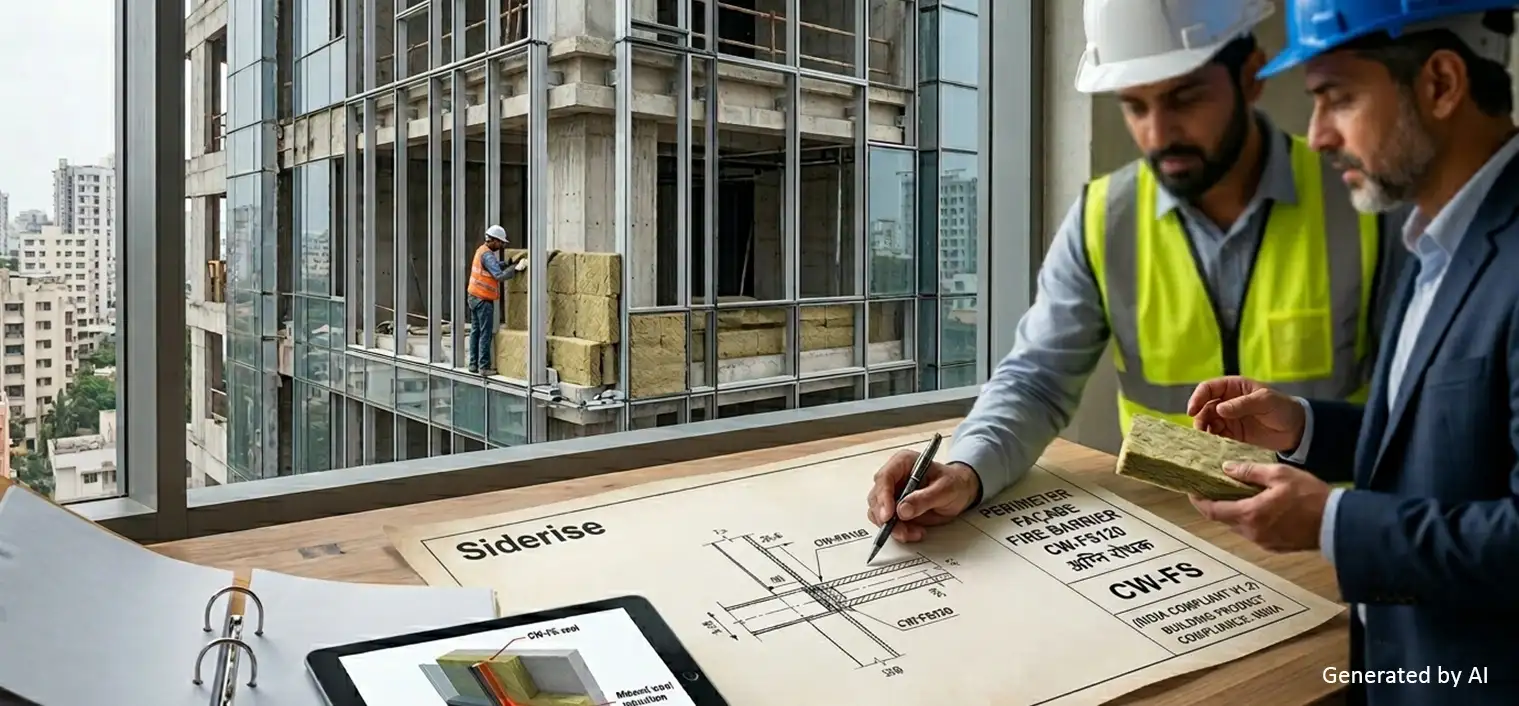
Beyond documentation, many manufacturers also offer expert guidance through specialist technical engineers. Their input helps shape strong, defensible specifications that not only meet compliance requirements in India but also clearly justify the technical rationale behind key design choices. This support may involve reviewing technical drawings and producing technical overlays that highlight best practice detailing, assisting with product selection, or recommending or arranging bespoke fire testing for project-specific interfaces or material combinations.
Carrying Support Through To Construction
A robust specification is only meaningful if executed correctly on site. Incorrect fixings, the wrong orientation of fire barriers, insufficient safing compression, variations in spray sealant film thicknesses, or the use of components in untested combinations can compromise fire performance.
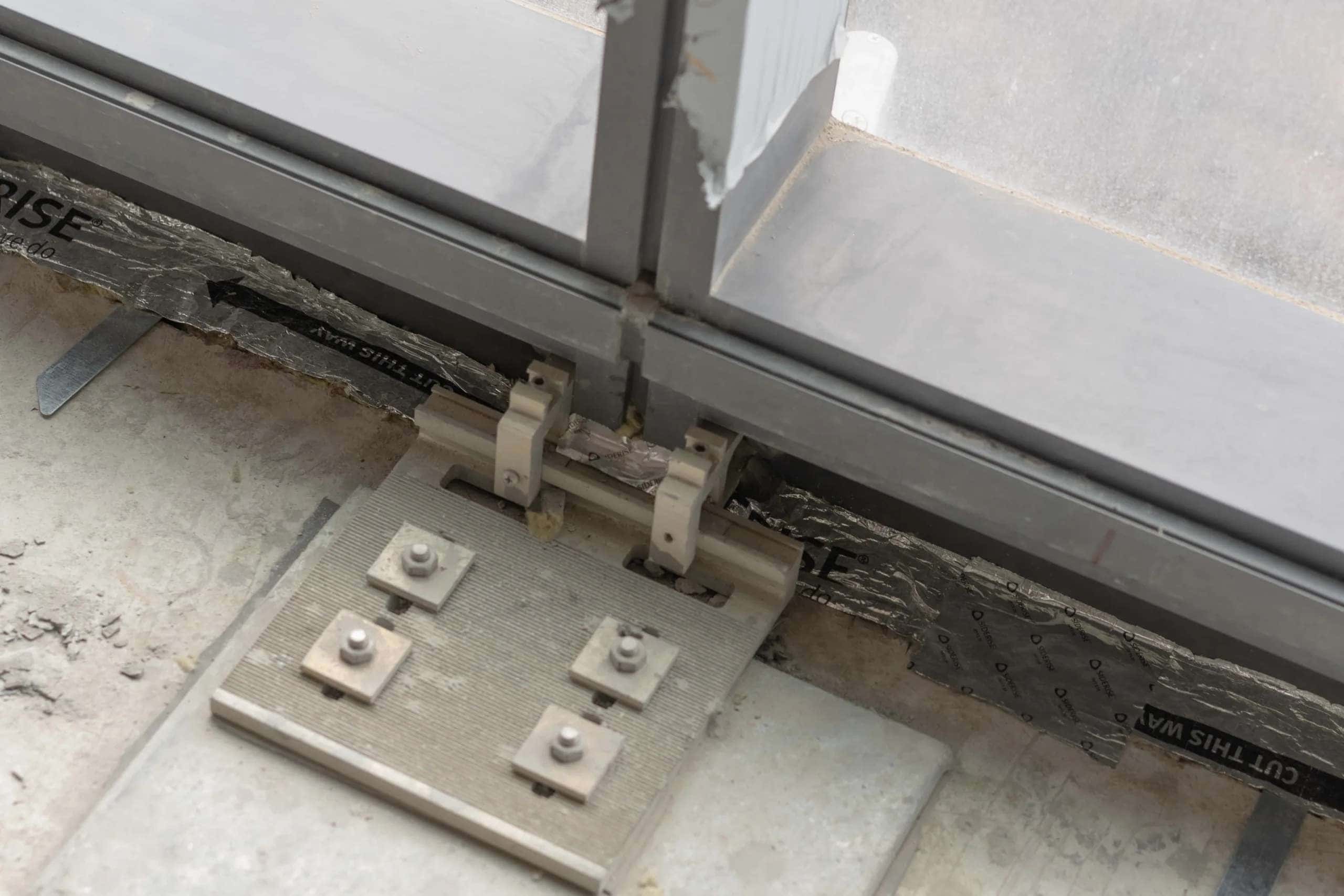
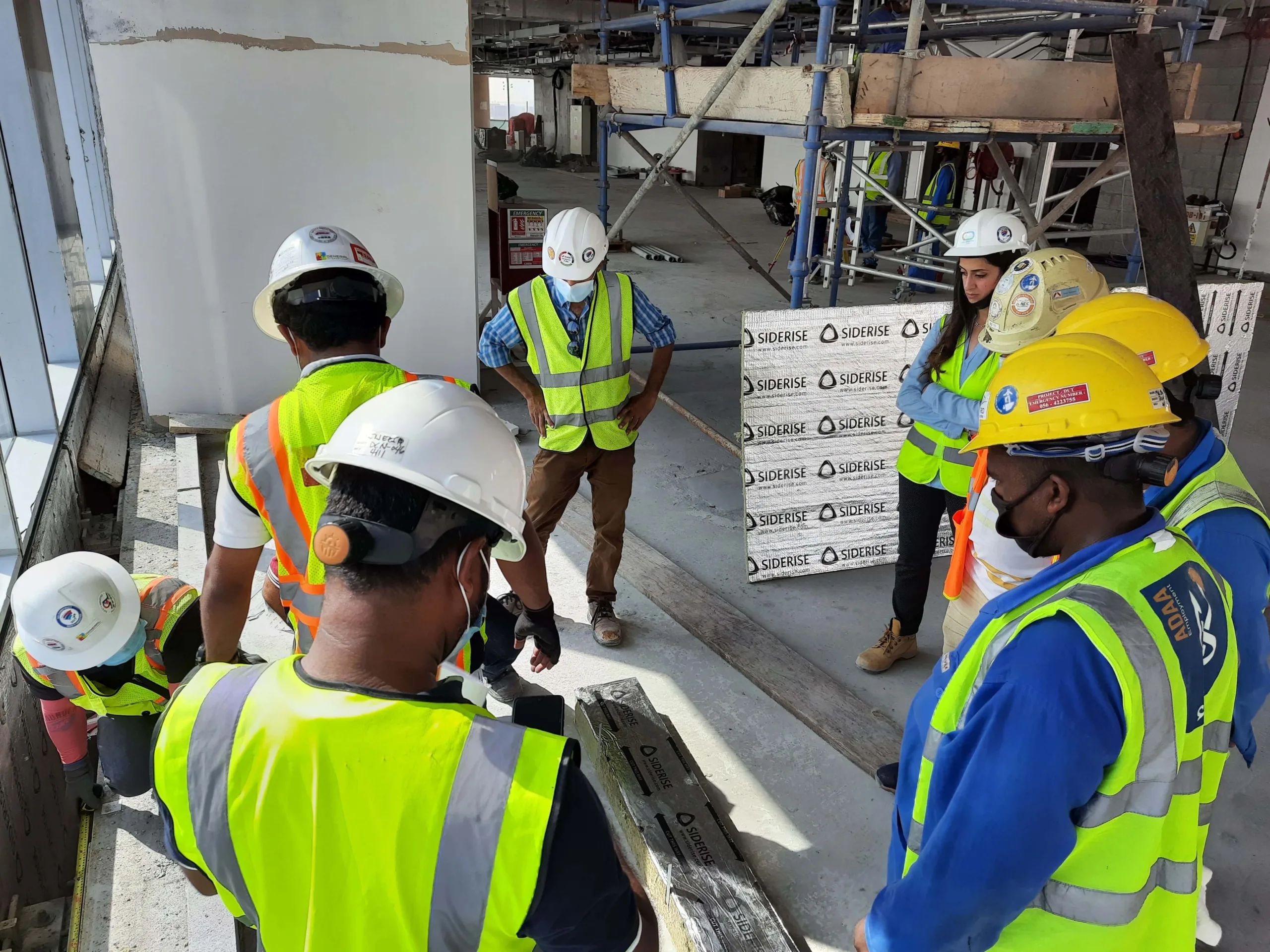
As projects grow in scale and complexity, often spanning multiple storeys or phased construction schedules, manufacturer support during installation is essential. Some passive fire protection manufacturers can provide free on-site product training, including practical demonstrations and benchmark mock-ups to show the expected standards of installation. These should be scheduled at regular intervals within the project programme, ensuring that successive installation teams all receive the right training and preventing costly remedial works later down the line.
This can be further supported with regular site visits and inspections to identify issues before the work progresses. These can be carried out in person, which can be particularly useful on large or complex façades where multiple trades and interfaces are involved. Alternatively, for more standardised systems, some firestopping manufacturers have created their own digital inspection apps. Contractors and consultants can capture images and complete data fields using a smartphone or tablet, generating instant reports that can be shared with the rest of the project team and reviewed remotely by technical teams. This accelerates feedback, simplifies documentation, and helps teams identify and address issues before they escalate.
These reports can then be handed over to the developer or building owner at the end of the project to support building approvals, demonstrate due diligence, and inform future maintenance, inspection, or modification works.
A Collaborative Path To Safer Façades
Across India’s rapidly expanding built environment, the importance of early manufacturer engagement cannot be overstated. From helping shape specifications and consolidating evidence to providing bespoke technical guidance, on-site training, and inspection support, manufacturers play an invaluable role in strengthening passive fire protection strategies for facade systems.
Free manufacturer technical support can help to embed technical expertise from concept through to installation. This can help specifiers and facade contractors ensure compliance, reduce risk, and contribute to the delivery of buildings that are safe, resilient, and supported by a clear, well-maintained body of evidence.