
Post Date: October 9, 2026 |
Last Edited: October 9, 2026
Q. How Has The Growing Focus On Daylighting, Glare Control, And Acoustic Comfort Influenced The Development And Demand For Building Products In Recent Years?
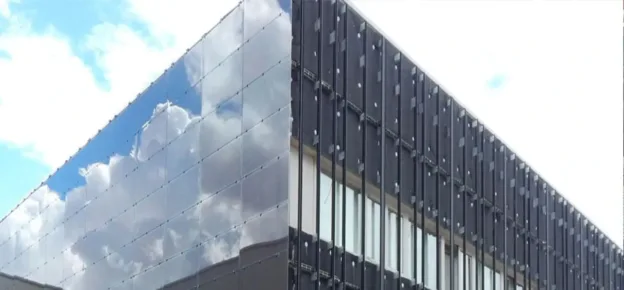
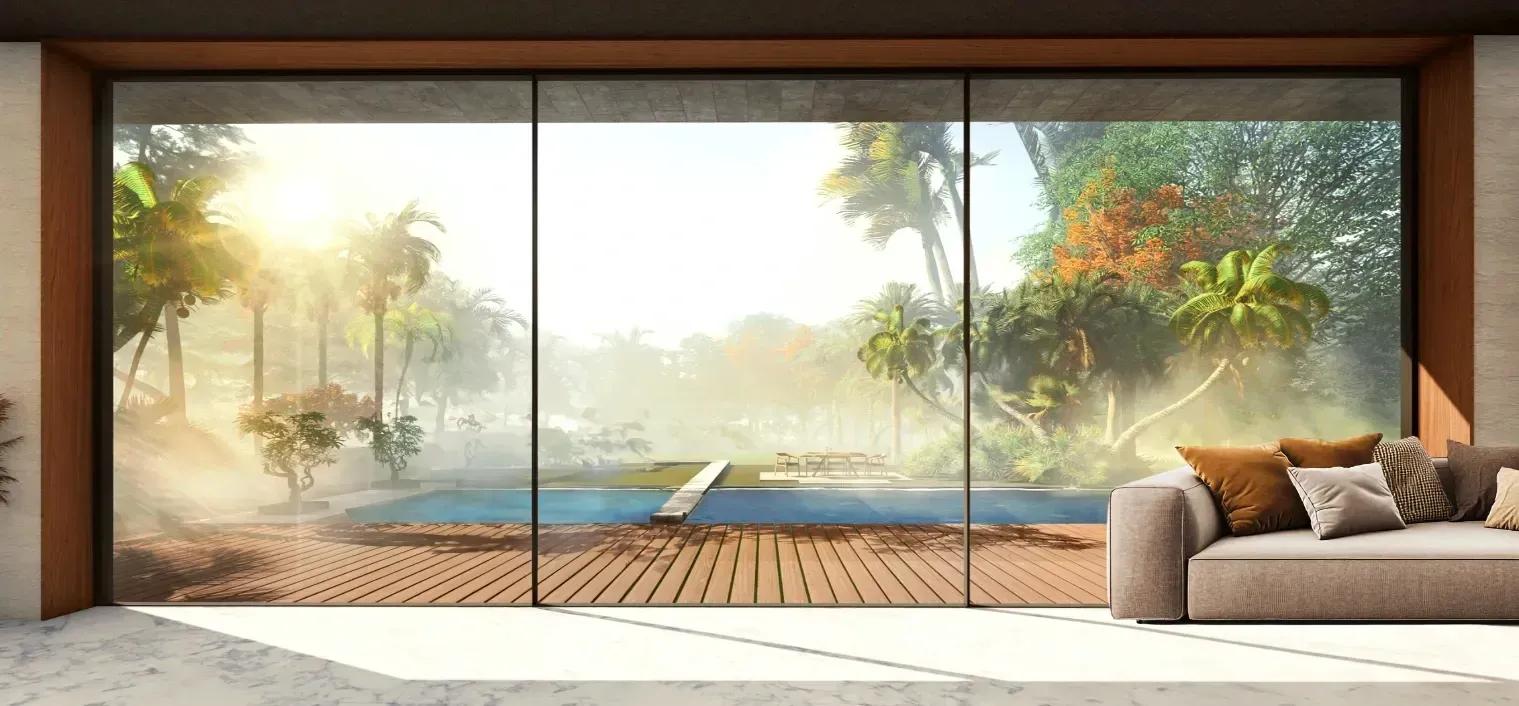
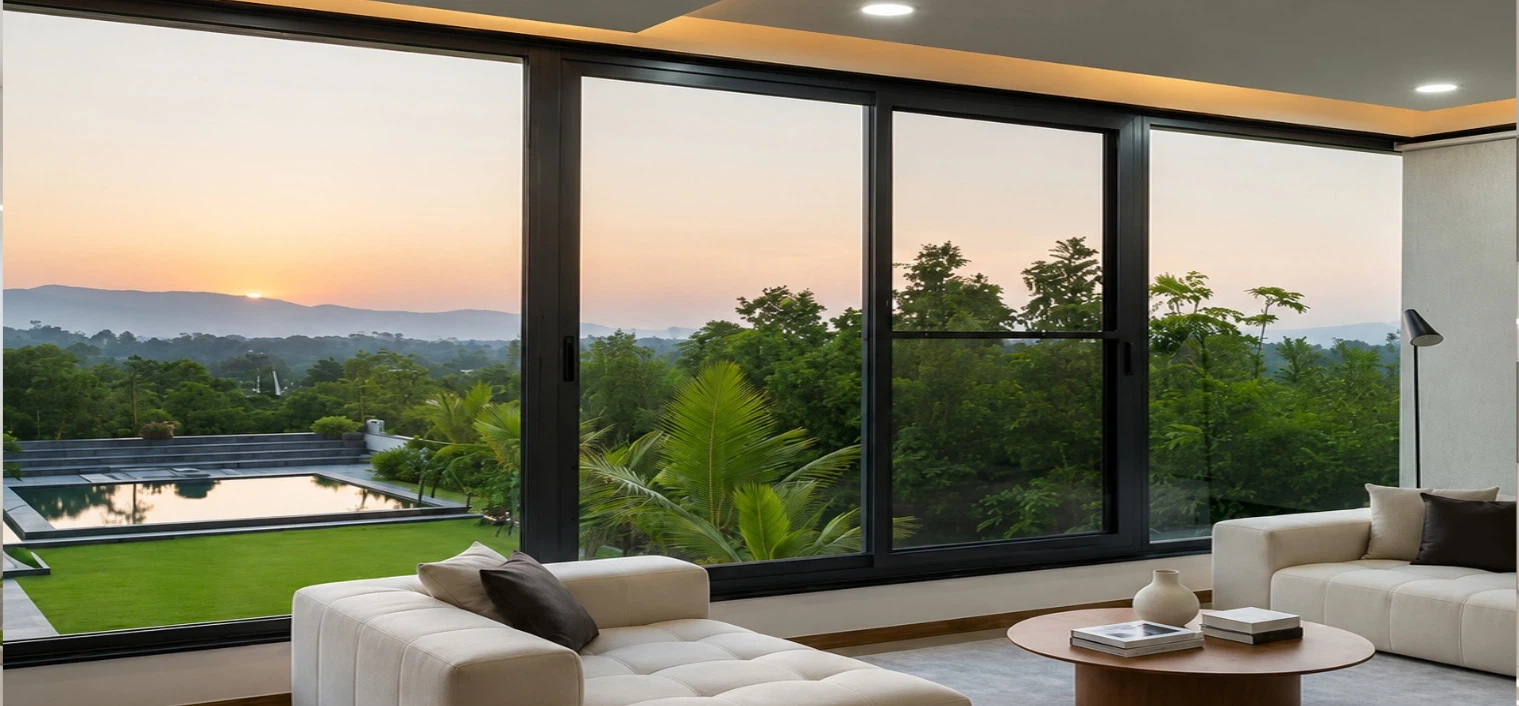
The conversation around buildings has evolved from simply creating visually appealing spaces to designing environments that enhance occupant well-being and long-term efficiency. Today, architects and developers are looking for solutions that maximise natural daylight without increasing glare or indoor heat, while also improving acoustic comfort in increasingly dense urban settings. This shift has encouraged manufacturers to invest in advanced glazing systems, high-performance façades, insulated windows, and better building materials that deliver multiple benefits simultaneously. Customers are no longer satisfied with products that serve a single purpose; they expect integrated solutions that contribute to comfort, productivity, energy efficiency, and overall building performance throughout the lifecycle of the project.
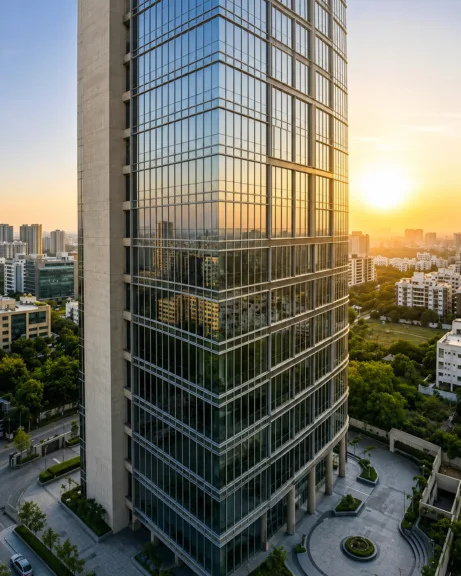
Q. How Are IGBC And LEED Requirements, Along With NBC Compliance, Shaping Customer Expectations And The Market For Sustainable Building Products?
Green building frameworks such as IGBC and LEED, supported by the National Building Code, have significantly raised awareness about sustainable construction practices. These standards have shifted the conversation from initial project costs to long-term performance, operational efficiency, and environmental responsibility. Today, developers, consultants, and even homebuyers increasingly seek products that contribute to energy savings, water efficiency, occupant health, and durability. Compliance has become more than a regulatory requirement—it has emerged as a marker of quality and future readiness. As a result, manufacturers are focusing on innovation, transparency, and performance-driven solutions that help projects meet sustainability benchmarks while delivering lasting value to end users.
Q. With The Growing Emphasis On Performance And Sustainability, How Important Are Standards And Certifications Such As BIS, ASTM, And EN In Selecting Building Products?
Standards and certifications have become essential decision-making tools rather than mere technical references. Certifications such as BIS, ASTM, and EN provide assurance that products have undergone rigorous testing for safety, durability, structural performance, and reliability under different conditions. In an industry where quality directly impacts building longevity and occupant safety, these benchmarks help customers make informed choices with greater confidence. They also create consistency across projects and encourage manufacturers to maintain high production standards.
As buildings become more performance-driven, certified products are increasingly viewed as investments that reduce maintenance, improve efficiency, and support sustainable construction over the long term.
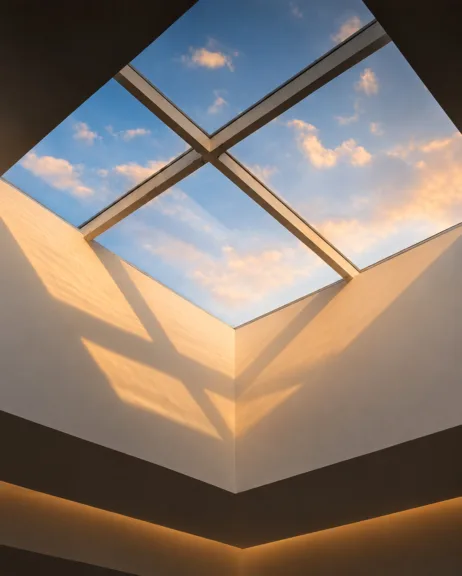
Q. What Role Do Manufacturers And Solution Providers Have In Supporting The Industry’s Transition Towards Passive Design, Energy Efficiency, And Net-Zero-Ready Buildings?
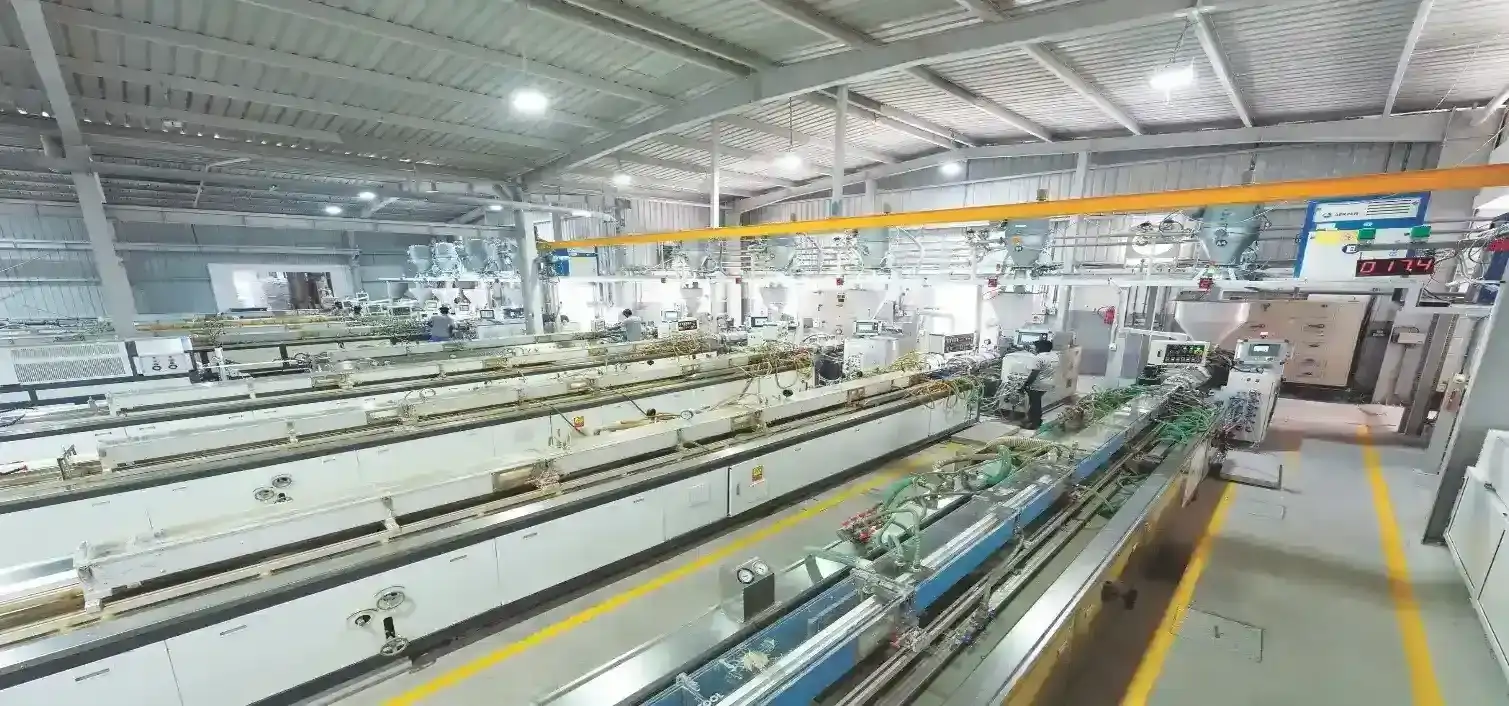
Manufacturers today are expected to be innovation partners rather than just product suppliers. Their role begins with developing high-performance materials that minimise energy consumption and extends to collaborating with architects, consultants, and developers from the design stage itself. By offering technically advanced solutions, sharing performance data, and providing application support, manufacturers can help projects integrate passive design principles more effectively. Continuous investment in research, sustainable manufacturing processes, and product innovation is equally important. The transition towards net-zero-ready buildings will require close collaboration across the value chain, where manufacturers play a pivotal role in enabling practical, scalable, and future-ready construction solutions.
Q. Why Can Seemingly Similar Products Vary Significantly In Price, And What Factors Should Customers Consider When Comparing Them?
Price differences often reflect much more than the product’s appearance. Factors such as raw material quality, manufacturing precision, performance testing, certifications, durability, after-sales support, and warranty commitments all contribute to the overall value of a building product. Two products may look similar but can perform very differently over their lifespan, particularly in areas such as energy efficiency, structural reliability, weather resistance, and maintenance requirements. Customers should evaluate products based on lifecycle cost rather than only upfront pricing. Choosing reliable, certified solutions from trusted manufacturers often delivers better long-term performance, lower maintenance costs, and greater peace of mind for building owners and occupants.