
Post Date: July 28, 2026 |
Last Edited: August 3, 2026

Key Highlights
|
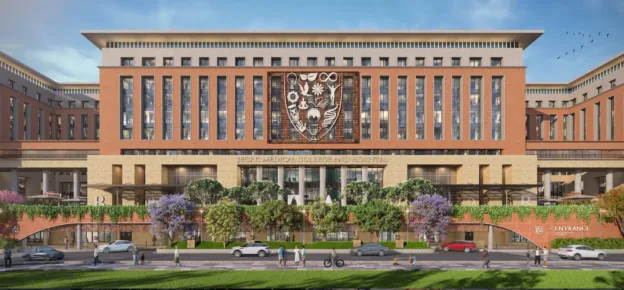
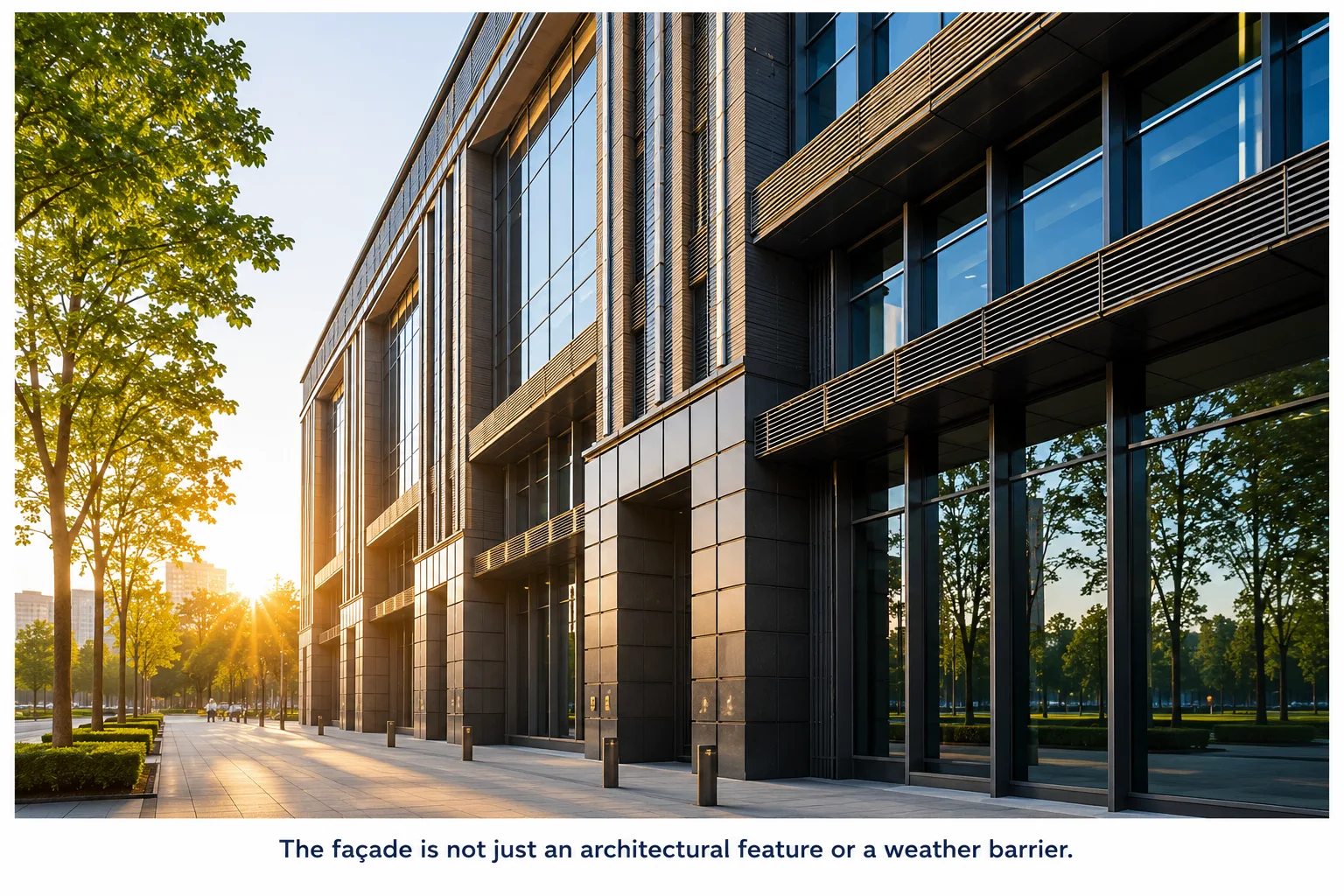
The façade is not just an architectural feature or a weather barrier; it is a critical component that sits at the intersection of structural integrity, fire safety, energy performance, and the overall longevity of a building. More importantly, it plays a central role in how people interact with and experience the built environment. As the industry continues to evolve, particularly in the wake of heightened regulatory scrutiny, the need for inclusive, compliant, and well-considered façade design has never been more important.
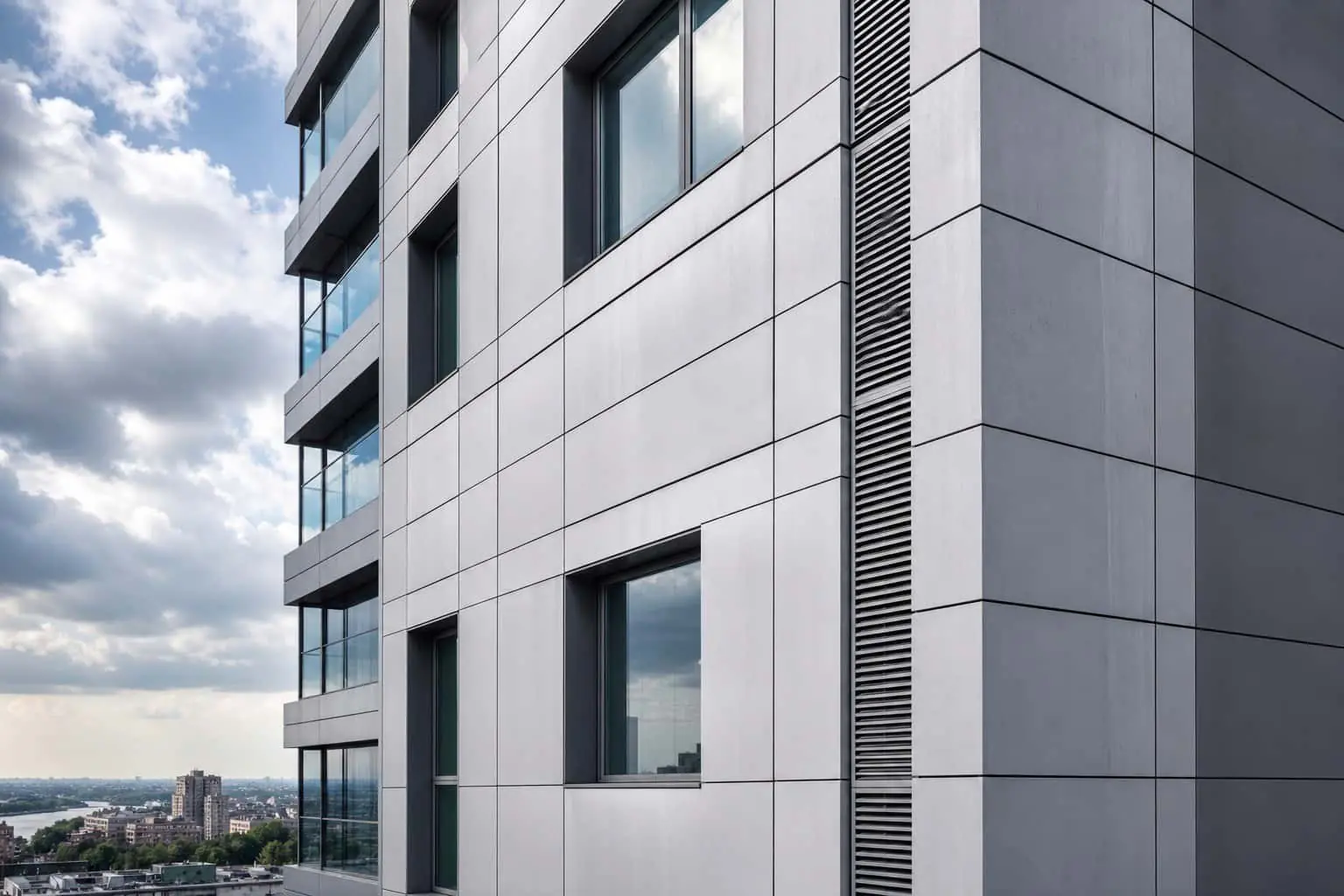
The building envelope carries a unique responsibility. Structurally, it must withstand wind loads, thermal movement, and environmental exposure over decades. Any failure in design or installation can have serious consequences, not only in terms of maintenance costs but also in terms of safety risks. A well-designed façade system must account for material compatibility, movement joints, fixings, and interfaces with the primary structure. It is not enough for components to work in isolation; the system must perform as a whole.
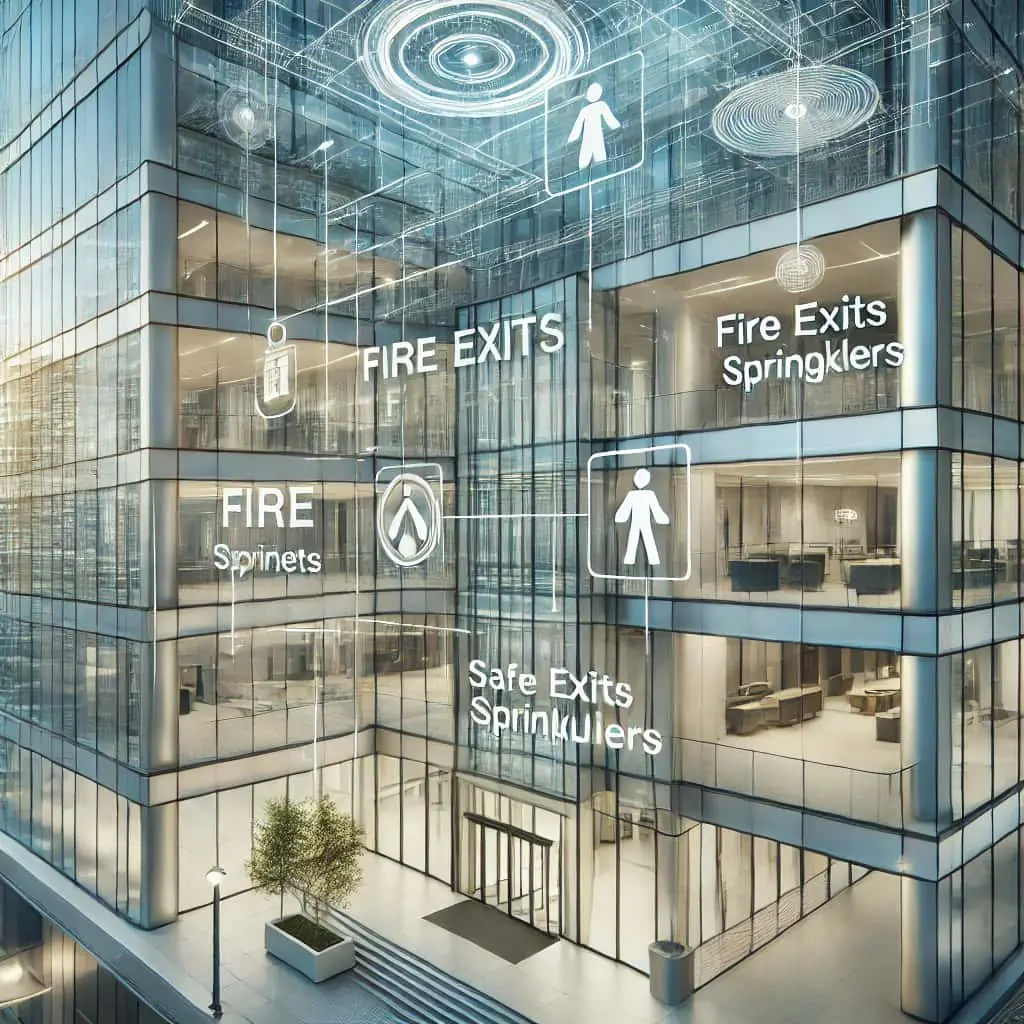
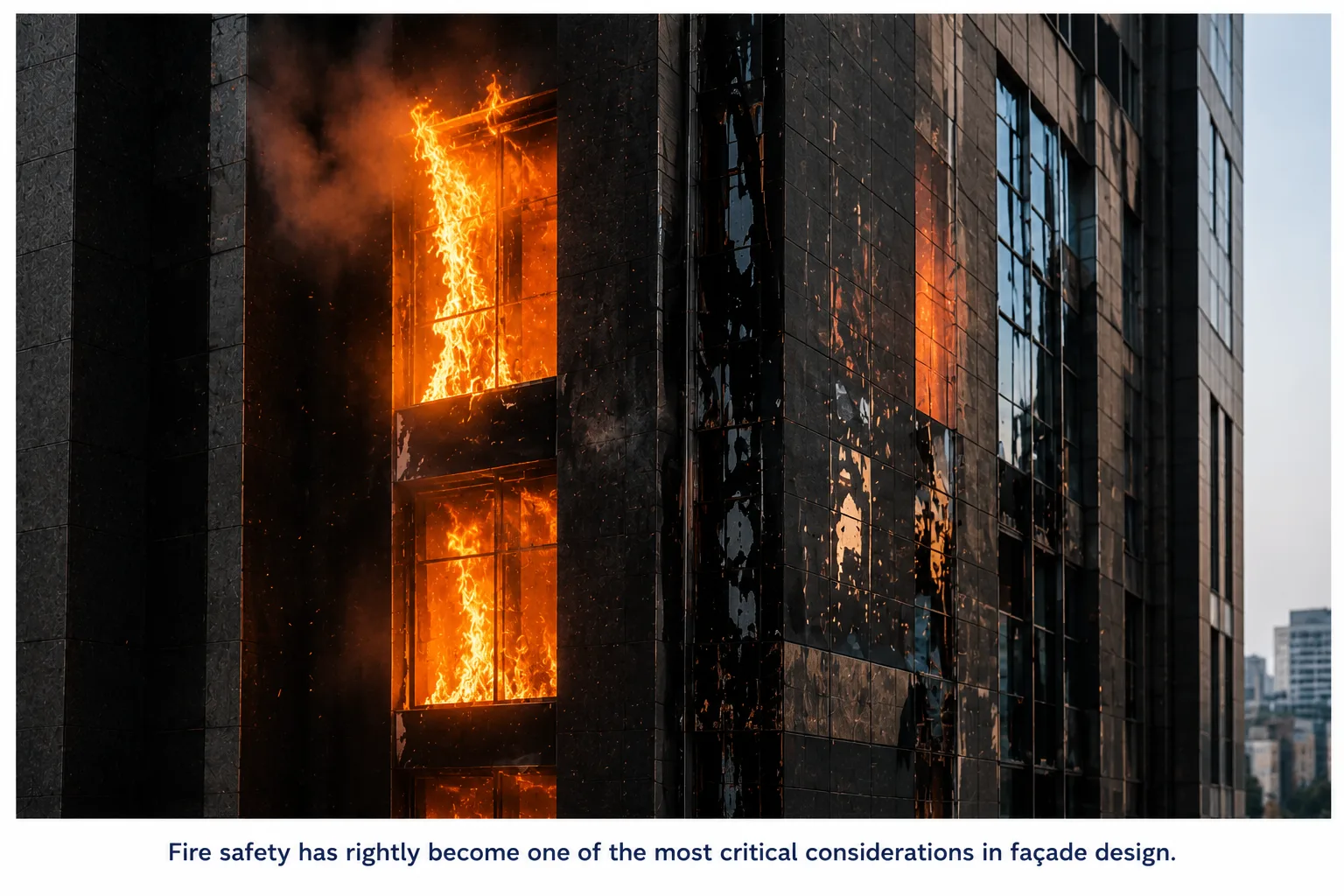
Fire safety has rightly become one of the most critical considerations in facade design. The lessons learned across the industry have highlighted the dangers of treating fire performance as an afterthought. Materials, cavity barriers, insulation, fixings, and detailing all contribute to how a façade behaves in a fire scenario. Compliance with Approved Document B and alignment with testing standards such as BS 8414 are essential, but true safety comes from a design approach that fully understands fire-spread mechanisms and mitigates risk at every interface. It requires coordination across disciplines and a willingness to challenge assumptions, particularly during value engineering stages.
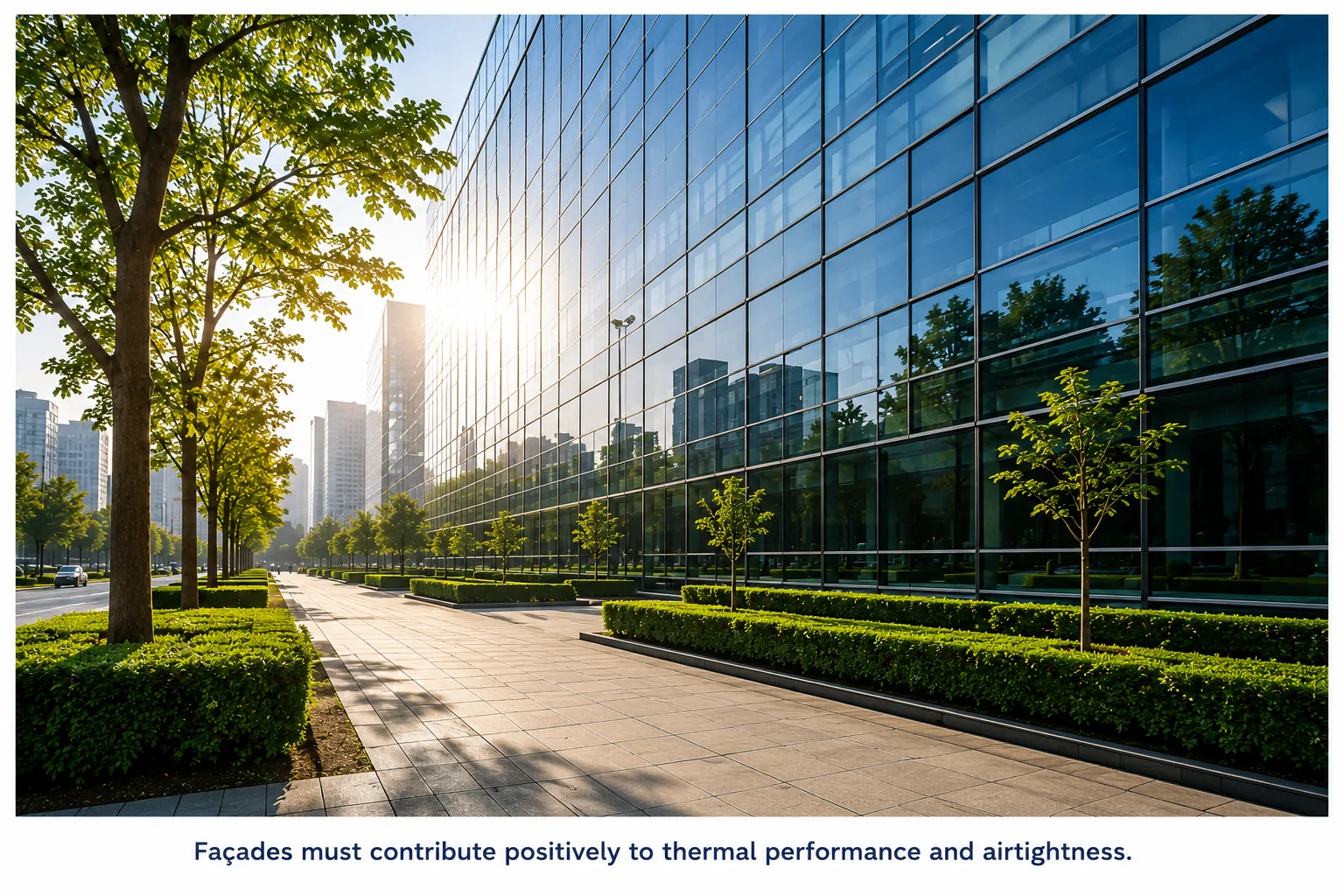
Energy performance is another key driver. With increasing pressure to meet carbon reduction targets and improve operational efficiency, façades must contribute positively to thermal performance and airtightness. This involves careful consideration of insulation strategies, thermal bridging, glazing specifications, and installation quality. Poorly designed or executed façades can undermine an otherwise high-performing building. Conversely, a well-considered envelope can significantly enhance comfort, reduce energy demand, and support sustainability targets.
Longevity is often overlooked but is equally important. Buildings are long-term assets, and façade systems must be designed with durability, maintenance, and lifecycle performance in mind. Material selection, access for maintenance, resistance to weathering, and the ability to repair or replace components all play a role. Too often, short-term cost decisions lead to long-term issues. A façade should not only meet current standards but remain functional and safe throughout its intended lifespan.
However, beyond these technical aspects, there is a broader responsibility that we as professionals in the built environment must acknowledge — the need for inclusive design. Inclusive design is not limited to internal layouts or accessibility features; it extends to how buildings present themselves externally and how they respond to the needs of all users.
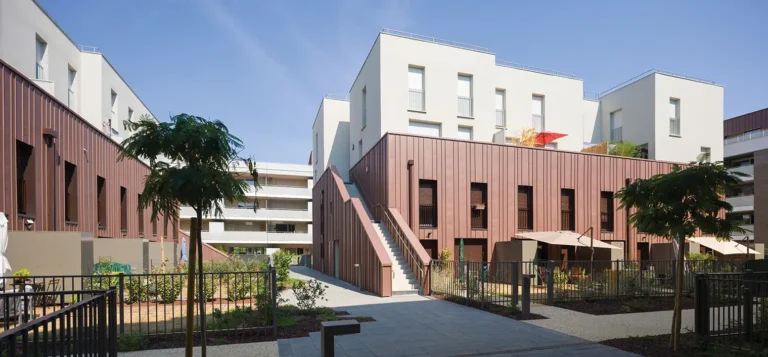
An inclusive façade design considers visibility, wayfinding, accessibility of entrances, and the relationship between the building and the public realm. It ensures that entrances are clearly identifiable, thresholds are accessible, and materials or finishes do not create hazards. It also recognises the diversity of building users, including those with disabilities, and ensures that the external environment does not create barriers.
This approach aligns closely with the principles of building safety and regulatory compliance. Adherence to building codes and standards is not simply about meeting minimum requirements; it is about creating environments that are safe, usable, and equitable. Regulations such as the Building Regulations, BS standards, and the evolving requirements under the Building Safety Act provide a framework, but it is the responsibility of professionals to interpret and apply them effectively.
In my experience, successful projects are those where compliance is embedded from the outset, not treated as a box-ticking exercise at the end. This means engaging with fire engineers, structural engineers, architects, and contractors early in the design process. It involves rigorous design reviews, clear documentation, and a commitment to quality throughout construction. It also requires transparency and accountability, particularly when managing changes or addressing unforeseen issues on site.
The role of coordination cannot be overstated. The façade sits at the interface of multiple systems — structure, services, internal finishes — and any misalignment can lead to performance issues. Effective communication and collaboration across the project team are essential. This is particularly important in the current regulatory environment, where Gateway processes and approval stages demand a higher level of detail and assurance.
Technology is also playing an increasingly important role. Digital modelling, including BIM, allows for better coordination and visualisation of façade systems. It helps identify clashes, improve detailing, and support compliance with regulatory requirements. However, technology is only as effective as the people using it. Experience, judgement, and a thorough understanding of construction principles remain critical.
There is now a greater emphasis on accountability, competence, and safety. This is a positive shift, but it also brings challenges. Delivering compliant and inclusive façade solutions requires time, expertise, and a willingness to challenge conventional approaches. It also requires investment in training and a commitment to continuous improvement.
It also requires leadership. Those in senior roles have a responsibility to set standards, mentor others, and ensure that safety and quality are prioritised over cost or programme pressures. This is particularly important in façade design, where decisions made early in the process can have far-reaching consequences.
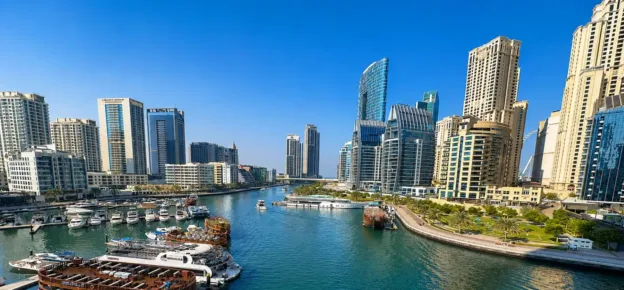
Looking ahead, the importance of the building envelope will only continue to grow. As we respond to climate change, urbanisation, and evolving regulatory frameworks, façades will play a key role in delivering resilient, sustainable, and safe buildings. Inclusive design will be central to this, ensuring that the built environment works for everyone.
Ultimately, the goal is to create buildings that are not only compliant but also considered — buildings that perform well, stand the test of time, and contribute positively to the communities they serve. The façade is a critical part of that, and those of us working in this field have a responsibility to get it right.
For me, that responsibility has been a constant throughout my career. From early site experience to leading complex remediation and new-build projects, the focus has always been on delivering solutions that are safe, practical, and aligned with best practice. The lessons learned from projects like Heathrow Terminal 5 and Central St Giles continue to inform my approach today.
The industry is still evolving, and there is more to be done. But with the right mindset, collaboration, and commitment to quality, we can ensure that the buildings we deliver meet the highest standards — not just in terms of compliance, but in how they serve the people who use them every day.
In closing, the role of the façade in the built environment goes far beyond appearance. It is a working system that must protect people, support the structure, improve energy efficiency, and perform reliably for many years. When it is properly designed and delivered, it contributes to the safety, comfort, and resilience of the whole building. That is why façade design must always be treated as a fundamental part of the wider construction process, not as an isolated package or a late-stage detail.
Just as important is the need for inclusive design. Buildings should work for a wide range of people, and the external envelope has a part to play in that. Clear access, thoughtful entrances, safe materials, and a building that responds well to its surroundings all contribute to a better experience for users and the public realm. Inclusive design is not an added extra; it is part of delivering buildings that are practical, respectful, and fit for purpose.
Compliance with regulations, standards, and building codes is equally essential. These requirements exist to set a minimum level of safety and quality, but strong professionals should aim to go beyond minimum compliance wherever possible. Good outcomes come from early coordination, clear accountability, and a willingness to get the details right. In my view, this is where the future of the industry lies: in combining technical competence, regulatory discipline, and a genuine commitment to people.
If we continue to approach façade design with that mindset, we will create buildings that are safer, longer lasting, more efficient, and better suited to the communities they serve. That is the standard the industry should hold itself to.