
Post Date: October 21, 2026 |
Last Edited: October 21, 2026
Q. How Has The Growing Focus On Daylighting, Glare Control, And Acoustic Comfort Influenced The Development And Demand For Building Products In Recent Years?
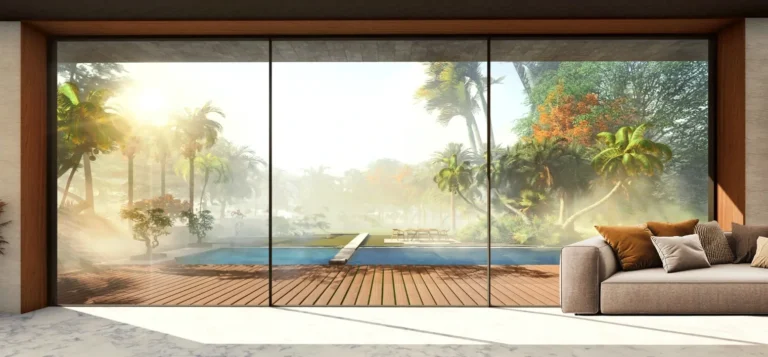
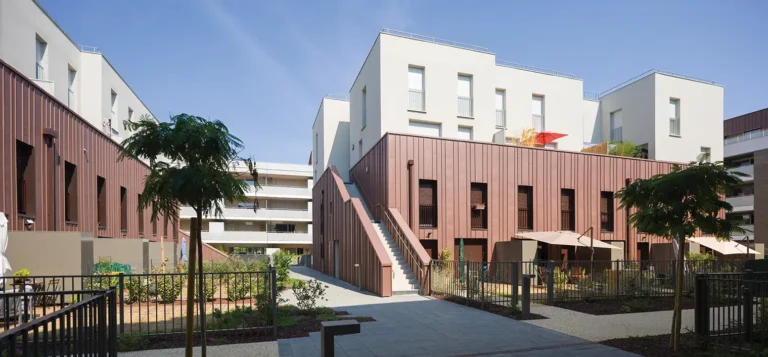
As occupant wellbeing becomes central to design briefs, façades are no longer judged on aesthetics alone; they must balance natural light, glare mitigation, and acoustic insulation. This has pushed demand toward engineered metal composite panels with precisely controlled flatness and finish, since an uneven surface distorts light reflection and increases glare.
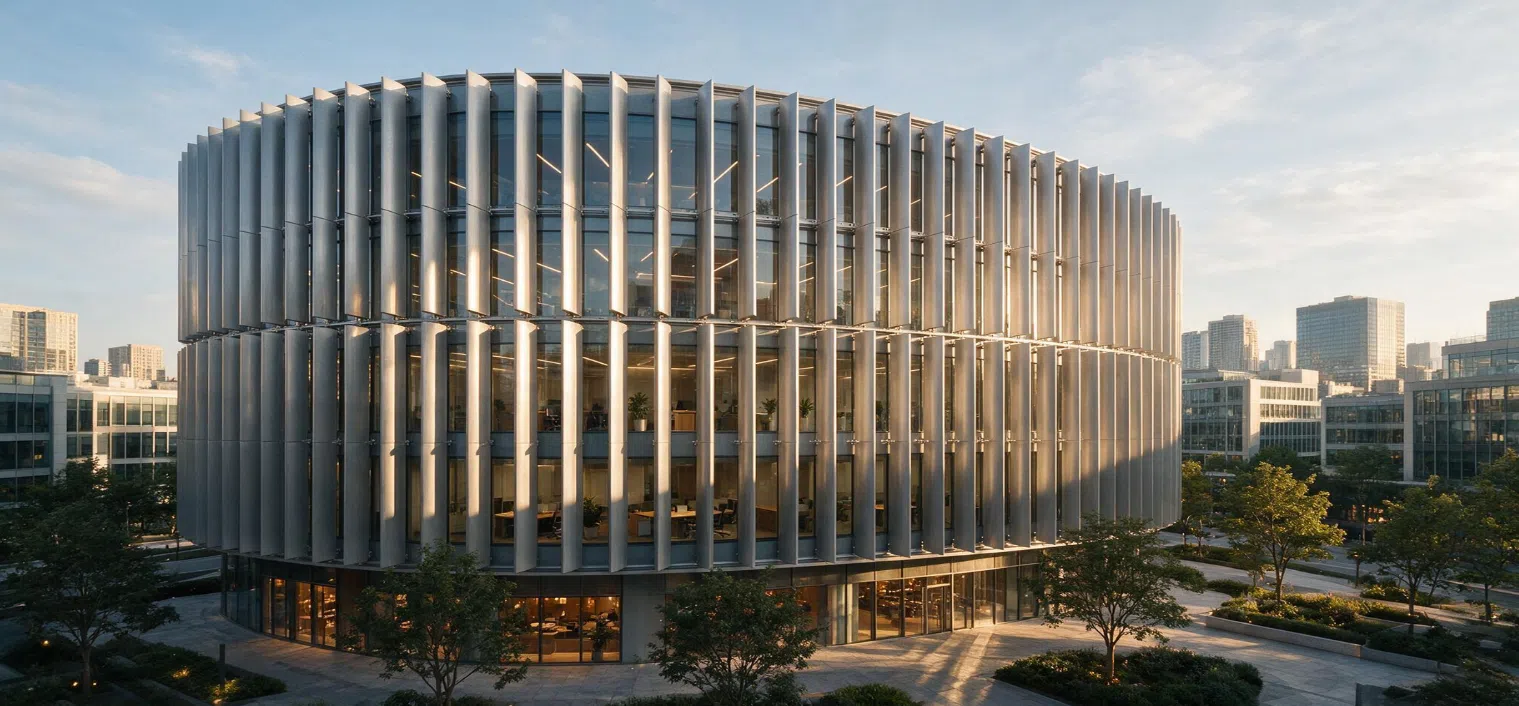
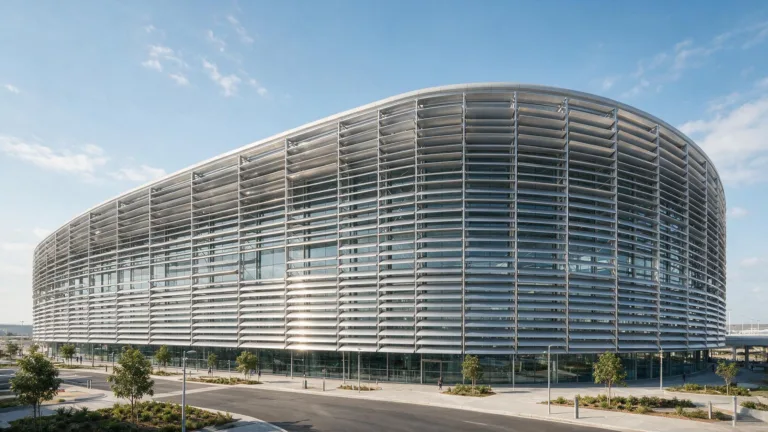
It has also revived interest in metal louvres: systems like our Alubreeze range use angled aluminium fins to redirect diffused daylight toward ceilings, cut glare while retaining brightness, and reduce reliance on artificial lighting, while their layered fin profile helps diffuse sound and lower traffic noise. Our newly launched Alubreeze Intelligent Louvres take this further, using sun and light sensors to continuously adjust fin position rather than settle for one fixed compromise angle. Combined with PVDF/FEVE coil-coated finishes and ventilated façade cavities, architects now specify products that perform across light, sound, and thermal comfort simultaneously, reshaping R&D priorities industry-wide.
Q. How Are IGBC And LEED Requirements, Along With NBC Compliance, Shaping Customer Expectations And The Market For Sustainable Building Products?
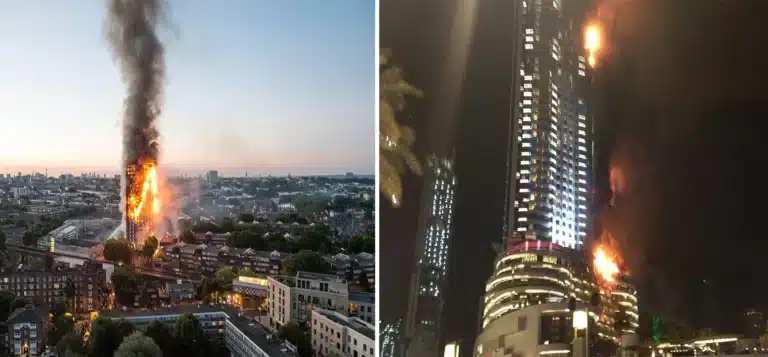
Green building certifications have moved sustainability from a differentiator to a baseline expectation. Customers now ask for documented recycled content, lead-free coatings, low VOC emissions, and recyclability data upfront, attributes once considered optional. NBC compliance, particularly around fire safety classifications, has become a non-negotiable filter in product selection, especially for façade cladding after recent fire-safety scrutiny. This has driven manufacturers to invest in fire-retardant mineral-core panels, formal fire-performance certification (EN 13501-1, NFPA 285), and transparent environmental disclosures. The net effect is a market where certification readiness directly influences specification decisions, pushing suppliers toward continuous testing, in-house labs, and third-party validation to remain competitive.
Q. With The Growing Emphasis On Performance And Sustainability, How Important Are Standards And Certifications Such As BIS, ASTM, And EN In Selecting Building Products?
These standards are indispensable — they convert marketing claims into verifiable, comparable performance data. EN 13501-1 and BS 476 classify reaction-to-fire behaviour; NFPA 285 validates real-project façade assemblies for flame spread; BIS standards anchor products to Indian regulatory requirements. For façade materials, where failure has life-safety consequences, third-party certification with Factory Process Control Audit separates genuinely tested products from those merely claiming compliance. Standards also enable apples-to-apples comparison across manufacturers on tensile strength, weatherability, and coating durability. As specifiers face growing liability and insurance scrutiny, certified performance data, not brochures, increasingly determines which products make it onto approved vendor lists.
Q. What Role Do Manufacturers And Solution Providers Have In Supporting The Industry’s Transition Towards Passive Design, Energy Efficiency, And Net-Zero-Ready Buildings?
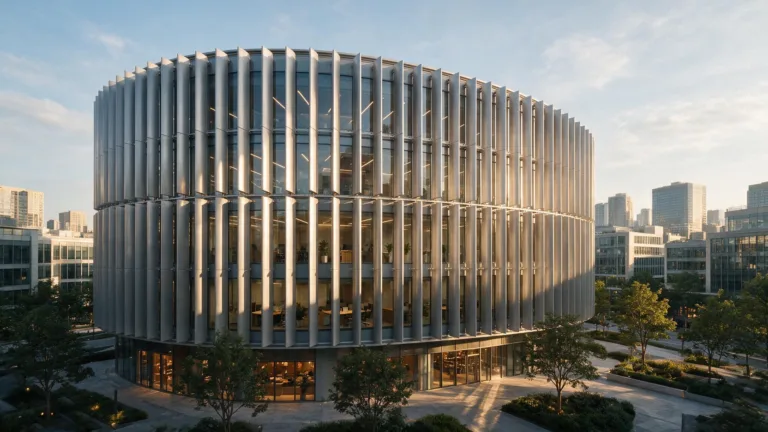
Manufacturers must go beyond supplying material and act as technical partners offering engineering support for wind-load calculations, thermal-break detailing, and system-level façade design rather than just panels. Investing in in-house R&D, fire-testing labs, and coil-coating lines that meet international benchmarks (like Double Coat Double Bake processes) allows suppliers to bring high-performance, durable products to market faster. Active shading solutions play a growing role here: the newly launched Alubreeze Intelligent Louvers, made from 100% recyclable & 30%-recycled aluminium, use sun, wind, and rain sensors to continuously reposition their aluminium fins in real time — closing against heat gain, opening to admit winter light, and retracting in high wind — cutting cooling loads without relying on mechanical HVAC compensation. Their fixed-angle Alubreeze siblings deliver the same passive, no-moving-parts seasonal geometry as a “second skin” for projects that don’t need active control. Equally important is enabling designers through digital tools, 3D visualisation, and technical documentation, so energy-efficient detailing is specified correctly the first time, reducing costly on-site errors.
Q. Why Can Seemingly Similar Products Vary Significantly In Price, And What Factors Should Customers Consider When Comparing Them?
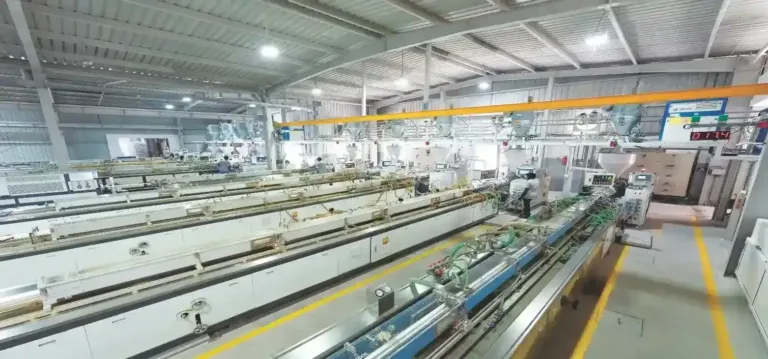
Two panels that look identical on a spec sheet can differ substantially in real-world performance. Coil thickness, alloy grade (e.g., AA3105/5005 versus AA1100), core type (fire-retardant mineral core versus standard LDPE), and coating chemistry (PVDF/FEVE versus basic polyester) all affect cost and directly determine durability, gloss retention, and fire behaviour. Manufacturing process controls flatness tolerance, lamination consistency, and lead-free formulation — also adds cost but reduces long-term maintenance and replacement risk. Customers should look past unit price and evaluate technical data sheets, third-party test certificates, warranty terms, and total lifecycle cost. A cheaper panel with a thinner skin or uncertified core may pass initial inspection but compromise safety and appearance within a few years.