Post Date: November 18, 2026 |
Last Edited: November 18, 2026
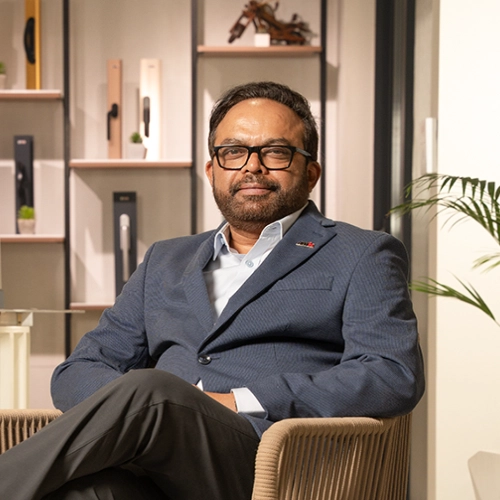
 Subhendu Ganguly is a seasoned business leader who brings strategic thinking, industry expertise, and a strong focus on business growth. As the Managing Director of AluK India, he has been instrumental in strengthening the company’s presence in the Indian fenestration market and in establishing its position as a trusted partner for architects, fabricators, developers, and homeowners. His leadership reflects a clear understanding that sustainable growth goes beyond numbers. It comes from building strong relationships, developing the right capabilities, empowering people, and consistently delivering value to customers. Under his guidance, AluK India continues to expand its retail network, strengthen partner relationships, and bring innovative aluminium window and door solutions to an evolving Indian market. What stands out about his leadership is the emphasis on long-term thinking, accountability, and translating business vision into action. In a competitive industry where customer expectations and market dynamics are constantly changing, his approach continues to drive the organisation toward new opportunities and higher aspirations. For Ganguly, the journey is not just about building a business; it is about building a stronger organisation, creating meaningful partnerships, and developing a team that can grow with the company. His leadership continues to shape AluK India’s ambition to create lasting value for its customers, partners, and people. Subhendu GangulyManaging Director
|
In this interview, Subhendu Ganguly talks about the brand’s growth in the Indian market and why early design engagement matters. He discusses what is driving the shift to aluminium windows and doors, how systems are engineered for extreme heat and monsoon rain, and how slim sightlines are balanced with high performance. He also highlights the importance of installation quality, the support offered to architects, fabricators and developers, and aluminium’s role in sustainable building.
How Has Aluk India Grown Over The Years, And What Are Your Key Priorities For The Indian Market Today?
AluK India’s growth has been less a sprint than a well-toleranced extrusion: precise, deliberate and built to last. We began as an introducer of European-engineered systems and have grown into a premium brand architects specify by name, backed by landmark residential, hospitality, and commercial projects.
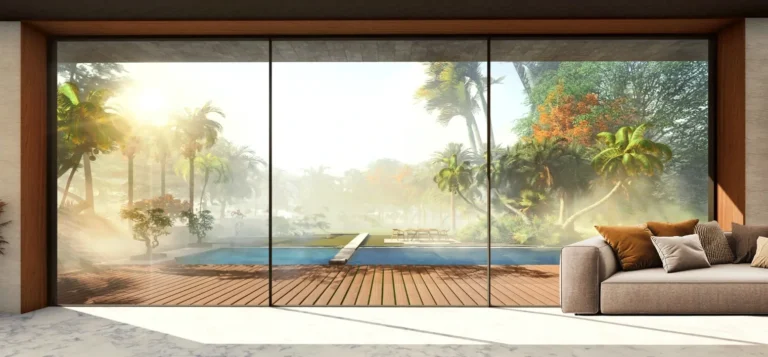
The market we serve is changing fast. Clients want larger openings, slimmer sightlines and seamless indoor-outdoor living. True luxury lies in the art of restraint, where less becomes more. Acoustic comfort has become a necessity in dense cities, and tightening energy norms are making thermal performance a design brief rather than an afterthought. Premium demand is also no longer a metro monopoly, with Tier 2 and Tier 3 cities fast acquiring international tastes.
Our priorities follow the shifts. First, early design engagement, because a window specified late is a compromise made early. Second, a quality-governed fabricator network, since performance is won or lost at the workshop. Third, AluK Home Experience Centres, where clients can feel the glide of a heavy slider and see the difference. Finally, educating the market that water tightness, wind-load resistance and the like matter far more than the price per square foot.
Aluminium Windows And Doors Are Becoming Increasingly Popular In Modern Buildings. What Is Driving This Change, And How Do You See The Market Evolving?
Aluminium’s high strength-to-weight ratio allows slender, load-bearing extrusions that carry large glazed spans, which is precisely what contemporary architecture demands. Add superior dimensional stability, corrosion resistance, low lifecycle maintenance and an almost limitless palette of architectural finishes, and aluminium becomes the natural material for the premium building envelope.
The demand is also being propelled by a more informed client, who now expects low U-values, controlled solar heat gain, acoustic attenuation and multi-point security as standard.
I see the market evolving towards greater differentiation, with engineered, performance-certified systems increasingly shaping expectations across the premium segment. Expansive lift-and-slide systems, concealed sashes and minimal system designs are gaining ground, reshaping expectations of contemporary architecture. With its strong R&D foundation, AluK is at the forefront of this shift.
Indian Buildings Have To Deal With Varied Weather Conditions, From Extreme Heat To Heavy Monsoon Rains. How Does AluK Ensure Its Systems Meet These Challenges?
India presents one of the most demanding climatic envelopes anywhere in the world, and our systems are engineered accordingly. Polyamide thermal breaks interrupt conductive heat transfer, lowering U-values and moderating solar gain in extreme heat. Multi-chamber profiles, co-extruded EPDM gaskets and pressure-equalised drainage deliver exceptional watertightness during sustained monsoon driving rain, while high air-tightness limits infiltration, dust ingress and acoustic leakage.
Every system is validated against stringent standards for air permeability, water penetration resistance and wind-load deflection, which is critical for high-rise applications. For coastal and high-humidity locations, we recommend marine-grade, corrosion-resistant finishes and stainless steel hardware.
Ultimately, performance is a function of the whole assembly: profile, glazing specification, hardware and installation. We therefore guide clients on climate-responsive specification, not merely on product selection.
Architects Today Look For Products That Combine Good Design With High Performance. How Is AluK Responding To These Changing Expectations Through Its Products And Innovations?
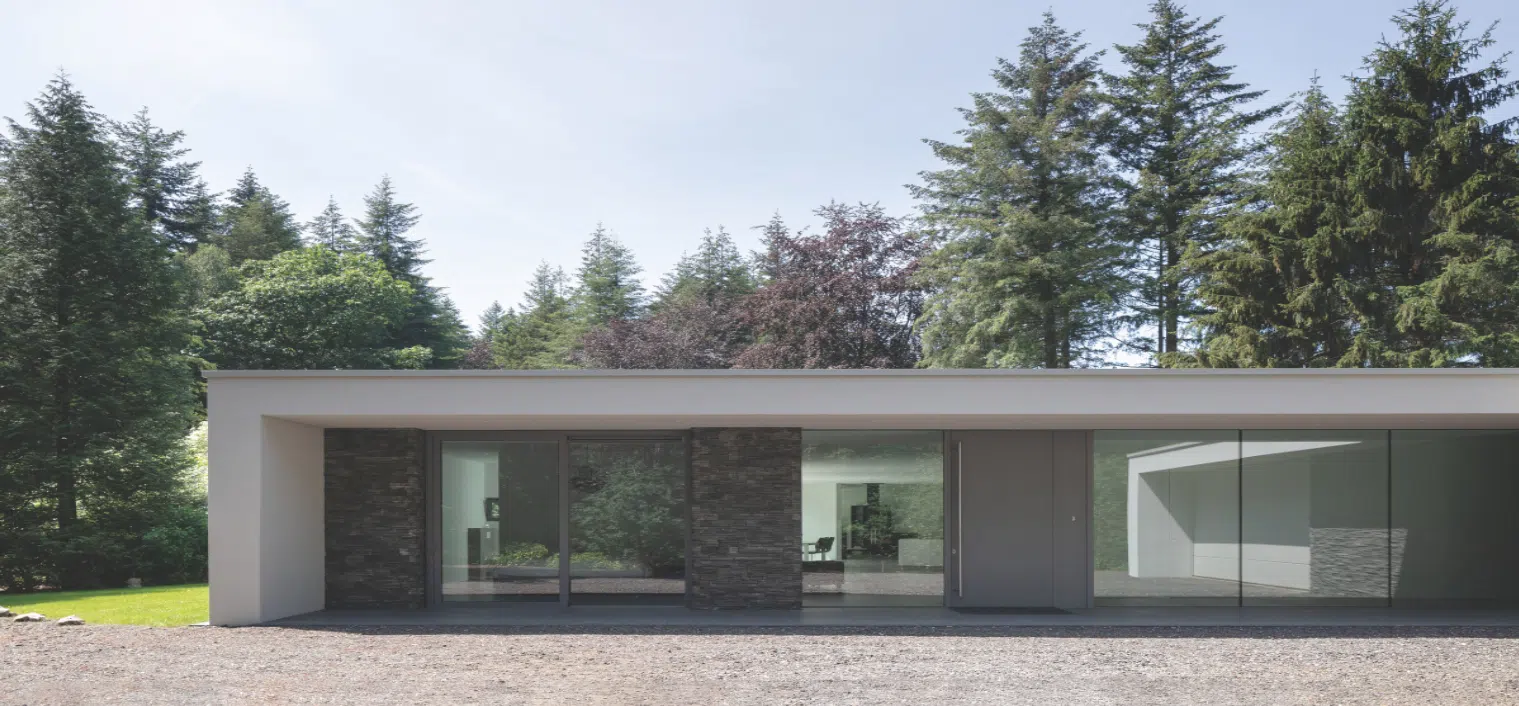
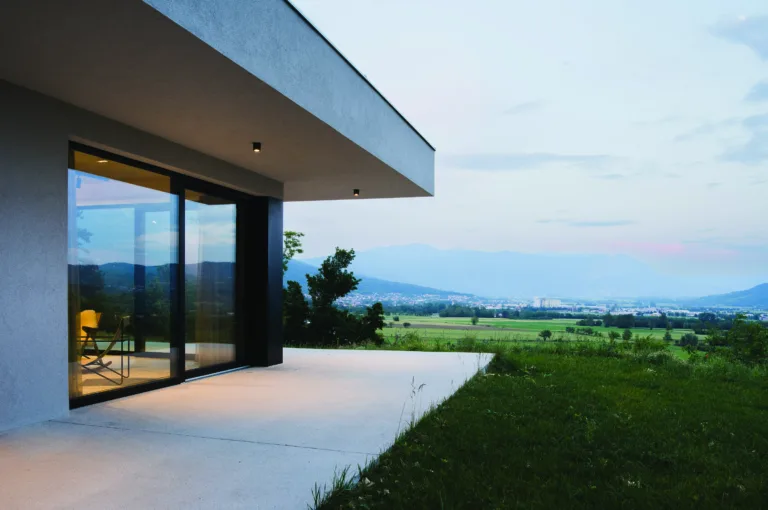
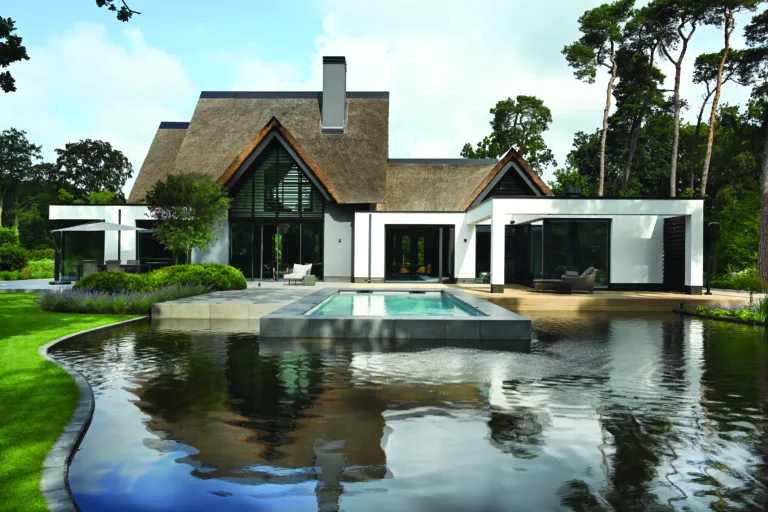
Our design philosophy is simple: visual minimalism must be underwritten by engineering sophistication. We pursue ultra-slim sightlines, concealed hardware and flush-glazed detailing that maximise the glazed area and let natural light and landscape define the interior.
We enable monumental glazed spans through high-load-bearing sliders, lift-and-slide and folding systems, with smooth operability even on heavy glass panels. These sit alongside high-performance thermal and acoustic insulation, multi-point locking and reinforced anti-intrusion options.
Personalisation is equally central. Our extensive range of powder-coated and anodised finishes, custom colours and bespoke configurations allows architects to express a singular design language without engineering compromise.
Crucially, our innovation is informed by the dialogue we maintain with leading practices. Their ambition continually raises our technical benchmark, and our systems are developed to meet it.
Every Building Project Has Different Requirements. How Does AluK Work With Architects And Developers To Find The Right Fenestration Solutions For Their Projects?
We approach every project as a consultative, engineering-led partnership. Ideally, we engage at the concept stage, when decisions on opening sizes, glazing build-up and façade performance can still shape the design.
Our technical team evaluates orientation, wind exposure, building height, acoustic environment and thermal targets to recommend the most appropriate system. We then support the design team with detailed sections, specification documents, performance data and, where required, structural and glazing calculations. For bespoke geometries, we co-develop custom solutions and validate them through mock-ups.
“The most compelling buildings of the future will be contextual in spirit and contemporary in performance: rooted in material, climate and culture, yet engineered to modern standards of efficiency and longevity.” |
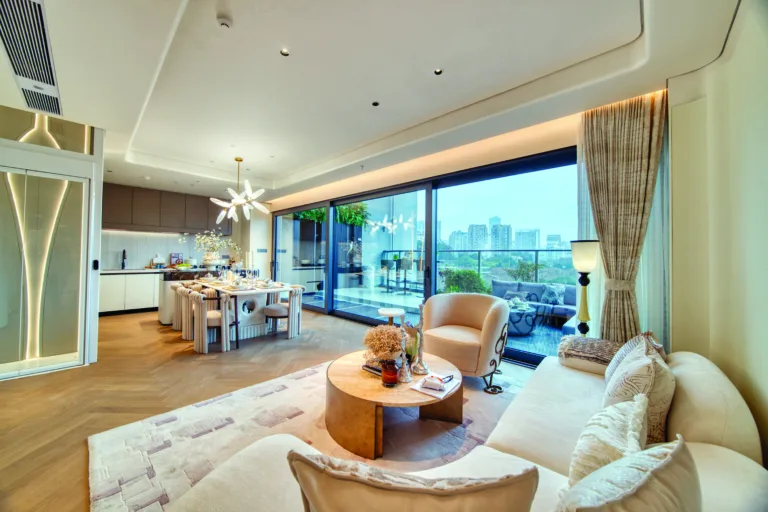
Our involvement continues through fabrication and installation, with design intent reviews and on-site technical support. This cradle-to-completion accountability assures architects and developers that what is specified is precisely what is delivered, which is the true mark of a premium partner.
Even A Well-Designed Window Can Underperform If Installed Improperly. What Can The Industry Do To Improve Installation Quality And Ensure Better Long-Term Performance?
Installation is the most under-appreciated variable in façade performance. Even a superbly engineered system will leak, rattle or lose thermal efficiency if reveals are out of tolerance, perimeter sealing is inadequate, or fixings are poorly specified.
The industry must treat installation as a discipline in its own right. That means formal training and certification for installers, documented method statements, and clear interface detailing between the window and the structure, including backer rod, sealants, tapes and movement joints. Tolerances must be coordinated with civil works before fabrication begins, and site inspections, along with water-spray and air leakage testing, should become routine on premium projects.
Clients, too, must value workmanship over the lowest bid. At AluK, we address this through precise installation guidelines, detailed interface drawings and hands-on training, so that the performance engineered into the system is preserved on site.
How Does AluK Support Its Partners, Including Architects, Fabricators And Developers, In Understanding And Using Its Systems Effectively?
For us, a system is only as good as the ecosystem that realises it. Architects receive early technical consultation, Continuing Professional Development (CPD) sessions, BIM-ready and CAD detail libraries, and access to our academy and experience centres, where they can evaluate operability, hardware quality and finishes at full scale.
Developers benefit from performance advisory, value-engineering support and coordinated project delivery, balancing aesthetics, compliance and lifecycle cost. Our fabricators are our closest allies.
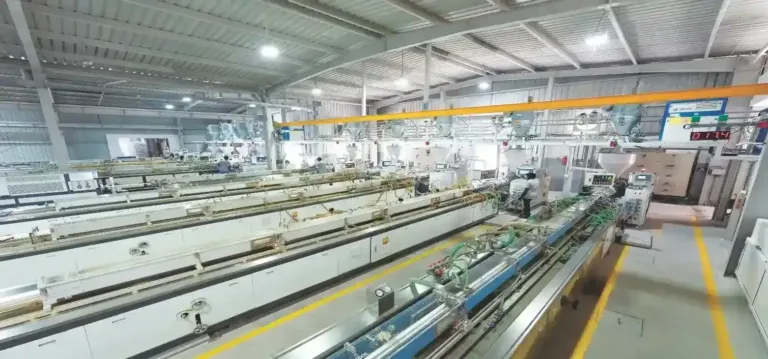
We equip them with comprehensive fabrication manuals, training on cutting, machining, assembly and glazing, tooling guidance and responsive on-site technical support. A rigorous approach to fabrication quality is a non-negotiable part of the AluK promise.
This end-to-end enablement transforms AluK from a system supplier into a long-term technical partner, and it is a key reason our brand is trusted on India’s most discerning projects.
Sustainability Is Becoming An Important Part Of Building Design. What Role Can Aluminium Windows And Doors Play In Making Buildings More Energy-Efficient And Sustainable?
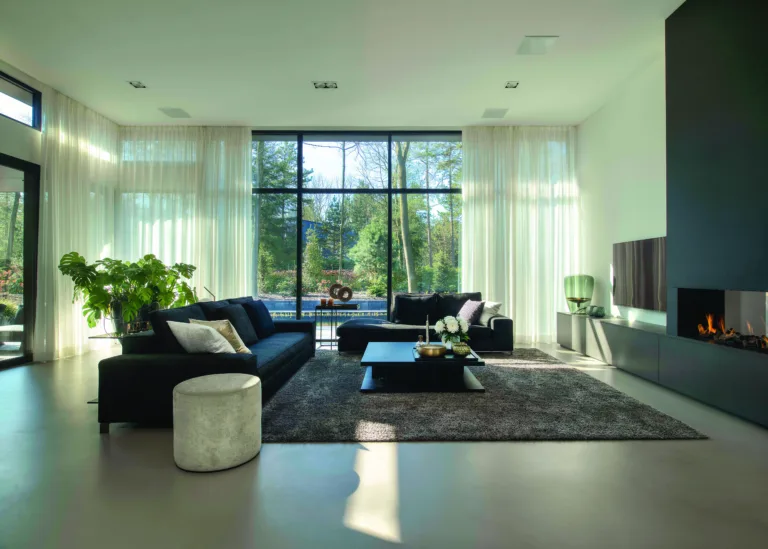
The fenestration envelope is one of the most influential determinants of a building’s operational energy. Thermally broken aluminium systems paired with low-emissivity, solar-control or insulated glazing reduce heat gain, lower cooling loads and optimise daylight autonomy, thereby cutting dependence on mechanical cooling and artificial lighting. High air-tightness prevents uncontrolled infiltration and preserves HVAC efficiency.
Aluminium is also inherently sustainable: it is infinitely recyclable without degradation of its properties, and recycling requires only a fraction of the energy of primary production. Combined with exceptional durability and minimal maintenance, it delivers a markedly lower life-cycle carbon footprint.
As green building rating frameworks and energy conservation codes mature in India, specifying high-performance fenestration will become a strategic imperative. AluK’s engineering is aligned with this trajectory, enabling buildings that are beautiful, efficient and enduring.
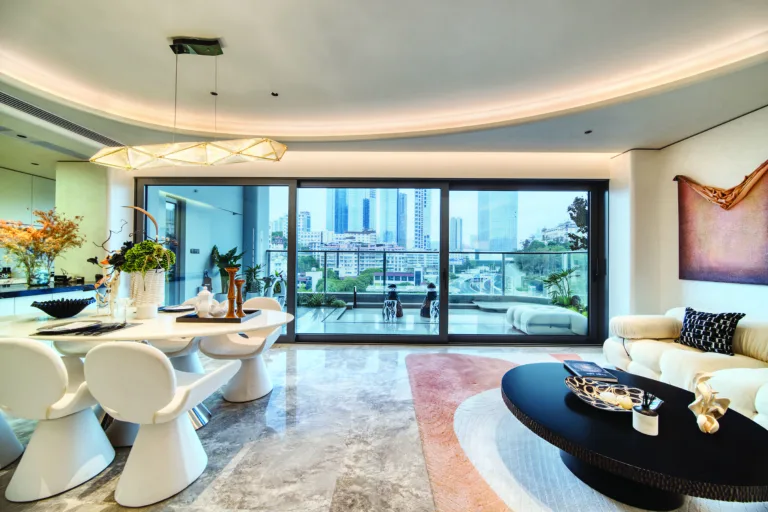
“Performance is a function of the whole assembly: profile, glazing specification, hardware and installation. We therefore guide clients on climate-responsive specification, not merely on product selection.” |
AluK Recently Announced A Strategic Collaboration With AIS Glasxperts. What Led To This Partnership, And How Do You See It Benefiting Customers And The Wider Fenestration Industry In India?
A fenestration system performs as an integrated assembly of high-performance engineering, profile, glazing and hardware. The collaboration with AIS Glasxperts, a leader in architectural glass, brings together two category-defining capabilities: AluK’s precision-engineered aluminium systems and AIS’s depth in high-performance glazing, including solar-control, low-E, acoustic and laminated solutions.
For customers, this means optimised frame-and-glass compatibility, predictable thermal and acoustic performance, and unified technical support. For architects, specification becomes more seamless, and ambitious large-format designs can be pursued with greater confidence.
For the industry, the partnership signals a decisive move towards performance-led, system-based fenestration, away from piecemeal sourcing. It elevates benchmarks for quality, accountability and innovation, and it reaffirms that the premium segment is built on collaboration among best-in-class specialists.
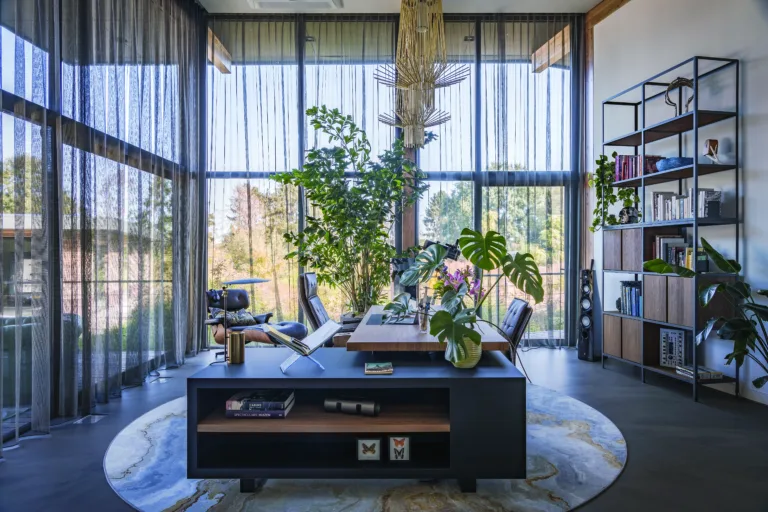
AluK India Recently Participated In The Raipur Design Debate, Where Technology And Tradition In Architecture Were Discussed. From Your Perspective, How Can Architects Bring These Two Aspects Together When Designing Buildings For The Future?
Vernacular architecture was, at its core, performance-driven design: deep courtyards, jaalis, shaded verandahs and cross-ventilation were all passive responses to climate. Technology lets us honour that intelligence while achieving what traditional materials couldn’t.
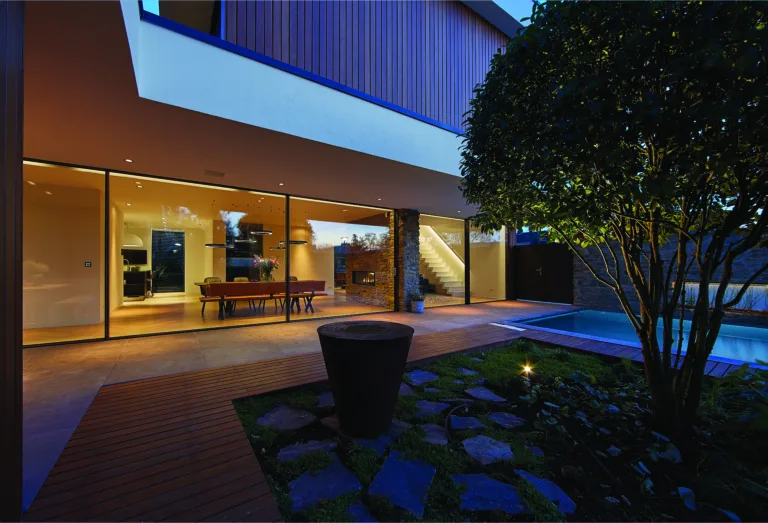
Today, advanced fenestration lets architects retain the warmth and proportion of heritage forms while introducing expansive glazing, thermal control, acoustic comfort and weather resistance. Slim sightlines and concealed frames allow the architecture to speak first, with technology receding into the background.
The most compelling buildings of the future will be contextual in spirit and contemporary in performance: rooted in material, climate and culture, yet engineered to modern standards of efficiency and longevity. At AluK, we see our role as enabling that synthesis, so that technology serves tradition rather than overwhelming it.