Post Date: November 25, 2026 |
Last Edited: November 25, 2026
Ultimately, Successful Projects Are Achieved By Finding The Right Balance Between Creativity, Performance, Manufacturability, And Buildability
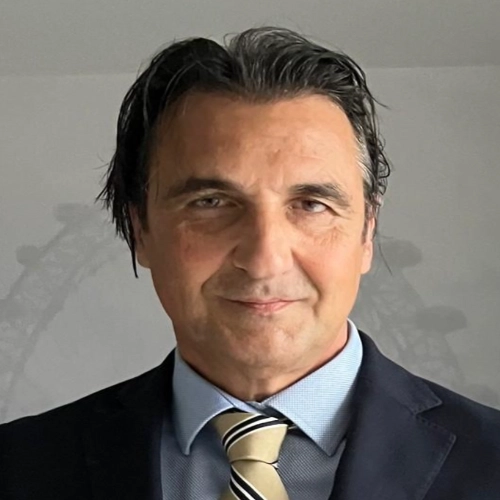
In conversation with Window & Façade Magazine, Simone Starnini, Sales Director at seele, discusses how engineering expertise, advanced fabrication and early collaboration are shaping the delivery of increasingly complex façades. Drawing on projects such as the Ellison Institute of Technology in Oxford and Whiteleys in London, he highlights the importance of balancing architectural ambition with technical feasibility, sustainability and buildability, while exploring how digital engineering and adaptive façade technologies are influencing the future of the industry.
Q. How Is Seele UK Contributing To The Advancement Of Façade Engineering In The UK Market?
Seele supports the realisation of highly ambitious architectural concepts, many of which originate from leading design practices based in the UK.
While projects are often delivered internationally, the underlying design ambitions are frequently driven by UK-based architects working at the forefront of façade design. Whether it is a private residence or the revitalisation of a large-scale commercial development, Seele is particularly engaged in projects that combine innovative design intent with high technical complexity. The more demanding the requirements, the more they reflect the company’s core strengths in engineering, fabrication and precision-driven execution.
Q. What Distinguishes Seele’s Approach To Delivering Complex Façade And Structural Glass Projects?
A defining aspect of seele’s approach is the close integration of engineering expertise and specialised manufacturing capabilities, supported by a strong, solution-driven “can-do” mindset across the organisation.
Every complex design intent is approached with the clear ambition of delivering unique architectural solutions. Materials are carefully studied and solutions developed by combining technical expertise with advanced manufacturing capabilities, constantly pushing the boundaries of structural and mechanical engineering to realise uncompromising and durable architecture.
At the same time, we see ourselves as a close partner to architects and engineering consultants. We understand that every detail matters. Our goal is to translate the architect’s vision into reality as precisely as possible, while also considering economic efficiency and buildability from the earliest stages onwards.
Key Highlights
|
Q. Could You Highlight A Recent UK Project That Best Showcases The Company’s Technical Expertise?
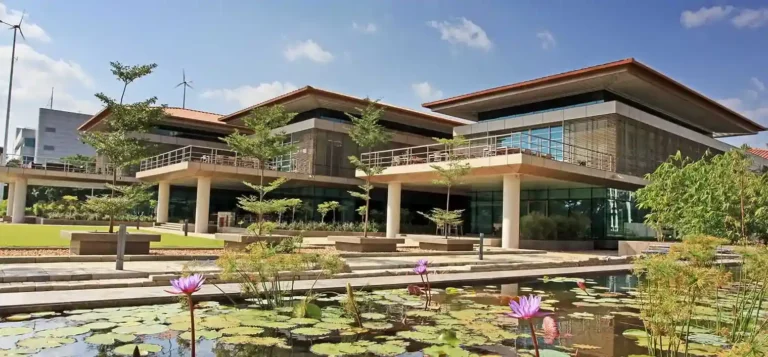
One recent UK project that clearly showcases our technical expertise is the Ellison Institute of Technology in Oxford. The project is exceptional due to its scale and complexity – projects of this magnitude are rare. It demonstrates our ability to deliver large-scale projects while maintaining the high-quality standards associated with seele. A particular highlight is the movable shading system, which follows the path of the sun and creates a truly dynamic façade concept.
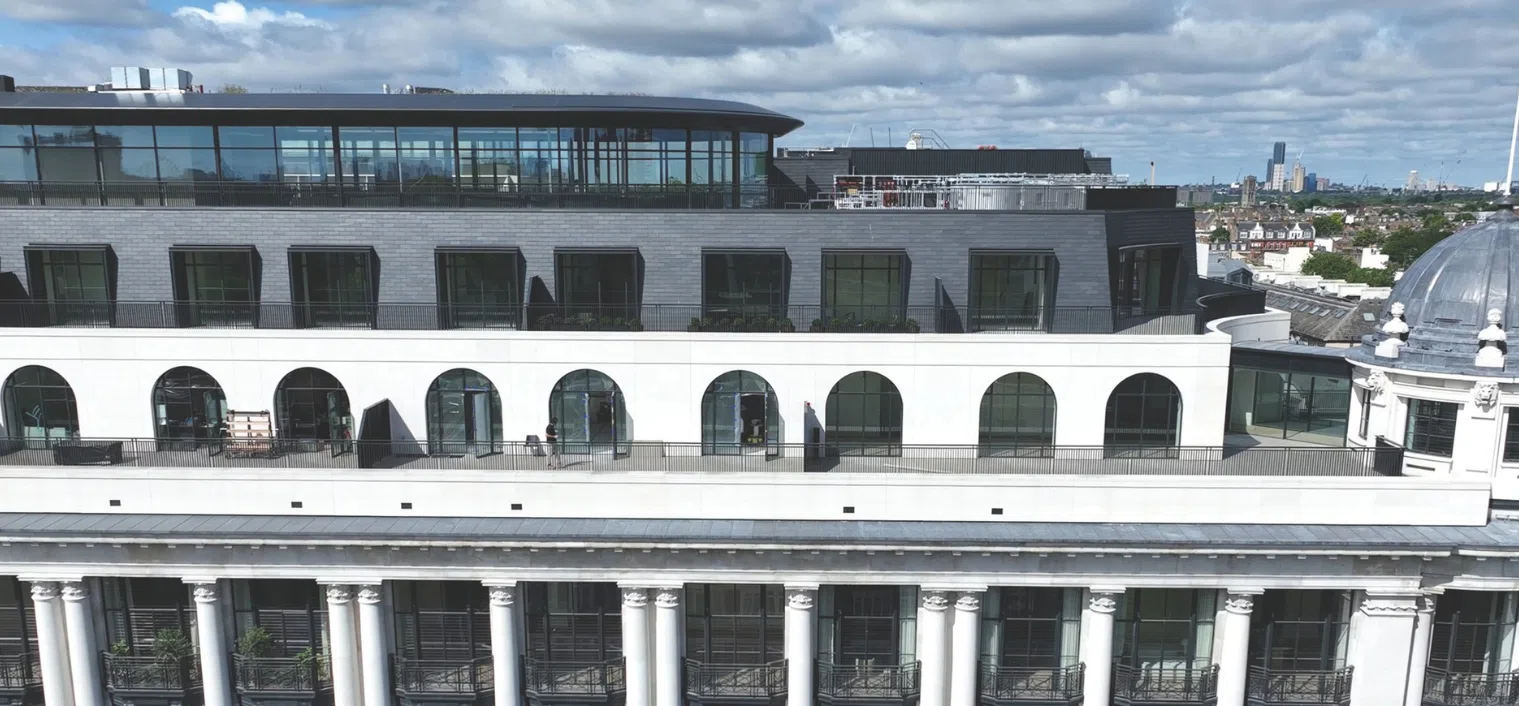
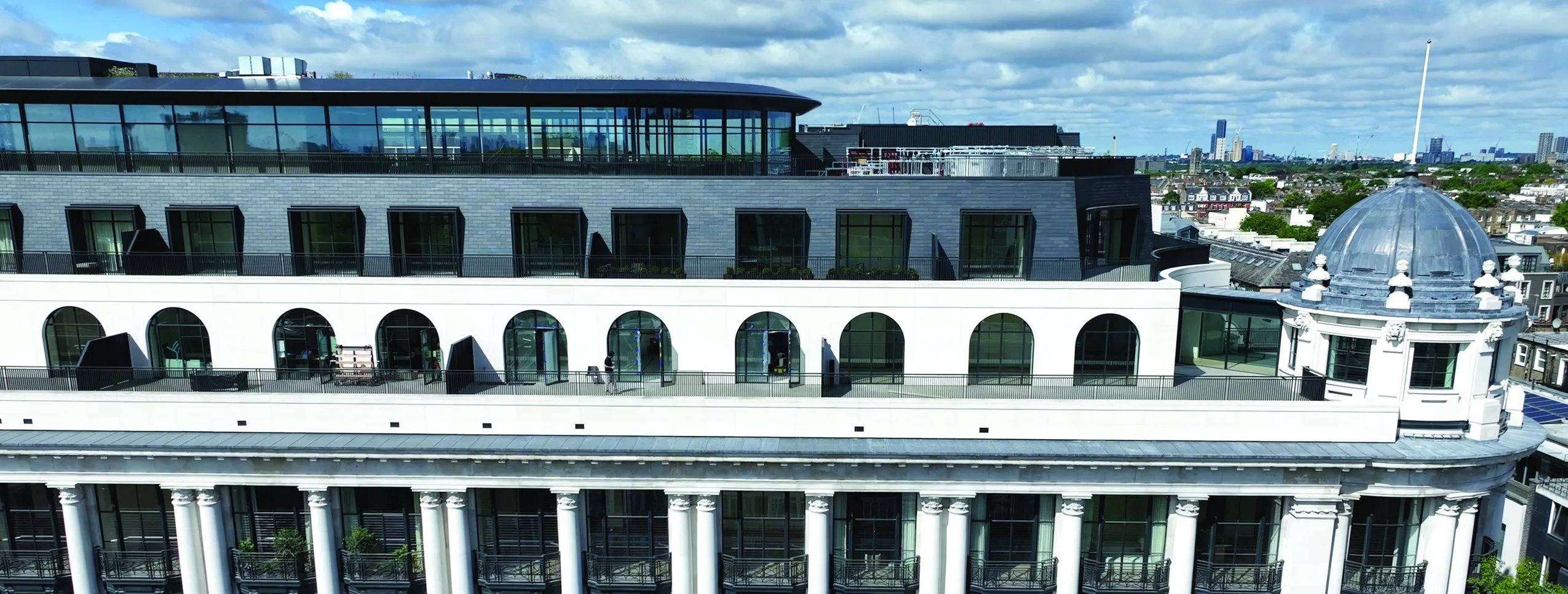
Another major project is Whiteleys in London, which involves the revitalisation of a historic existing building. Here, new construction meets existing structures – creating unique challenges, particularly in structural engineering and the integration of modern façade systems into a heritage context.
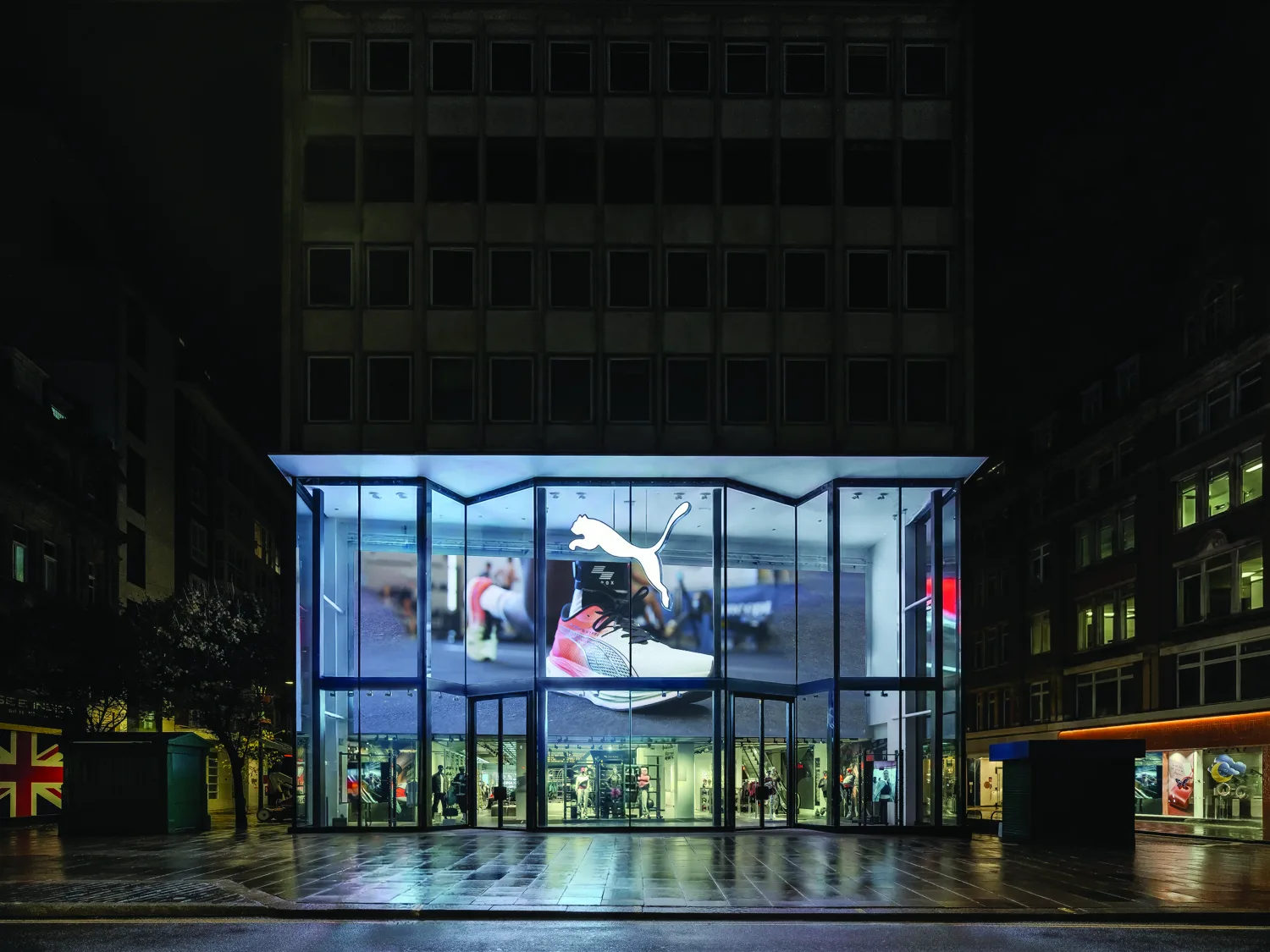
A completely different type of challenge was the Puma flagship store on Oxford Street. In the retail sector, projects are often defined by exclusivity and speed of execution. In this case, the prominent inner-city location also added significant logistical challenges for the installation team.
Every project is unique, bringing its own technical and architectural challenges – and overcoming these complexities is where seele becomes an essential part of the project’s success.
Q. What Are Some Of The Biggest Challenges In Executing Bespoke Façade Systems In The UK?
A number of challenges need to be addressed throughout all project stages – from feasibility and cost-efficiency to quality assurance and logistics. In the early phases, close collaboration and digital engineering are essential to translate ambitious architectural visions into buildable solutions.
Mock-ups, prototype testing and performance validation play a key role in ensuring technical reliability. During manufacturing and installation, precision, supply chain coordination and strict quality control are critical, particularly on complex projects in dense urban environments.
By working with long-term partners and experienced site teams and site supervisors, seele ensures consistently high standards from design through to final installation.
Q. How Does The Team Balance Architectural Ambition With Technical Feasibility During Project Execution?
Balancing architectural ambition with technical feasibility begins with early engagement and close collaboration across the entire project team. The earlier specialist façade expertise is involved in the design process, the greater the opportunity to transform ambitious concepts into practical, buildable, and high-performing solutions.
At seele, our extensive experience in delivering highly complex and bespoke façade systems allows us to support architects and consultants from the earliest design stages. Through a combination of engineering expertise, digital design tools, material knowledge, and fabrication capabilities, we help develop innovative concepts into technically feasible architectural landmarks without compromising the original design vision. Ultimately, successful projects are achieved by finding the right balance between creativity, performance, manufacturability, and buildability.
Q. How Early Does Seele UK Typically Become Involved In A Project, And Why Is That Stage Critical?
The routes to being involved in schemes are diverse and vary from project to project. We prefer early engagement with the design team, as it would normally allow us to support the design development with specialist input to achieve feasible and affordable architectural solutions.
The earlier the collaboration begins, the greater the opportunity to create façades that are not only technically reliable, but also architecturally expressive and highly responsive to user needs and environmental conditions.
Q. How Does Collaboration With Architects And Consultants Influence The Success Of Your Projects?
Successful façade projects are always the result of close collaboration between architects, consultants, contractors, and specialist suppliers. At seele, our role is to translate ambitious architectural visions into technically robust and high-performing façade solutions while maintaining the original design intent.
The development process is highly collaborative and iterative, particularly during the transition from early concepts to detailed construction solutions. It requires open communication, technical transparency, and a strong level of mutual trust across the wider project team. This collaborative spirit is often one of the most rewarding aspects of our industry. In many cases, the professional relationships built during challenging projects continue well beyond project completion, evolving into long-term partnerships and personal friendships across the industry.
Q. What Role Do Digital Engineering And Advanced Fabrication Technologies Play In Your Project Delivery?
Digital engineering and advanced fabrication technologies play a central role in the successful delivery of today’s increasingly complex façade systems. They enable a fully integrated workflow – from concept design and engineering through to manufacturing and installation.
At Seele, we utilise advanced 3D modelling, BIM co-ordination, and parametric design tools to manage complex geometries with a very high level of precision. These technologies allow us to optimise interfaces, improve collaboration across disciplines, and identify potential challenges at an early stage of the project. This is especially critical for bespoke and movable façades, where tolerances, kinematics, and performance requirements are exceptionally demanding.
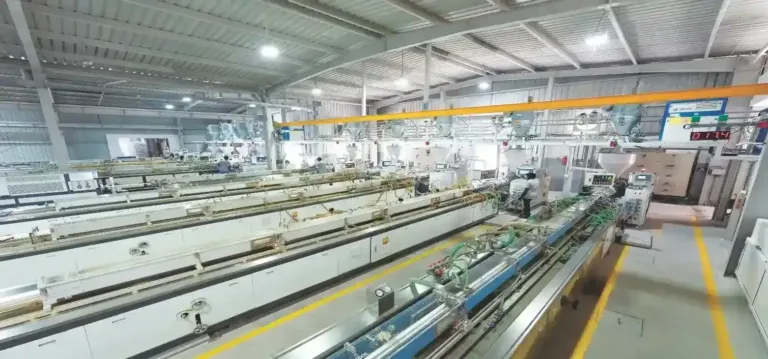
Advanced CNC-based fabrication technologies then ensure that these digitally engineered solutions can be translated into highly accurate, high-quality components, supporting efficient production, reliable installation, and overall project excellence.
Q. How Is Seele UK Addressing Growing Demands For Sustainability And High-Performance Façades?
Seele responds to increasing sustainability and performance requirements through a combination of advanced engineering, digital workflows, and lifecycle-oriented design.
A central priority is resource efficiency: minimising material use, optimising façade performance, and ensuring durability and recyclability. Digital engineering tools and CO2 assessment methods enable early-stage evaluation and optimisation of façade concepts, improving energy efficiency while reducing embodied carbon.
High-performance systems – including adaptive shading and movable façades – enhance daylight use, solar control, natural ventilation, and overall occupant comfort. By integrating expertise in engineering, manufacturing, and automation, seele delivers intelligent building envelopes that balance sustainability, functionality, and architectural excellence.
Q. What Emerging Trends Are Shaping The Future Of Façade Design And Engineering In The UK?
Emerging trends in the UK façade sector include increasingly complex free-form geometries, maximum transparency, oversized, curved and movable glass elements, as well as intelligent adaptive façades that respond to environmental conditions – all combined with highly ambitious performance requirements in terms of sustainability, energy efficiency, and buildability. These expectations constantly push façade engineering and design capabilities to new limits on every project. At the same time, advances in digital design tools, materials, manufacturing technologies, and engineering software are enabling us to explore innovative concepts and deliver solutions that would have been unimaginable only a few decades ago. The future of façade design will increasingly be defined by the balance between architectural ambition, technical performance, and environmental responsibility.
Q. What Is Your Vision For The Future Growth Of Seele UK And Its Role In The Global Façade Industry?
Over the last 40 years, Seele has built a reputation for being able to deliver uncompromising architecture to the utmost quality. Our target for the future and our role in the industry would therefore be to continue delivering sustainable architectural envelopes with the innovative technologies and engineering excellence that make the Seele brand recognisable in projects we deliver around the globe.