
Post Date: January 20, 2026 |
Last Edited: January 20, 2026
Q. Can You Briefly Share The Vision Behind Founding Ostraca And How The Practice Has Evolved Over The Years?
Ostraca was founded on a simple yet deeply personal belief—that design has the power to touch lives. In our own humble way, we aspired to create spaces that move beyond function and efficiency, spaces that people can emotionally connect with. Over the years, the practice has grown in scale and complexity; however, the core intent remains intact: to create meaningful architecture rooted in empathy, responsibility, and purpose.
Q. What Core Values Define Ostraca’s Approach To Architecture And Project Delivery?
Innovation, efficiency, and sustainability form the foundation of our design philosophy, supported by exceptional client service, design excellence, and strong ethical practice. These values are not merely aspirational statements – they actively guide every decision, from the first sketch through to final handover.

Q. How Would You Describe Ostraca’s Design Identity In Today’s Architectural Landscape?
Our design identity is inherently user-centric. We work closely with corporates to create workspaces that respond to evolving workplace cultures, prioritising employee well-being, collaboration, flexibility, and productivity. We view architecture as an enabler, shaping environments that attract talent, foster innovation, and support long-term organisational growth.
“Architecture, for us, is rooted in empathy – where façades respond to context, spaces serve people, and every decision carries responsibility towards the environment and the future” |
Q. How Do Site Conditions And Surroundings Shape Your Design Decisions For Façades?
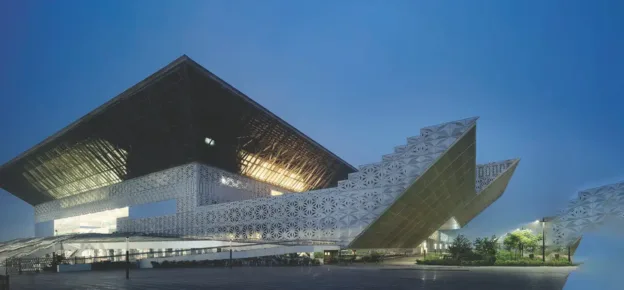
Architecture is inseparable from its context. Climate, culture, and surroundings fundamentally influence every façade decision we make. For us, a façade is not an applied skin; it is a thoughtful response to place, environment, and the way a building exists within its setting.
Q. What Are The Most Common Challenges You Face During Project Execution, And How Do You Overcome Them?
Architecture is a collaborative endeavour involving clients, architects, PMCs, contractors, and specialised consultants. The architect’s role is to ensure these moving parts function like well-aligned gears. Our responsibility is to hold the larger vision and guide the process so that the final outcome is one every stakeholder feels proud to be part of.
Challenges do arise—whether related to resource availability across geographies or aligning all stakeholders with the design intent. It is here that belief and passion become vital. Passion for one’s work is contagious; it builds trust, strengthens collaboration, and often becomes the quiet force that carries a project through complexity to a meaningful, well-resolved conclusion.
Q. Could You Please Talk About Some Of Your Milestone Projects And Their Façade Design?
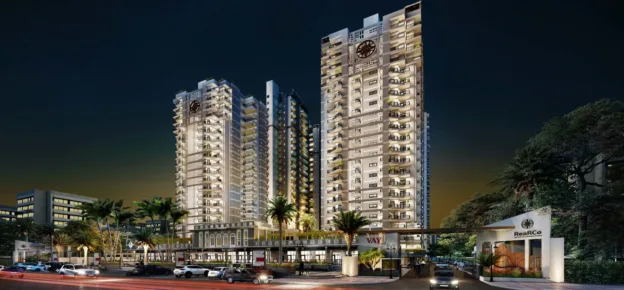
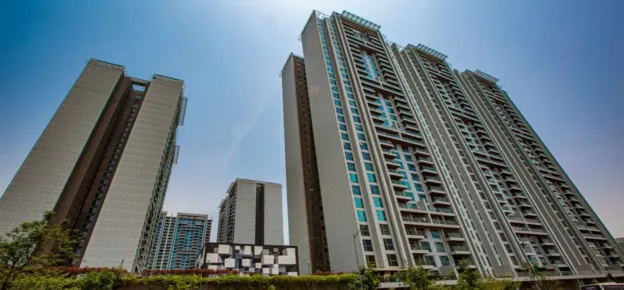
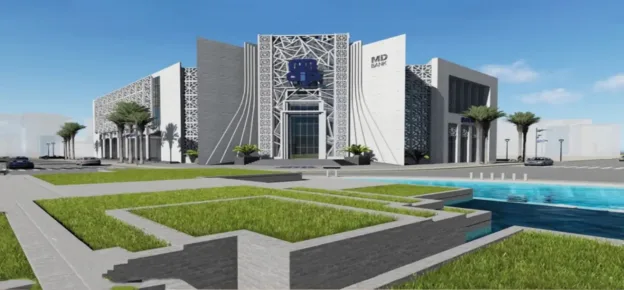
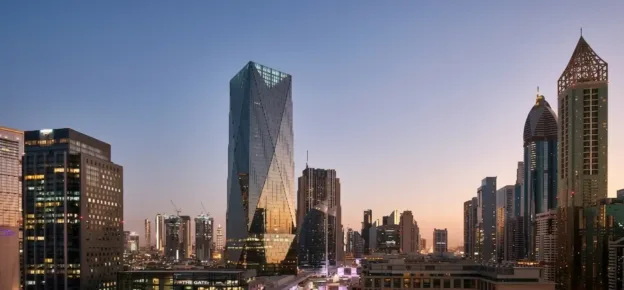
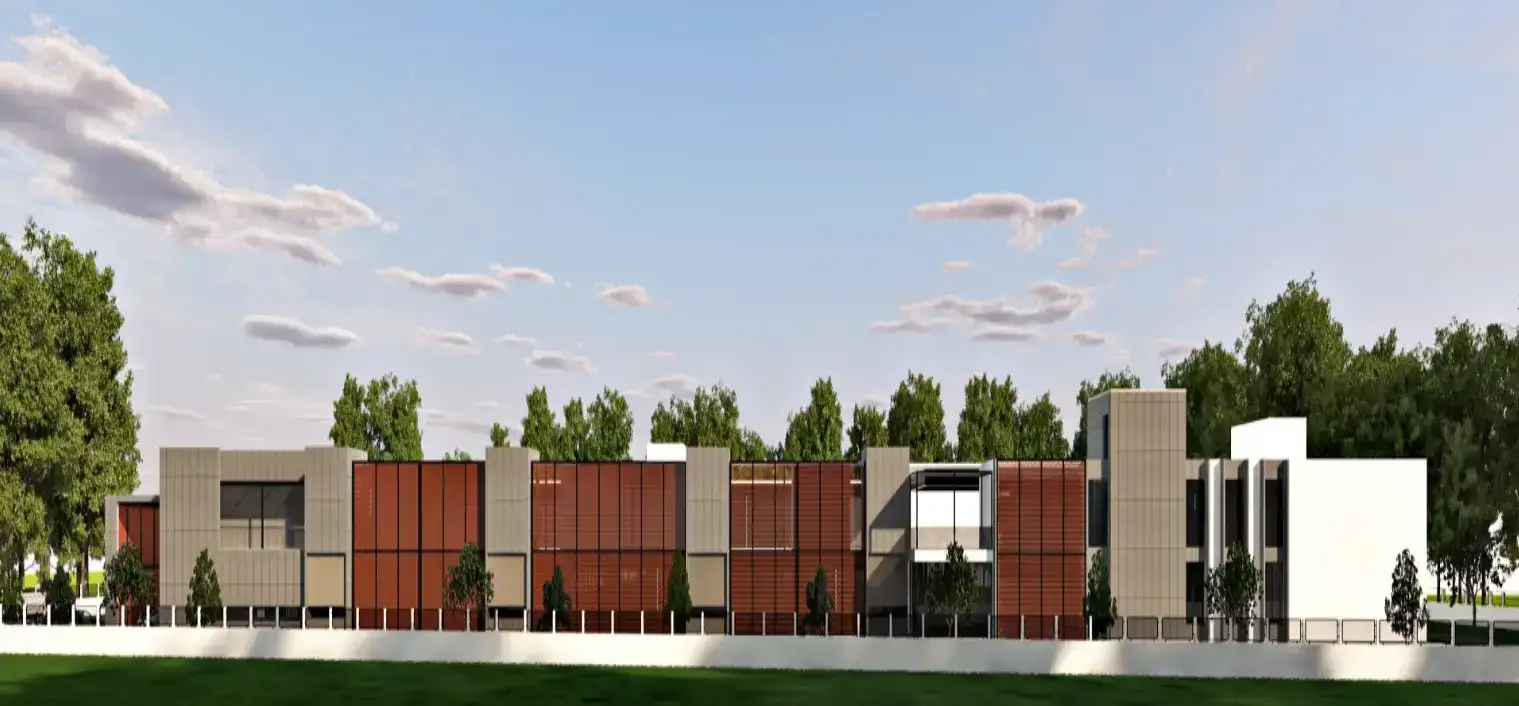
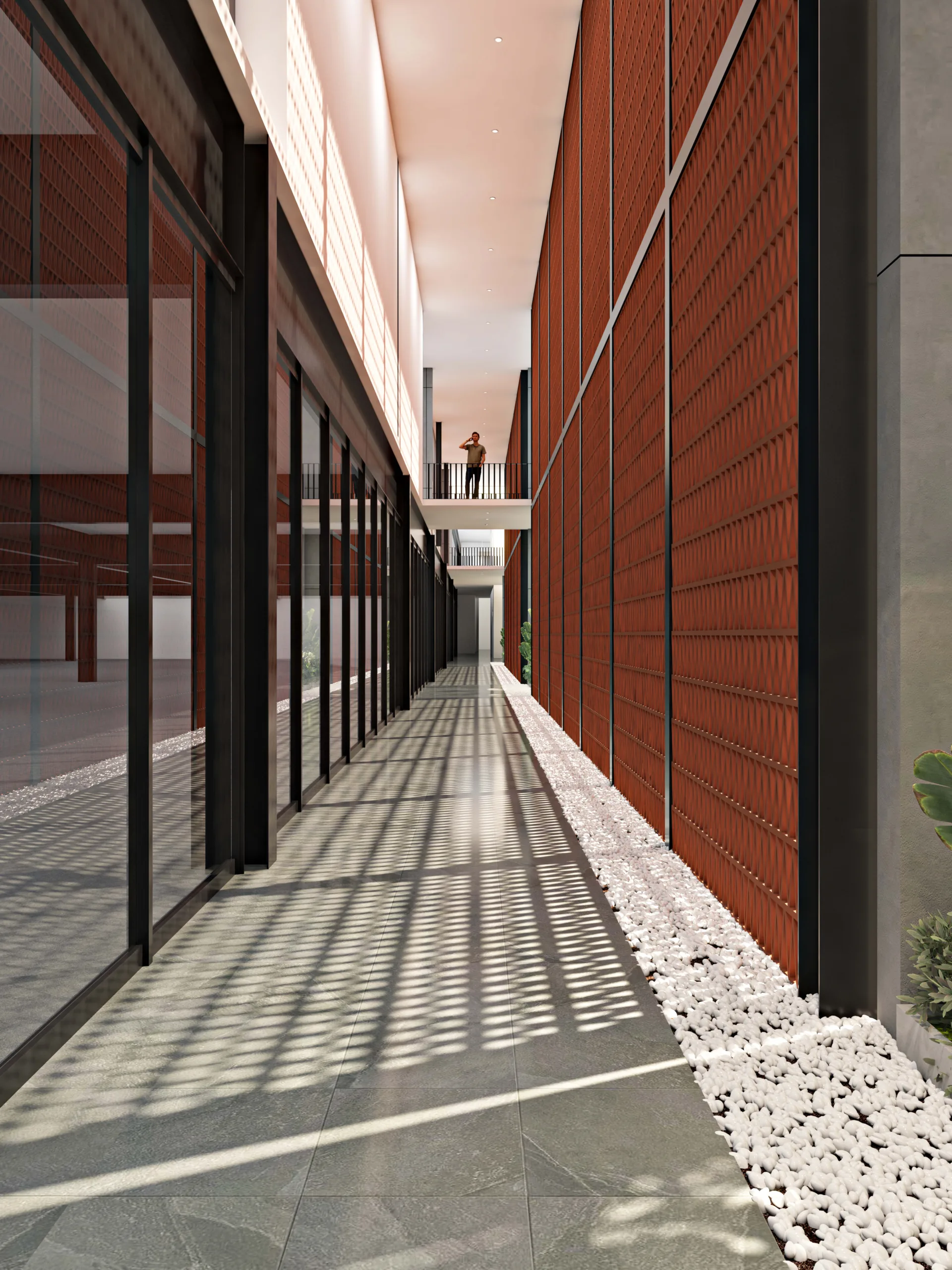
We are currently working on a couple of flagship projects—one in Bangalore and another in Indore—each employing a distinctly different façade system. The contexts, climates, budgets, and design aspirations vary considerably. One project features a more elaborate façade with rich detailing, while the other adopts a refined, optimised approach. Yet, both are designed to express the essence of the same corporate identity we are building.
Q. How Do You Ensure Consistency Between Conceptual Design And Executed Façades On Site?
The key lies in alignment. With every sub-consultant, we invest significant time ensuring clarity of design intent. From labourers on site to engineers and specialised consultants, everyone must believe in the same shared vision—to create a meaningful piece of architecture.
We clearly define which elements are non-negotiable and where flexibility is permissible. This clarity forms the backbone of design development, allowing the project to evolve without ever losing the soul of the original concept.
Q. How Does Your Team Collaborate With Façade Consultants, Engineers, And Contractors During Project Execution?
Every detail is closely scrutinised. While façade consultants focus on performance and systems, our team continuously evaluates the impact on interior spaces, cost, materiality, and overall visual character. Mock-ups are conducted at multiple stages, and each phase is carefully monitored to ensure the executed façade faithfully reflects the original design intent.
Q. How Do You See The Role Of Architects Changing In Shaping Better, More Responsible Building Envelopes?
Architects are both the beginning and the end of a project. Every building we design is akin to a child we nurture—the way it performs, ages, and sustains itself is shaped by the principles established at the design stage. Today, architects bear a greater responsibility to create envelopes that are environmentally sensitive, culturally relevant, and future-ready.
Q. What Advice Would You Give Young Architects Looking To Build A Design-Driven Practice Today?
Design must always remain at the heart of any architectural practice. Designing with responsibility and purpose is essential. Set clear design objectives from the outset, pay close attention to detail, and remain true to your intent. When a building is crafted with genuine passion and care, it shows—quietly, yet unmistakably.