
Post Date: January 22, 2026 |
Last Edited: January 22, 2026
A city’s growth is primarily measured by its economic condition and the opportunities it offers for living. The urban identity of a city is defined by its culture, climate, and social makeup, enabling evolution and sustainable transformation over time.
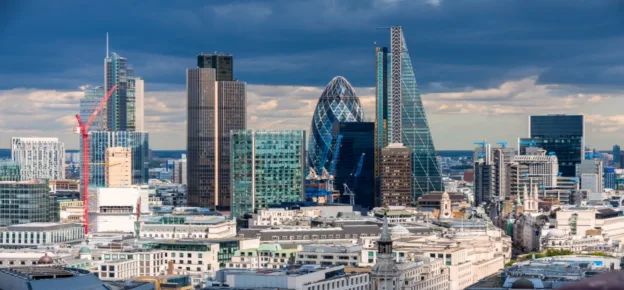
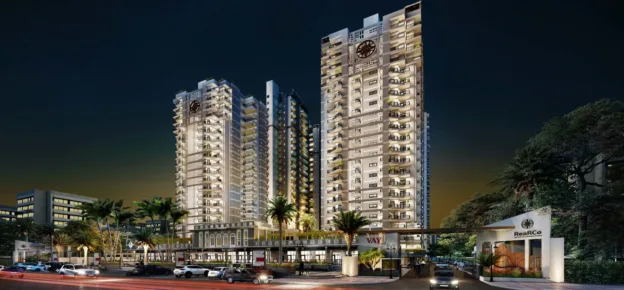
As we travel across a city, the perception formed stems from both the open and built environment, their interplay, or, in some cases, the segregated model of urban planning. Most Indian cities with rapid growth potential—and those already highly developed—offer a spectacle of building façades that may or may not appropriately relate to their surroundings or internal functions.
This article examines what the façade entails, along with the direct and indirect consequences of its impact.
From an architectural perspective, the façade embodies three intertwined aspirations: Functionality, Aesthetics & Visual Experience, and Social Responsibility.
Functionality: Performance Beyond The Envelope
A high-performance façade serves as a climatic interface. Thermal comfort depends on insulation, glazing ratios, shading devices, and orientation. Poorly calibrated façades can drive indoor temperatures outside the 20–26°C comfort range, increasing reliance on HVAC systems and energy use.
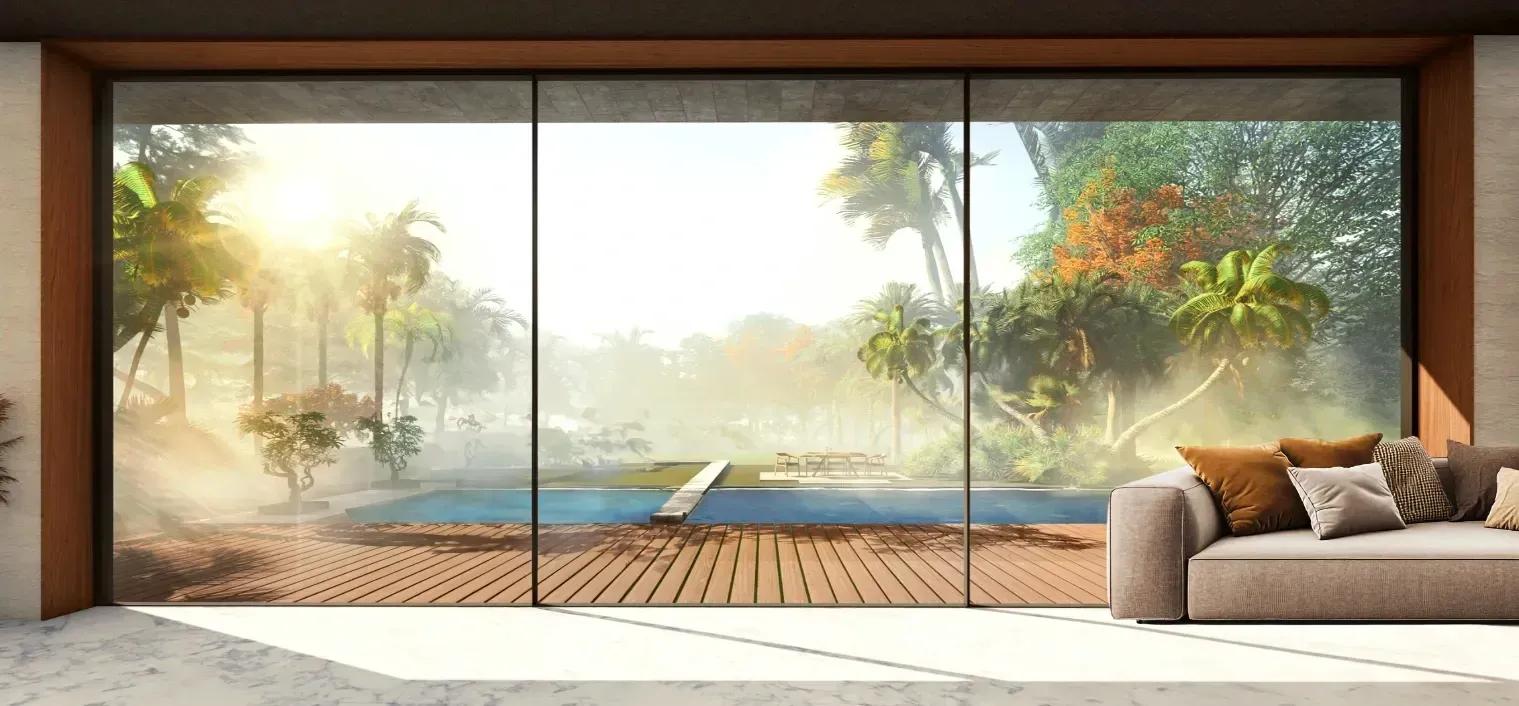
Visual comfort is equally vital. Daylight penetration, glare control, and solar shading influence circadian rhythms, visual fatigue, and productivity.
Acoustic Insulation – achieved through double-skin façades, high-performance cladding, or porous materials – ensures that urban noise does not penetrate interiors, while operable elements and natural ventilation strategies maintain indoor air quality, crucial for occupant health. Cognitive–sensory design in façades refers to the light, insulation, and noise infiltration that affect inhabitants on a day-to-day basis.
Adequate daylight has been shown to improve alertness, reaction time, working memory, and overall cognitive performance. A façade is a cognitive and sensory stimulus; careful modulation of rhythm, proportion, and depth is essential for comfort and perception.
Workers in naturally lit offices show 18% higher cognitive performance and up to a 25% improvement in short-term memory. A 2017 study in Sleep Health demonstrated that employees exposed to greater natural light obtained 46 minutes more sleep per night, enhancing daytime alertness and executive function.
Poorly insulated façades allow heat fluctuations that elevate physiological stress, triggering the hypothalamic–pituitary–adrenal (HPA) axis, subsequently impairing concentration and decision-making.
Noise infiltration is governed largely by façade quality. Inadequate acoustic insulation exposes occupants to environmental noise from traffic, aircraft, and urban activity—stimuli known to impair cognitive function. World Health Organisation data shows that noise above 50 dB can disrupt attention, concentration, and memory. In educational settings, students near noisy façades have demonstrated up to 20% lower reading comprehension, highlighting the cognitive system’s sensitivity to auditory disturbance. High-performance façades with proper sound attenuation are therefore essential to maintaining cognitive resilience in noisy urban environments.
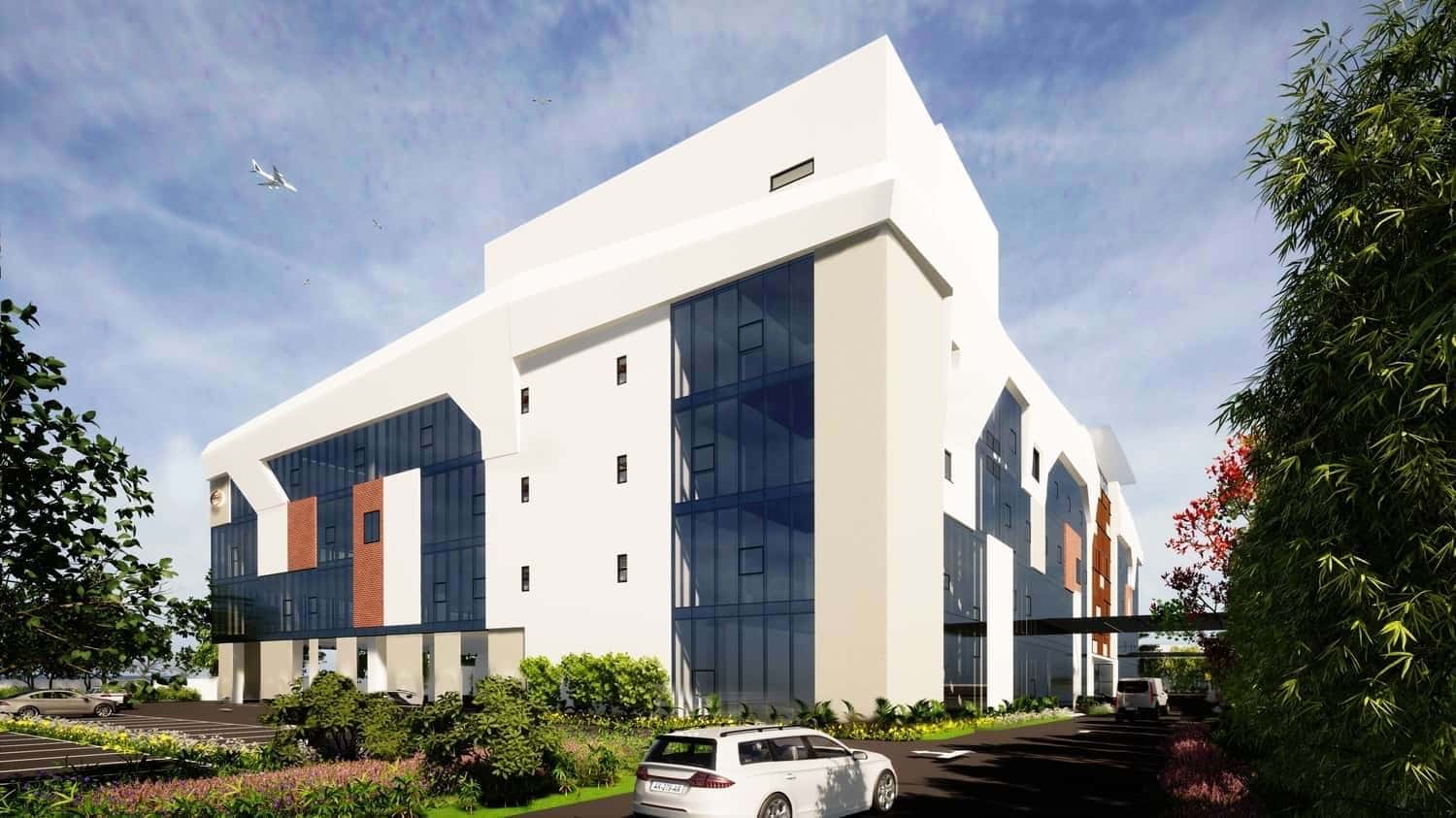
Psychological Well-Being: The Façade As An Aesthetic Experience
Façades are not merely functional-they are psychological instruments. People respond intuitively to human-scaled modules, proportional openings, materiality, texture, and articulation. Operable shading devices and windows allow personal control, improving satisfaction and productivity.
Empirical studies show that workers with access to outdoor views experience lower stress, higher creativity, and reduced mental fatigue compared to those in windowless spaces. Even small window apertures can reduce stress biomarkers such as cortisol levels and heart rate.
Social Responsibility And Urban Context
Façades have always been more than architectural boundaries-they are symbolic carriers of culture, climate-responsive devices, and interfaces shaping human experience. In India, a land of climatic diversity, layered history, and rich material traditions, façades hold particularly deep cultural and environmental significance. Their evolution—from temple exteriors and Mughal jalis to contemporary glass towers—illustrates how architecture communicates values, identity, and a relationship with nature.
Today, as cities expand rapidly and climate pressures intensify, facade design is central not only to aesthetics but also to sustainability, well-being, and cultural continuity.
Rapid “glass-box” architecture risks erasing regional identity and increasing energy consumption. There is a growing need to:
- Reintegrate traditional elements such as jalis, courtyards, verandahs, and chajjas;
- Use local materials and crafts.
- Reflect cultural aesthetics that resonate with Indian communities.
Façade design becomes a medium to honour cultural memory while addressing contemporary needs. It responds to the site, the urban fabric, and its contextual narrative.
Dynamic façades, such as the Fosun Foundation Theatre in Shanghai, demonstrate how architecture can be performative, contextual, and culturally resonant. In our cities, façades must do more than perform—they must activate streets, respond to climate, and convey identity. They are instruments of civic responsibility as much as architectural expression.
Examples such as Hawa Mahal (Jaipur), Chettinad mansions (Tamil Nadu), and Kerala’s timber dwellings illustrate traditional façade systems integrating vegetation, natural light, and airflow. These typologies show that biophilic façade design is not a recent import but an extension of indigenous architectural logic.
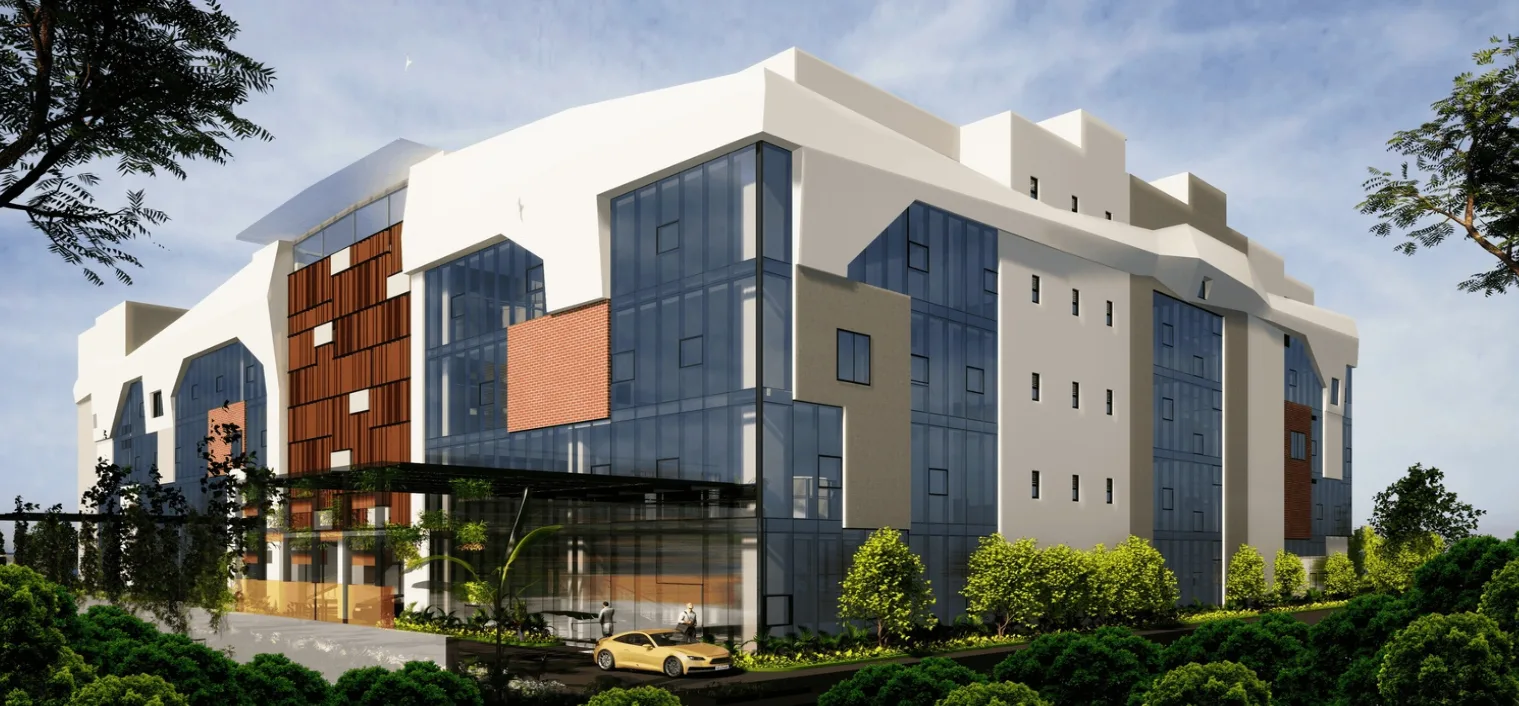
A Case Study In Responsive Façade Design
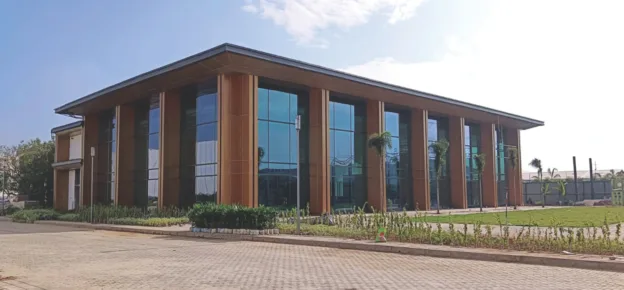
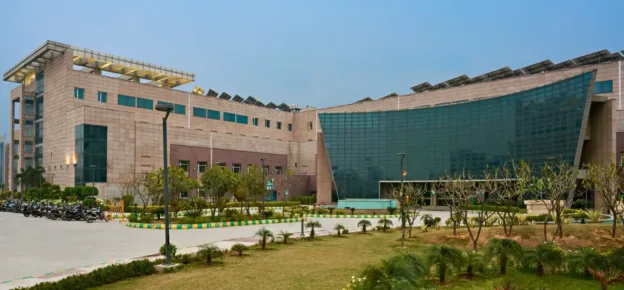
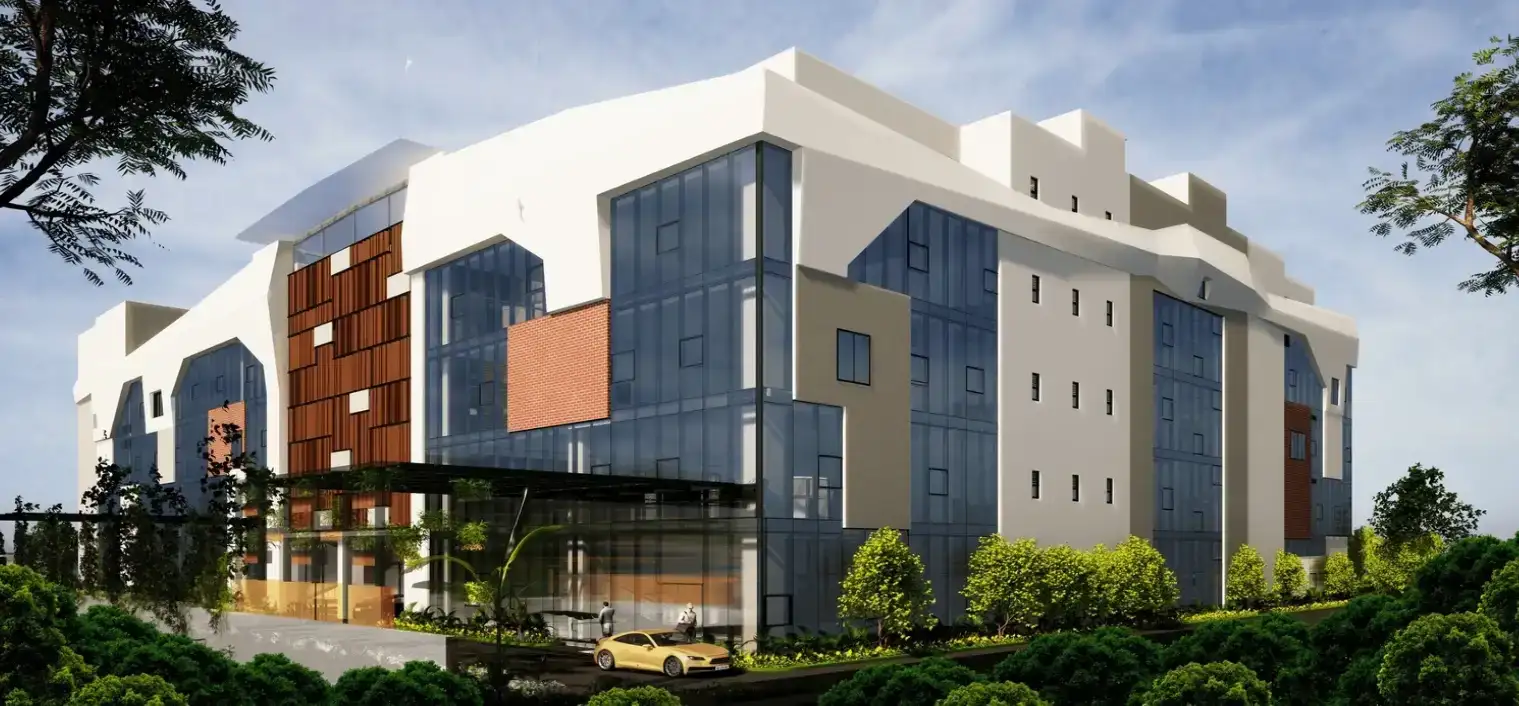
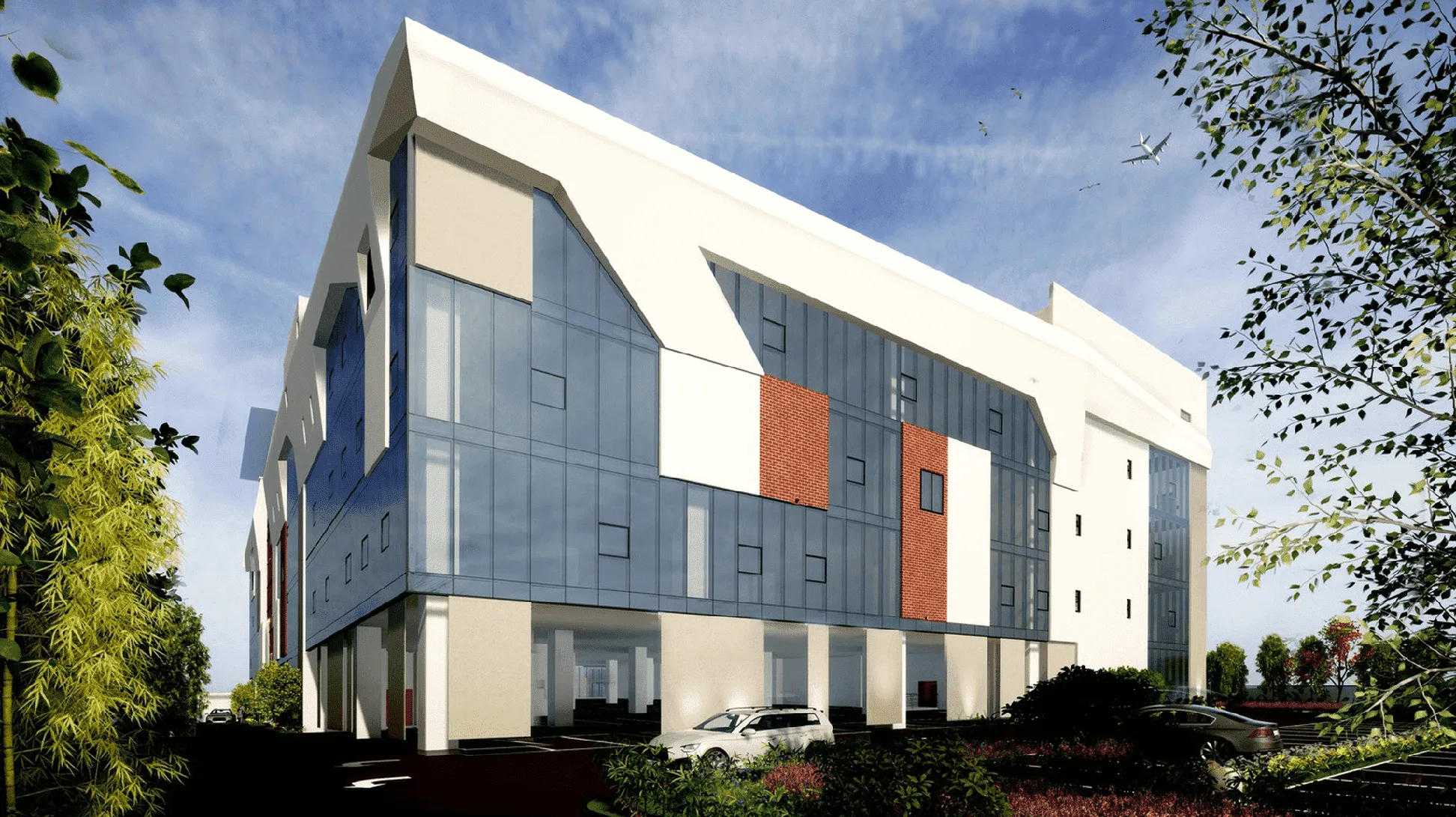
In our ongoing commercial project for a corporation, we explored a façade strategy balancing performance, sustainability, and human experience. Rather than relying solely on DGU glass to address heat gain, we designed vertical fins optimized through thermal simulations, offering shading while preserving daylight quality. White cement board panels serve both as aesthetic articulation and passive solar control.
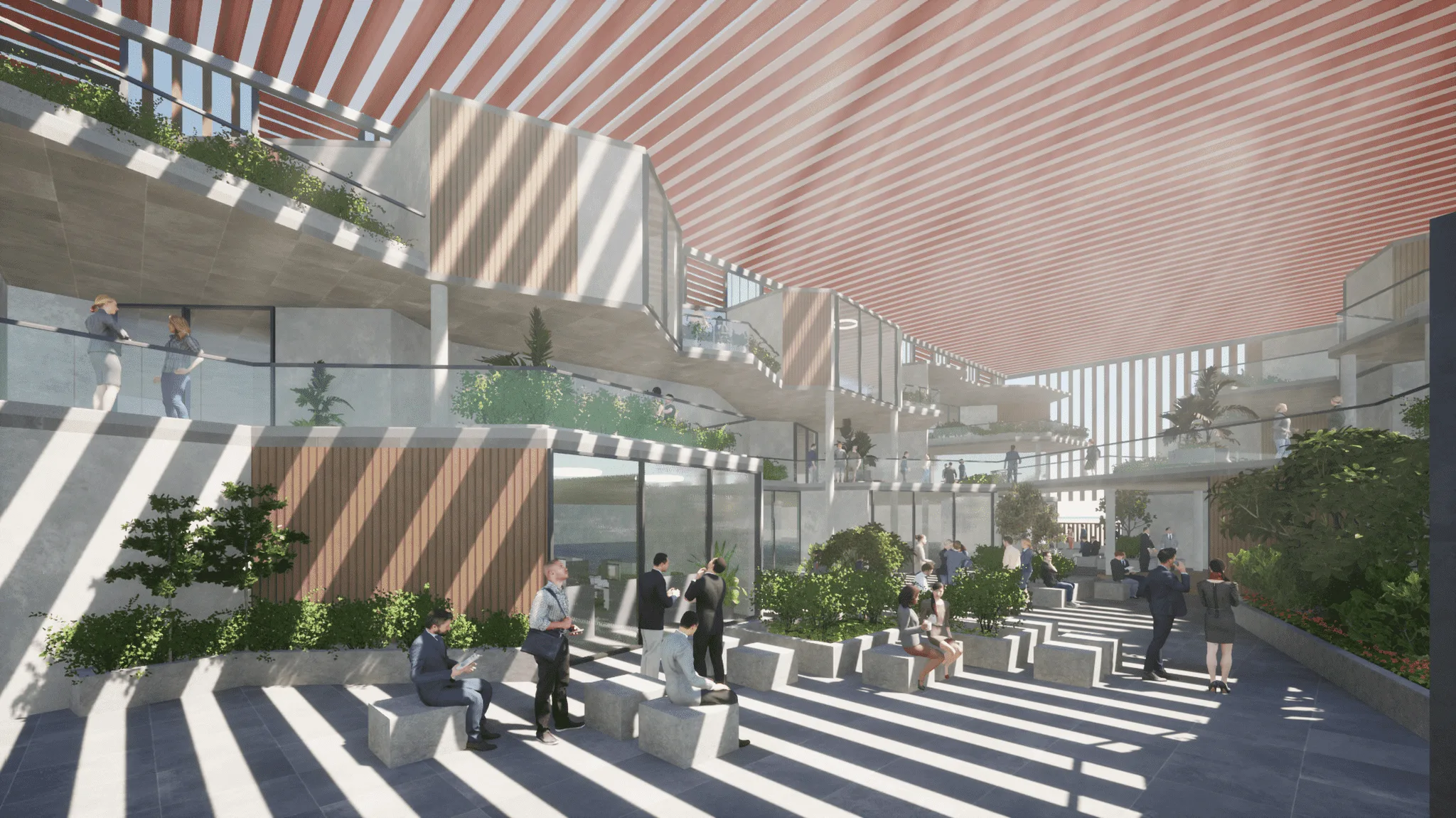
An internal street connects indoor and outdoor zones, enhancing cross-ventilation and promoting informal interaction as a spatial bridge between two building volumes. This façade demonstrates functional elegance, environmental sensitivity, and human-centred design.
Conclusion: Façades As Agents Of Change
The evidence is unambiguous: façades are active, performative elements shaping human experience, energy use, and urban life. They are visual instruments, climatic regulators, and psychological tools all at once. As cities grow denser and more complex, architects must create façades that go beyond enclosure—those that mediate the environment, respond to climate, enhance well-being, and express cultural identity.
A well-conceived façade is a quiet yet powerful agent of transformation. It can calm or stimulate, invite or repel, engage or exhaust. It is both a building’s voice and its body language. Designing façades with intention involves creating spaces that prioritize human experience, climate responsibility, and urban empathy.
Architecture is not merely shelter; it is a vessel shaping how we feel, move, and exist. And the façade is its most eloquent expression.
The future of architecture lies not in spectacle but in façades that heal, connect, and restore. Shaped with intelligence and empathy, they can become the quiet engines of a more humane urban world.