
Post Date: April 30, 2026 |
Last Edited: April 30, 2026
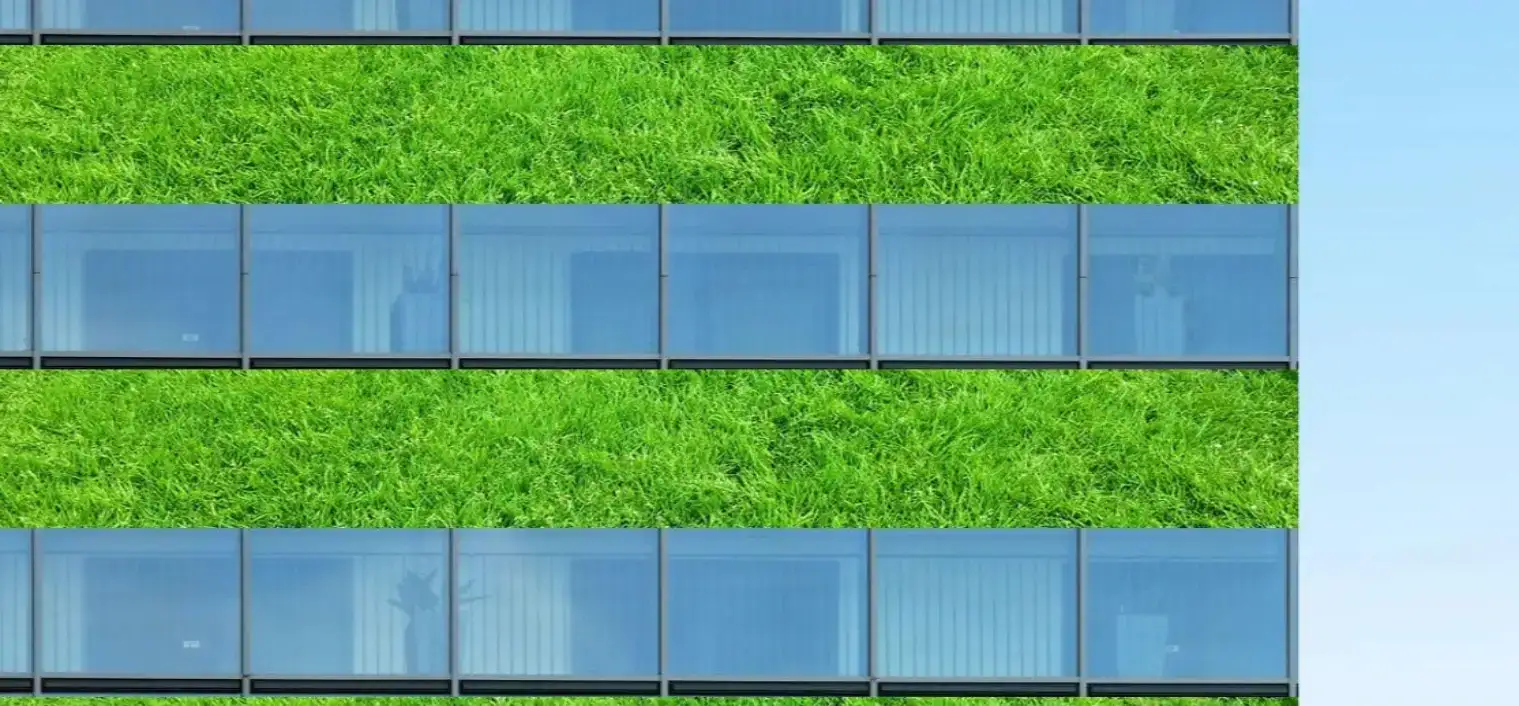
As cities continue to grow vertically, the demand for innovative solutions that merge functionality with sustainability has never been greater. One such solution gaining momentum across the world is the green facade.
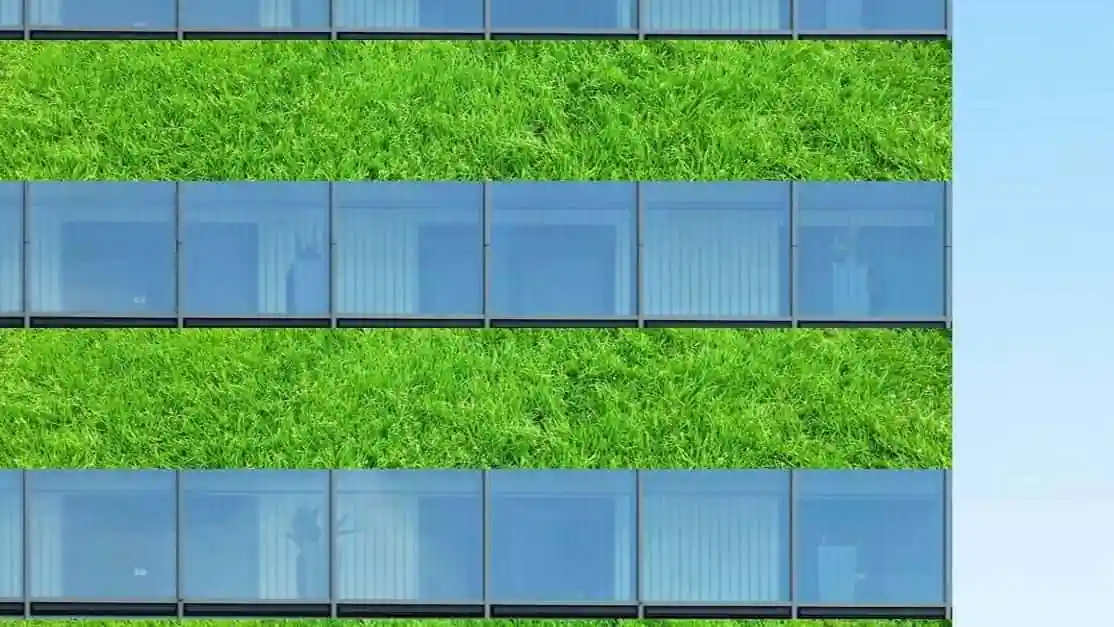
Green façades are not just an aesthetic choice—they are a strategic approach to urban sustainability. By integrating plants and greenery into building exteriors, they bring significant environmental, economic, and social benefits.
Why Green Facades Matter
- Space-Saving Sustainability: In dense urban areas where open green spaces are limited, vertical greenery transforms otherwise unused wall surfaces into living ecosystems.
- Improved Air Quality: Plants act as natural filters, reducing dust, pollutants, and CO2 levels, while enriching the air with oxygen.
- Energy Efficiency: Green façades act as insulation, lowering heat absorption in summer and reducing energy demand for cooling. This directly translates to cost savings and lower carbon footprints.
- Urban Heat Island Mitigation: By reducing surface and ambient temperatures, green façades contribute to creating cooler, healthier cities.
- Enhanced Wellbeing & Aesthetics: Studies show that greenery promotes mental wellbeing, reduces stress, and increases productivity. For buildings, it elevates design, creating a blend of technology and nature.
Beyond Aesthetics: A Problem-Solving Approach
Green façades solve real-world problems for developers, architects, and city planners:
- Limited land for landscaping.
- Rising energy costs.
- Increased demand for sustainable certifications (LEED, WELL, Estidama).
- Corporate ESG commitments to greener operations.
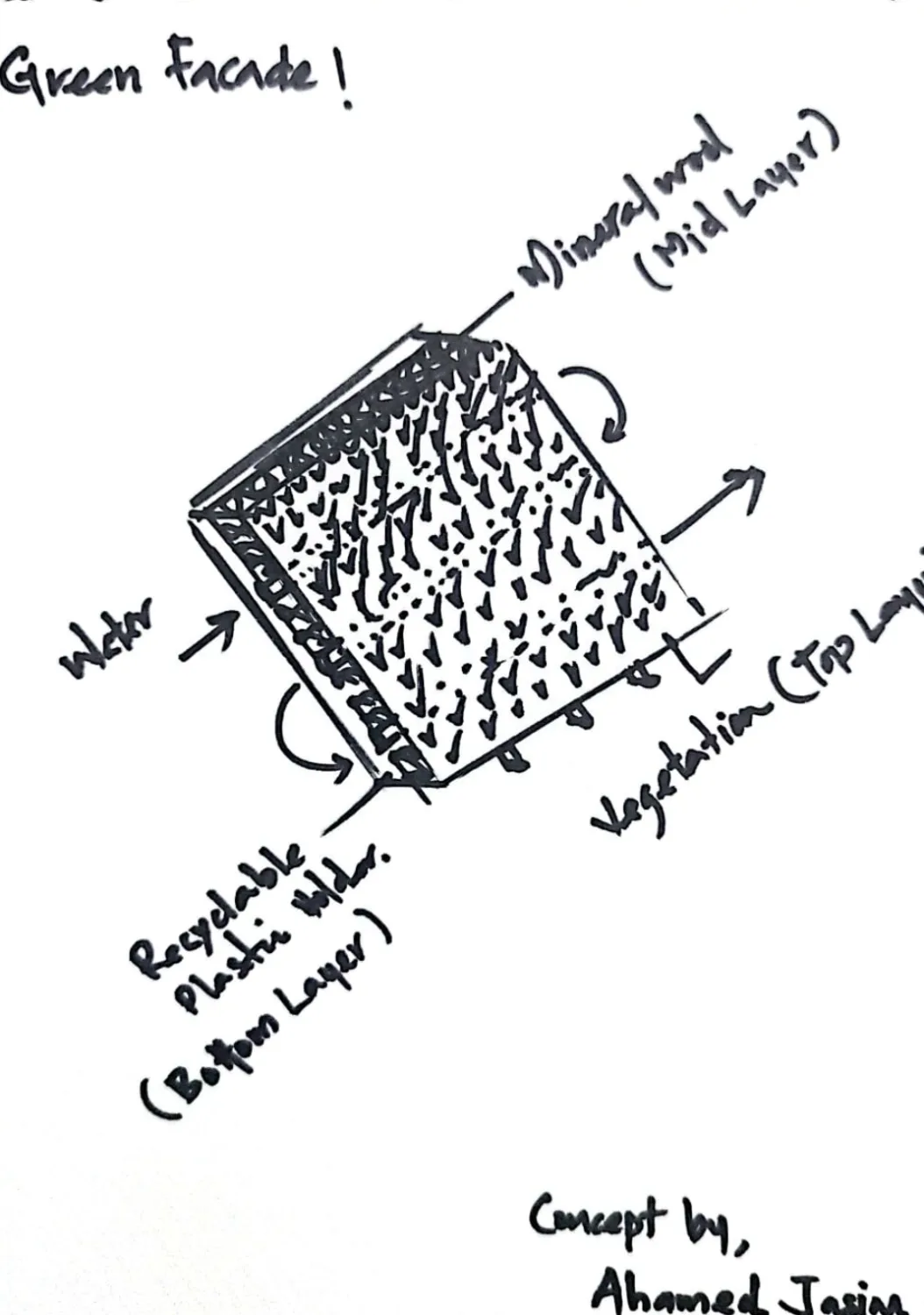
The demand for sustainable and climate-smart construction is reshaping how we design our cities. To meet this challenge, a 3-layer green facade system has been developed that combines engineering, sustainability, and smart resource management.
This solution is not just about aesthetics—it is about delivering energy efficiency, biodiversity, and water-smart innovation to urban projects.
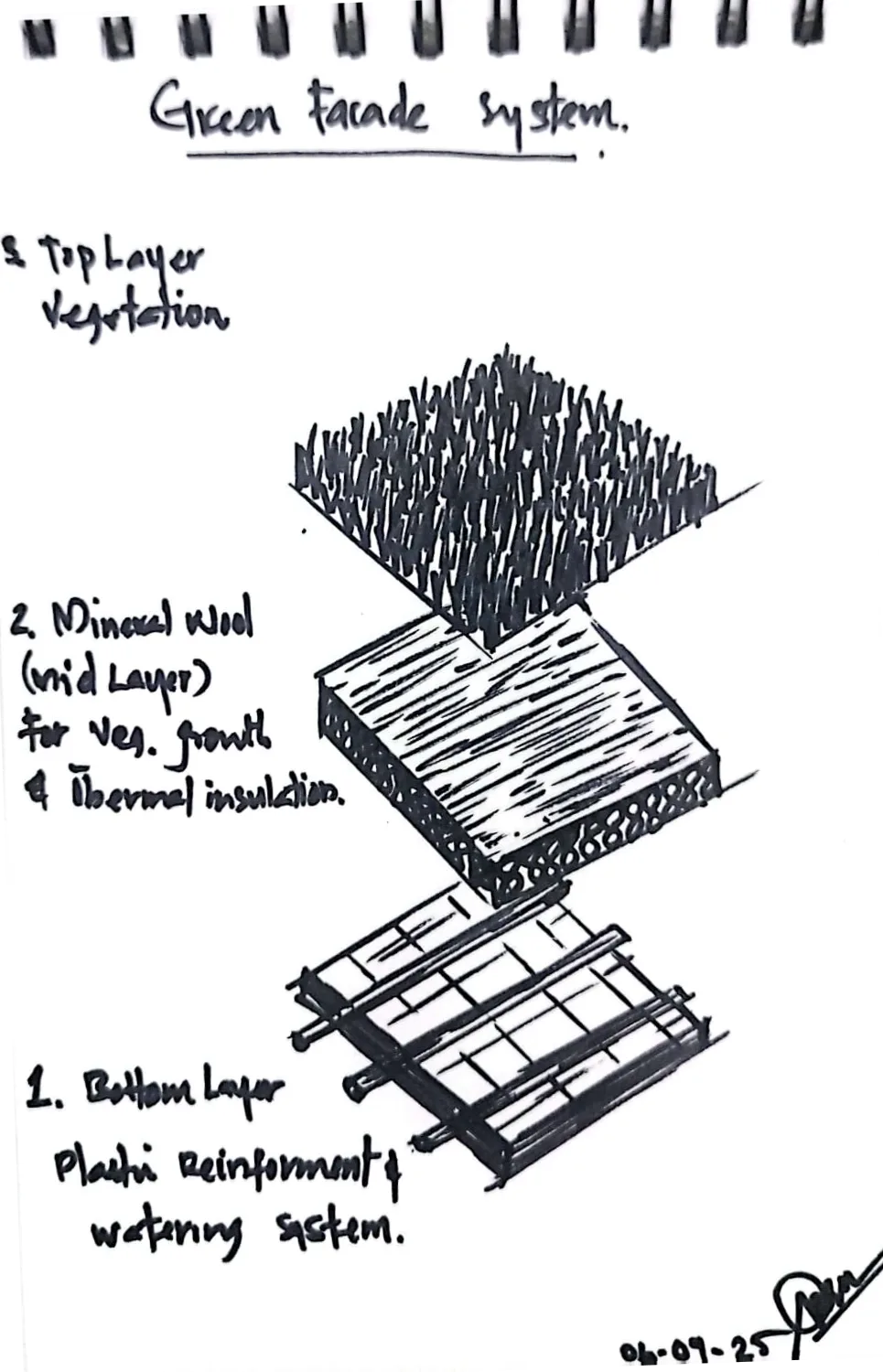
The Three-Layer System Explained
Base Layer
Plastic mould with water & fertilisation circulation at the foundation lies a customised plastic mould designed to hold an integrated irrigation and fertigation system (water + nutrient supply).
- Water circulation ensures plants receive consistent hydration, while recycling minimises waste.
- Fertilisation (fertigation) delivers nutrients directly with water flow, promoting healthier and faster plant growth.
- Smart controls can be added for automated monitoring, ensuring efficiency even in large-scale façades.
Mid Layer
Rockwool Insulation. The second layer is rockwool, a sustainable growth medium offering:
- High water and nutrient retention.
- Excellent root support and oxygen balance.
- Natural insulation properties to stabilise façade surface temperatures.
This creates a resilient base for vegetation to thrive in diverse climates.
Surface Layer
- Vegetation/Plant Growth: The visible outer layer showcases greenery tailored to the environment—from climbers and modular panels to shrubs or flowering plants.
This layer provides:
- Urban cooling and air purification.
- Noise reduction and dust filtration.
- Aesthetic value that transforms buildings into living architecture.
Why This System Is Future-Sustainable
- Smart Irrigation + Fertigation – Reduces water and fertiliser use by up to 50%, supporting resource efficiency.
- Durability & Performance – Plastic moulds and aluminium supports extend system life, while rockwool sustains growth.
- Energy Savings – Acts as natural insulation, reducing building cooling demand.
- Modularity & Scalability – Suitable for towers, commercial complexes, and retrofit projects.
- Compliance Ready – Helps projects achieve LEED, WELL, and Estidama certifications.
A Call For Facade Companies
This 3-layer green façade system with integrated water and fertilisation circulation is more than an idea—it is a ready-to-implement solution for façade companies aiming to stand out in a competitive, sustainability-driven market.