
Post Date: May 20, 2026 |
Last Edited: May 22, 2026
In this exclusive interaction with WFM Media, Bobby Mukherrji shares insights into his architectural journey, design philosophy, and the evolution of his multidisciplinary practice over the last three decades. He discusses how creativity, contextual sensitivity, and sustainability shape his approach towards architecture, façades, and fenestration design. The interview explores his views on luxury living, future-ready façades, advanced glazing technologies, material innovation, and climate-responsive architecture, while also highlighting some of his most iconic and challenging projects across hospitality, residential, aviation, and urban developments. He further reflects on the importance of creating architecture with a distinct identity, balancing technology with craftsmanship, and designing spaces that remain deeply connected to their cultural and environmental context.
Q. Could You Tell Us About Your Educational Background, Career And Architectural Experience?
I completed my schooling at Bombay Scottish School in Mumbai, where creativity was actively encouraged. From an early age, I was drawn to art and regularly participated in competitions across the country, winning several national awards. Those formative experiences built confidence and helped me realise that creativity could guide my professional path.
I later studied at Mithibai College of Science, which helped strengthen my analytical thinking. This balance between logic and imagination naturally led me to pursue my G.D. Arch. at the Rachana Sansad Academy of Architecture in Mumbai. Architecture felt instinctive; it brought together structural discipline, technical understanding, and artistic expression in a way that felt complete.
“I Often Think Of The Building Façade As A Living Organism—Its Character Shifts With The Time Of Day, The Season, And The Climate” |
Early in my career, I spent two years in New York training with William Leeds Architect. Working in an international environment exposed me to a very different scale of design thinking, detailing, and professional practice. During this period, I was also involved in the planning stages of the Aamby Valley project near Pune while working with an international firm, which later became one of India’s most ambitious hill city developments.
With over three decades in practice, the journey has been deeply enriching. In 1992, I founded Bobby Mukherji & Associates, which has since evolved into Bobby Mukherrji Architects, a multidisciplinary studio working across hospitality, luxury residences, commercial developments, aviation, education, retail, and large-scale urban master planning. Hospitality remains a significant part of our portfolio, though I have always valued diversity in practice.
What continues to inspire me is the variety of environments we engage with-from dense urban centres to remote landscapes, deserts, islands, and the Himalayas. Each site presents its own context and challenges, keeping the process of architecture constantly evolving and engaging.
Q. What Inspired You To Pursue A Career In Architecture? Tell Us About Some Turning Points In Your Design Career?
From a young age, I was deeply drawn to art. My first instinct was to become a painter or an artist, as creativity and visual expression were core strengths I recognised throughout my school years. However, after completing my 10th standard, I began to think more realistically about my future. While learning about great artists such as Vincent van Gogh, who lived much of his life in poverty and gained recognition only after his death, I realised that pursuing art purely as a profession could be uncertain. That thought made me reconsider my path.
I began looking for a profession that could combine creativity with intellectual depth and practical relevance. Architecture naturally stood out as the perfect intersection of art, design, and science. It offered the freedom to express creativity while also shaping spaces that influence how people live, interact, and experience their surroundings.
Another important influence during my formative years was my exposure to the world of real estate development. Many of my friends and family members were prominent real estate developers involved in building large residential projects and hotels. I had the opportunity to closely observe the entire journey, from concept and design to construction, taking shape in real time.
Watching buildings evolve from drawings into physical spaces fascinated me and reinforced my desire to be part of that process. These experiences became defining turning points, helping me realise that architecture would allow me to channel my artistic instincts into a profession that not only values creativity but also creates a meaningful and lasting impact on people and cities.
Q. What Type Of Projects Does Bobby Mukherrji Architects Specialise In? What Type Of Services Do You Offer To Your Clients?
We believe projects should be pluralistic, both in design expression and in function. Rather than limiting ourselves to a single typology, our practice works across a wide spectrum of disciplines. Our portfolio ranges from large-scale urban planning and architectural projects to interior design, landscape design, and bespoke lighting design. This multidisciplinary approach allows us to shape projects holistically, ensuring that every layer of the built environment contributes to a coherent and meaningful outcome.
A common thread that runs through most of our work is a focus on creating high-quality lifestyle environments. Many of our projects are rooted in the idea of luxury and elevated living, where architecture goes beyond basic functionality to shape experiences. Whether it is a hospitality development, a residential project, or a mixed-use environment, the aim is always to create spaces that enhance the way people live, interact, and engage with their surroundings.
For us, luxury is not simply defined by large budgets or the use of expensive materials. True luxury lies in crafting environments that are distinctive, experiential, and thoughtfully designed. It is about creating a sense of place and lifestyle that feels unique and memorable rather than merely functional. This philosophy continues to guide the kind of projects we undertake and the design challenges we choose to pursue.
Q. What Is Your Take On Sustainable Practice In Architecture Today?
Sustainability today carries a clear sense of responsibility. As architects, our decisions directly influence the environment through material choices, energy performance, and the way a building responds to climate and landscape.
For me, sustainable architecture begins with respect for context. Orientation, cross-ventilation, controlled daylight, shaded openings, and thoughtful planning are core design principles. When a building responds naturally to its geography, sustainability becomes part of its character rather than an added layer.
Locally sourced materials, skilled craftsmanship, and finishes chosen for durability help lower environmental impact while strengthening regional identity. Careful landscape planning, efficient water systems, and energy-conscious technologies further support long-term performance.
In hospitality and luxury projects, environmental responsibility must sit comfortably alongside guest experience. Comfort, efficiency, and environmental awareness can exist together without compromise. In fact, the most compelling spaces today are those that feel grounded and conscious in their making.
Frameworks such as IGBC and LEED offer valuable direction, yet true sustainability goes deeper than certification. It rests in the intent behind every decision—creating buildings that mature gracefully, use resources thoughtfully, and contribute meaningfully to their surroundings.
Sustainable practice, in my view, is about equilibrium. It is the careful alignment of innovation with tradition, technology with nature, and aspiration with accountability.
Q. How Would You Define Your Design Process For Façades And Fenestrations In Your Projects?
The façade is often described as the face of a building, but to me it represents the threshold between interior life and the external environment. Both must speak the same language. The exterior expression and the interior experience cannot feel disconnected, where one tells a completely different story from the other. Since we typically design projects from architecture through to interiors, we ensure that the design philosophy remains in unison. Everything becomes part of the same design script, where the façade and the interior spaces evolve together.
Our process begins with understanding the function of the building, along with its location, climate, and geography. These factors strongly influence decisions around materiality, form, and fenestration. We often go out of our way to ensure that the building responds meaningfully to its environment rather than following a universal aesthetic.
Culture also plays a significant role in shaping the architectural language. Because our projects are spread across diverse geographies, the response changes accordingly. For instance, a project in the Maldives, surrounded by the ocean, demands a very different architectural expression. In contrast, in Seychelles, although also an island environment, the historical influence of European colonial architecture led us to draw inspiration from plantation and British colonial styles.
In dense urban contexts such as Mumbai or Dubai, the approach shifts again. These cities are largely modern, and we intend to design buildings that feel contemporary while still elevating the surrounding environment. Within landscapes often dominated by repetitive, box-like structures, we aim to introduce thoughtful articulation and identity without making the building feel out of place.
Similarly, in regions like Rajasthan, particularly for hospitality projects, the design often draws inspiration from local heritage and traditional architecture. Visitors come seeking the cultural experience of the place, and the façade and fenestration help evoke that narrative while still meeting modern functional and environmental requirements.
Q. Please Talk About Some Of Your Most Preferred Façade Materials?
Façade materials are never chosen for appearance alone. They must respond to climate, context, durability, and the narrative a building seeks to express. I believe materials should mature gracefully and develop character over time, allowing architecture to feel grounded and enduring rather than temporary.
Natural stone remains one of my most preferred choices. Materials such as sandstone, limestone, travertine, granite, and marble bring a sense of permanence and tactile richness to architecture. Stone anchors a building to the earth while also offering strong thermal performance, particularly in warmer climates. Its texture, depth, and ability to weather gracefully give a façade a timeless quality that improves with age.
Glass also plays an important role in contemporary design. It introduces openness, light, and a visual connection with the surroundings. However, glass must be used thoughtfully. Transparency needs to be balanced with shading devices, recessed openings, and high-performance glazing systems that help control heat gain and glare, especially in hospitality and residential projects.
We also frequently incorporate metal elements such as screens, aluminium louvres, and perforated panels. These introduce rhythm, shadow, and depth while helping regulate sunlight. Engineered façade cladding systems are another category we work with. Materials such as high-pressure laminate façade panels—like those produced by good brands—offer durability and precision while allowing for varied textures and finishes. High-quality aluminium composite panels (ACP) are also used where appropriate.
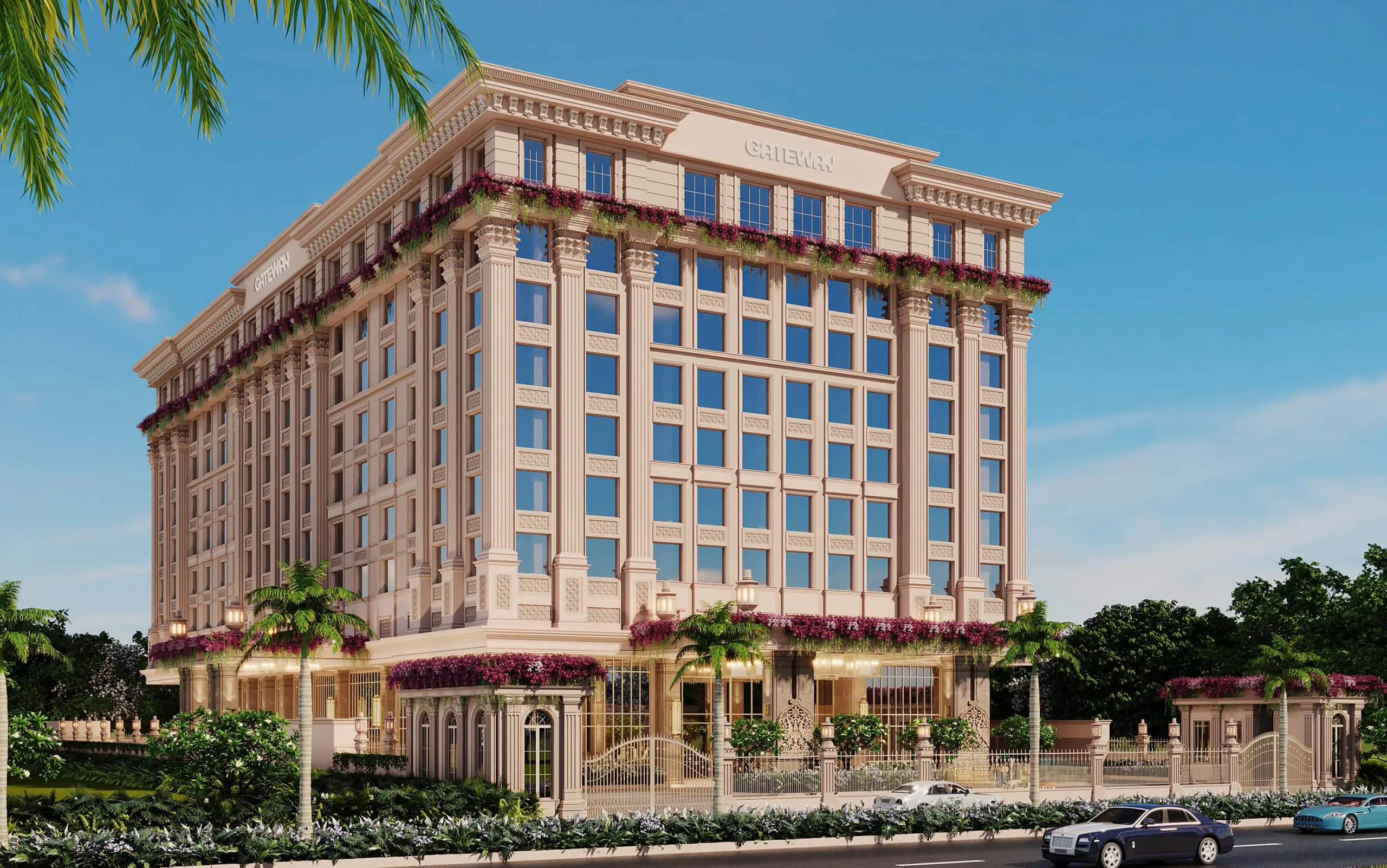
In more traditional or heritage-inspired projects, we sometimes use classical plaster finishes such as lime plaster or traditional Sandla plaster, similar to those used in historic palaces of Rajasthan. These materials help create authenticity and cultural continuity.
Increasingly, we also incorporate greenery into façades, bringing nature into the architectural language and adding another layer of depth, sustainability, and visual richness to the building.
Q. Could You Please Brief Me On The Latest Trends In Façade And Fenestration Designs And Technologies?
Façade and fenestration design today is increasingly driven by performance, environmental intelligence, and technological integration. Advances in glazing and building systems allow buildings to respond more precisely to climate while improving user comfort. High-performance glazing with better thermal insulation and solar control has become standard in premium developments. Double and triple-glazing, low-E coatings, and insulated glass units improve energy efficiency while maintaining clarity and natural light.
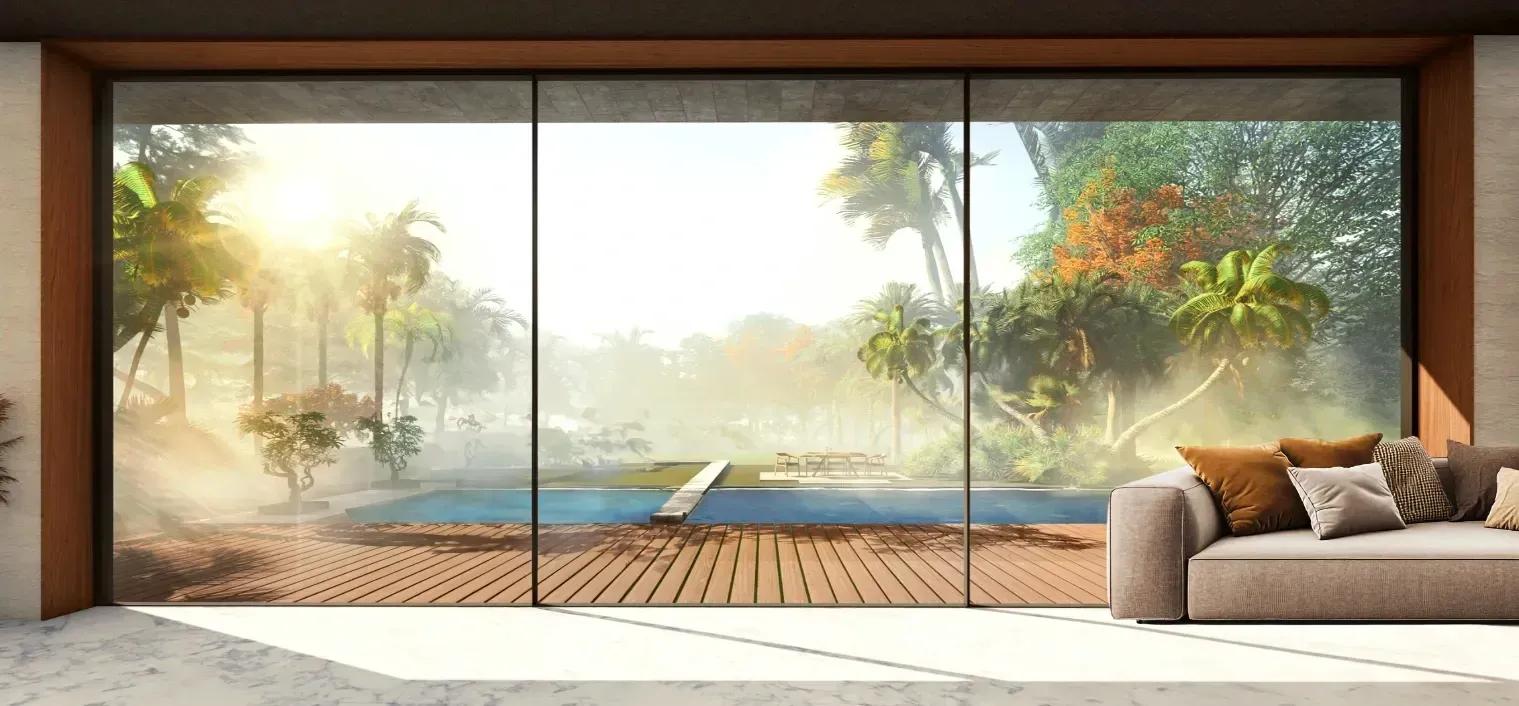
We are also seeing innovation within fenestration systems themselves. In one of our projects in Goa, for example, we incorporated a built-in louvre system within the sandwich glass panels. Instead of conventional curtains or blinds, adjustable louvres are integrated within the glazing unit itself. By simply adjusting the mechanism, the light can be controlled or even completely blocked out, allowing effective solar control while keeping the façade visually clean.
Double-skin façades are another important development. These systems create an intermediate cavity between two layers of façade, improving thermal buffering and ventilation while adding depth to the architecture. At the same time, computational tools now allow sun-path studies, wind analysis, and thermal simulations to be integrated early in the design process, enabling more informed design decisions.
Green envelopes are also becoming increasingly significant. Vertical planting and integrated façade landscapes help moderate microclimates around buildings. With drip-irrigation systems and recycled water supporting plant growth, these façades introduce greenery into dense urban environments while also encouraging biodiversity—bringing birds, butterflies, and insects back into the ecosystem.
Material exploration continues to evolve. Composite aluminium panels remain popular for precision and durability, while materials such as galvanised iron sheets, copper, stainless steel, and metal meshes are increasingly used. Authentic metals develop a natural patina over time.
Q. Please Throw Some Light On A Few Of Your Most Favourite Projects?
Every project carries a distinct memory, but a few stand out for the unique façade challenges and ideas they demanded.
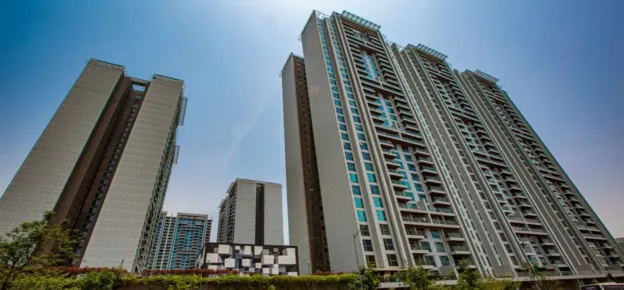
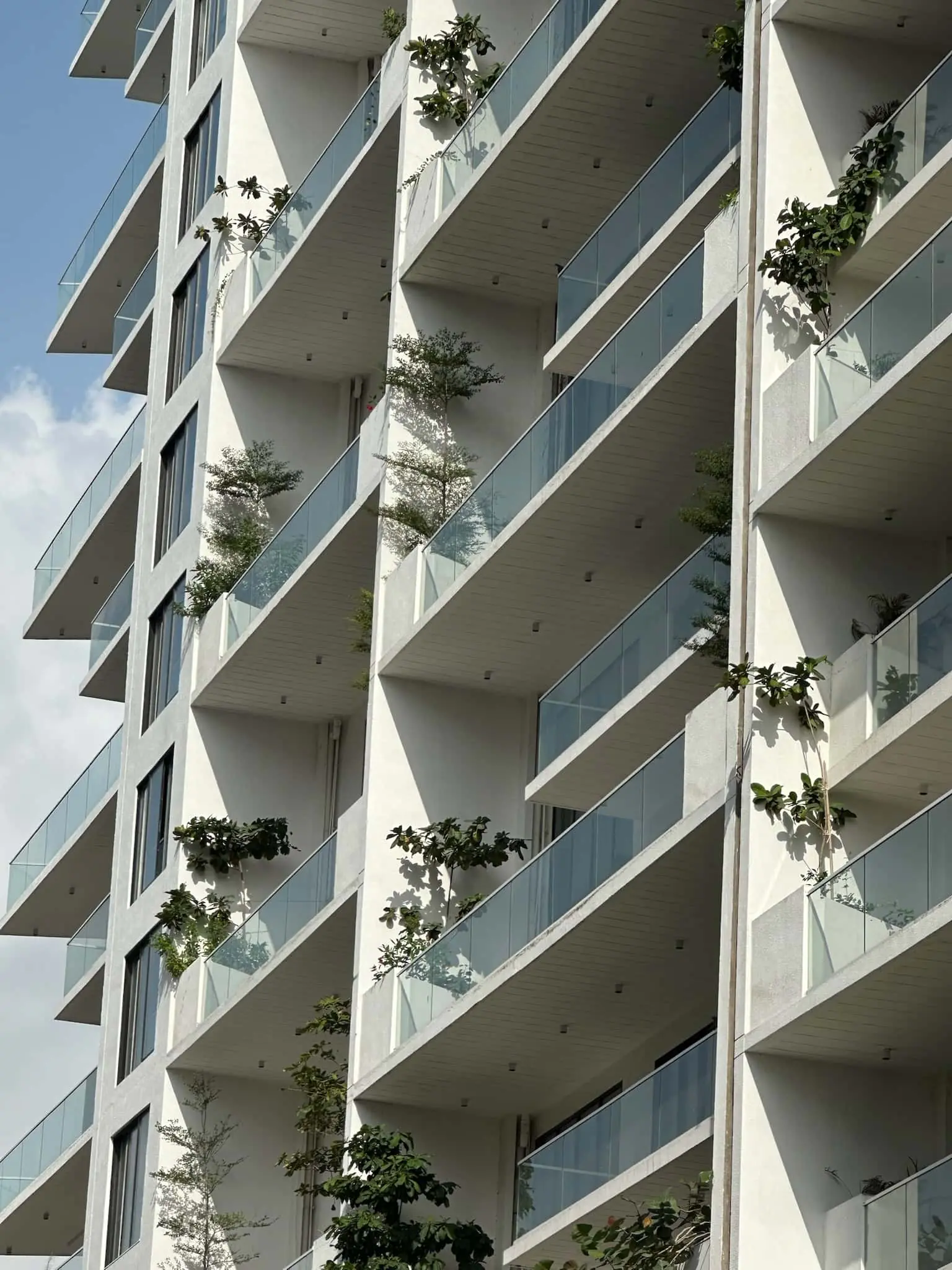
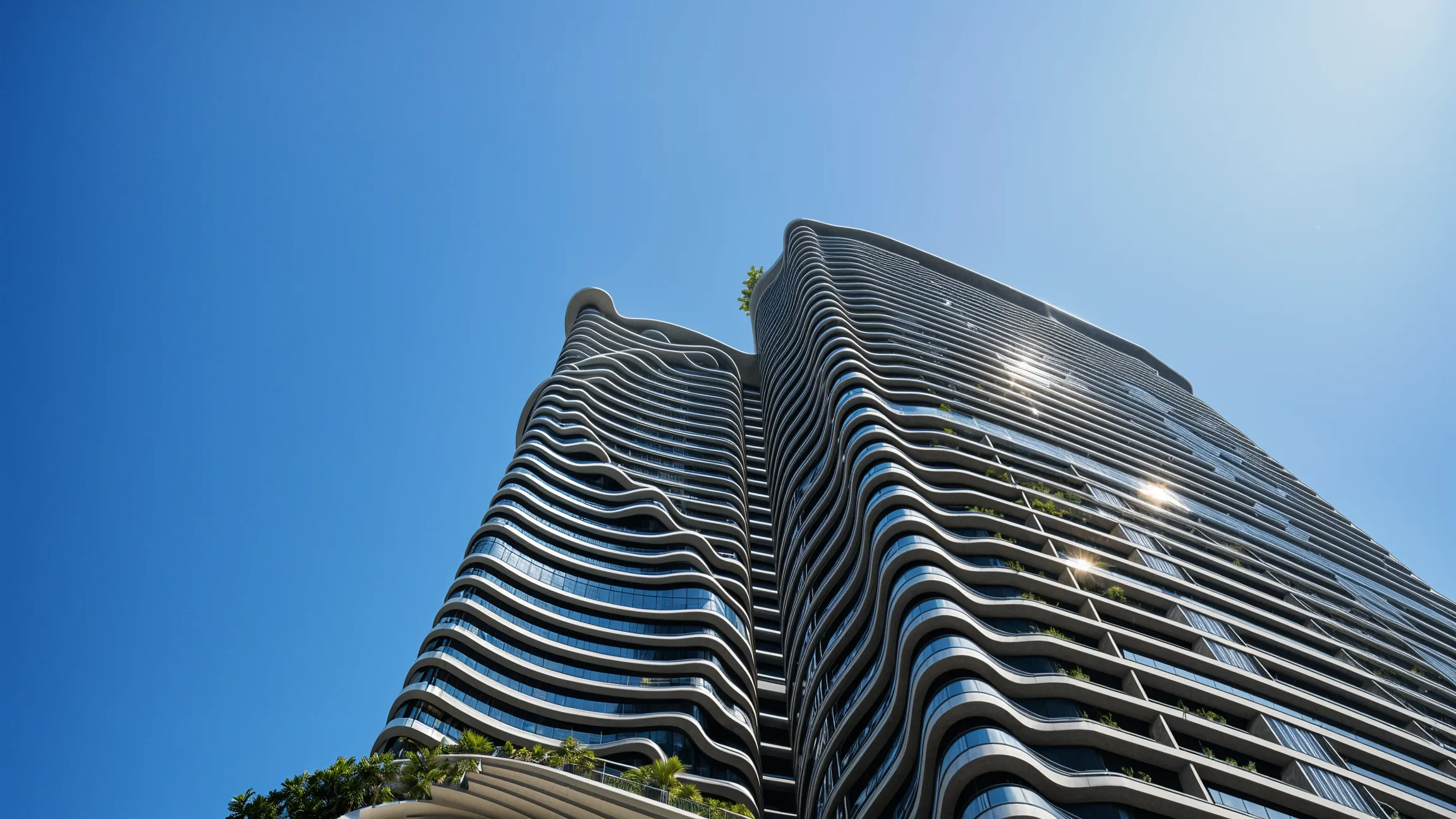
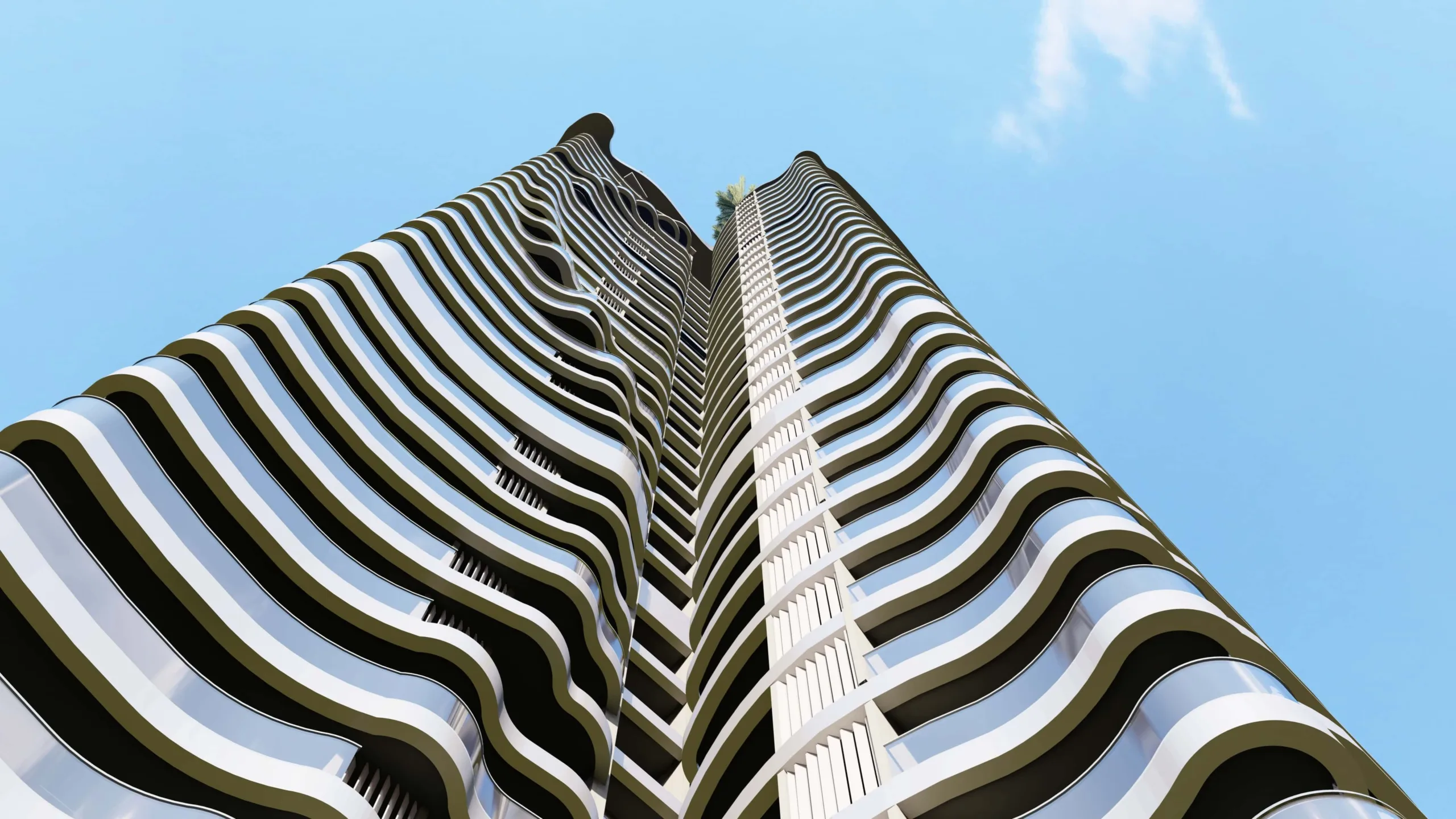
One of the most exciting explorations was Skyville, where the façade was envisioned as a sculptural vertical form rather than a conventional building envelope. The design focuses on layered geometry, deep recesses, and articulated balconies that create movement across the elevation while enhancing light, ventilation, and views.
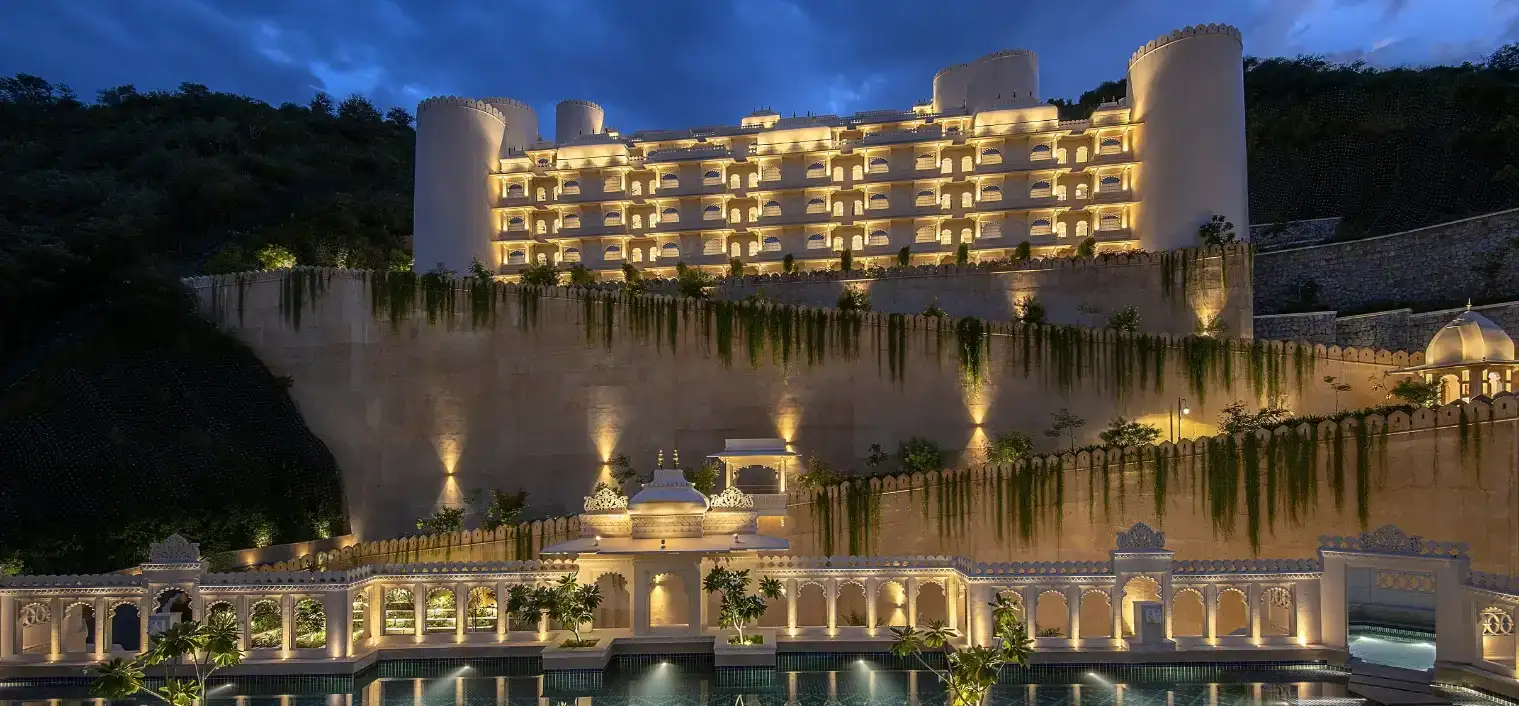
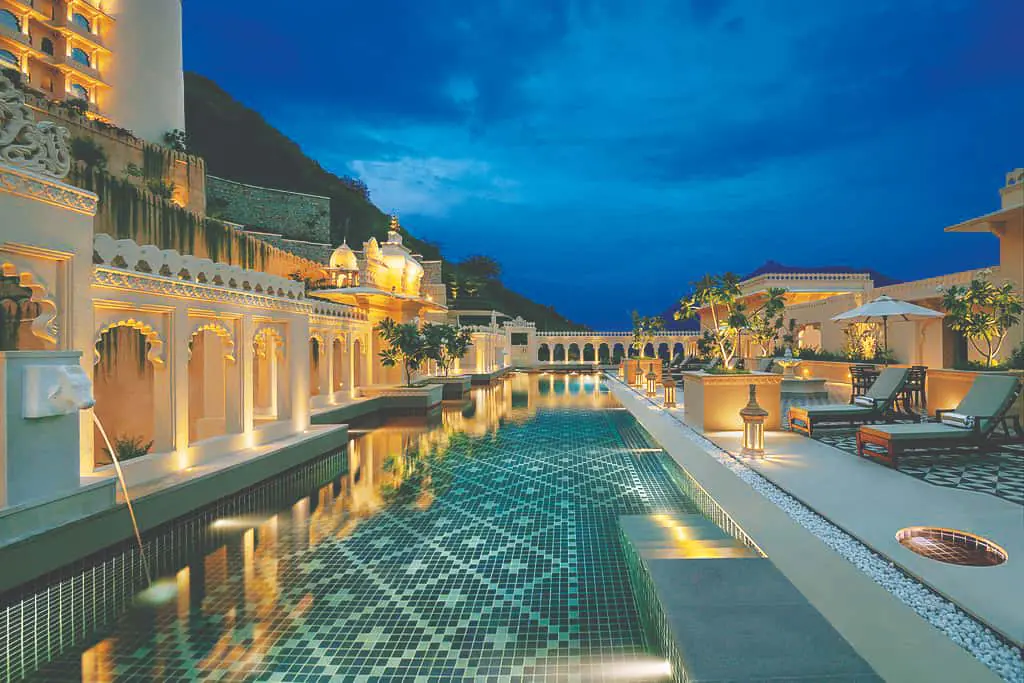
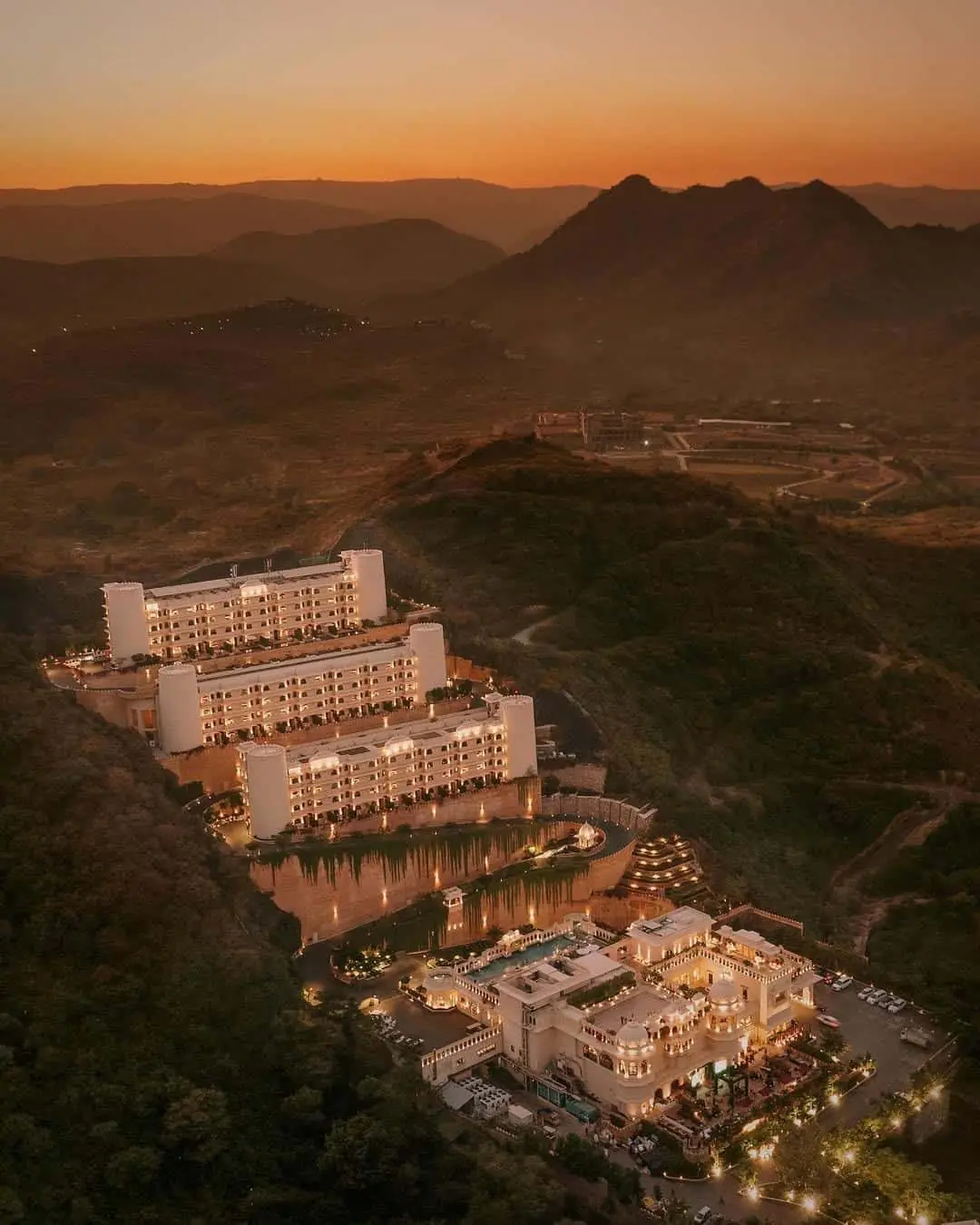
At Aurika, Udaipur, overlooking Lake Pichola, the façade responds closely to the hillside terrain. Inspired by Rajputana architectural principles, the built form is carefully stepped into the landscape. Stone textures, rhythmic openings, and subtle lighting transform the façade into a glowing hillside composition at night, allowing the building to feel both contemporary and rooted in its context.
A completely different challenge emerged with the KayanJet FBO Terminal at St. Kitts. Located in a hurricane-prone zone, the façade had to be extremely resilient. The structure relies heavily on reinforced concrete and specially engineered, impact-resistant glazing systems, with a roofing system designed to withstand extreme wind forces while still maintaining a refined architectural expression.
“We Ensure That The Design Philosophy Remains In Unison—Everything Becomes Part Of The Same Design Script, Where The Façade And The Interior Spaces Evolve Together” |
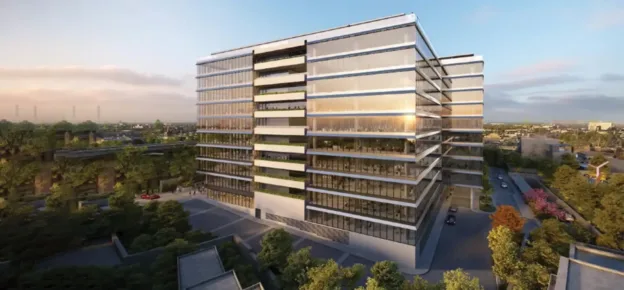
Another interesting direction is visible in our upcoming Raja District Park project. Here, the façade strategy explores advanced glazing technologies to create a cluster of jewel-like buildings. The idea is to achieve highly expressive yet efficient envelopes that interact with light, transparency, and reflections in a dynamic way.
Q. Tell Us About Some Of Your Most Challenging Projects?
Some of the most challenging projects for us have been those where the façade was not just an aesthetic layer but a complex system integrating structure, climate response, and engineering.
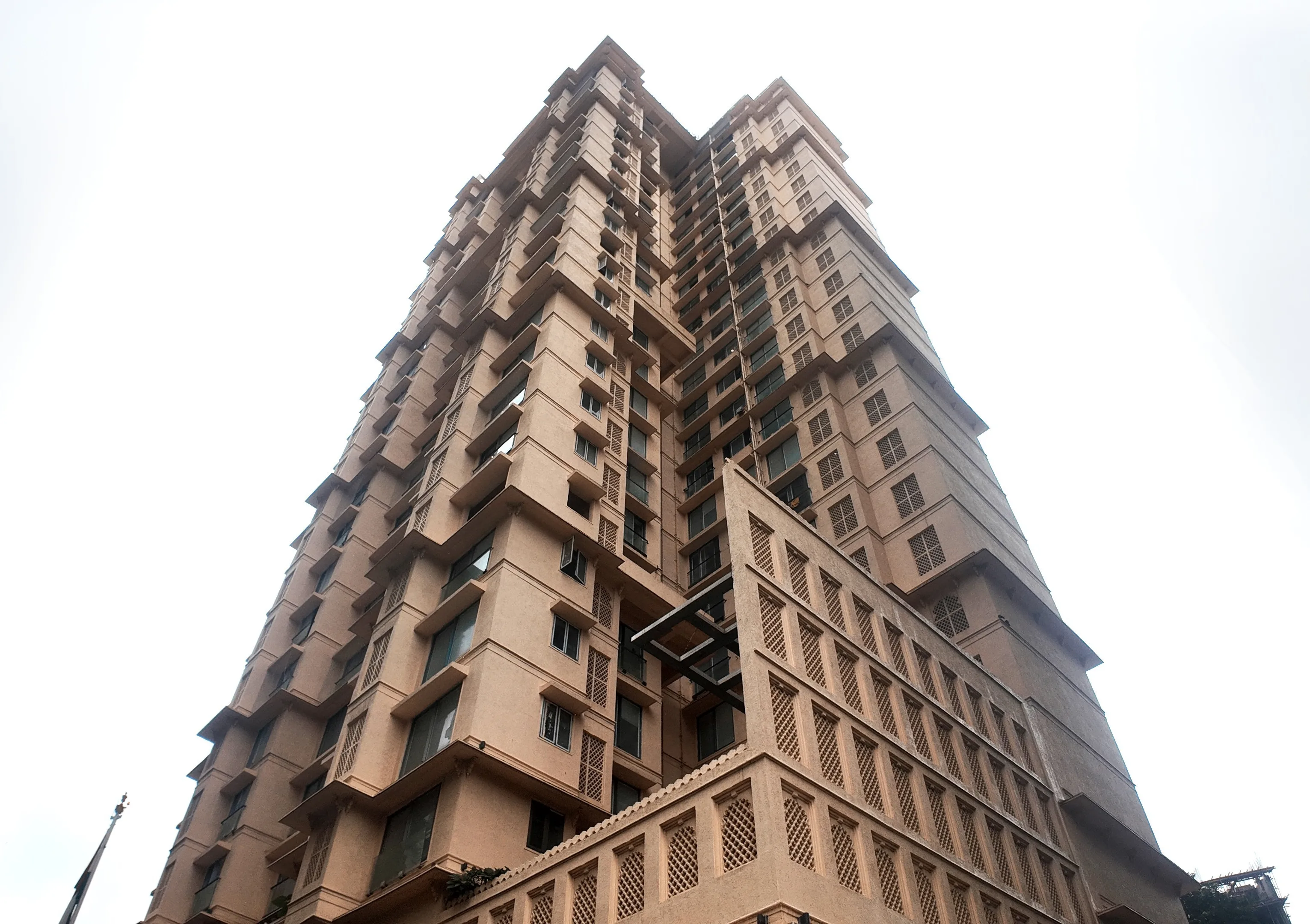
One of the most demanding examples was Skyville Residences, Ahmedabad, a project conceptualised as “villas in the sky.” The idea was to integrate large-scale greenery directly into the building façade. This meant designing planter boxes capable of supporting 15–20-foot-tall trees within the building envelope. Beyond the visual idea, the real challenge lay in engineering—ensuring adequate soil depth, structural support, drainage, and a drip-irrigation system that could sustain the plants on a daily basis. Integrating all of this into a high-rise façade while maintaining safety, maintenance access, and long-term durability required extensive coordination between architects, structural engineers, and landscape specialists.
Another interesting challenge is Raheja District, Navi Mumbai, where we are experimenting with multiple façades and glazing techniques across different buildings within the same development. Instead of repeating a single façade language, each building is being designed with a distinct expression. Balancing experimentation with performance, constructability, and visual coherence across the entire project has made it both complex and exciting.
A very different kind of challenge came with a project in St. Kitts, where the building envelope had to be designed to withstand Category 5 hurricanes. Every aspect of the façade—from glazing to roof systems—had to meet strict hurricane-resistant standards. The glazing systems were extremely robust, almost like bulletproof glass, designed to withstand impact from flying debris during storms. Even the timber roof structures had to be specially fabricated and sourced internationally to meet the required safety standards.
Finally, projects inspired by heritage architecture, particularly in places like Rajasthan, Udaipur, Jaipur, and Jodhpur, present their own challenges. Recreating the depth, texture, and craftsmanship of traditional architecture using modern construction techniques requires skilled artisans, careful detailing, and a deep respect for historic design languages.
Q. What Is Your Signature On Your Projects? What Are You Paying Attention To Make Your Projects Unique?
The signature of my work lies in ensuring that our façades are never generic. We consciously avoid designing buildings that blend into the background or look like just another project in the skyline. Whether it is a classical building, a contemporary tower, or a low-rise resort development, each project is designed to have a distinct identity that allows it to stand out among the surrounding structures.
At the same time, I do not believe in imposing a fixed visual style across all projects. Every building has its own narrative shaped by its location, climate, culture, and purpose. The architectural language evolves from that understanding. In some contexts, it may take a modern expression with glass and metal, while in others, it may draw inspiration from classical or regional architectural traditions. The aim is always to create something that feels authentic and appropriate to its setting.
Proportion and scale are fundamental considerations in this process. Careful attention is given to façade composition, detailing, and the way materials come together. Natural light, spatial flow, and the relationship between interior and exterior spaces are also important aspects that influence the design.
Another defining element in our work is the layering of façades. Balconies, screens, shading elements, and landscape integration create depth and rhythm while also improving environmental performance. In many projects, we also explore new façade technologies or material combinations to bring a unique character to the building.
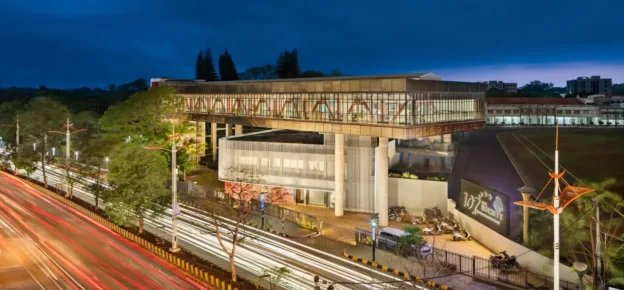
Lighting plays a very important role as well. Thoughtfully integrated façade lighting enhances the architecture after sunset, highlighting its form and details and giving the building a strong presence at night.
Ultimately, what makes our projects unique is clarity of intent. Each building is designed to tell its own story while contributing positively to its surroundings.
Q. What Is Your Idea For The Façades Of The Future? What Features Would You Like To See In Future Façades?
I often think of the building façade as a living organism. Its character shifts with the time of day, the season, and the climate as light moves across it and materials respond to heat and moisture.
Technology will shape this progression. Renewable energy systems such as photovoltaic glazing can be seamlessly integrated into envelopes, while automated shading and responsive screens adjust to changing sun intensity and internal comfort levels. Fenestration systems will become increasingly precise in managing light and thermal gain. At the same time, material innovation will introduce lighter composites with lower embodied carbon and stronger lifecycle performance, balanced thoughtfully with natural materials that retain warmth and character.
Green integration will move beyond surface planting towards vertical landscapes and façade-based biodiversity strategies that improve urban microclimates. Even as innovation accelerates, the fundamentals remain constant. Orientation, proportion, climate response, and cultural context must guide every decision. The façade of the future should perform efficiently, consume less energy, and remain deeply rooted in its geography and identity.
Q. What Is Your Advice To Young And Upcoming Architects?
If I were to offer a few words to young architects, they would be these: remain curious and remain patient.
Architecture does not reward haste. It is a discipline that matures over time, shaped by observation, travel, and lived experience. Visit historic cities, walk through old buildings, study how light enters a courtyard, and notice how materials weather. Spend time on site and learn from craftsmen. Technology will evolve constantly, but sensitivity to space and human behaviour will always remain essential.
Resist the temptation to chase every passing trend. Ground yourself in fundamentals such as planning, proportion, structure, and climate responsiveness. When the foundation is strong, creative expression follows naturally and with confidence.
Understand that architecture is collaborative by nature. Engineers, consultants, contractors, artisans, and clients each bring valuable insight to the table. Respecting that collective intelligence strengthens the outcome of every project.
Above all, remember that architecture ultimately serves people. Beyond drawings and visualisations, your work will influence how individuals live, work, gather, and feel. Approach that responsibility with sincerity. Stay passionate, stay grounded, and allow the learning to continue throughout your career.