
Post Date: July 10, 2026 |
Last Edited: July 29, 2026
Public infrastructure today is expected to do far more than serve a function. It must perform, endure, and represent identity at scale. In this context, metal facades have emerged as a preferred solution for transport hubs, airports, and railway stations, where buildings are subjected to constant use, environmental exposure, and demanding operational conditions.
Key Highlights
|
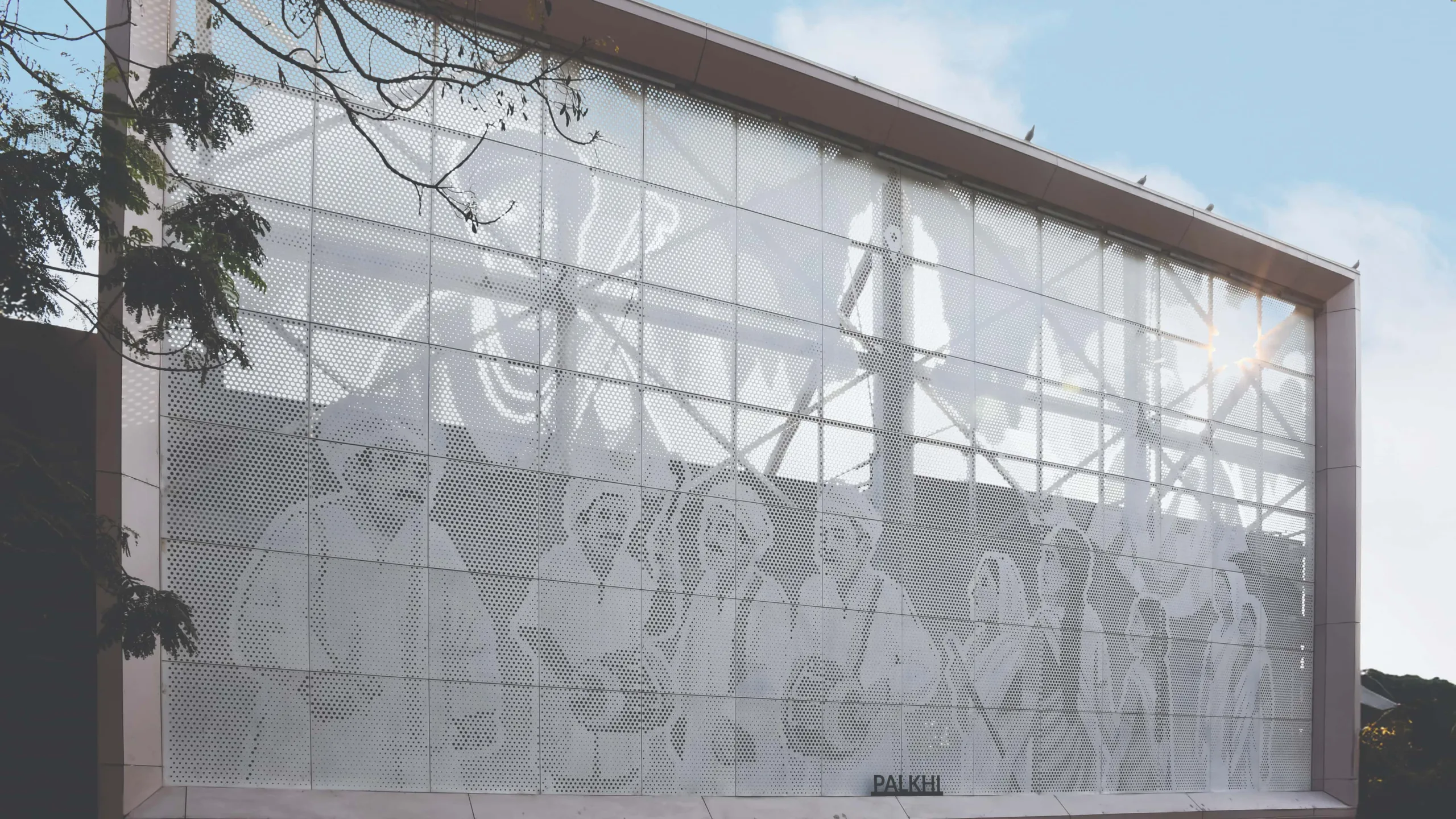
The strength of metal lies in its ability to balance performance with precision. It offers high structural integrity while remaining lightweight, making it ideal for large-span and high-footfall environments. Its resistance to corrosion, fire, and weathering ensures long-term durability with minimal maintenance – an essential requirement for infrastructure that operates continuously without downtime.
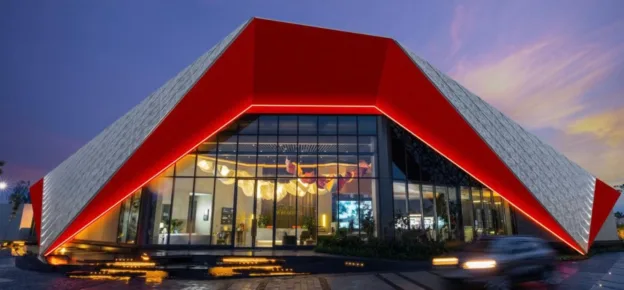
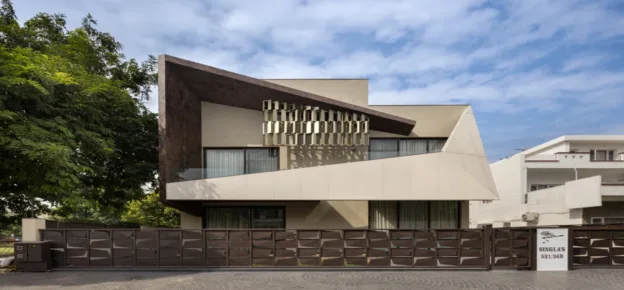
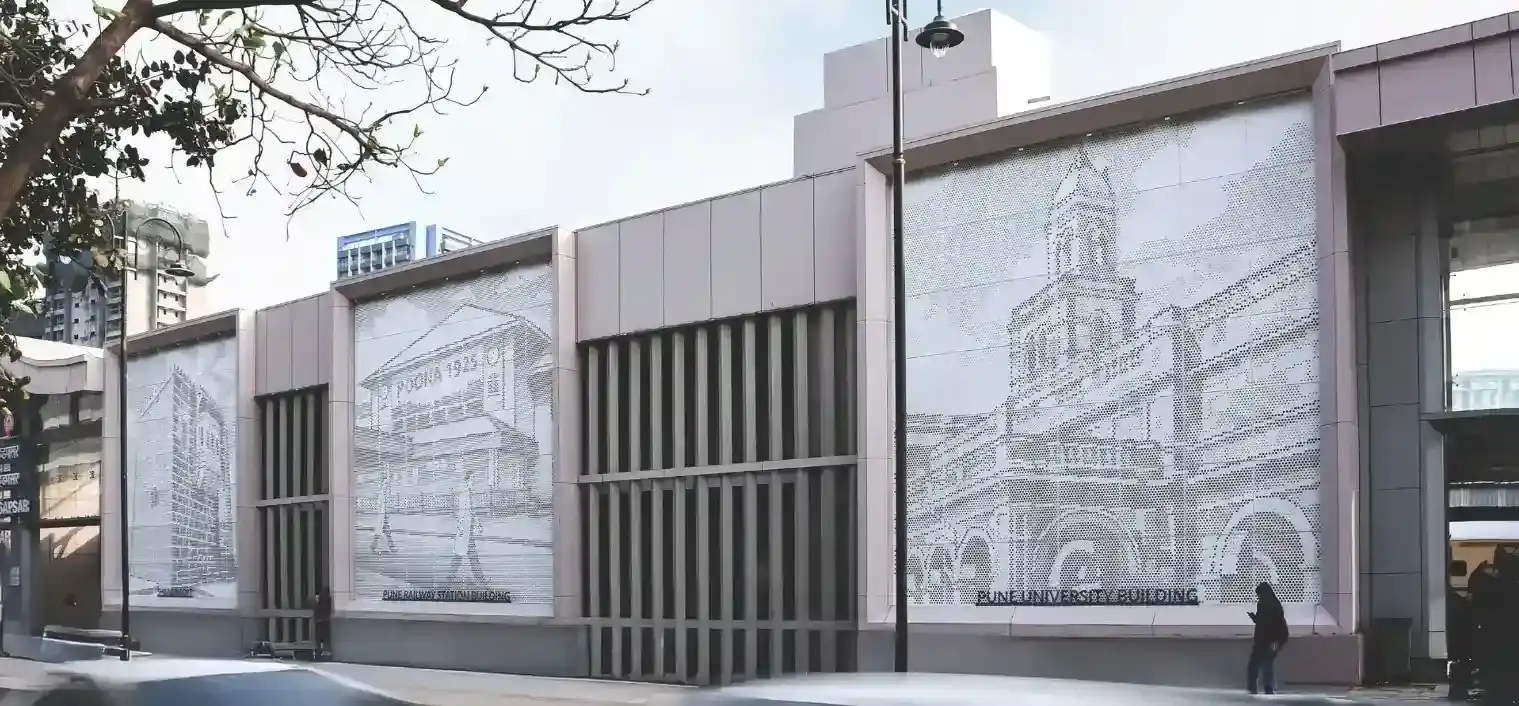
Beyond performance, metal enables a level of design articulation that few materials can achieve. Through techniques such as perforation, folding, and modular fabrication, façades can move beyond uniform surfaces to become expressive architectural elements. This allows infrastructure projects to reflect regional identity, culture, and context, transforming otherwise utilitarian spaces into meaningful public experiences.
As cities evolve, the role of the building envelope in infrastructure is expanding. Metal façades, with their adaptability and resilience, are at the forefront of this shift, bridging the gap between engineering efficiency and architectural expression.
| Case Study: Hadapsar Railway Station, Pune |