Post Date: July 31, 2026 |
Last Edited: July 31, 2026
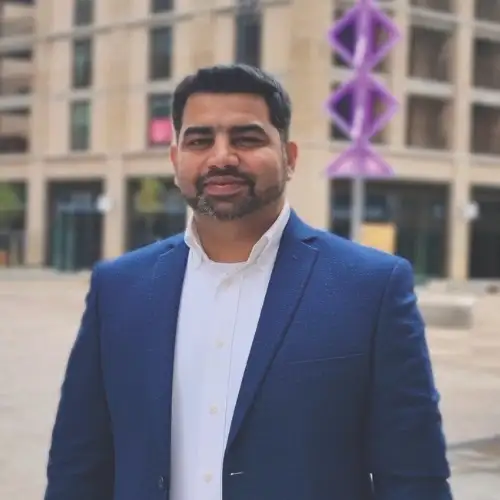
In this exclusive interview with WFM Media, Abdullah Quadri talks about Effisus’ role in delivering complex global projects and the evolving demands of façade performance, durability, and sustainability.
Key Highlights
|
Q. Could You Introduce Effisus And Its Core Expertise Within The Building Envelope And Façade Industry?
Effisus is an international technical partner in building envelope protection, with more than 20 years of experience in façade, roof and wall weatherproofing systems.
We work closely with architects, façade consultants, contractors and developers across the UK, Europe and the Middle East, supporting ambitious construction projects with premium systems, technical guidance and on-site expertise. As Effisus continues to grow internationally, our ambition is to expand into new markets while remaining close to project teams and their specific technical challenges.
At Effisus, our focus is on the critical building envelope details that determine long-term performance: façade interfaces, joints, gutters, penetrations, membranes, roof transitions and hidden connection points. These details may not always be visible, but they are often where airtightness, watertightness, fire performance, durability and lifecycle value are decided.
Our systems are also supported by recognised certifications and accreditations, including ISO 9001, BBA, RIBA CPD Approved Provider status, Dubai Civil Defence and Abu Dhabi Civil Defence approvals, EPDs, Eurofins Indoor Air Comfort Gold, EC1, ESL Certificate of Conformity and Applus+ Certificate of Conformity. These certifications reflect our commitment to tested, compliant and reliable solutions for demanding building envelope applications.
Q. Effisus Has Been Associated With Several Iconic International Projects. Which Projects Do You Believe Best Represent The Company’s Technical Capabilities And Innovation?
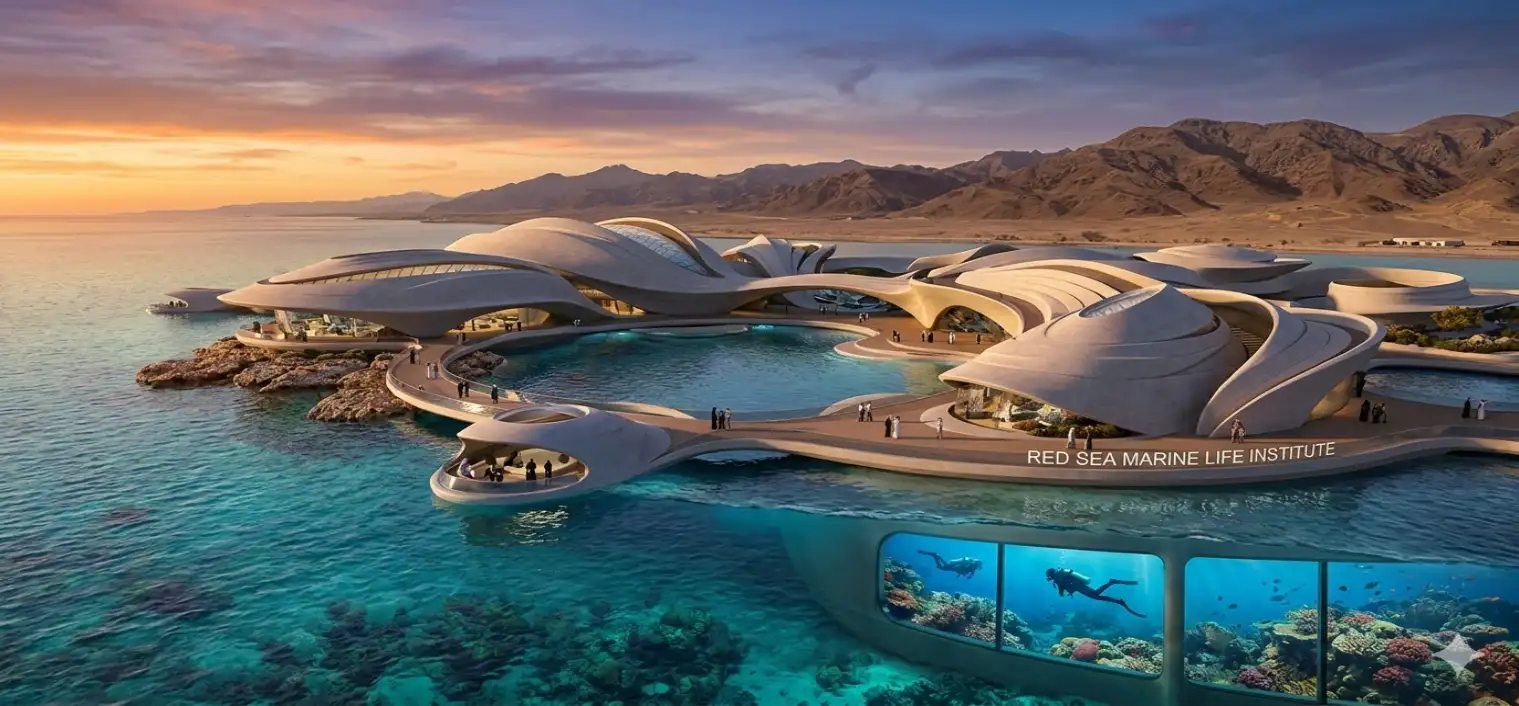
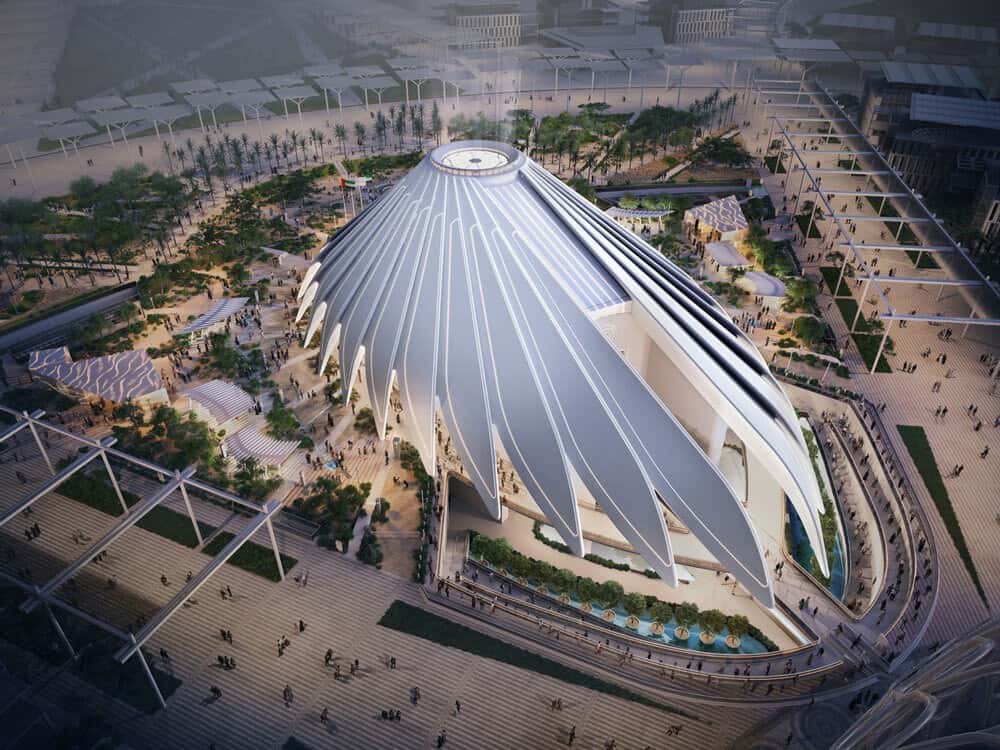
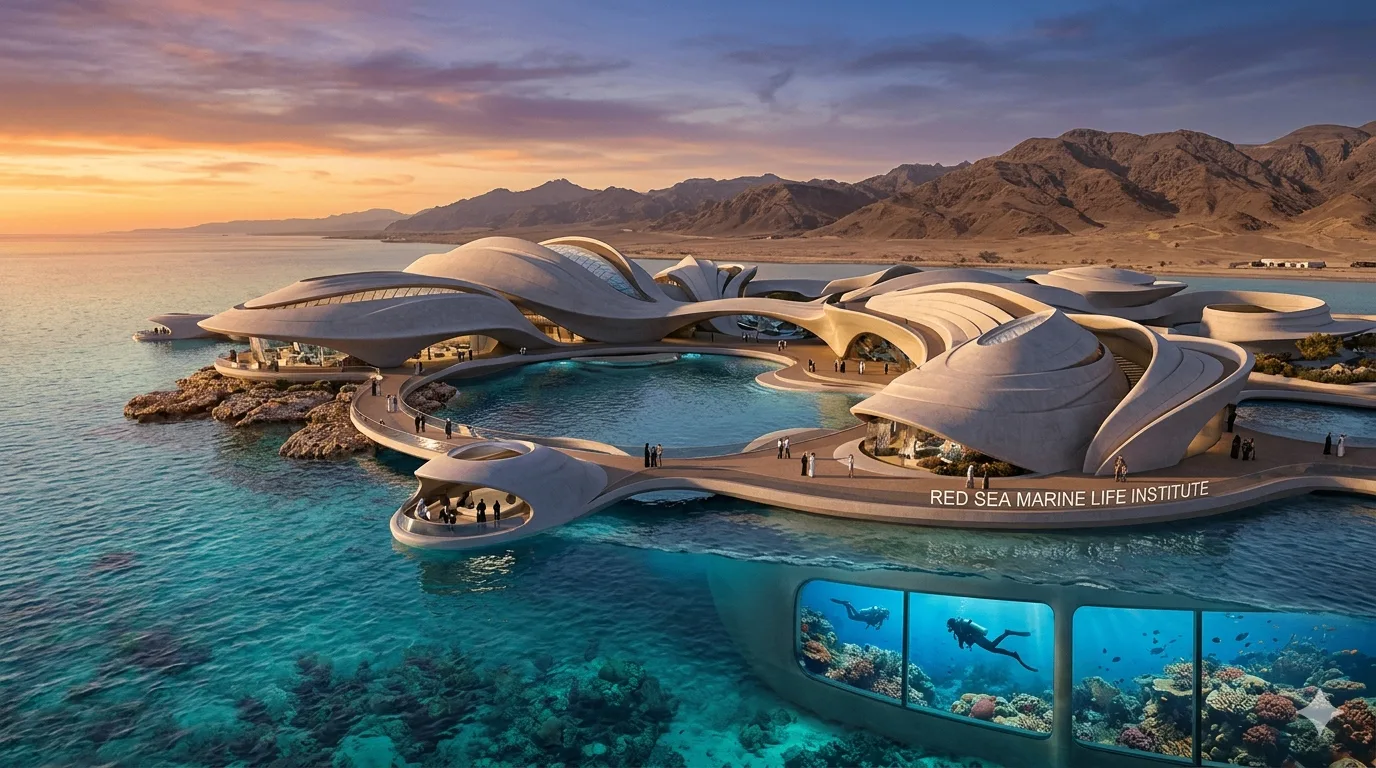
Effisus has supported a wide range of complex buildings across cultural, commercial, infrastructure, data centre and high-rise sectors. Projects such as the Museum of the Future in Dubai, the Red Sea Marine Life Institute in Saudi Arabia and the UAE Pavilion at Expo 2020 Dubai are strong examples of where Effisus brings particular value.
These projects are architecturally ambitious and technically demanding, involving irregular geometries, complex façade transitions, difficult interfaces and challenging climatic conditions. Effisus’ contribution is often focused on the hidden details that allow the building envelope to perform reliably over time: joints, penetrations, transitions and sealing points that need to remain airtight, watertight and durable.
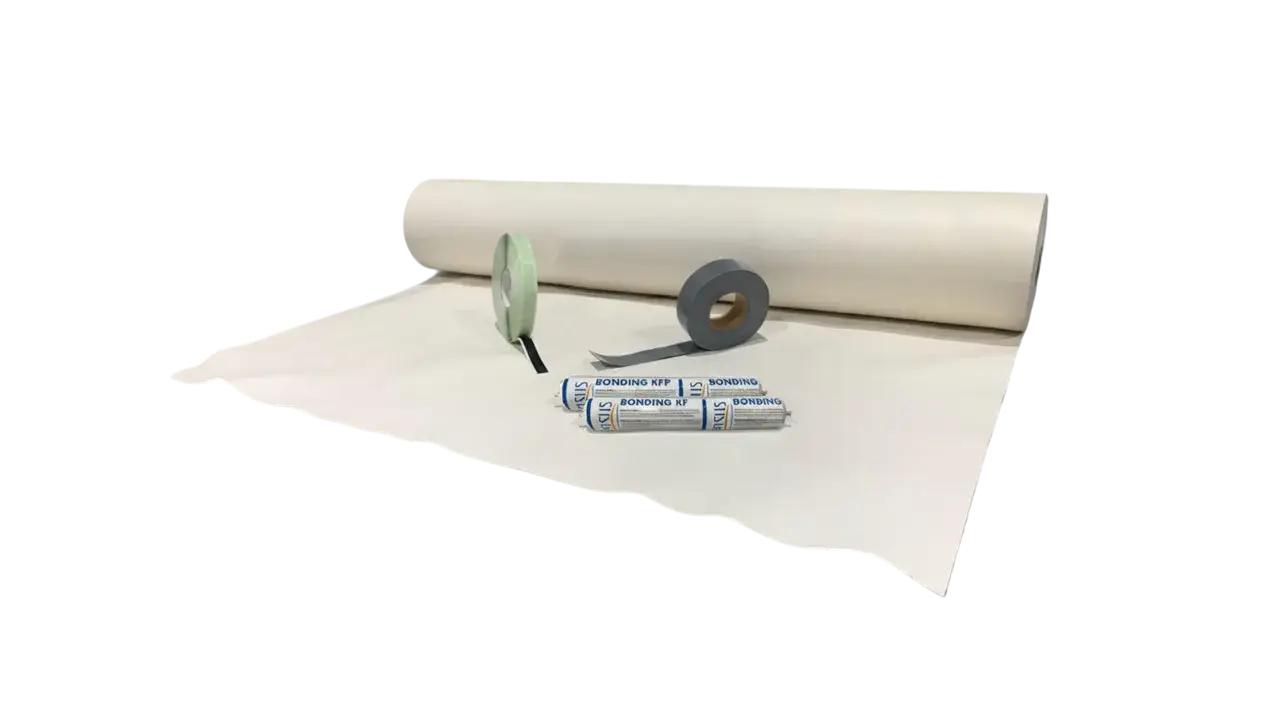
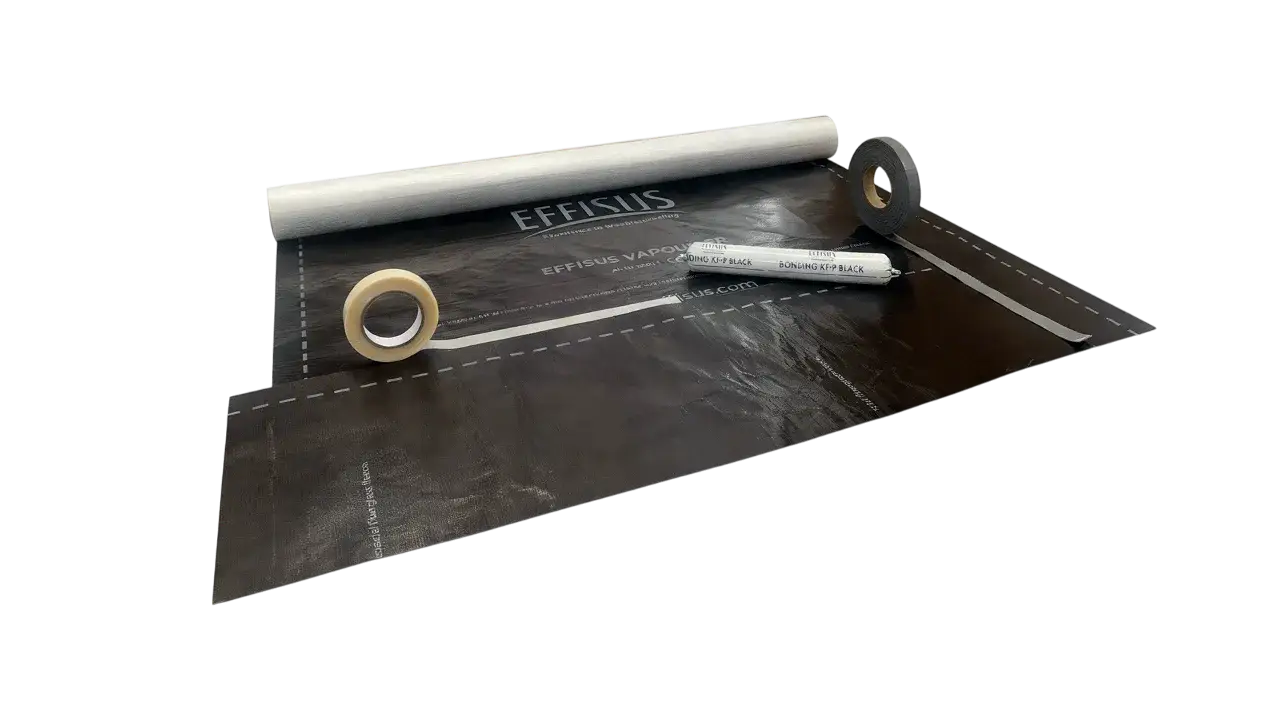
The UAE Pavilion at Expo 2020 Dubai, designed by Santiago Calatrava and inspired by a falcon in flight, is a clear example. Effisus Vapour FR System was used to reduce condensation risk, improve airtightness and support energy efficiency through a non-combustible, A1 fire-rated air and vapour control layer membrane. Effisus Stopper was also applied in demanding crossing areas, adapting to irregular geometries and complex configurations. Together, these solutions helped protect the building envelope while supporting the pavilion’s architectural and sustainability ambitions.
Q. Projects Such As The Museum Of The Future Involved Highly Complex Geometries And Façade Interfaces. What Were The Key Weatherproofing Challenges In Such A Project?
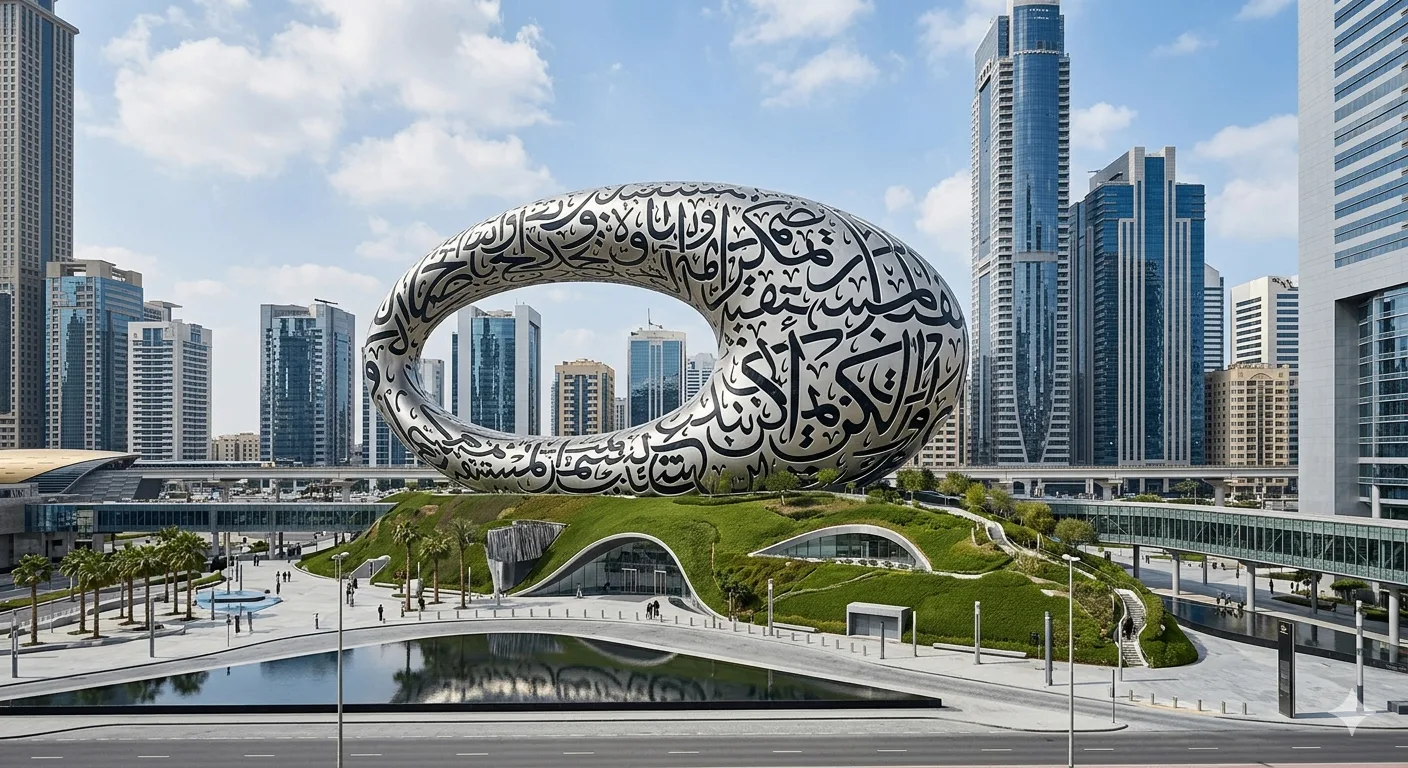
The Museum of the Future is one of Dubai’s most recognisable architectural landmarks, and its complex torus-shaped geometry created highly demanding façade and envelope conditions.
In a project like this, the real challenge is maintaining a continuous performance layer across a façade where very little is standard or repetitive. Each interface, transition and junction can behave differently, and the envelope must accommodate irregular geometry, structural movement, thermal stress and environmental exposure.
At the Museum of the Future, critical areas included the podium interfaces and pedestrian link bridges, where different systems, materials and movements had to come together. Effisus supported these areas with weatherproofing solutions designed to protect vulnerable details such as joints, gutters, penetrations and transition points.
The key was to help the building envelope perform as a complete system, not as isolated components. That requires technical coordination, careful detailing and practical installation support on site.
Q. How Does Effisus Collaborate With Architects, Façade Consultants And Contractors During The Early Stages Of Project Development?
Early collaboration is one of the most important ways to reduce risk in complex façade and building envelope projects.
Effisus works with architects, façade consultants, contractors and developers to identify high-risk details before they become site issues. These often include façade interfaces, slab edges, brackets, penetrations, gutters, movement joints and transitions between materials or systems.
Our role is to help define the weatherproofing strategy, support specification, develop project-specific details, review the buildability and provide technical guidance that is practical for installation.
This reflects the way we see our role: Effisus is the guide that helps the customer move from design intent to reliable execution. The earlier we are involved, the easier it is to select the right solution, coordinate with the wider façade system and avoid costly rework later.
Q. In Today’s High-Performance Façades, How Important Are Airtightness And Watertightness In Achieving Long-Term Building Durability And Energy Efficiency?
Airtightness and watertightness are fundamental to long-term building performance. They are no longer simply technical requirements to be checked at handover; they directly influence energy efficiency, internal comfort, durability, maintenance costs and lifecycle value.
Poor airtightness can lead to uncontrolled air leakage, making heating, cooling and humidity control less efficient. This is particularly important in regions with high cooling demand, such as the Middle East, but it is also increasingly relevant in Europe and the UK as performance expectations continue to rise.
Watertightness is equally important because water ingress is not always immediately visible. Moisture can accumulate inside the envelope, degrade materials, reduce insulation performance and create long-term defects.
For Effisus, the objective is to help project teams manage air, water and moisture movement across the full building envelope. That means focusing on the interfaces where failures most often occur and ensuring continuity between façade, roof, wall and sealing systems.
Q. Fire-Safe Façades Are Becoming Increasingly Important Worldwide. How Is Effisus Responding To The Demand For Fire-Rated Membrane And Sealing Solutions?
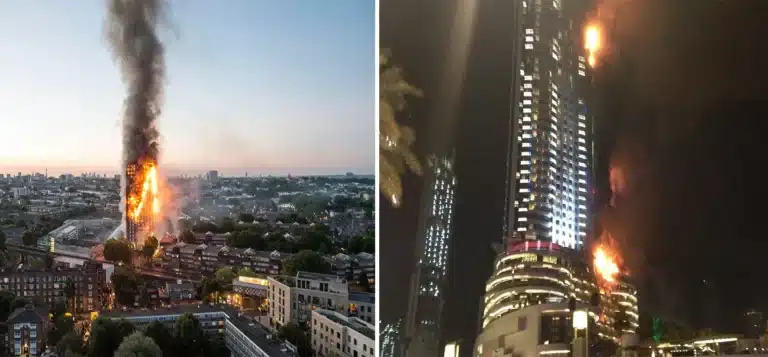
Fire safety is now one of the most important priorities in façade design. However, the challenge is not to improve fire performance in isolation. The real challenge is to integrate fire performance with the other requirements of the building envelope: airtightness, watertightness, thermal performance and long-term durability.
Effisus has responded by developing advanced non-combustible façade membrane and sealing solutions that support a system-based approach to envelope performance. The industry is moving away from looking at individual products alone and towards understanding how complete façade systems behave together.
This is where compatibility, detailing and application become critical. A membrane or sealing system must meet the required fire performance, but it also needs to work with adjacent materials, interfaces and real construction conditions.
This commitment is supported by relevant fire and compliance certifications, including Dubai Civil Defence and Abu Dhabi Civil Defence approvals, as well as ESL and Applus+ Certificates of Conformity. These approvals are especially important in markets where fire-rated façade membranes must comply with strict local regulations and be validated as part of a broader building envelope strategy.
Effisus helps project teams specify and apply solutions that contribute to safer, more reliable and more integrated façade performance.
“The future of building envelope performance lies not in individual products, but in how every façade, roof, joint, penetration and interface work together as a complete system“ |
Q. Many Contemporary Façades Feature Unconventional Forms And Materials. How Does Your Team Ensure Performance Reliability In Such Complex Applications?
Complex façades require more than standard solutions. They require systems thinking, technical coordination and practical site support.
When a building has an unconventional form, the number of non-standard details increases significantly. Every curve, transition, penetration and interface can create a different challenge. In these conditions, performance reliability depends not only on the product, but on how it is detailed, how it connects to other systems and how consistently it is installed.
Effisus supports project teams with project-specific solutions, technical drawings, application guidance, mock-ups, method statements, compatibility checks and site assistance where needed.
A key part of our value is bridging the gap between design intent and site reality. Drawings may define the intended performance layer, but site conditions can introduce tolerances, movement, sequencing constraints and material interfaces that need to be solved practically. Effisus helps make those critical details buildable, reliable and consistent.
Q. Effisus Has Contributed To Projects Across Airports, Commercial Buildings And Cultural Landmarks. How Do Requirements Differ Across These Sectors?
The core principles remain the same: the building envelope must be airtight, watertight, durable and compatible with the wider façade or roof system. What changes from sector to sector is the consequence of failure.
In commercial buildings, performance is strongly linked to asset value, user comfort, maintenance and long-term durability. In cultural landmarks, there is often an added layer of architectural complexity, visibility and reputational importance. In airports and infrastructure projects, the tolerance for failure is even lower because operational disruption can have major consequences.
For example, in an airport, water ingress or envelope failure can affect areas that operate 24/7, where access for repair is difficult, and downtime can be extremely costly. These projects require a higher level of validation, coordination and long-term thinking.
This is why Effisus adapts its support to the customer’s challenge. Some buildings require standard, proven systems applied correctly. Others require bespoke detailing, mock-ups, additional coordination and more intensive site support.
Q. Sustainability Is Reshaping The Façade Industry Globally. How Are Effisus Solutions Helping Projects Achieve Better Environmental Performance And Lifecycle Value?
For Effisus, sustainability is closely linked to long-term performance. Our name combines the ideas of efficiency and sustainability, and this reflects how we approach building envelope protection.
Efficiency means making complex weatherproofing challenges easier to solve through practical, reliable systems. Sustainability means helping buildings last longer, perform better and reduce unnecessary waste across their lifecycle.
A building envelope that performs reliably for decades, reduces failures and limits maintenance needs is inherently more sustainable than one that requires frequent repair or early replacement. If façade or roof details fail prematurely, the environmental impact includes not only replacement materials, but also access, transport, labour, disruption and waste.
Effisus also supports sustainability through transparent and health-conscious product certifications, including Environmental Product Declarations, Eurofins Indoor Air Comfort Gold and EC1 certification. These help project teams assess environmental impact, indoor air quality and material performance as part of a broader lifecycle approach.
By helping project teams protect critical details from the beginning, Effisus contributes to stronger lifecycle value, reduced maintenance needs and more resilient buildings.
Q. Effisus Has Expanded Its Presence Across Multiple International Markets. What Strategies Have Helped The Company Establish Itself As A Trusted Partner For Complex Façade Projects Worldwide?
Effisus’ international growth has been built on technical credibility, customer proximity, innovation and the ability to adapt to different project and market conditions.
The company started with strong European engineering roots in Portugal and has expanded into markets including the UK, Spain, the Middle East and Saudi Arabia. Across these regions, climate, regulations, building practices and customer expectations can differ significantly. Our approach is to stay close to project teams, understand the local context and propose solutions that are technically relevant for each project and market.
Our strategy has been to focus on solving real customer problems. That means providing premium products, but also supporting clients with design engineering services, bespoke solutions, training, Continuing Professional Development (CPD) sessions, site assistance and practical application guidance.
Trust is built when clients see that we understand their challenges and can respond with solutions that are technically sound, buildable and reliable. This combination of innovation, service and project-specific support has helped Effisus become a trusted technical guide for complex façade and building envelope challenges internationally.
Q. Looking Ahead, What Major Trends Do You Foresee Influencing The Future Of Façade Weatherproofing, Building Envelopes And Façade Engineering Over The Next Decade?
Several trends will shape the future of façade weatherproofing and building envelope engineering.
The first is the continued move towards higher-performance envelopes. Buildings will be expected to deliver better energy efficiency, airtightness, moisture control, fire safety and long-term durability. This will make envelope continuity even more important.
The second is the growing complexity of architecture. As façades become more organic, modular, lightweight or digitally designed, standard solutions will not always be enough. Project-specific detailing, compatibility testing and technical support will become increasingly important.
The third is sustainability and lifecycle performance. The industry is moving beyond initial compliance and focusing more on how buildings perform over 25, 30 or even 50 years. This will increase the importance of durable systems that reduce failures, maintenance and premature replacement.
Finally, we expect a stronger shift from product performance to system performance. The focus will be on how every façade, roof, joint, penetration and interface work together to protect the building over time.
This is where Effisus brings real value: helping project teams protect the details that make the whole envelope perform safely, efficiently and reliably.