
The year 2025 has marked a definitive shift in architecture, moving away from purely decorative exteriors toward “intelligent envelopes” that prioritise how a building behaves over how it looks. This period of “decisive recalibration” has seen architects reject the trend of heat-intensive, all-glass façades in favour of orientation-specific strategies that act as environmental moderators. By focusing on “performance-led aesthetics,” the industry is now creating “humane” structures that balance thermal comfort with long-term carbon responsibility.
To explore this evolution, we interviewed a panel of leading architects and industry experts who shared their insights on the shift toward climate-responsive materials and collaborative design. Their collective perspective reveals a future where façades are no longer static skins, but dynamic, active interfaces that promote occupant well-being. This cover story delves into the innovations and real-world constraints shaping the next generation of building design.
The Evolving Direction Of Façade And Fenestration Design In 2025
From an architectural perspective, 2025 marked a period of thoughtful recalibration in façade and fenestration design. Rather than chasing visual novelty alone, architects increasingly prioritised performance-led aesthetics, climate responsiveness, and long-term value. Design decisions were shaped by sustainability goals, regulatory pressures, and the need to create façades that are both expressive and resilient.

Ar. Anshu Shukla, Chief Design Officer, Mahindra Lifespaces, notes that 2025 taught the industry that façades are no longer just about how a building looks, but rather how it “behaves”. She opines that the year marked a definitive shift from visual expression to high-performance systems where architects prioritized thermal comfort, daylight control, and whole-life carbon to make buildings more “humane”. According to her, smart technologies like automated shading and sensor-linked ventilation became practical tools, while an increased focus on quality led to the use of more realistic mock-ups to ensure a façade is successfully delivered rather than just designed. Aesthetically, she observes a leaning towards calm, minimalistic façades with slimmer profiles and materials that age well.

Ar. Aayush Arya, Owner and Principal Designer, 6Hues Architecture Studio, points out that 2025 saw a clear realisation that transparent, Western-influenced glass façades are ill-suited to the intense solar heat and extreme temperature variations of the Indian climate. He says that architects have consequently shifted towards protective, climate-responsive materials—such as screens, shaded systems, and layered façades—that work with sun paths to diffuse heat and shield interiors.

Ar. Bakul Chandra, Founding Partner, Renascent Consultants, describes 2025 as a “decisive recalibration” where the building envelope began acting as an environmental moderator rather than a branding surface. He notes that uniform, all-glass façades lost relevance in favour of orientation-specific strategies responding to solar exposure and glare. Furthermore, he mentions that façade articulation—including depths, screens, and fins—is now increasingly generated by environmental requirements, marking a return to architectural honesty where form emerges from function.

Ar. Tripat Girdhar, Founder and Principal Architect, Arete Design Studio, agrees that there has been a significant change towards performance-led aesthetics. He observes that façades now actively address tenant well-being and climate change by matching transparency with thermal control through multilayer façades and deep fenestration. According to him, the evolution of façades into intelligent coverings reflects a clear shift toward responsible, future-ready architecture.

Ar. Umesh Sharma, Founder, The Design Studio, notes that architecture moved from “expressive skins” to intelligent envelopes that are performance-driven and embedded from the concept stage. He says that orientation-specific façades-responding differently to north, west, or south exposures—became the norm, particularly in high-rise housing where maintenance-conscious detailing is vital. For him, 2025 redefined the conversation from mere expression to lifecycle responsibility.

Daulat Dehery, Senior General Manager, Elan Group, says that the defining direction of the year has been the shift toward intelligent, adaptive, and environmentally responsive building envelopes. He points out that performance has taken precedence over appearance, with designers now evaluating systems based on measurable outcomes such as solar gain control, thermal comfort, and daylight harvesting.

Ar. Suraiya Yasmin, Principal Architect & Co-founder, Maven Design Studio LLP, opines that façades have evolved from visual statements into integrated systems that balance aesthetics with energy efficiency. She notes a particular shift toward simpler, rational design expressions where material honesty, precision in detailing, and ease of construction are considered just as important as the overall architectural form.
Materials That Defined 2025: Performance Meets Responsibility
The year 2025 witnessed a noticeable shift towards materials that strike a balance between performance, sustainability, and visual appeal. Architects showed growing interest in high-performance glazing, advanced aluminium systems, and hybrid materials that offer durability with reduced environmental impact. This momentum was largely driven by energy-efficiency mandates, lifecycle considerations, and evolving client expectations.
Ar. Shukla notes that high-recycled-content aluminium and terracotta rainscreens stood out as the prominent materials of 2025. She says that aluminium gained momentum as architects embraced whole-life carbon thinking and better thermal performance. Terracotta resurfaced as a preferred choice for its warmth, durability, and ability to weather the Indian climate gracefully, offering a grounded alternative to metal composites.
According to her, this shift was driven by a broader industry awakening regarding carbon awareness, climate pressures, and the desire for materials that balance performance with authenticity.
Ar. Arya opines that the adoption of double-glazed units (DGU) and high-performance architectural glass has become more widespread to reduce heat gain and improve indoor comfort. He also observes a renewed attention towards earthy, time-tested materials like exposed brick, limestone, sandstone, and clay tiles. These materials, he says, offer thermal mass and a strong contextual connection, creating façades that are both sustainable and visually grounded.
Ar. Chandra observes that several materials moved decisively from experimental to mainstream in 2025, driven by performance under real-world constraints. He points out that low-carbon concrete variants, such as LC3, geopolymer concrete, and high fly-ash mixes, gained strong momentum as sustainability became a risk-management tool. Furthermore, he notes the renewed adoption of engineered vernacular materials like compressed stabilised earth blocks and engineered bamboo has gained traction as climate-responsive, high-performance solutions.
Ar. Girdhar, Ar. Sharma, and Ar. Yasmin agrees that high-performance glass and thermally efficient aluminium systems saw a significant increase in use during 2025. Ar. Girdhar adds that terracotta, ceramic façades, and engineered stone panels became popular due to their durability and climate responsiveness, driven by stricter energy regulations and growing client awareness. Ar. Sharma notes that engineered materials like GRC, GFRC, and UHPC were used more selectively for articulation and shading, while vertical fins and jaalis evolved into integral façade elements. Ar. Yasmin opines that these materials gained prominence because of their ability to meet stricter energy-performance targets while remaining cost-effective over a building’s lifecycle.
Dehery notes that advanced low-E coatings and solar-control glass are being used more widely as energy efficiency standards rise. He also highlights the prominence of high-performance insulation materials like mineral wool and aerogels for their fire safety and thermal efficiency, alongside composite materials like GFRC and honeycomb aluminium-composite panels (ACPs), which remain popular for their design freedom. He adds that the increased interest in these materials is driven by stricter energy codes, sustainability commitments, and the market’s shift towards façades that balance aesthetics with measurable performance.
Balancing Design Ambition With Real-World Constraints
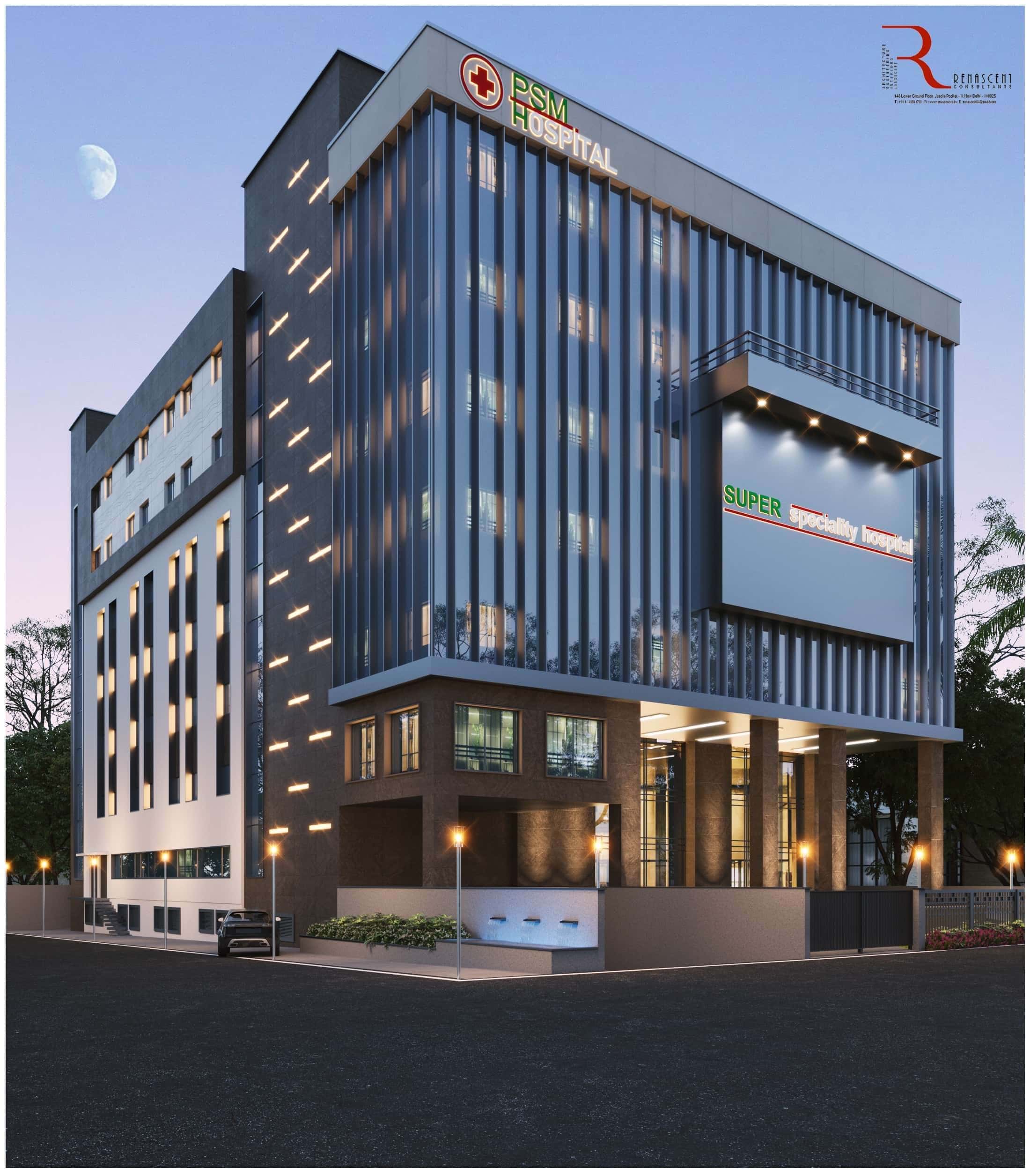
Ar. Shukla notes that architects will face increasing pressure to balance design intent with stricter performance expectations and tight project constraints. She says that clients now demand façades that are visually refined, energy-efficient, and durable, yet often expect them to be cost-neutral. According to her, the challenge lies in managing these “conflicting demands”—such as larger openings versus energy codes—without compromising the architectural vision or long-term maintainability.
Ar. Arya, Ar. Girdhar and Ar. Chandra agrees that striking a balance between creative expression and technical performance will be a primary hurdle. Ar. Arya opines that while architectural glass remains aspirational, it poses significant challenges in harsh climates regarding heat gain and glare; the question is no longer just how it looks, but how it performs. Ar. Girdhar notes that material choices will require a much deeper technical understanding as buildings must satisfy higher requirements for sustainability and user comfort. Ar. Chandra adds that there is a widening gap between conceptual intent and material reality, warning that if a material cannot survive cost scrutiny or site resistance, the design intent will collapse.
Ar. Sharma says that the coming years will test architects less on their imagination and more on their ability to integrate design intent with real-world constraints. He notes that a central challenge is balancing performance with budget, especially as clients demand sustainability while remaining cautious about cost implications. Furthermore, he points out a growing gap between specification and availability, where advanced materials may not be readily accessible for every project.
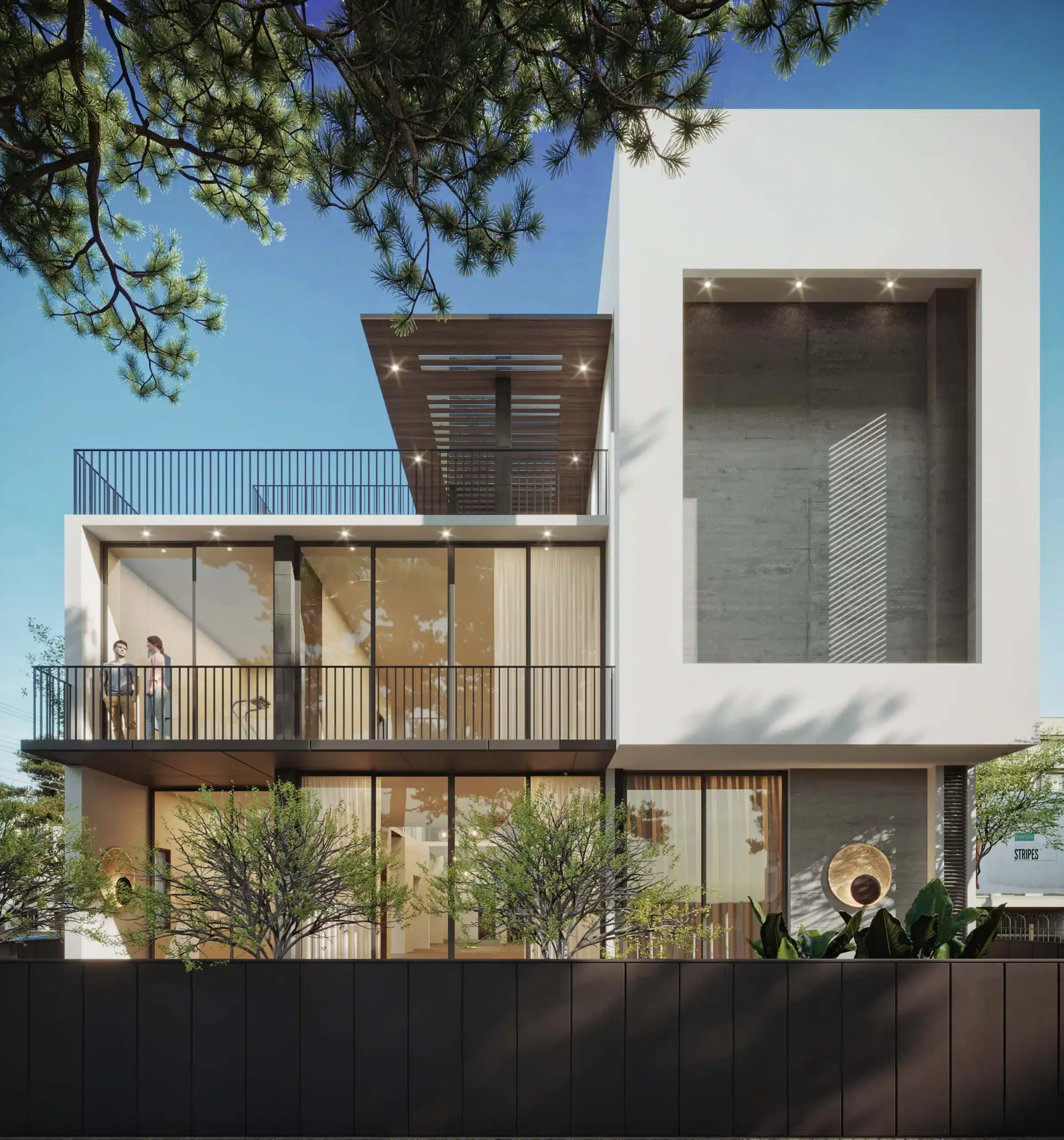
Ar. Yasmin opines that architects will face significant hurdles in juggling conflicting demands such as thermal efficiency, acoustics, and fire safety, all while working within accelerated schedules and restricted budgets. She says that designers will have to carefully align bold creative visions with rigorous performance standards to ensure the longevity of the building.
Ar. Girdhar and Ar. Chandra both highlights that external factors like supply-chain issues and changing regulatory frameworks will increasingly influence decisions. Ar. Girdhar says these factors often require architects to make well-informed trade-offs without sacrificing quality. Ar. Chandra concludes that architects must now “design ideas that anticipate friction,” ensuring that materials are selected based on embodied carbon, local availability, and contractor familiarity rather than aesthetics alone.
Strengthening Collaboration Between Architects And Industry Partners
Ar. Shukla notes that the partnership becomes most powerful when it shifts from a vendor–client relationship to one of co-creators of performance-led façade design. She opines that façade brands can add significant value by offering validated simulations, EPD-backed materials, and modular systems that balance aesthetics with speed and constructability. According to her, architects should take the opportunity to challenge brands and push design boundaries, ensuring that solutions remain practical, context-responsive, and maintainable. She says that for developers, this collaboration is essential to ensure that performance is embedded into the project’s early carbon goals rather than being retrofitted later.
Ar. Arya says that the future of successful partnerships lies in moving away from standard, off-the-shelf products toward custom-engineered solutions. He notes that when brands act as technical consultants during the design phase, they allow architects greater design freedom while meeting rigorous performance needs. This approach, he opines, encourages co-creation and drives innovation that responds specifically to climate, context, and contemporary design thinking.
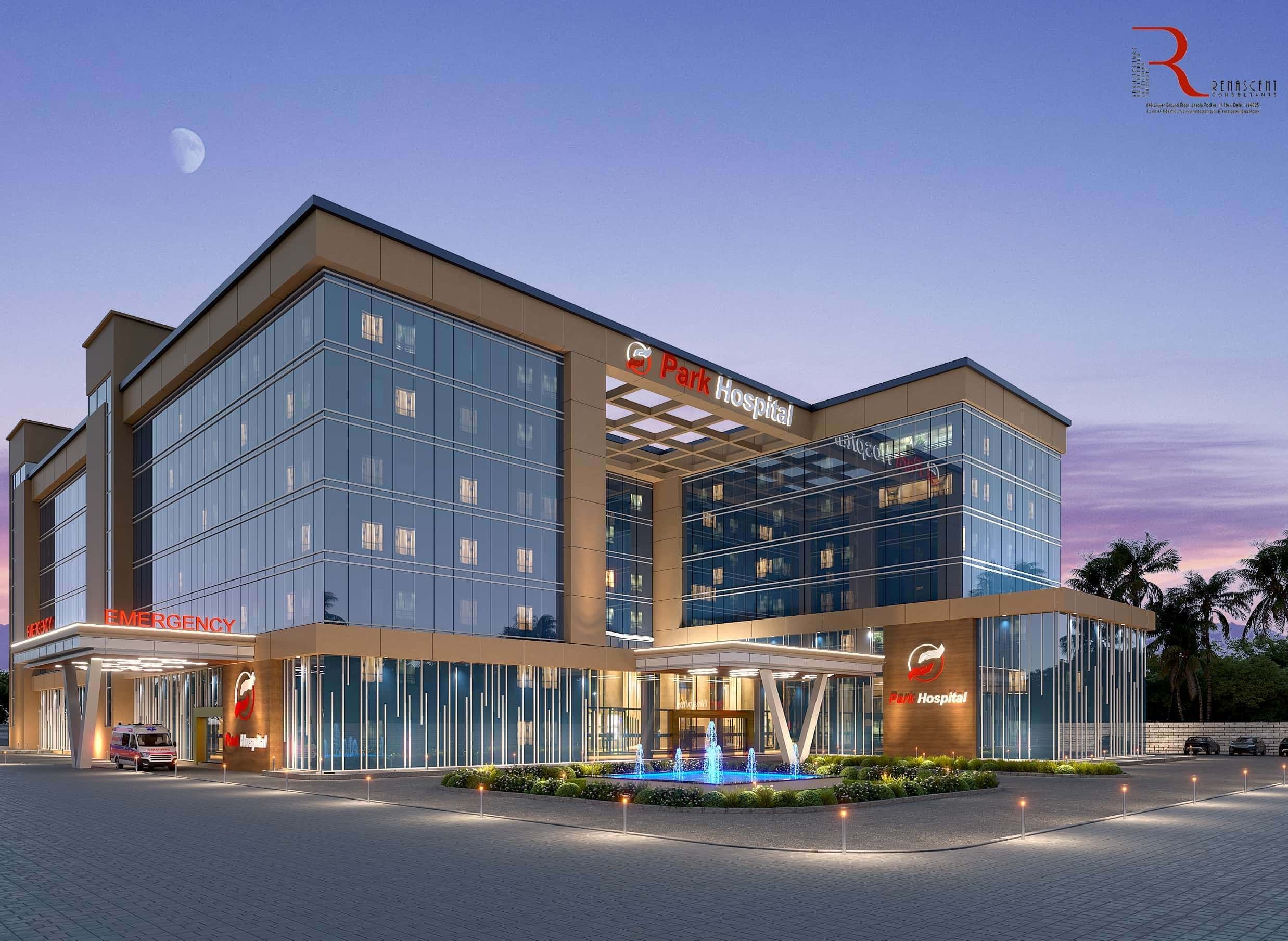
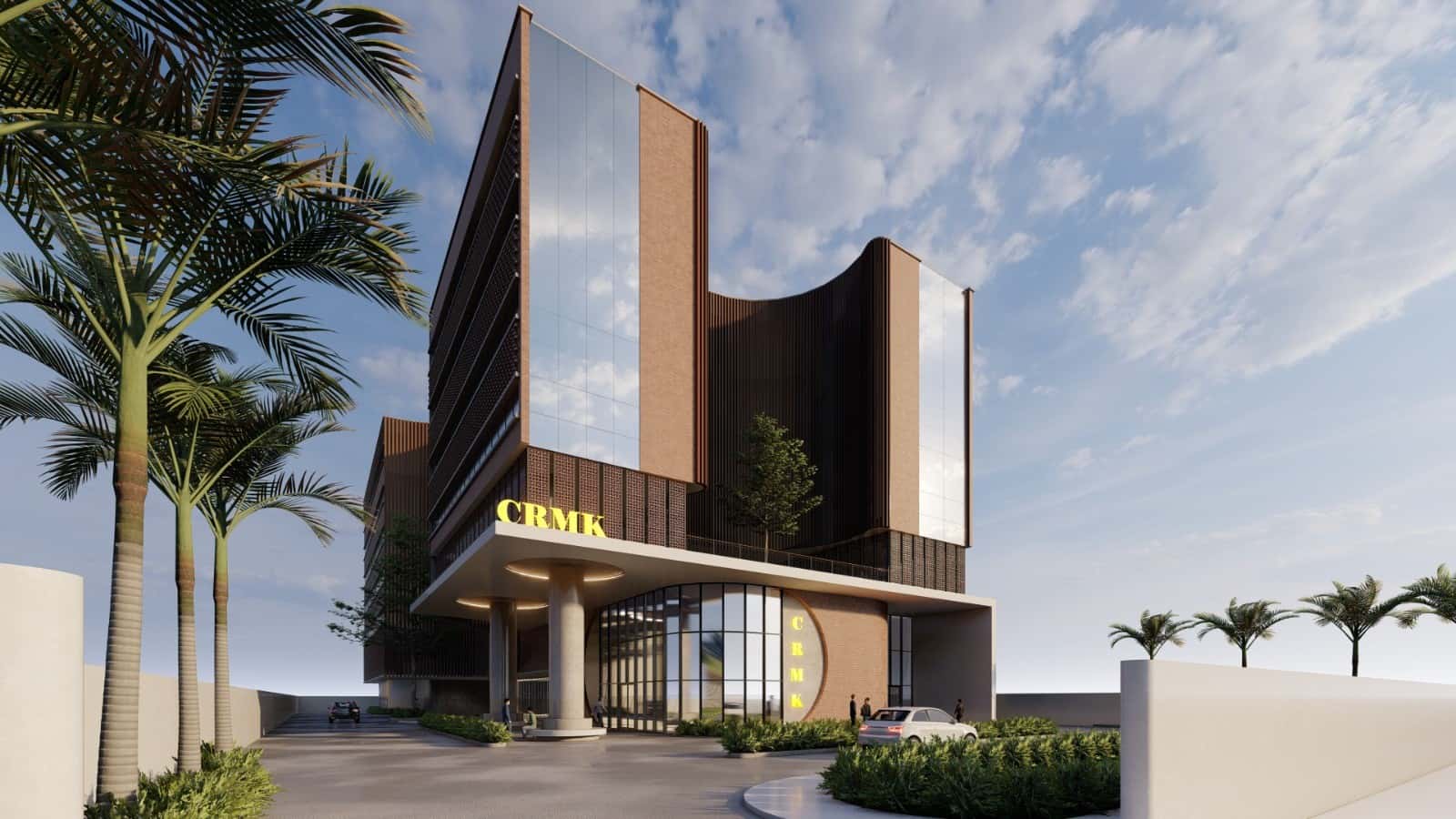
Ar. Chandra, Ar. Girdhar, Ar. Sharma and Ar. Yasmin agrees that the key to more effective partnerships is early-stage engagement, where technical expertise is integrated during concept development rather than just at the product specification stage. Ar. Chandra notes that as façade decisions are increasingly guided by early-stage simulations and real performance metrics, brands must provide transparent data to reduce guesswork and elevate accountability. Ar. Girdhar opines that a shift toward “consultative selling” is necessary, where brands offer technical depth and support that can be easily linked with buildability and performance goals. Ar. Sharma adds that when brands operate as technical partners rather than mere vendors, innovation becomes a natural outcome of the design process, allowing for the creation of systems that respond intelligently to local conditions. Ar. Yasmin says that open technical dialogue and realistic acknowledgement of system limitations help architects make informed decisions, prioritizing collaborative problem-solving over mere product promotion.
Dehery notes that effective future partnerships must be built on technical collaboration, innovation, and shared responsibility for performance. He says that brands should move beyond being suppliers to becoming “system partners” who provide end-to-end technical support, from parametric modelling to on-site execution. According to him, fostering a culture of co-innovation-where architects and brands work together to develop new materials and integrated systems—will be vital for addressing the complex challenges of sustainability, safety, and architectural expression.
The Future Of Façade And Fenestration Design: Opportunities Ahead
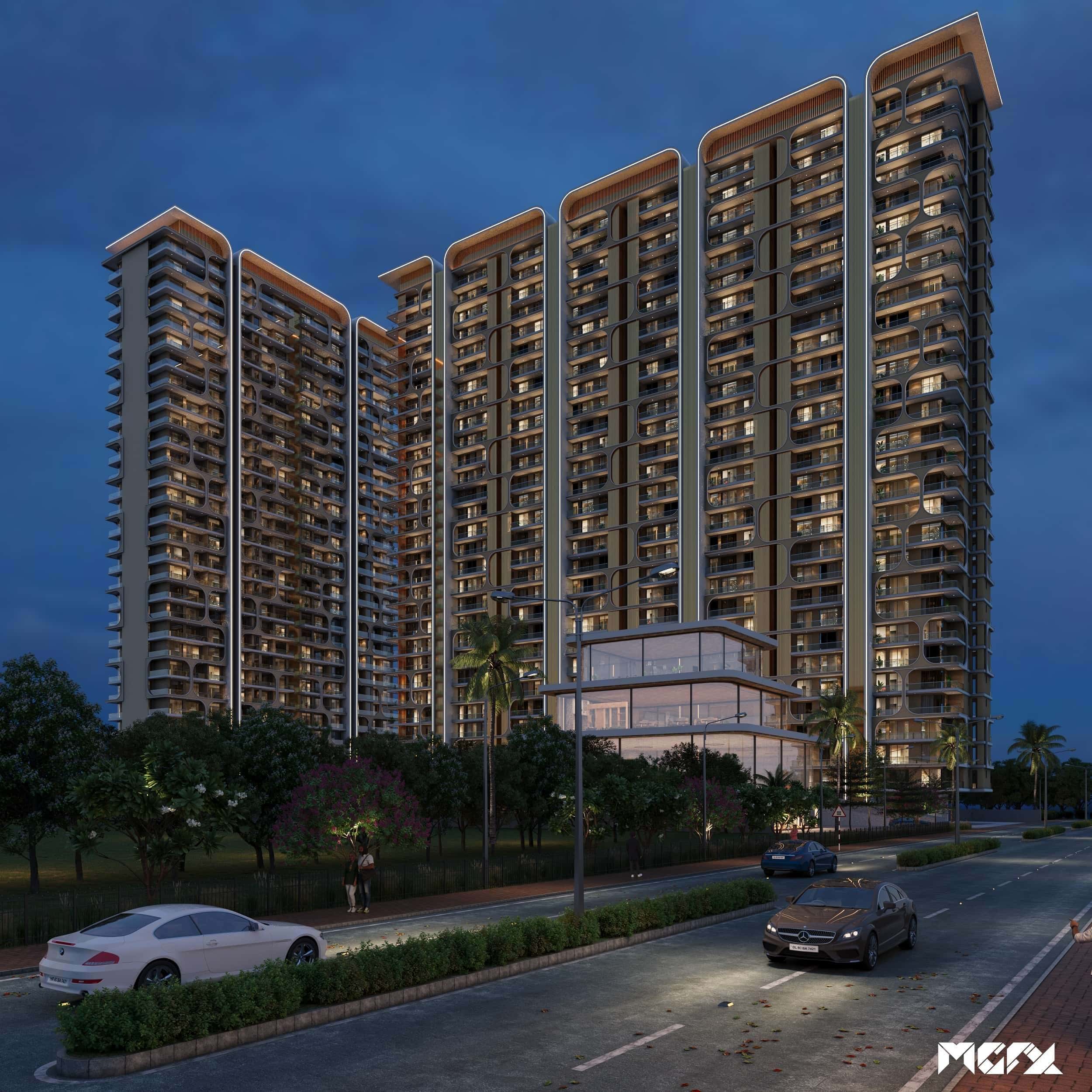
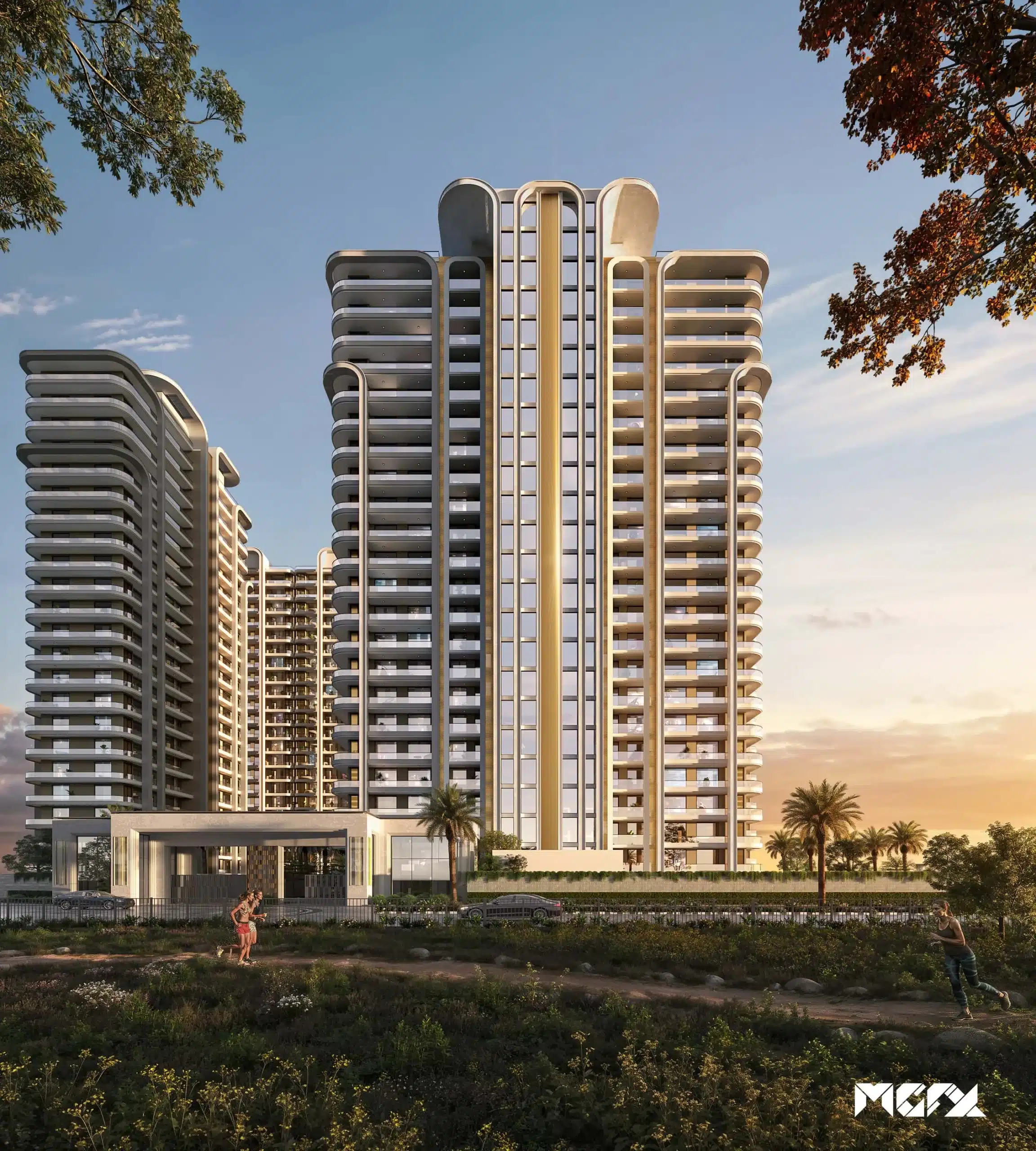
Ar. Shukla opines that the next five years will redefine façades as intelligent, collaborative, and wellness-oriented systems. She is most excited by the rise of adaptive, climate-responsive envelopes that directly improve occupant well-being by regulating heat, glare, and air quality. According to her, building- integrated photovoltaics (BIPV) will turn structures into active sustainability contributors, while AI and digital twins will drive predictive maintenance and precise fabrication. She further notes that deeper collaboration between architects and brands will enable the co-creation of these intelligent, co-designed ecosystems.
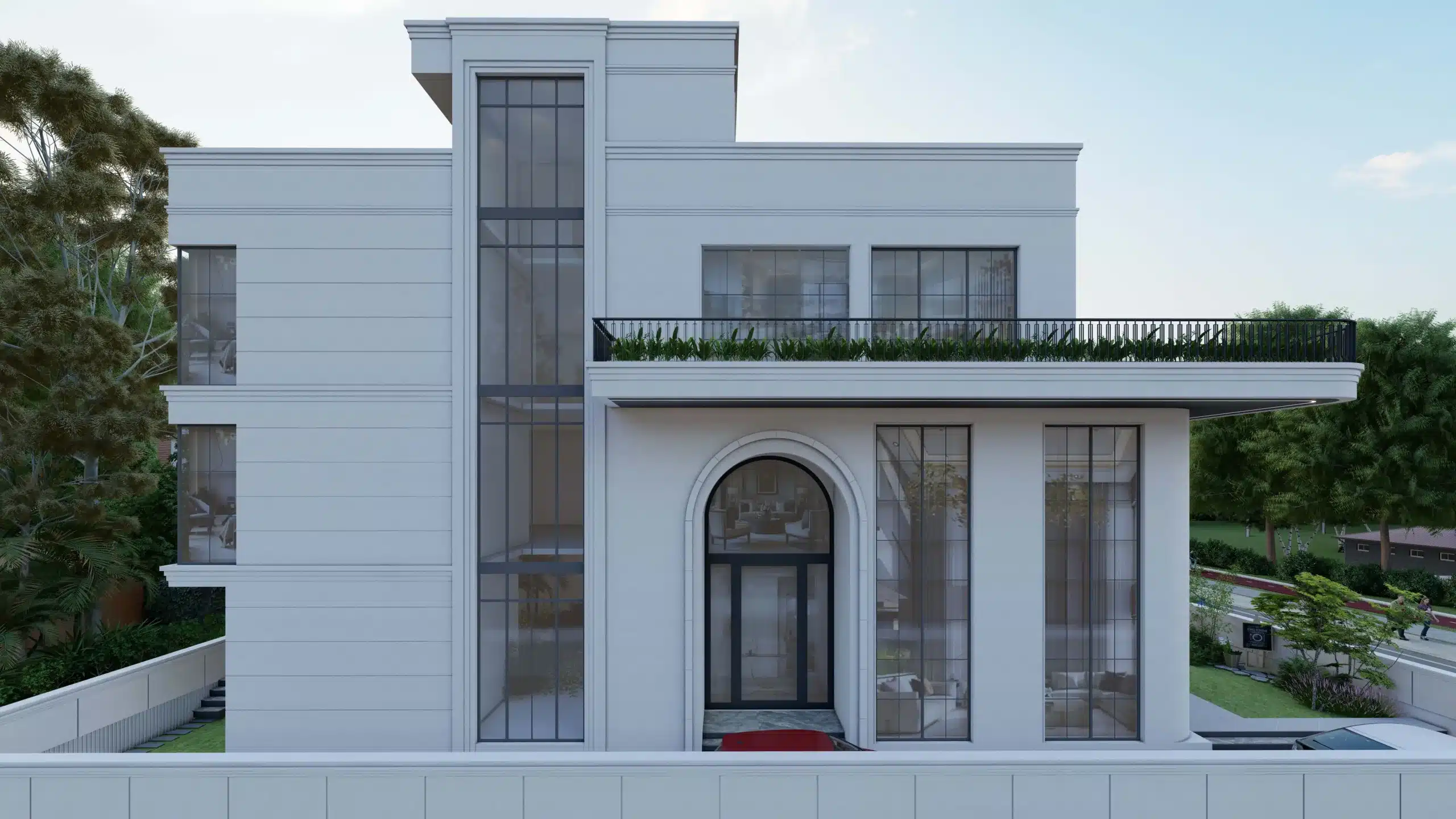
Ar. Arya says that the most exciting shift will be the integration of lighting as a core architectural element, allowing façades to become dynamic surfaces that transform from day to night. He notes that structures will appear calm during the day, while integrated RGB and pixel lighting will redefine their identity after sunset. This approach, already popular in Dubai and China, will gain momentum in major Indian cities, unlocking new possibilities for architectural expression.
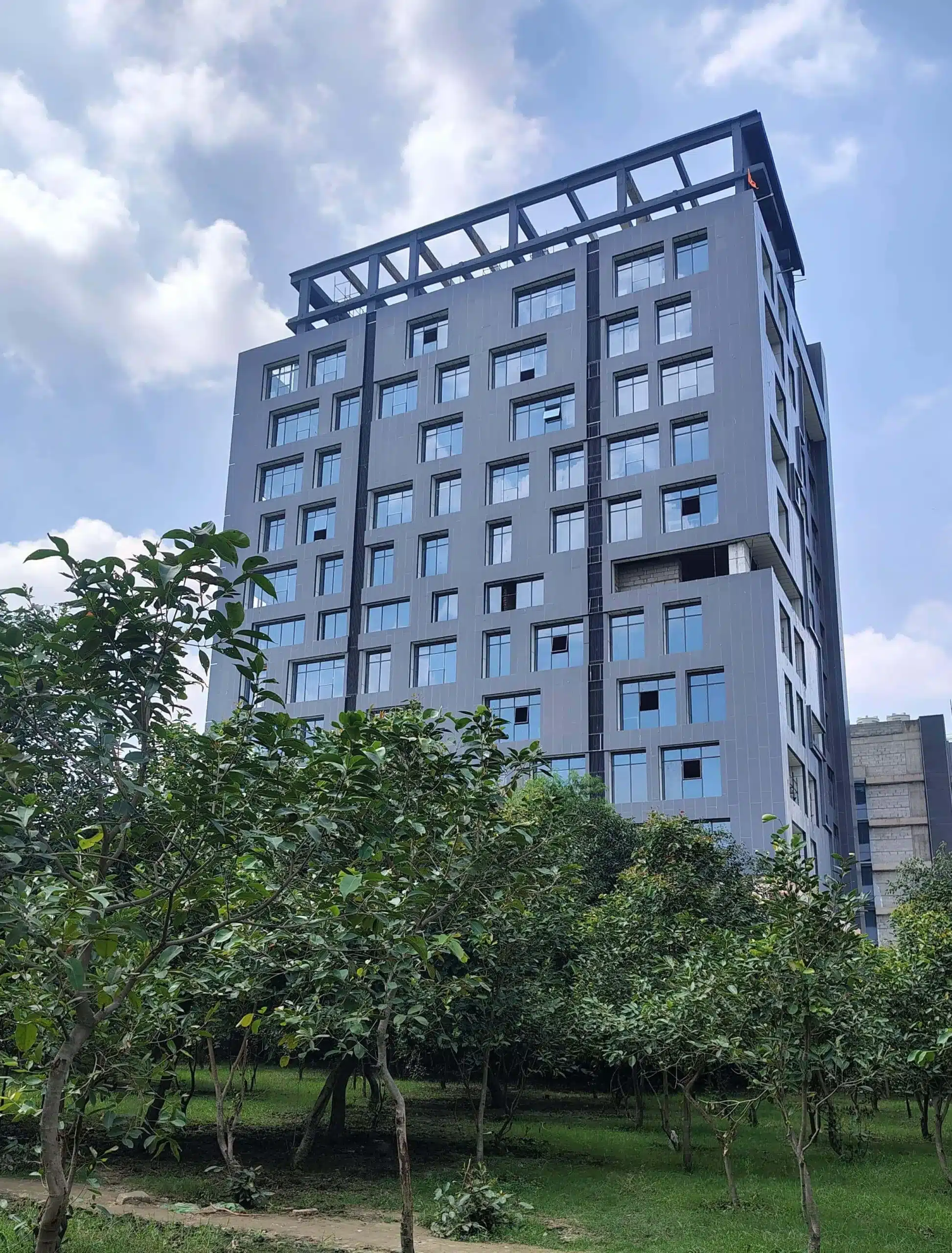
Ar. Chandra, Ar. Girdhar, Ar. Sharma and Ar. Yasmin agrees that the greatest potential for transformation lies in the transition of façades from static skins into active, intelligent building interfaces. Ar. Chandra notes that performance-driven aesthetics will restore architectural integrity, with buildings looking the way they do because of how they function. Ar. Girdhar and Ar. Yasmin adds that the convergence of smart glazing, integrated shading, and digital engineering will allow envelopes to respond instantly to light and heat demands. Ar. Sharma opines that this shift will be subtle but deeply impactful, favouring systems that respond and perform over those that simply express form.
Dehery says that the intersection of smart technology and advanced manufacturing will be the primary driver of excitement. According to him, the future belongs to ultra-low-carbon materials, such as bio-based cladding and circular systems that can be dismantled and reused. He also highlights the potential of robotic and parametric fabrication to enable complex, high-performance geometries that were previously too costly to build.
Ar. Yasmin further points out that prefabrication and data-driven design tools will improve precision and reduce construction timelines significantly. She notes that the ultimate transformation will see façades evolve into dynamic elements that actively promote the health and comfort of occupants alongside energy efficiency. Ar. Girdhar agrees, stating that this shift represents a move toward a more deliberate and robust architectural language that rethinks how buildings interact with their surroundings.
Conclusion
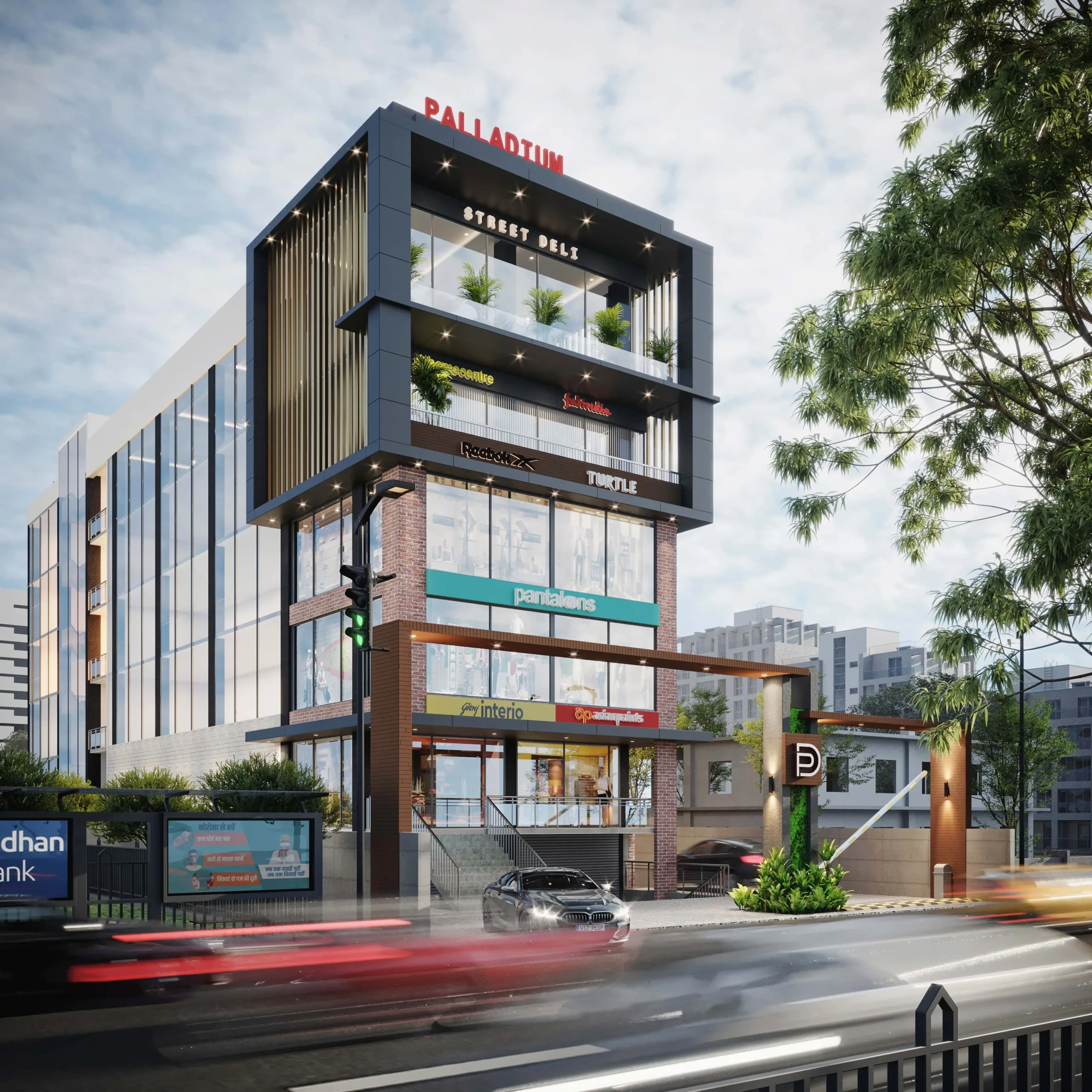
As we look beyond 2025, it is clear that the façade has evolved from a static boundary into a dynamic, living interface. The era of “visual novelty” for its own sake is being replaced by a return to architectural honesty, where the form of a building is dictated by its environmental and functional requirements. By integrating advanced materials like terracotta and low-carbon concrete with predictive digital twins and AI, the industry is creating structures that are not only resilient but also restorative.
The ultimate success of this new direction rests on the continued transition from vendor-client relationships to deep technical partnerships between architects and manufacturers. As buildings become active contributors to sustainability through technologies like integrated photovoltaics and adaptive shading, the focus remains firmly on the human experience. Ultimately, the façades of tomorrow will be judged by their ability to balance bold design ambition with the quiet, measurable responsibility of protecting both the occupant and the planet.