
Post Date: August 19, 2026 |
Last Edited: August 20, 2026
Acoustic Performance In Modern Facades And Fenestration
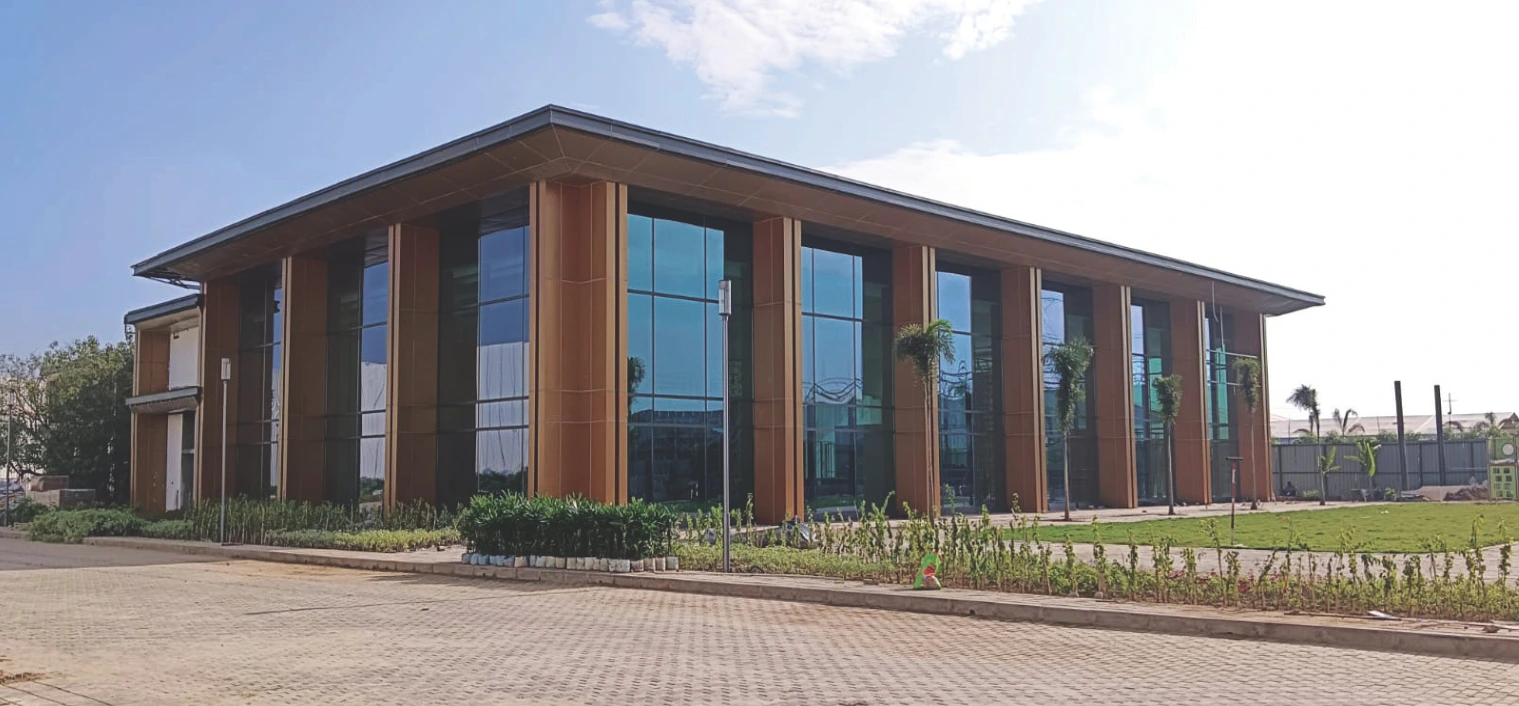
Acoustic performance has emerged as one of the defining markers of a well-engineered façade, and the Indian industry is moving on this with real intent. Leading developers and consultants are increasingly building acoustic comfort into their design brief from the outset, recognising that occupant experience-not just thermal and visual comfort-defines a building’s long-term value.
Glazing configuration-asymmetric pane combinations with acoustic PVB interlayers deliver a meaningfully higher Sound Transmission Class than conventional DGUs, and the best consultants are now specifying these proactively. Perimeter integrity-sound leakage often occurs at the frame-to-structure interface, so collaboration between the façade contractor and the installation team on gasket compression and sealing detail is critical. Facade system design-unitised curtain wall systems, when detailed with continuous acoustic seals at panel-to-panel joints and structural silicone glazing junctions, significantly outperform stick-built systems in sound attenuation, and we are seeing growing appetite among forward-looking developers to specify unitised systems for precisely this reason.
Thermally broken profile design-while primarily specified for thermal performance, the polyamide or polyurethane thermal break also interrupts structure-borne sound transmission through the frame, offering a meaningful acoustic benefit that is essentially “free” alongside the thermal upgrade.
Balancing Acoustic Comfort, Thermal Efficiency, Daylighting, Sustainability, Aesthetics, And Occupant Well-Being
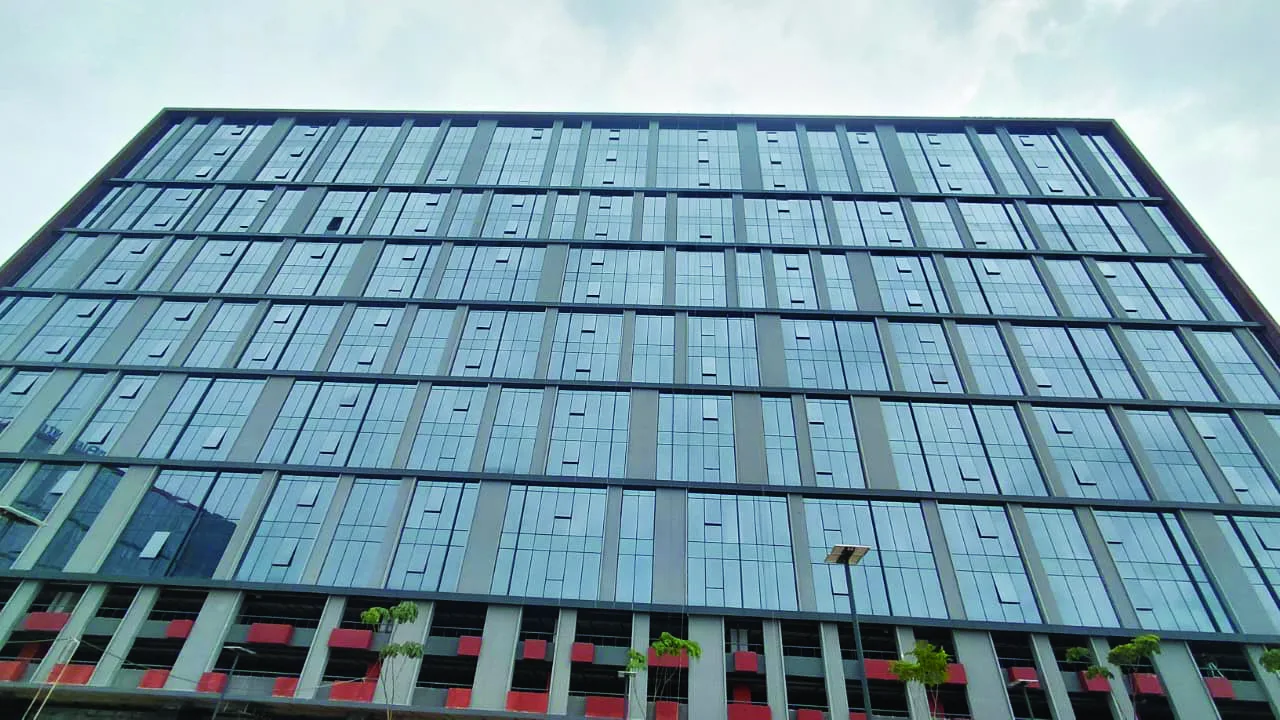
This balance is the central craft of facade design, and what I find most encouraging is how Indian developers and consultants are increasingly thinking about it holistically rather than as a checklist.
When I work through this balance with a project team, I prioritise four considerations.
First, aesthetics as the anchor-it is what gives a building its identity and the developer’s vision its first expression, and every performance decision downstream is built to honour that intent, not compromise it.
Second, sustainability and daylighting in tandem-the best consultants are now resolving visible light transmission against the solar heat gain coefficient early in the design process, using high-performance low-E coatings and shading geometry together rather than treating glazing as an afterthought once the façade language is fixed.
Third, thermal efficiency through system design-thermally broken aluminium profiles and well-detailed unitised systems reduce heat transfer at the frame, complementing the glazing performance rather than relying on glass alone to carry the thermal load.
Fourth, occupant well-being and acoustics layered in together-increasingly, forward-thinking developers are specifying for both simultaneously, recognising that a comfortable interior environment is now as much a part of building value as its skyline presence.
My approach is to establish this hierarchy transparently with the design team at project inception, so every trade-off is a conscious, collaborative decision.
Emerging Materials And Façade Technologies Making The Greatest Impact On Building Envelope Performance
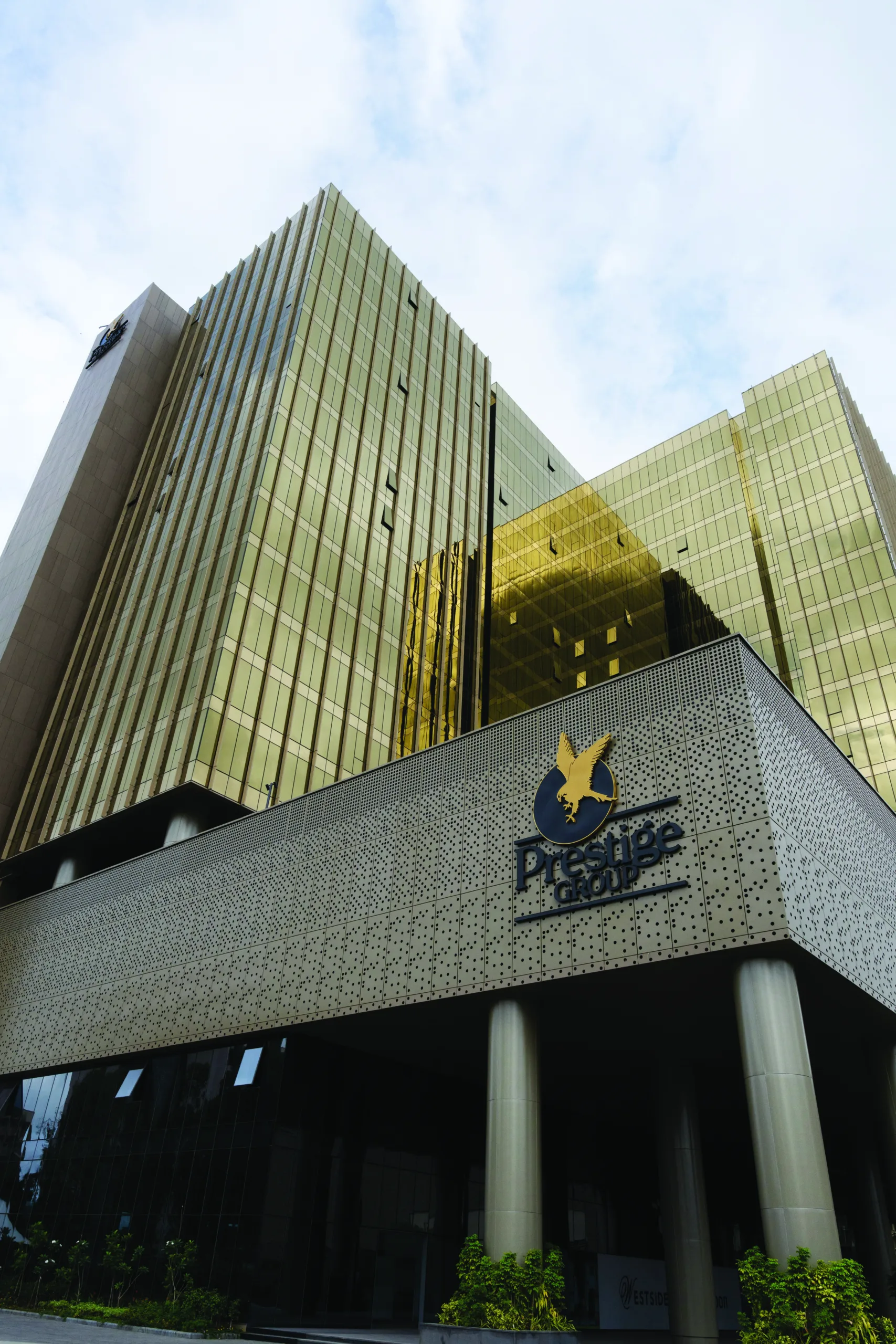
The façade is no longer a passive skin-it is becoming an active, responsive system, and four developments stand out to me as genuinely redefining envelope performance.
First, switchable and adaptive insulation systems. Beyond conventional thermal break profiles, the next generation of envelope technology involves façades that actively switch between heat-retention and heat-rejection modes depending on outdoor conditions, combining a kinetic external layer, an adaptive insulation core, and a ventilated cavity, with embedded sensors making real-time configuration decisions. This represents a genuine shift from static thermal performance to dynamic thermal intelligence, and I expect early versions of this thinking to filter into premium Indian developments within the next few years.
Second, bio-inspired kinetic shading. Drawing from the way plant structures respond to light and humidity, shading systems are now being designed with shape-memory alloys and moisture-responsive composite materials that physically reconfigure without motors or sensors, offering daylight and solar control that adapts passively, with a far lower maintenance burden than first-generation motorised kinetic façades, several of which struggled with long-term reliability.
Third, dynamic glazing-electrochromic and thermochromic glass that shifts tint in response to sunlight and temperature, resolving the daylight-versus-heat-gain conflict at the glazing layer itself rather than through external devices.
Fourth, building-integrated photovoltaics-facades that generate energy as a structural and design layer, not an add-on.
The leading consultants and developers I work with are already exploring how these technologies translate into the Indian context.
Role Of Fenestration Evolved With Advancements In Glazing And Smart Technologies
Fenestration has evolved from being a basic building component to a high-performance integrated system that contributes to comfort, security, energy efficiency, and user experience. The most significant advancement has been the development of high-performance glazing solutions, including tinted, laminated, and security glass, which improve thermal insulation, reduce noise, enhance safety, and maximise natural daylight. However, glazing alone cannot deliver these benefits in isolation. The frame system plays an equally critical role in supporting structural integrity, minimising thermal transfer, ensuring airtightness, and enabling the glass to perform at its full potential.
At the same time, smart technologies are redefining how users interact with windows and doors. The future of fenestration lies in viewing the façade as a complete performance system-where advanced glazing, engineered frames, precision hardware, and intelligent automation work together to deliver a superior built environment.
Key Challenges In Retrofitting Existing Façades & Fenestration Systems
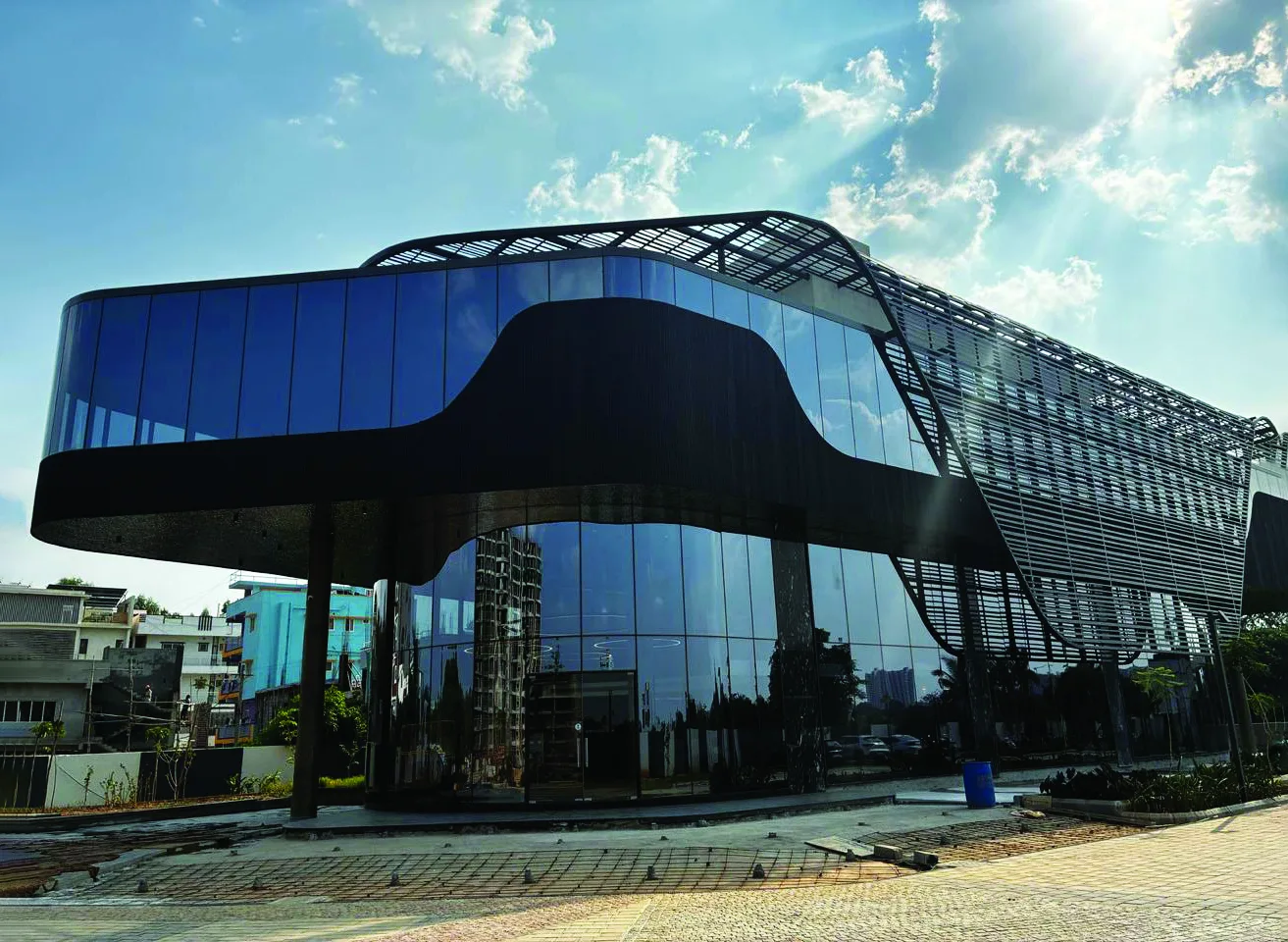
When I assess a retrofit project, four factors shape the approach. First, return on investment-the business case must be built carefully, since retrofit economics depend heavily on asset repositioning value, energy savings, and tenant retention, and the most successful projects are the ones where the developer and consultant align on this early. Second, structural feasibility-ageing buildings often were not designed for the additional loads of new façade systems, so structural assessment has to inform material and system choice from the outset, not be reconciled after design. Third, occupant disruption-minimising downtime during execution requires careful sequencing, particularly in occupied commercial buildings, and the contractors who do this well are increasingly valued for exactly this capability. Fourth, performance integration-the real opportunity in retrofit is addressing thermal, acoustic, and sustainability gains together rather than sequentially: replacing glazing with high-performance low-E units, upgrading to thermally broken frames, and improving perimeter sealing, all in a single intervention, delivers compounding returns.