Post Date: November 27, 2026 |
Last Edited: November 27, 2026
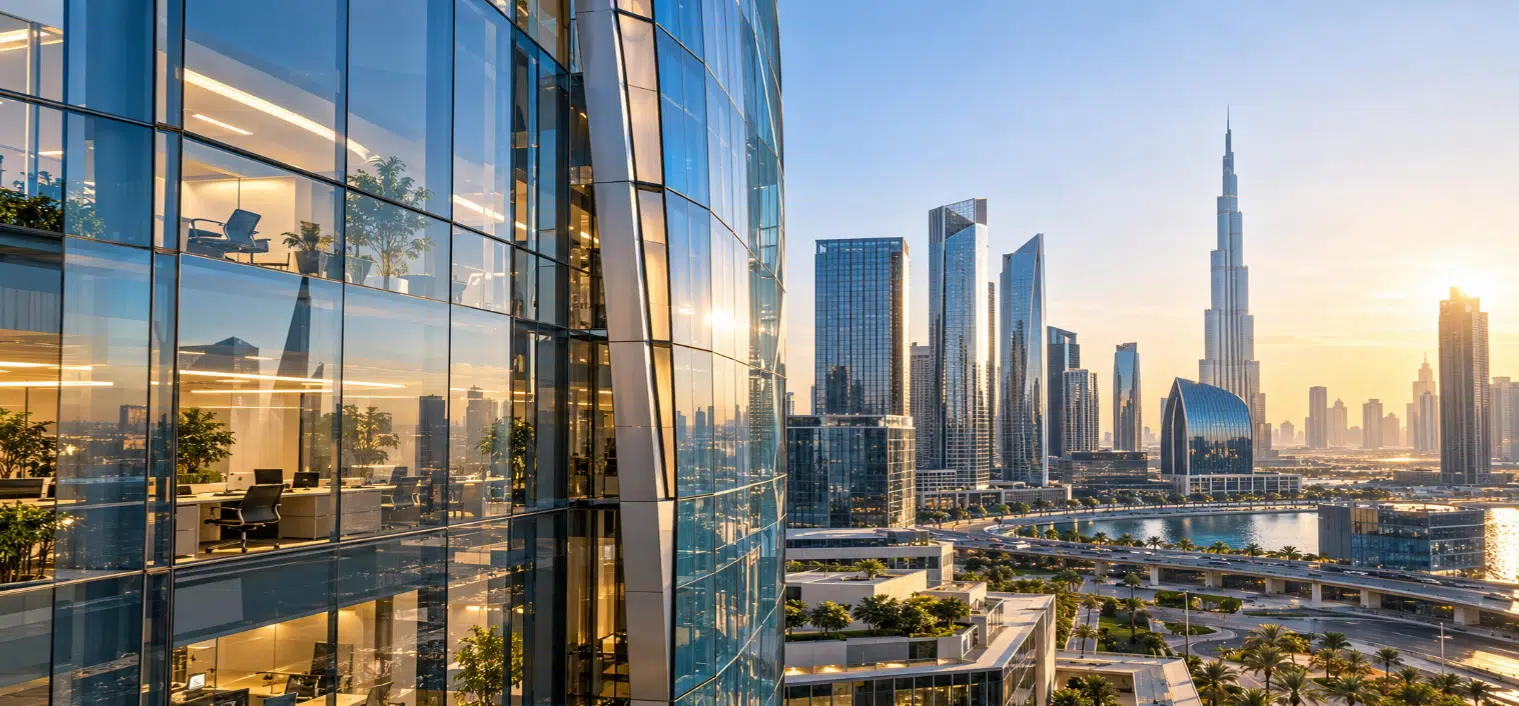
Glass has moved far beyond being a pane in a frame. Today it is a performance material that shapes how a building looks, how much energy it consumes, how safe it is and how its occupants feel inside it. Façades are also under pressure: they are said to account for nearly 40% of the construction sector’s global emissions, so the way they are designed matters to every building and to the cities built from them.
The façade of the future is already taking shape. Low-emissivity (Low-E) coatings, double, triple and vacuum-insulated glazing, electrochromic and other dynamic glass, building-integrated photovoltaics, and sensor-driven shading are turning façades from passive skins into active, responsive systems. Advances in manufacturing, from large-format panels and cold-bent glass to digital printing and advanced lamination, are widening what architects can design and what engineers can deliver.
Specifiers now weigh far more than looks. Energy efficiency, solar control, acoustic comfort, safety and security, weather resistance, recyclability and long-term maintenance all feed into the choice of glass, and the answers differ from the Gulf to the UK. Natural daylight and occupant well-being, once soft benefits, now sit alongside U-values and solar heat gain on the specification sheet.
This cover story is based on expert opinions and covers the latest trends in glass façade design and glazing technology, how modern façades improve energy efficiency, the factors that keep them safe and durable in different climates, and their role in sustainable building practices and green certifications. It also looks at the glass options available for aesthetic effect, the evolution of smart glass, best practices for maintenance, the interactive features changing the user experience, the contribution of glass to occupant well-being, and where façades and glazing are heading next.
Latest Trends In Glass Façade Design And Glazing Technology

Maher Khouise points to smart façades as the defining shift. These systems use sensors to monitor temperature, sunlight and wind, then adjust shading, ventilation and glass transparency in response, improving interior comfort while reducing reliance on HVAC. Alongside them, he sees a resurgence of stick system façades, valued for their adaptability in retrofits because repairs can be targeted without major disruption; the SLS Dubai Hotel and Residences is a recent example. At the expressive end, parametric and twisted façades demand bespoke unitised systems and advanced engineering, with the Wasl Tower in Dubai cited as one of the world’s tallest ceramic façades, complete with twisted geometry. Cold-bent panels (bent up to 40mm), combined with kink or fish-scale panels, now make curved and twisted forms achievable, though Maher cautions that the primary and secondary structural silicone seals must be designed meticulously, since elastic bending creates continuous tensile and shear forces. Minimalist façades, dynamic façade systems and solar panels embedded in the envelope complete his list.

According to Paavan Atluri, the energy-driven trends are Low-E coatings that limit UV and infrared transmission while letting visible light through, double and triple glazing filled with argon or krypton, and photovoltaic glazing that lets buildings generate their own electricity. On the technology side, he highlights electrochromic glass that changes tint electrically, thermochromic glass that responds to temperature, photochromic glass that darkens in sunlight, and suspended particle and liquid crystal devices for flexible light control.
Curved and bent glass, digital printing and ceramic fritting are expanding design freedom, while blast-resistant and bulletproof glass are increasingly adopted in high-security applications.

Victor Georges Gemayel sees electrochromic glass, double-skin façades prized for thermal and acoustic insulation, biophilic design and kinetic façades that react to the environment as the leading trends. For Jordan Shear, UK practice is moving towards recycled and low-carbon glazing, biophilic design built around natural light and wellness, and vacuum-insulated glazing for superior thermal performance, while prestigious buildings add integrated sensors, LED displays, curved glass and dynamic glazing such as adaptive and double-skin façades.

Looking back over the last decade, Tamer Adnan Nezha identifies high-performance coatings, large-format glass, dynamic glazing, advanced lamination and digital printing on glass as the advances that have reshaped façade construction.
How Modern Glass Façades Contribute To Energy Efficiency

Modern glazing offers strong insulation potential, notes Jordan, though the weak points are often the frames and connection interfaces. His list of innovations includes double, triple and vacuum triple-glazed units, high-performance spacer bars, Low-E and solar control coatings, and photovoltaic glass integrated with smart systems.
Victor adds that Low-E coatings and insulated glazing units (IGUs) reflect infrared heat while maintaining interior comfort, and photovoltaic glass generates solar energy on site, together reducing HVAC dependency, operating costs and the building’s carbon impact.
Paavan points to IGUs with warm-edge spacers that cut thermal bridging, spectrally selective glazing tailored to the climate, dynamic glazing that adapts in real time, and double-skin façades that act as a thermal buffer in high-rise buildings.
Tamer says Low-E coatings reduce heat transfer by reflecting infrared radiation, multiple glazing layers create insulating gaps, and adaptive glass technologies together lower both heating and cooling demand.
Maher expands the toolkit with the following:
- Vacuum Insulated Glass (VIG): vacuum seals between panes deliver U-values as low as 0.5 W/m2K, which is especially valuable in colder climates, with slimmer profiles than conventional double glazing.
- Dynamic Glazing: electrochromic and thermochromic glass adjust tint to cut glare, control solar heat gain and reduce cooling loads.
- Integrated Solar Control and Shading: external shading maximises daylight while minimising unwanted heat.
- Ventilated Façade Systems: natural airflow between the façade and the building envelope enables passive cooling.
- Building-Integrated Photovoltaics (BIPV): typical efficiencies of 12.5% to 16.5% reduce dependence on external energy and lower operating costs over time.
- Building Management Systems (BMS): real-time monitoring and adjustment of shading, ventilation and HVAC based on occupancy and conditions.
Safety And Durability Of Glass Façades Across Climates
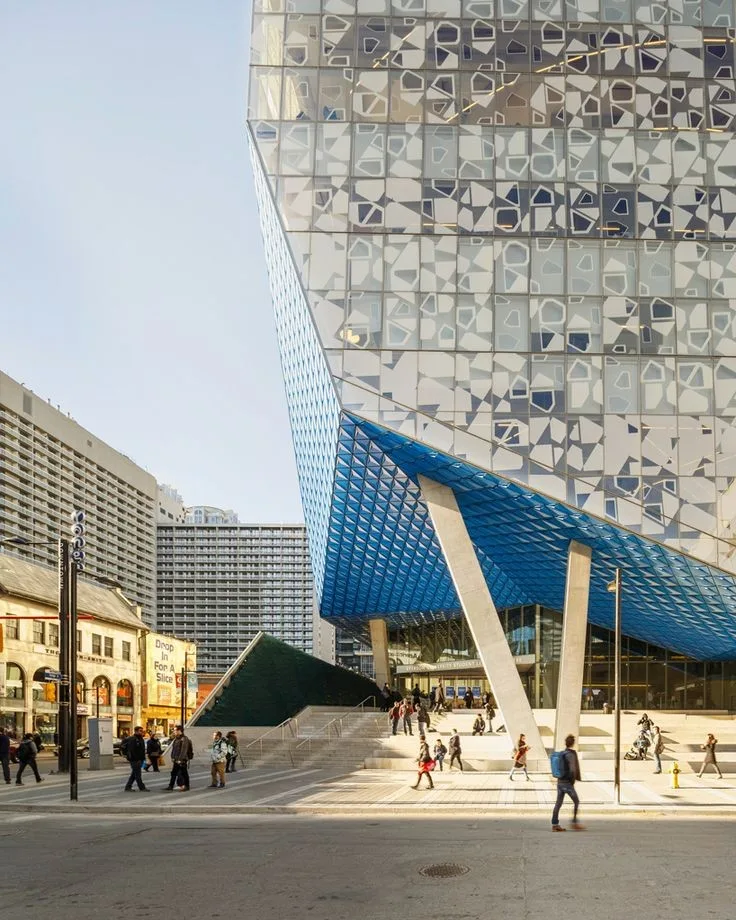
Victor recommends specifying impact-resistant glass for severe weather zones and laminated safety glass to prevent shattering, with the thermal performance of the glass selected to avoid stress-related breakage. Quality sealants and anchor systems let the façade withstand wind loads, temperature extremes and seismic activity, and periodic inspections keep it reliable. Tamer notes that improved lamination and tempering processes, along with hurricane-resistant glazing systems, are strengthening glass against extreme weather.
Maher frames the wider checklist: façades must resist wind, seismic and thermal expansion forces, and Performance Mock-Ups (PMUs) reveal how they will behave in the real world. Weather resistance depends on the design of framing, joints and seals, and coastal projects need saltwater corrosion-resistant materials. Laminated and speciality glass improves acoustic insulation in cities, fire-rated glass is critical where regulations demand it, and façade complexity should always match the capabilities of contractors and suppliers. High-quality materials may cost more upfront, he adds, but pay back through lower maintenance and replacement costs.
Paavan brings a risk-based approach, referencing British Standards BS 6262 and BS 5516 for wind and snow loads, expansion joints for thermal stress, and CIRIA C632 guidance on glazing at height.
Glass types behave very differently when they break:
- Annealed Glass: breaks into large, sharp shards with no mechanism to retain them.
- Heat-Strengthened Glass: behaves similarly to annealed glass when broken.
- Toughened Glass: breaks into small dice, which may remain interlocked.
- Laminated Glass: remains intact, with the pieces retained by the interlayer.
Paavan advises that a glass risk assessment be carried out for different glazing types to determine whether each is appropriate and acceptable in its location, taking into account wind, temperature, vandalism and building movement. Mitigation measures include restricting access below glazing, applying safety films, installing protective netting and adding manifestation to reduce the likelihood of impact. Jordan adds that anyone working with façades must understand glass breakage and the risk it poses to people near or within the glazing area, that competent designers and installers are essential, and that information on glass composition, drawings and maintenance strategy should be kept accessible on site. Paavan also stresses safe handling in transport and installation, prompt repair of damaged components and protection against humidity, corrosion and UV degradation, backed by regulatory testing and certification.
Glass Façades In Sustainable Building Practices And Green Certifications
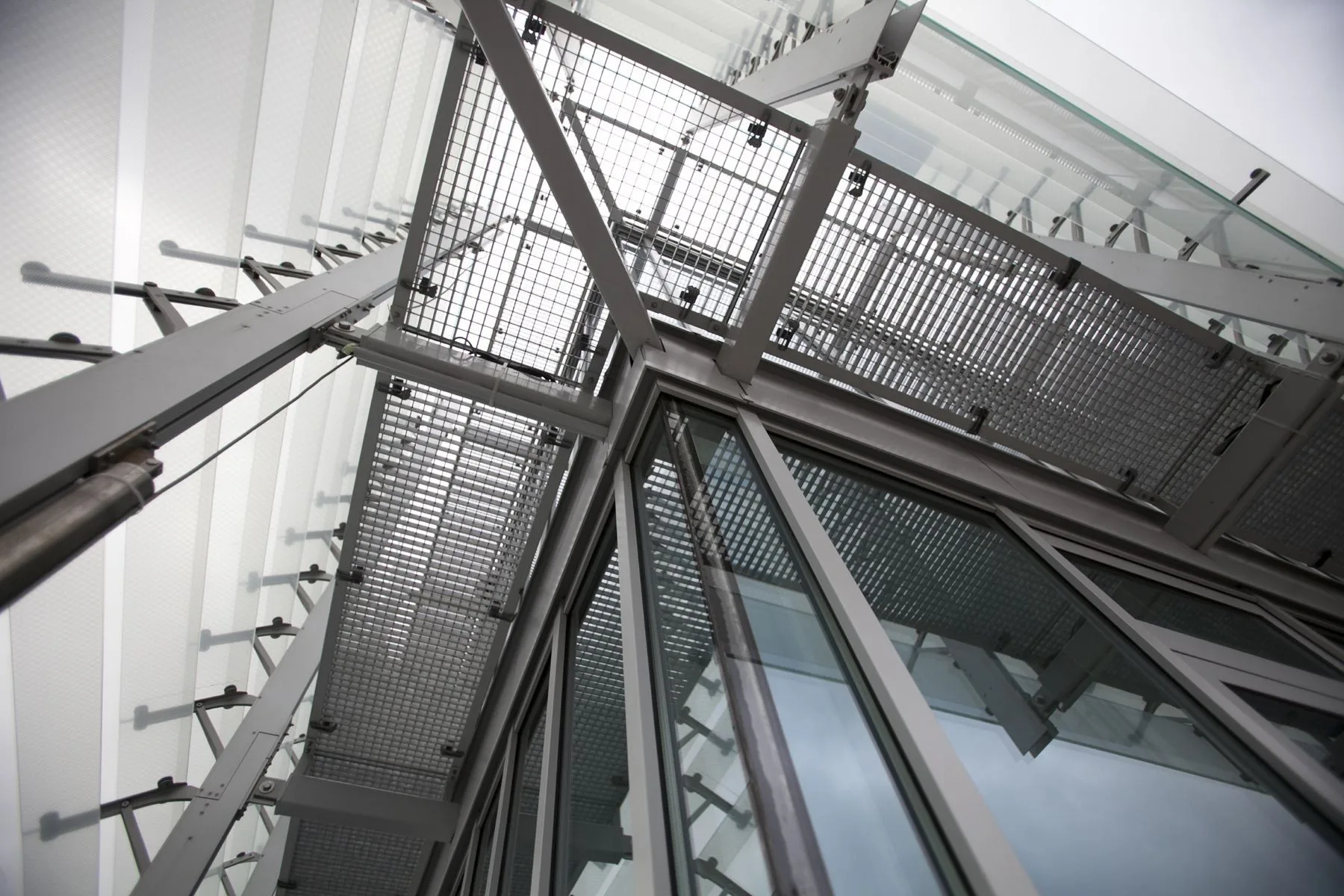
Glass façades support sustainability by optimising daylight and cutting the need for artificial lighting, says Victor, and by generating renewable energy through photovoltaic installations. For LEED, he suggests pairing façades with automated shading to manage heat gain, applying Low-E coatings for efficiency gains and sourcing locally manufactured glass to qualify for Regional Materials credits.
Maher notes that all the strategies discussed correspond to specific LEED credits and prerequisites, and highlights the following practices:
- Heat Island Reduction: reflective glazing and appropriate shading lower heat absorption, easing urban heat island effects and cooling demand.
- Façade Commissioning: well-commissioned façades, backed by thermal energy modelling, cut energy use and operating costs and improve occupant satisfaction.
- Material Selection: aluminium suits a circular economy because it can be recycled indefinitely without losing its properties; recycled aluminium needs only about 5% of the energy of primary production, and roughly 75% of all aluminium ever produced is still in use.
- Modular Façade Systems: off-site manufacturing improves efficiency and reduces waste, transport and on-site assembly emissions.
- Life Cycle Assessment (LCA): building LCA into the design process gives a full picture of environmental impact and supports better decisions.
In the UK, Jordan observes that while glass is inherently durable and recyclable, the added thermal and performance components can affect its carbon footprint and recyclability. Certifications such as BREEAM, NABERS and Passivhaus reward carbon, daylight and energy performance, and in his words, “strategic glass selection and design in the façade can significantly boost a building’s sustainability.” Tamer points to the industry’s growing use of recycled glass content, optimised manufacturing, longer-lasting products, dynamic glazing that reduces HVAC loads and Environmental Product Declarations (EPDs) for transparency. His selection criteria for modern glazing are energy efficiency, solar control, acoustic performance, safety and security, aesthetics and weather resistance.
Glass And Glazing Options For Aesthetic Effects
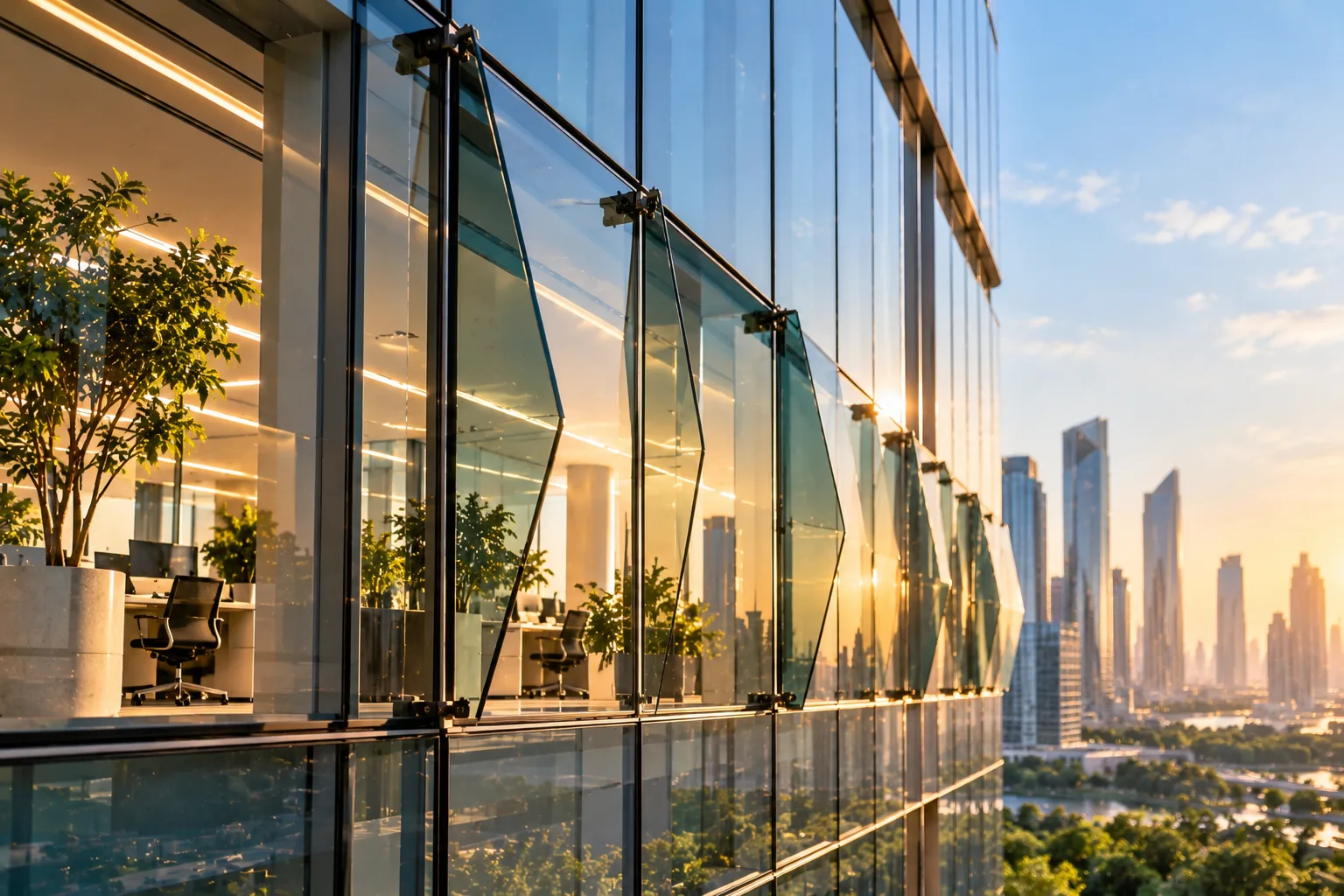
Victor lists fritted and silk-screened glass for patterns, coloured and tinted glass for visual interest, reflective glass for a contemporary look with added privacy, spandrel glass to conceal structure, and etched or frosted glass to diffuse light while preserving privacy. Jordan adds that the range runs from ultra-clear, low-iron annealed glass for retail to textured, mirrored, fritted, etched, coloured and patterned options, and that glass can be shaped for specific effects.
Maher goes deeper into the palette:
- Clear Glass: standard float glass has a slight green hue from its iron content; mid-iron glass is more transparent, and low-iron glass offers exceptional clarity and a neutral look.
- Reflective Glass: enhances daytime privacy, controls solar gain and reduces glare, while anti-reflective coatings suit areas where visibility matters.
- Tinted Glass: metal oxides added in production create green, grey, blue or bronze tints; tinted glass typically needs tempering to cope with higher heat absorption.
- Curved Glass: heat treatment enables complex shapes, including conical and spherical forms, with coatings that preserve energy performance.
- Acid-Etched Glass: a translucent, satin-like finish that diffuses light, protects privacy and hides fingerprints.
- Bird-Friendly Glass: fritting, etching, UV printing or lamination patterns help birds recognise glazing as a barrier while remaining subtle to people.
- Painted Glass: paint on one side creates a uniform lacquered finish in a wide range of colours, ideal for spandrels and decorative elements.
- Coated (Low-E) Glass: thermal insulation and solar control options for different climates, orientations and design concepts.
- 3D-Printed Glass: an emerging route to custom, intricate shapes and patterns.
- Stone-Laminated Glass: stone bonded to glass produces lightweight, attractive façade panels, as seen in the stone-laminated double glazing at the Abdali Gateway in Amman, Jordan.
How Smart Glass Technology Is Evolving
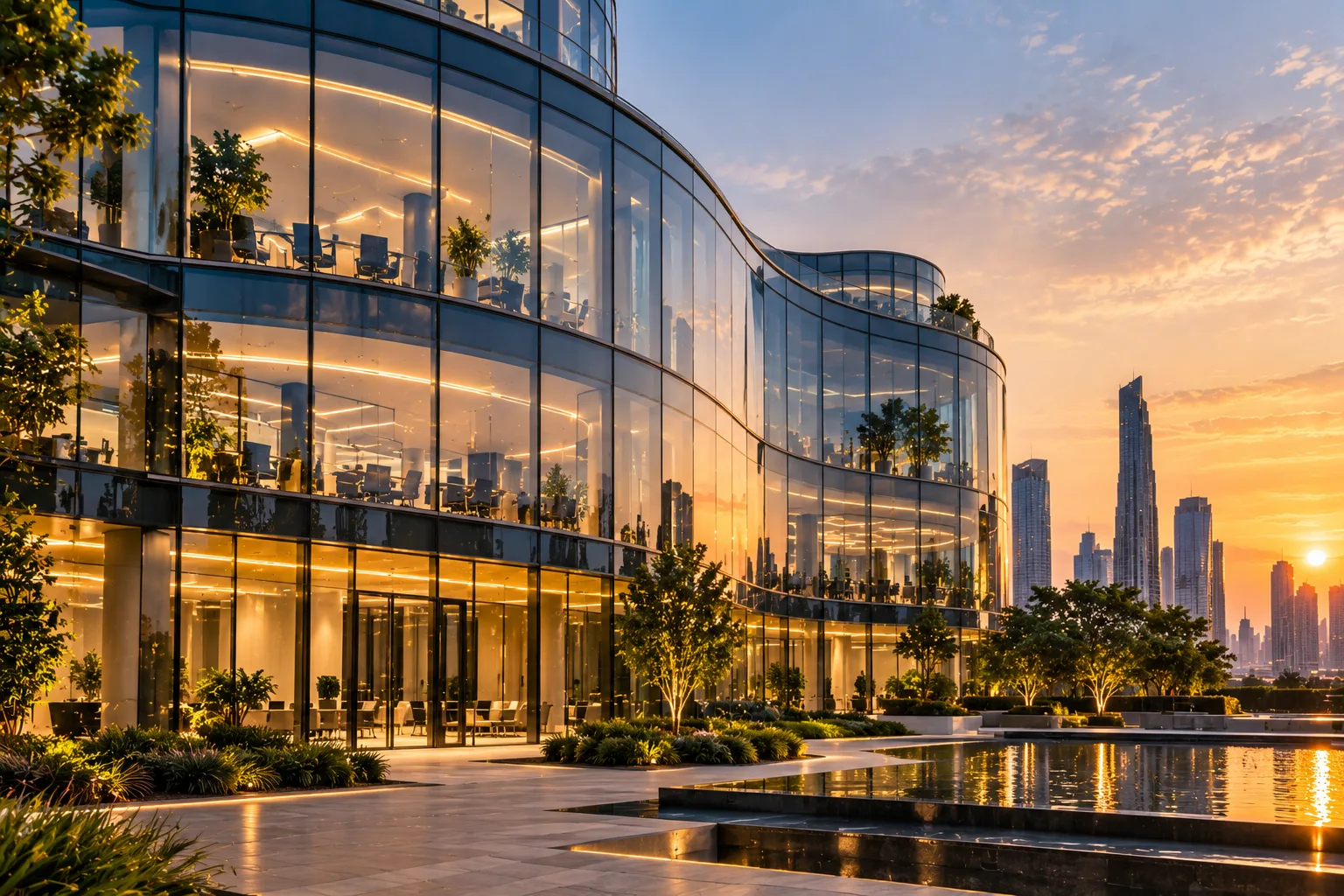
“Smart glass technology is advancing rapidly with innovations like electrochromic, thermochromic, and photochromic glasses,” says Victor, who expects future versions to incorporate artificial intelligence that responds to occupancy and weather forecasts, cutting energy use and improving comfort in commercial and residential buildings. Maher explains that smart glass can switch between transparent and tinted states, and that recent advances in liquid crystal technology allow precise control of solar transmission. Dynamic façades can interact with their surroundings, creating buildings that change through the day and addressing privacy in dense cities, and future manufacturing advances may integrate them with building management systems to optimise energy use and indoor air quality.
Jordan Offers A Pragmatic Counterpoint: practical manufacturing and maintenance challenges often outweigh the benefits of electrochromic and similar technologies today, and the most promising progress lies in recyclable materials, green manufacturing and designs that prioritise durability, longevity and easy repair or recycling.
Best Practices For Maintaining Glass Façades
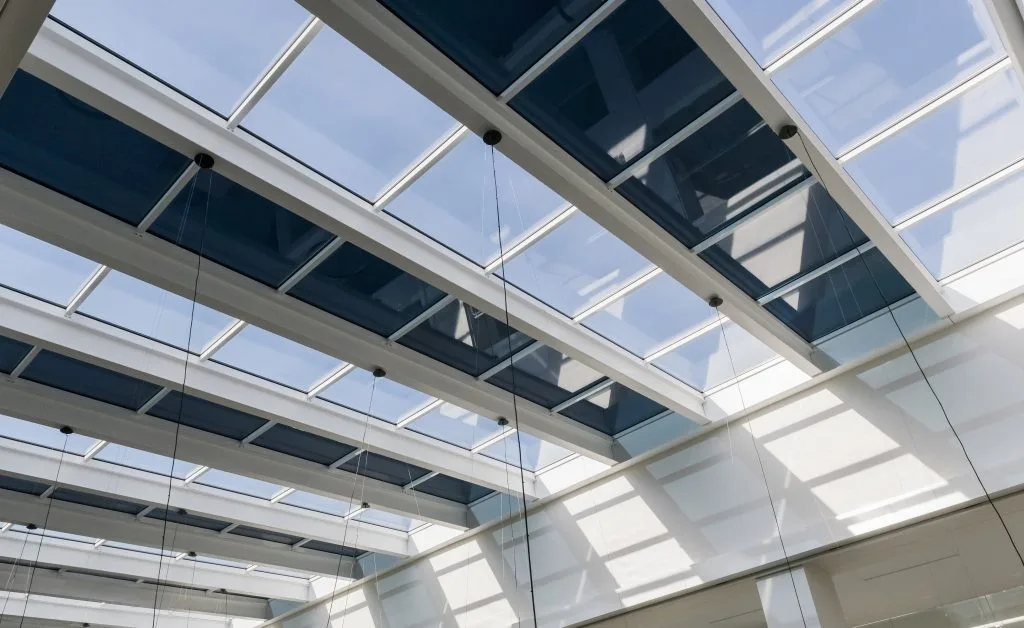
A well-designed façade makes regular cleaning and seal maintenance straightforward, says Jordan, and this lets it not only reach but often exceed its service life. Victor recommends cleaning with non-abrasive solutions, inspecting sealants and joints for water ingress, monitoring for thermal stress cracks, and arranging professional annual inspections. He also recommends heat soak testing, which identifies nickel sulfide inclusions in tempered glass that can cause spontaneous failure.
Maher adds a wider set of practices:
- Regular Cleaning: scheduled cleaning with pH-neutral, non-abrasive solutions and soft tools removes dirt and pollutants without scratching.
- Routine Inspections: catch cracks and chips early, and check sealants, gaskets, deflector blocks and weep holes.
- Preventive Maintenance: assess and reapply sealants to maintain waterproofing and insulation.
- Smart Technology: moisture and structural sensors give real-time data, and camera-equipped drones inspect hard-to-reach areas quickly and safely.
- Seasonal Adjustments: inspect more often after severe weather.
- Professional Services: use trained specialists for complex or high-rise buildings.
- Documentation And Occupant Education: keep detailed records of maintenance, inspections and repairs, and encourage occupants to report issues promptly.
Interactive And Dynamic Features Transforming The User Experience
Victor explains that interactive smart glass delivers privacy on demand, optimizes daylight to support circadian rhythms and can double as a digital display surface. Commercial spaces benefit from adaptable partitions, while homes gain personalised control of light and privacy. For Jordan, adaptive light control, energy savings, thermal comfort and on-demand privacy enhance a building’s commercial appeal; as he puts it, “the glazing serves as a building extension, while the management system functions as the brain.”
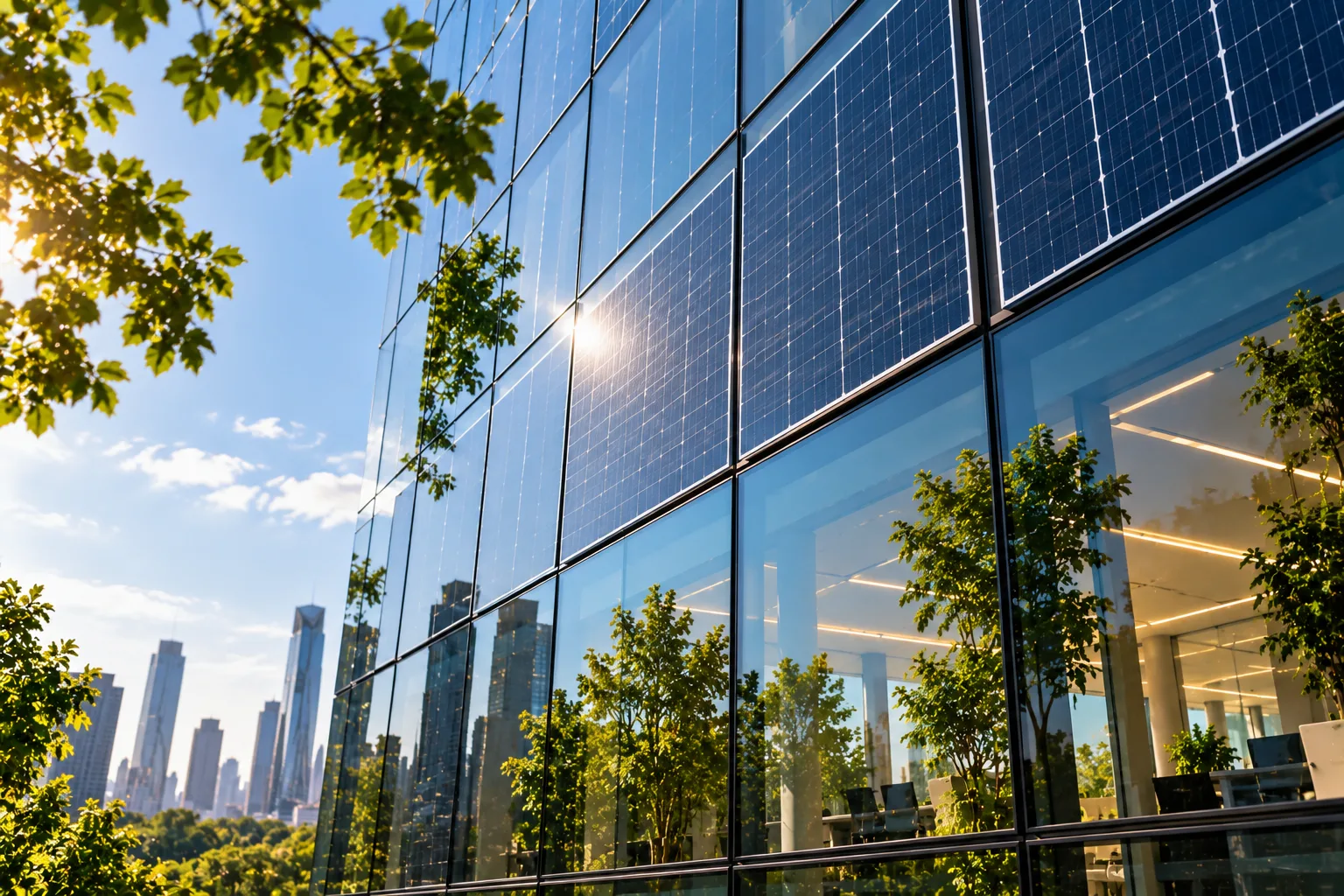
Maher describes dynamic façades fitted with sensors that track sunlight, temperature and weather in real time and adjust shading automatically, with studies showing energy savings of 20 to 40% for buildings that use adaptive shading. Moving panels and shades create exteriors that change through the day, while digital displays and programmable lighting allow façades to carry messages, showcase art or respond to cultural events. These systems link with HVAC and lighting controls, and lightweight materials combined with sophisticated control algorithms are enabling ever more complex movements.
Contribution Of Advanced Glass Technologies To Occupant Well-Being
Maher explains that maximising daylight through larger openings and high-performance glazing reduces reliance on artificial lighting, supports circadian rhythms and lifts mood and productivity. Low-E coatings reflect heat while admitting light, and dynamic glass adjusts tint automatically, giving occupants control while easing the load on HVAC systems. Acoustic performance matters too: excessive noise causes stress and cognitive impairment, so high-performance façades that keep out external noise support focus and relaxation, particularly where privacy and speech intelligibility are critical.
Victor agrees that advanced glass enhances mood and productivity while limiting glare and UV exposure, with Low-E coatings, double glazing and smart glass modulation keeping indoor temperatures stable. Jordan highlights the connection with nature that glazing creates through light and views, but warns that summer sunlight can cause discomfort, so coatings, shading and careful placement are essential to creating spaces people enjoy.
The Future Of Glass Façades And Glazing
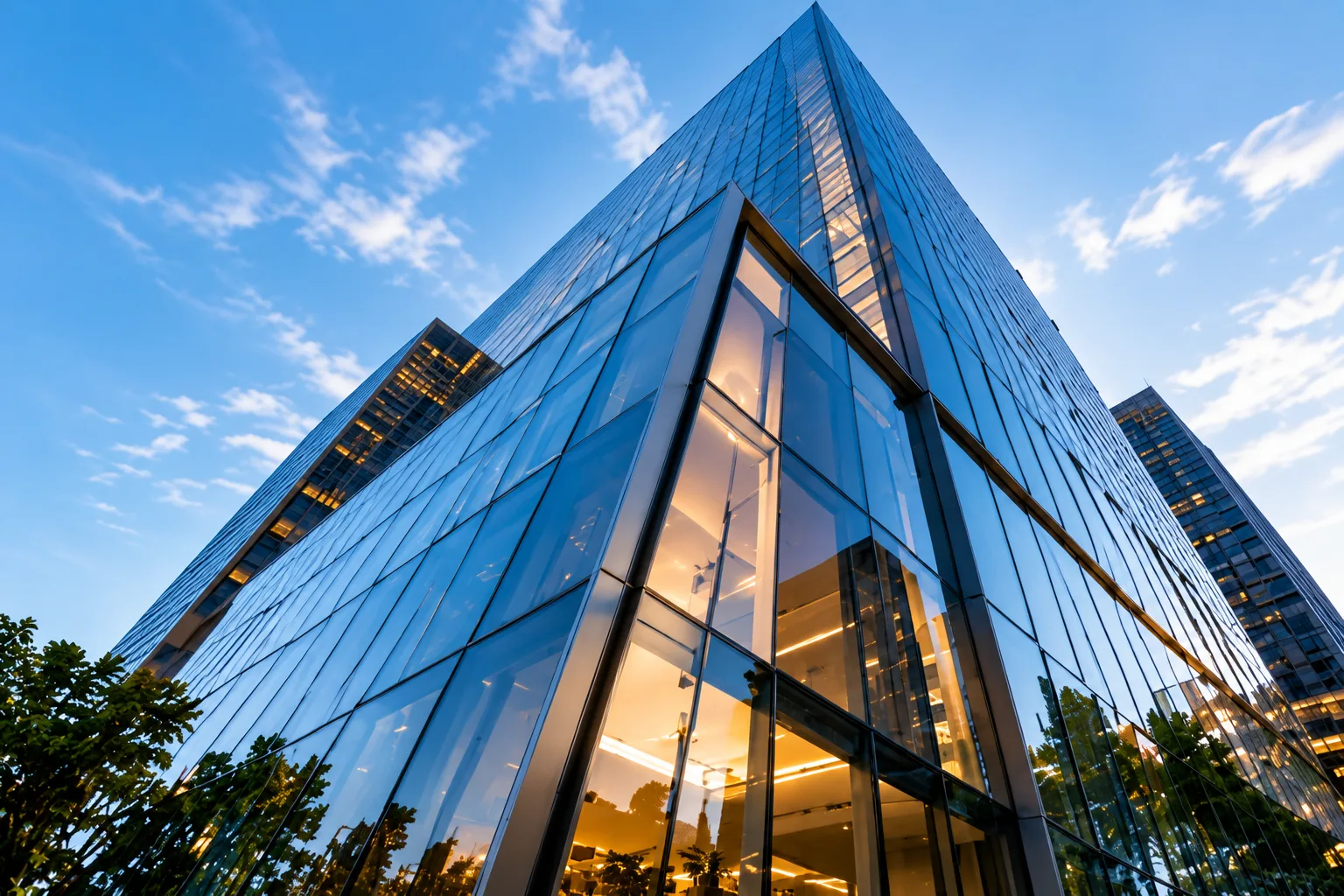
Maher says the next transformation is driven by the urgent need for sustainability and climate control, with extreme weather and rising sea levels demanding innovative solutions. Among the most promising is transparent solar technology, which turns ordinary windows into solar panels using special coatings that absorb parts of the solar spectrum while letting visible light through. Michigan State University has installed transparent solar glass panels covering 100 square feet above an entryway, generating enough electricity to power the atrium’s lighting, using technology developed by Ubiquitous Energy. Skyscrapers, he suggests, could one day become solar farms.
Victor expects smart glass to interact ever more dynamically with its environment, alongside transparent photovoltaic glass, nanotechnology, self-healing coatings and a stronger emphasis on sustainable materials and recycling. Tamer names advanced nanocoatings, BIPV, 3D-printed glass, AI and IoT integration and vacuum insulated glass as the technologies likely to arrive over the next five years.
For Paavan, the conclusion is clear: glass façades have evolved beyond aesthetics to become “an efficient and comfortable system” that supports energy management, occupant comfort and building resilience. With smart façades and sustainable design gaining ground, the façades of tomorrow will combine complex forms and striking visuals with a crucial role in building sustainable, resilient cities.
Conclusion
Glass façades are evolving from purely aesthetic elements into high-performance building systems that contribute to energy efficiency, safety, resilience and occupant well-being. Advances in Low-E coatings, insulated and vacuum glazing, dynamic glass, BIPV and sensor-driven systems are expanding both the functional and design possibilities of the building envelope. At the same time, careful material selection, risk assessment, installation, maintenance and life-cycle considerations remain essential to achieving long-term performance. The future points towards increasingly intelligent, sustainable and responsive façades, supported by AI, IoT, advanced coatings, transparent photovoltaics and recyclable materials. As these technologies mature, successful façade design will depend on balancing architectural expression with measurable performance, ensuring that glass façades not only enhance buildings visually but also help create more comfortable, efficient and resilient cities.