
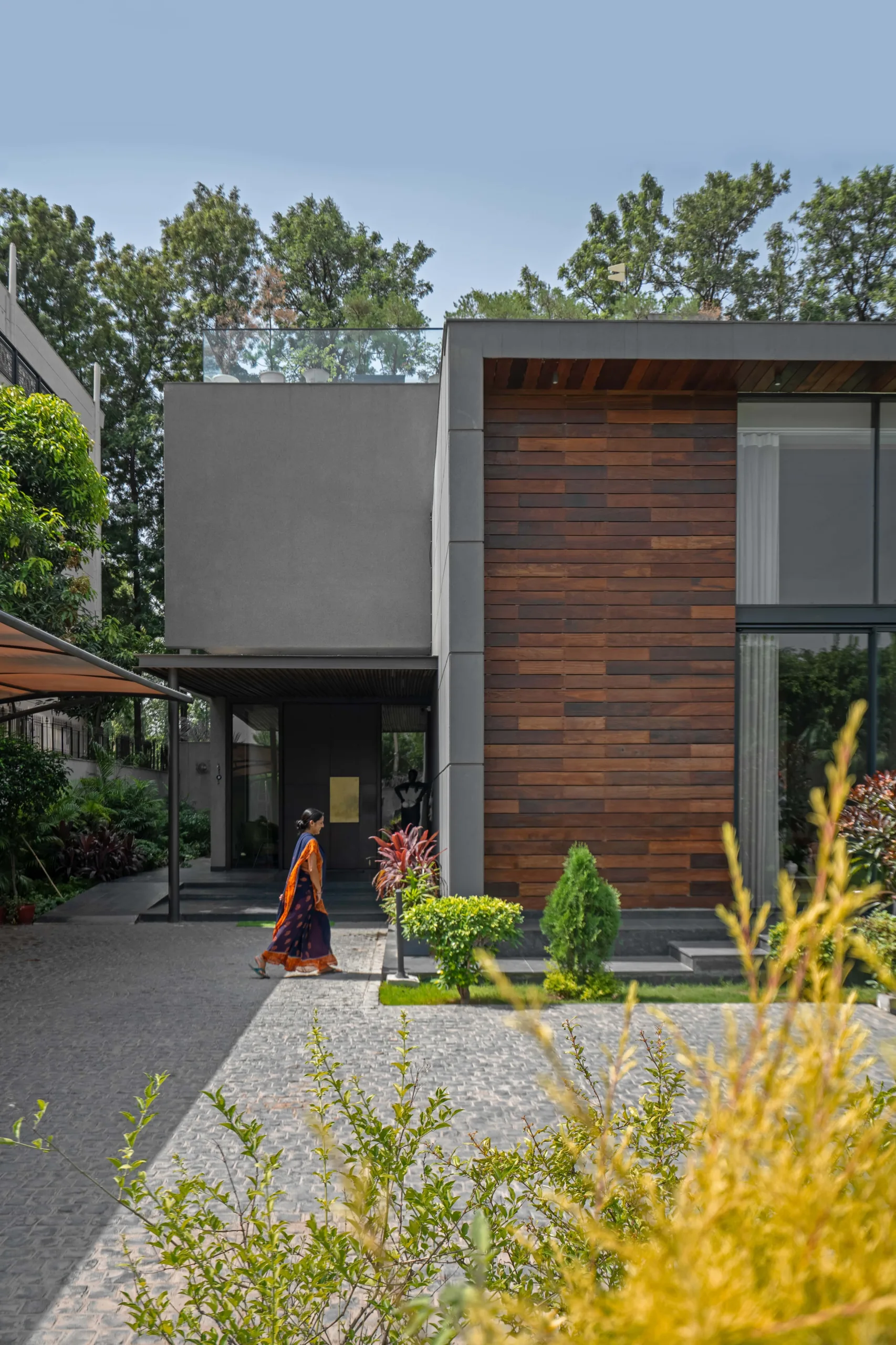
In modern architecture, façades serve several purposes beyond merely defining a building’s appearance. They control performance, affect occupant comfort, and specify a project’s environmental impact. As architects, we are constructing interfaces between art and science, inside and out, and between static form and dynamic function. Here, the design of the glass façade and fenestrations comes into the picture and offers a new perspective towards design. With advanced technology and modern design tools, the design of fenestrations seeks new levels of innovation in structures.
Digital Tools In Design
ArchiCAD and Revit modern façade workflows rely heavily on Building Information Modelling (BIM) technologies such as Autodesk Revit and Graphisoft ArchiCAD. They allow us to create 3D models of systems with embedded data, including cost estimates, material specifications, and thermal performance. It is possible to create custom glazing modules, panelised cladding, and curtain wall assemblies with precise geometry and performance characteristics. These models serve as the foundation for cooperation between engineers, architects, fabricators, and contractors.
Further, Rhino is essential for façades that need to be complex, varied, or responsive. With the help of these tools, one can create rule-based geometries that adjust to programming needs and environmental data. Parametric modelling can be used to optimise sun-shading systems according to solar orientation or to modify the openness of perforated panels according to visual privacy or daylighting requirements. This leads to quick form creation and refinement with logic-based management of façade components.
Digital Fabrication And Detailing
High-resolution 3D modelling of dynamic shading systems, unitised curtain walls, and custom panels is made possible by software tools. Additionally, these technologies facilitate digital fabrication, enabling direct communication with fabricators and manufacturers. They assist in converting intricate geometries into logical, constructable systems. Context is the first step in design. Every choice, from glazing ratios to shading devices, must take orientation, solar path, and prevailing winds into consideration. Repetitive, standardised components make façades more affordable and easier to build. Errors in installation, material waste, and manufacturing time are all reduced by rational geometry.
Effective Strategies For Efficient Façade Design
Integrated shading systems include shading in the design as a fundamental component rather than as an afterthought. Effective sun control enhances energy efficiency and aesthetic comfort in double-skin and brise-soleil façades. Further, smart material selection is essential; thermal behaviour, durability, and embodied carbon should all be taken into account in addition to aesthetics. Terracotta rainscreens, fibre cement panels, bio-based composites, and high-performance glazing all provide robust performance with minimal impact.
Other Tools And Technologies
Wind resistance and structural integrity are assessed by simulation programmes such as ANSYS and COMSOL, which streamline processes while ensuring that environmental regulations and superior aesthetics are met. When creating structures that use less energy, programmes such as Ladybird and EnergyPlus are essential. Building water and energy consumption, including plug and process loads, lighting, ventilation, heating, and cooling, can be simulated with EnergyPlus. Working within 3D modelling programmes, Ladybird Tools enable smooth data transmission between simulation engines, allowing geometry generation, simulation, and visualisation via a single interface. By incorporating windows to improve natural light and ventilation, these technologies highlight the significance of energy-efficient architecture.
The function of software is to create interiors by reducing heat transfer. These resources aid in understanding the overall operation of a building’s skin and determining areas for improvement. For accurate evaluations of fenestration performance, many architects use tools such as Ecotect. Furthermore, country-specific tools such as the H1 compliance calculator track important variables, including light penetration, thermal heat gain and loss, and Window Wall Ratio (WWR), offering vital information for design optimisation. In India, 3D Max, SketchUp, and Revit, along with Building Information Modelling (BIM) systems, are essential for creating environmentally friendly and aesthetically pleasing designs.
Façades are performative systems that control energy, shape experience, and respond to climate. With the help of digital tools, architects can design façades that are effective, compliant, aesthetically pleasing, and responsive by combining the appropriate tools with thoughtful techniques.
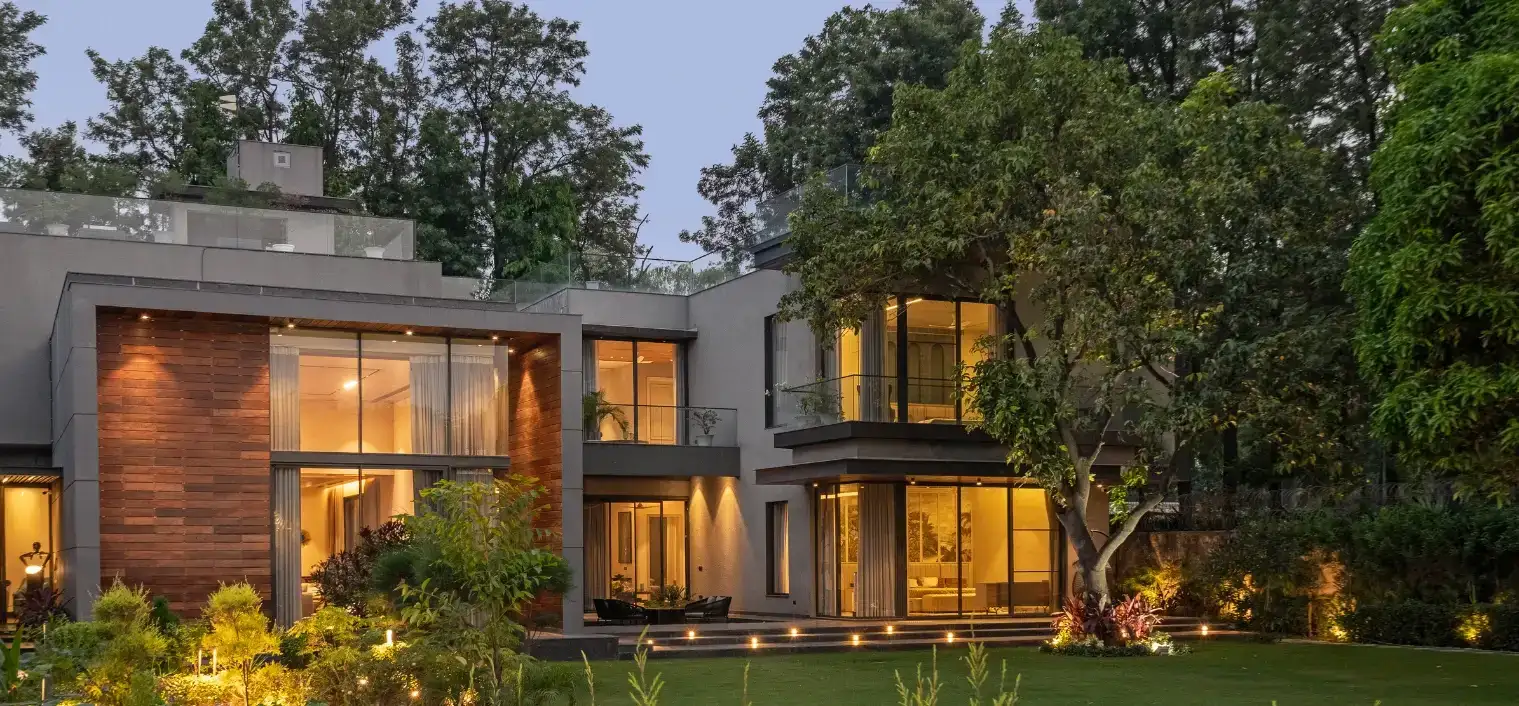
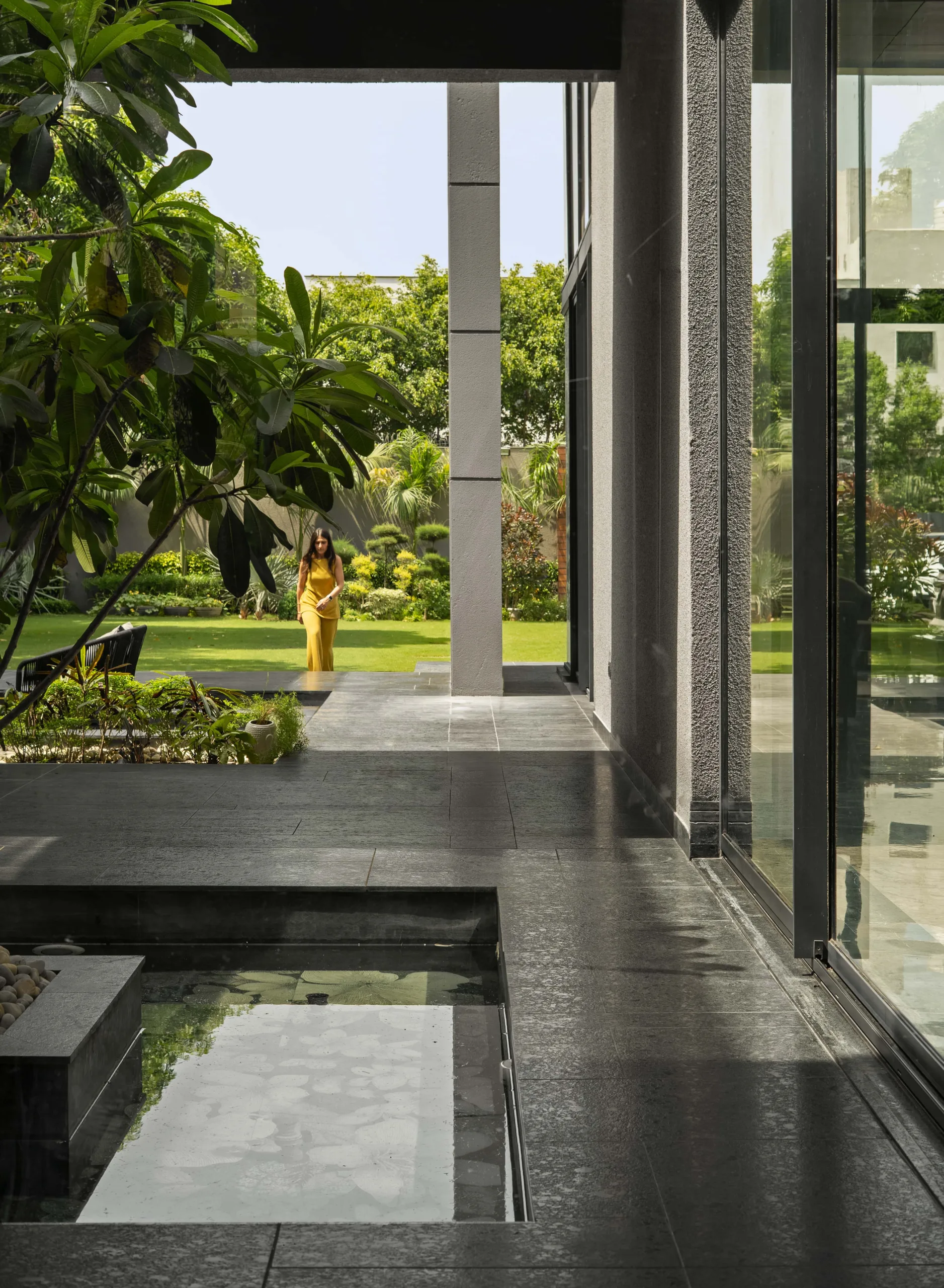
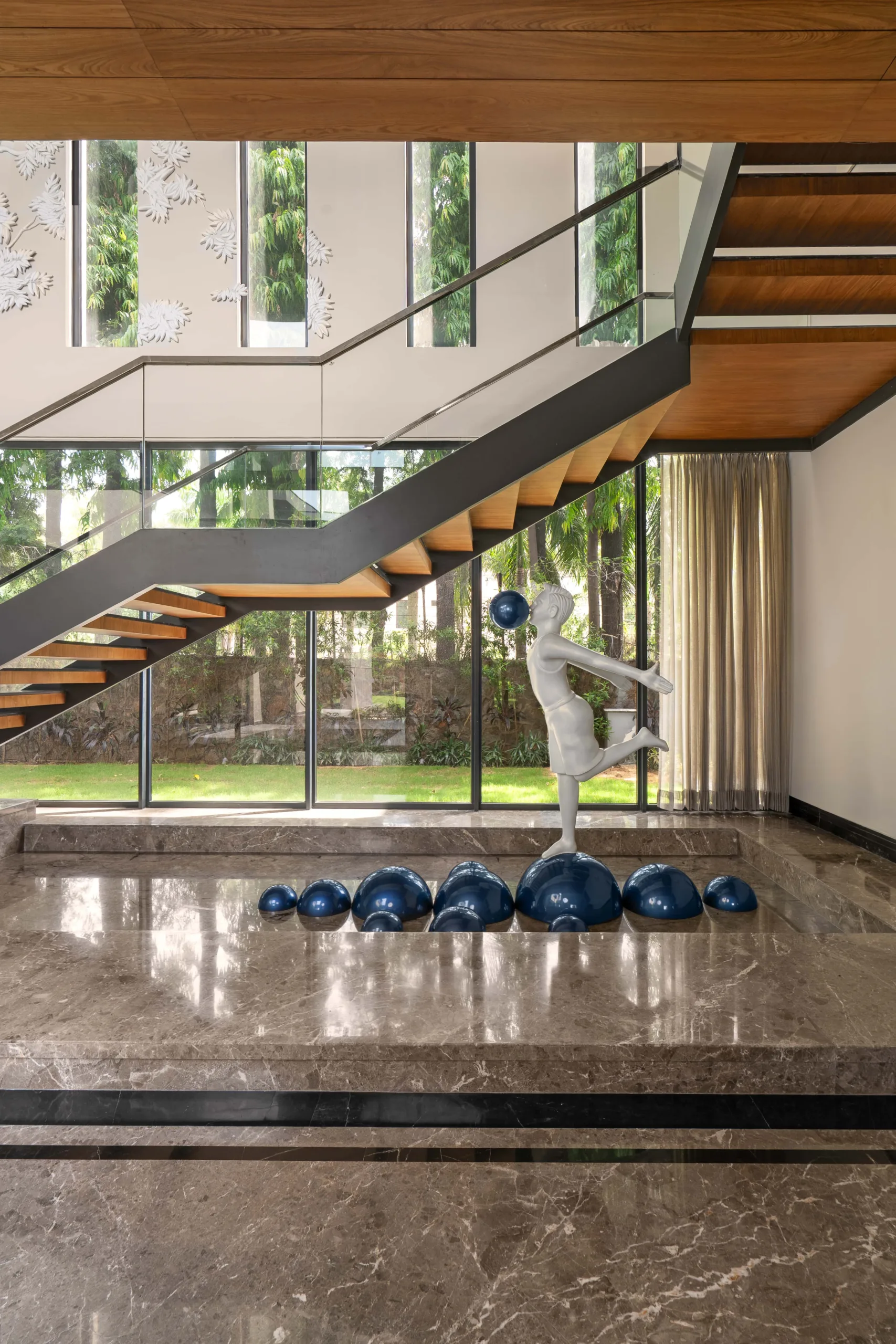
| Case Study: Plumeria House, New Delhi |