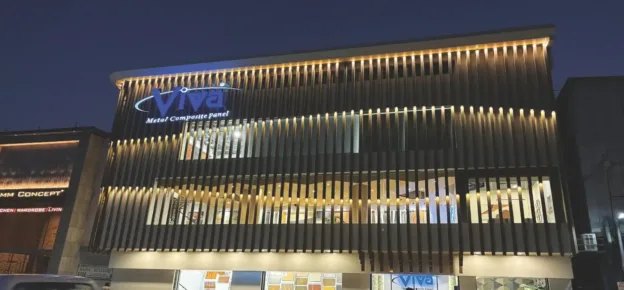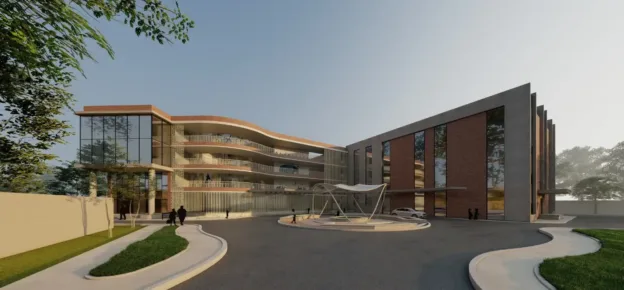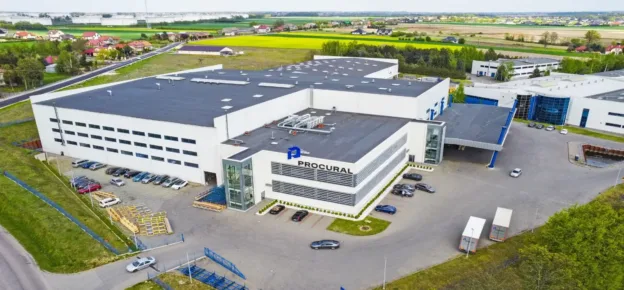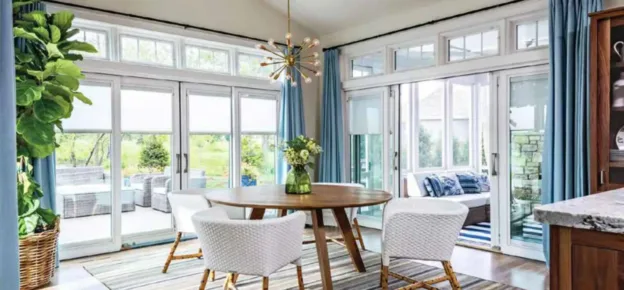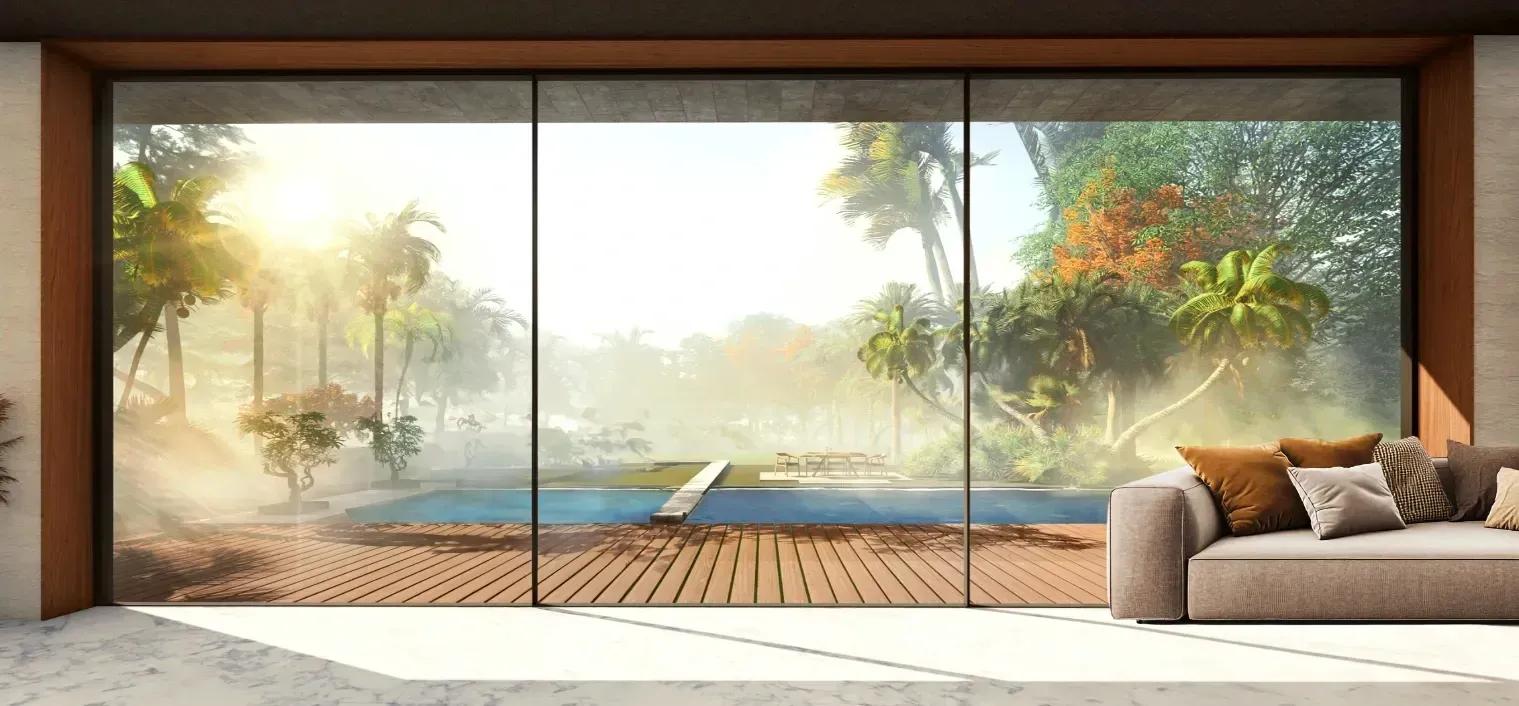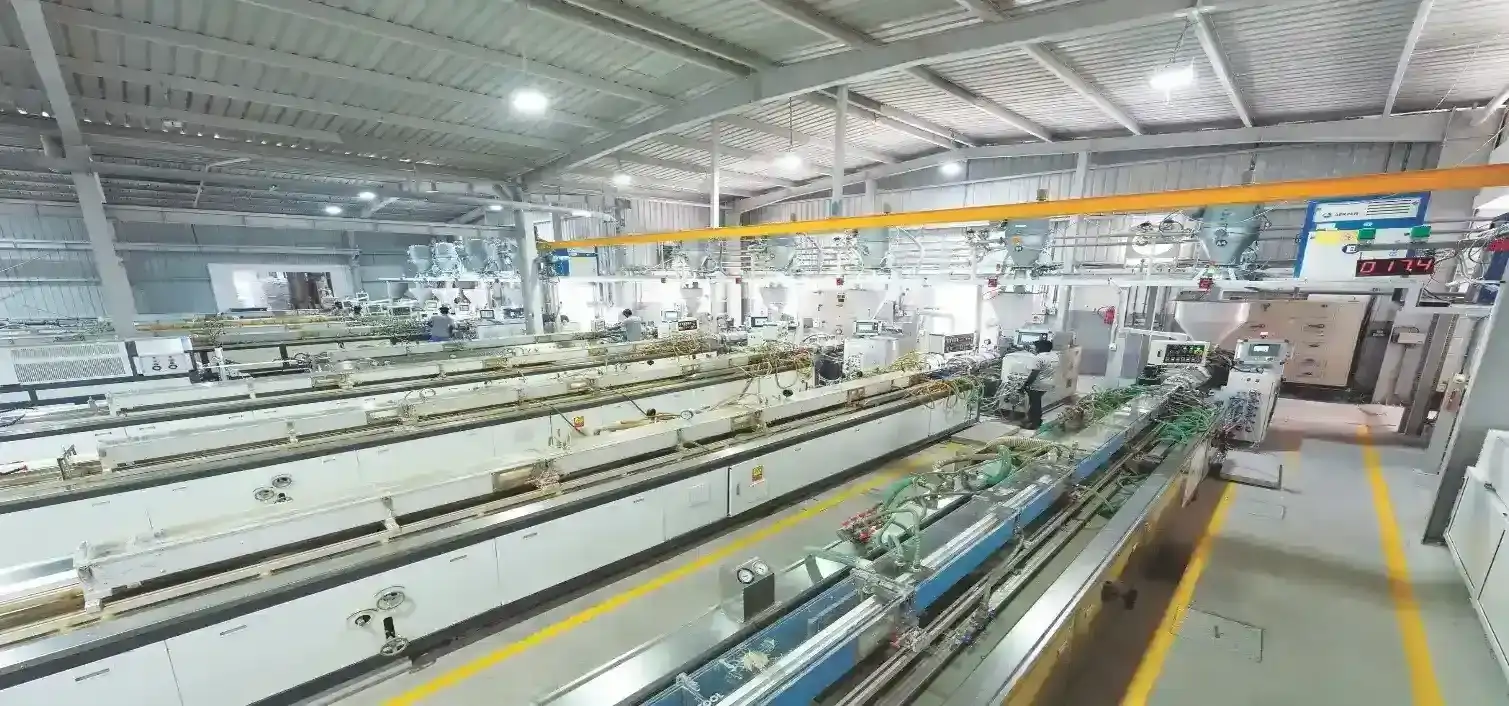
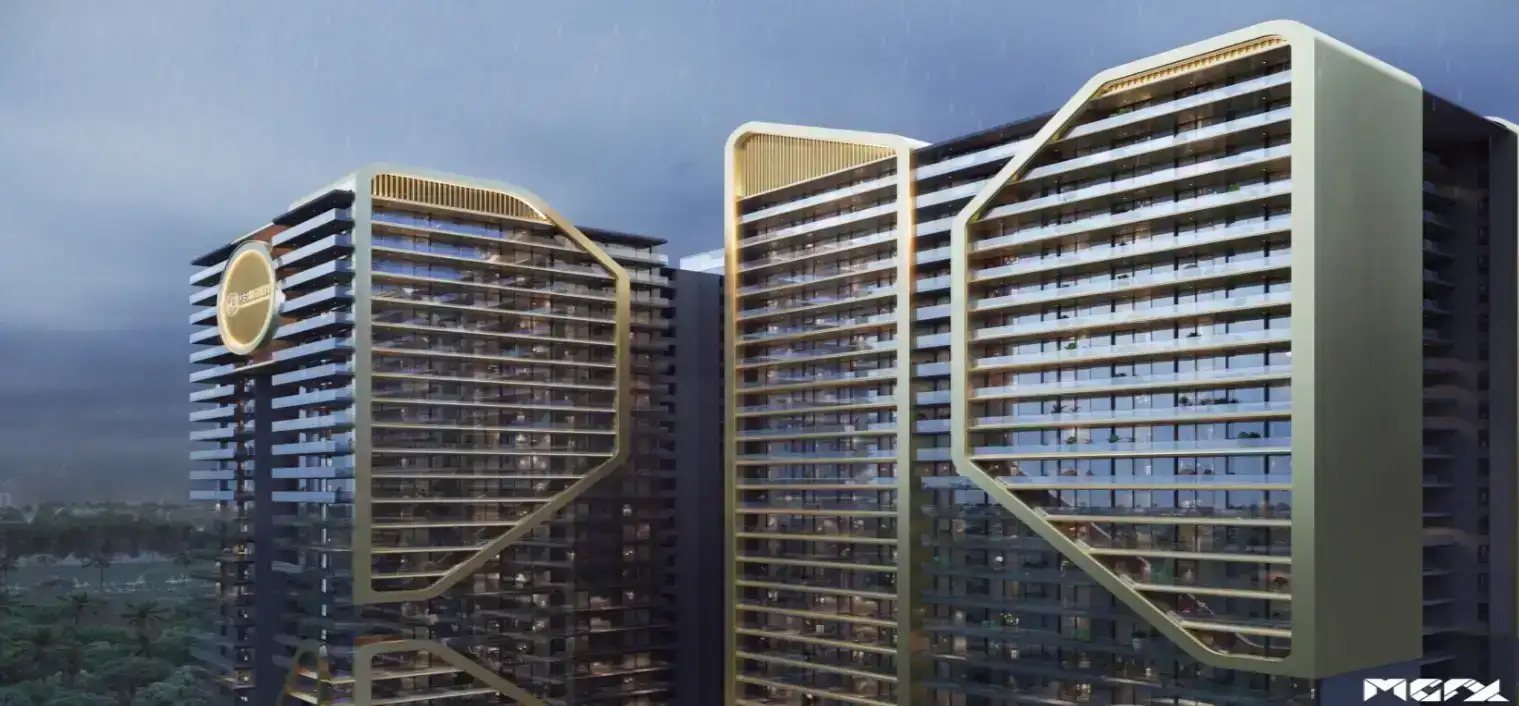
Glass has quietly reshaped the language of contemporary architecture. Once seen as a fragile surface for windows, it has transformed into a defining material that gives buildings identity, emotion, and openness. Today, glass is not merely placed in a façade; it writes the character of the façade. It dissolves boundaries, draws daylight deep into interiors, and allows structures to breathe with the rhythm of the outdoors. For occupants, it brings comfort and connection; for designers, it offers freedom, transparency, and control.
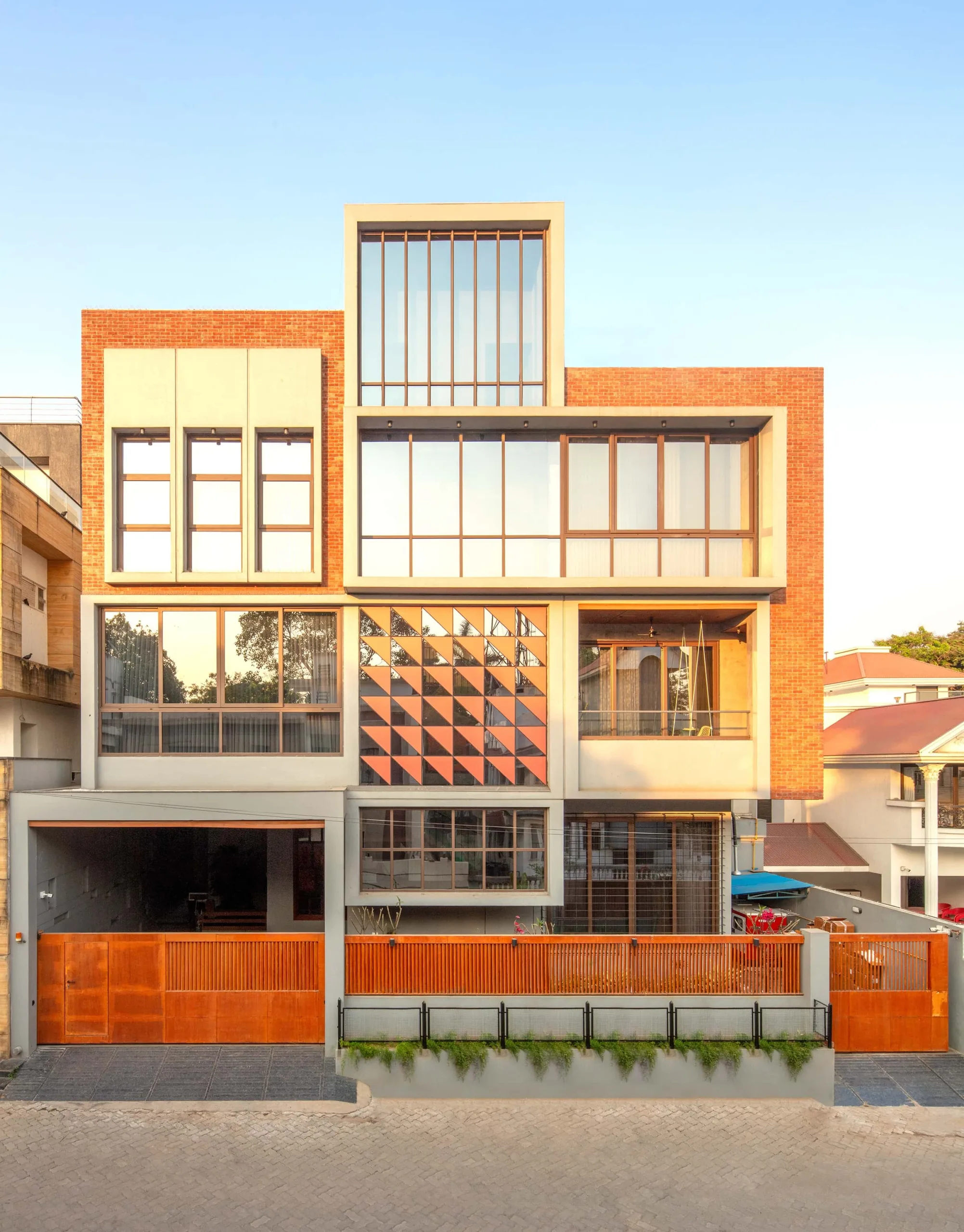
The true beauty of glass lies in its duality—elegant yet engineered, light yet resilient, transparent yet kinetic as it reflects, refracts and transforms throughout the day. With advancements in glazing technologies, it has moved far beyond romantic aesthetics. It now acts as an intelligent envelope: reducing heat gain, filtering glare, optimising energy use, boosting thermal performance, and even generating renewable power.
This cover story explores the role of glass in the built environment—how it shapes skylines, creates efficient interiors, and supports sustainable design. To do so, we spoke to leading architects and industry experts across the country, who shared their views, innovations, and lived experiences of working with glass as both a material and a design medium.
The Appeal Of Glass As A Design Element
Glass has transitioned from a simple window pane to the defining material of the modern built environment, becoming almost synonymous with contemporary architectural ambition. For designers, its allure lies in its profound ability to transform space, offering both a canvas and a frame. This transparency inherently dissolves the rigid barrier between inside and out, inviting natural light to flood the interiors and connecting occupants directly with their surroundings. More than just a static material, our experts celebrate its kinetic quality—reflecting, refracting, and evolving throughout the day—allowing the very structure of a building to breathe and participate in the rhythm of its environment. It is this powerful dialogue between lightness, elegance, and connection that most excites today’s leading architects.

Ankit Modi, Director, Durakraft Extrusions Pvt Ltd., says that glass perfectly complements uPVC frames, adding the elegance of coveted openness with modern minimalist interiors. He notes that even in small spaces, it creates a sense of space by illuminating the area and blurring the distinction between the interior and exterior. Furthermore, because glass is such a flexible and versatile material, when they design uPVC windows and doors, they are essentially creating frames that emphasise the qualities of glass that contribute to modern architecture.

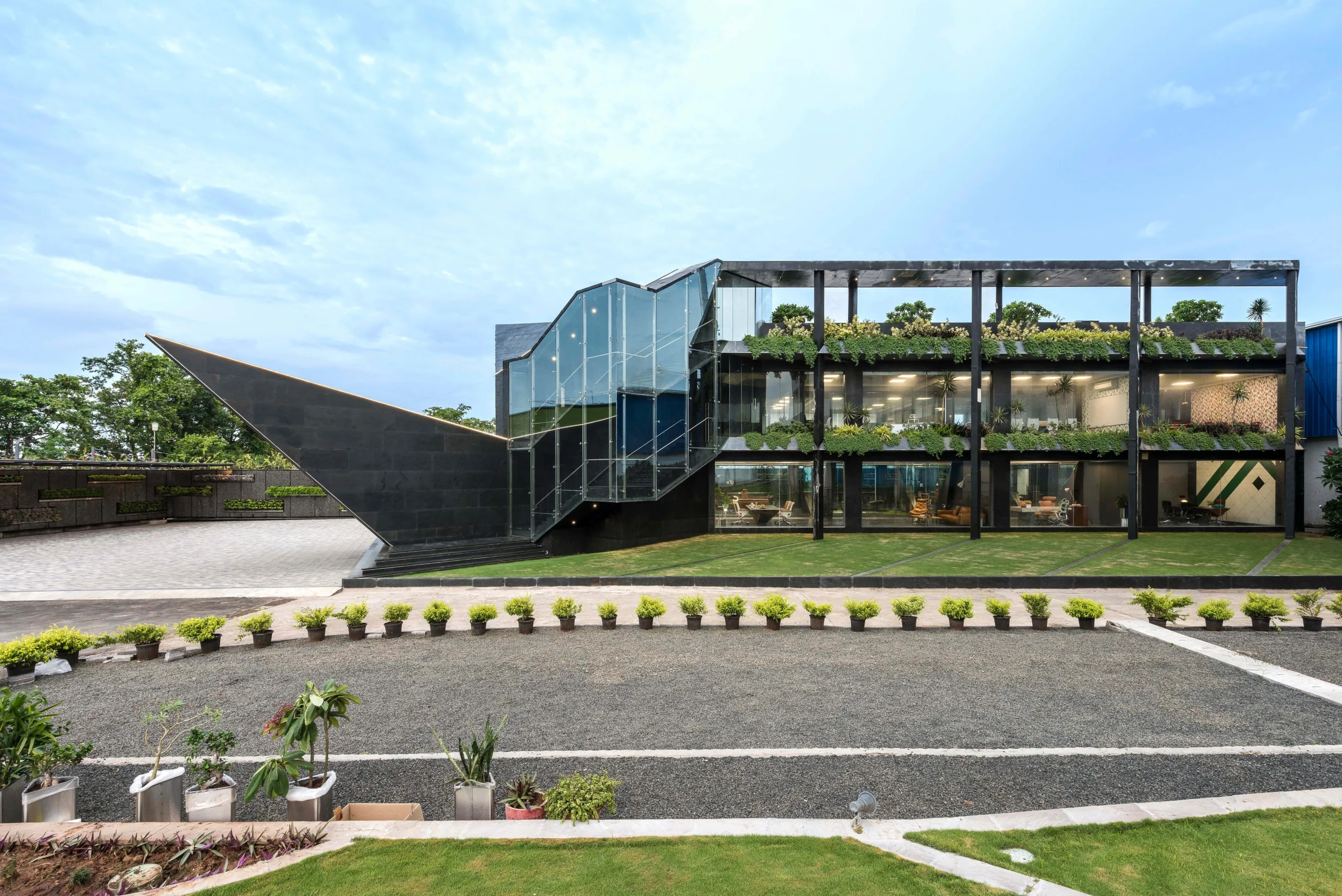
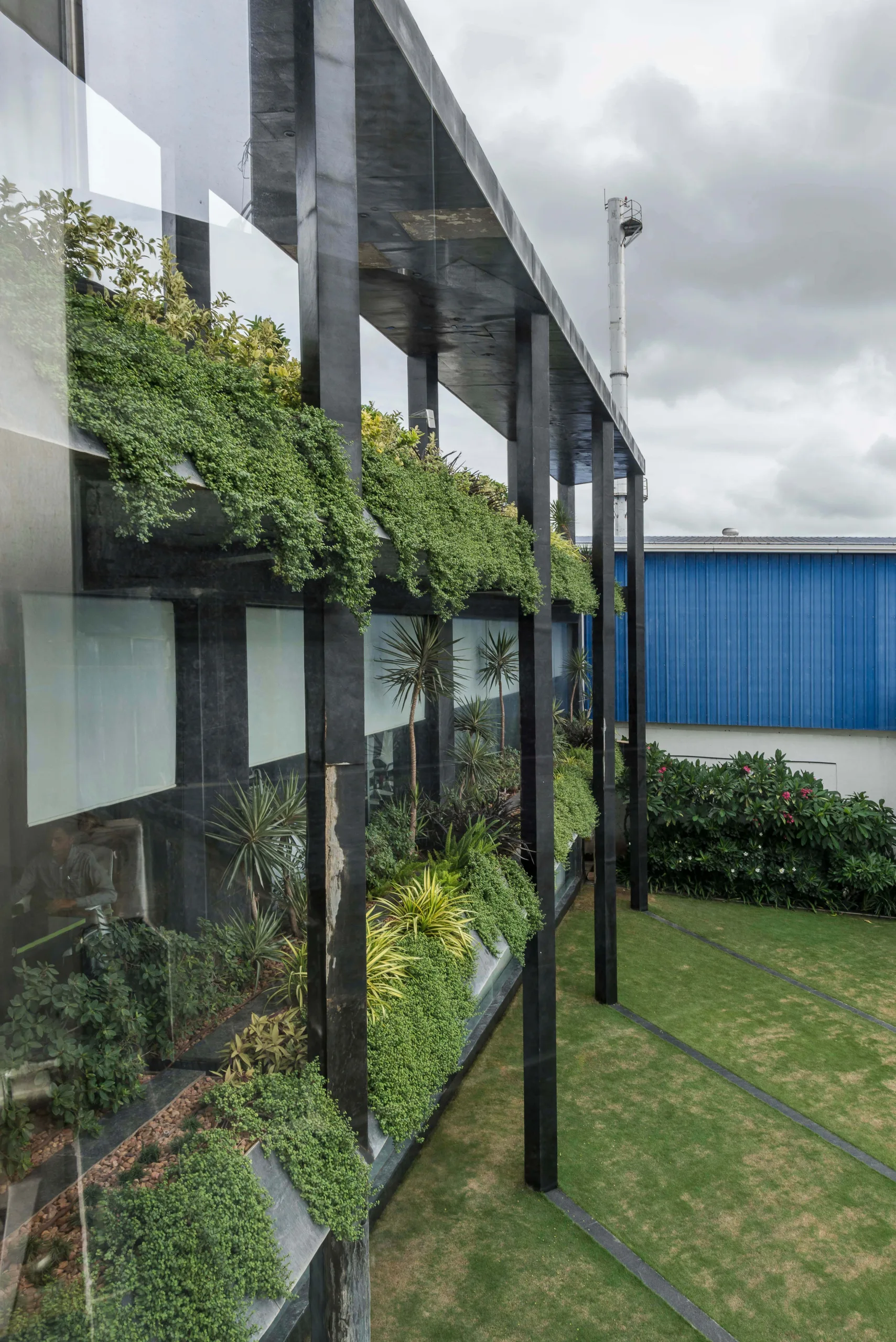
Ar. Nayan Shah, Founder, Palindrome Spaces, suggests that in his project, Anantya Villa, glass became a medium of storytelling, not just a surface. He explains that they used it to dissolve the boundary between the home’s lush courtyards and its art-filled interiors. What excites him is how glass behaves through the day; he states it is kinetic-reflective at noon, translucent at dusk, and quietly invisible at night—allowing architecture to breathe and evolve in rhythm with nature.

Ar. Prachi Parekh Vora, Co-Founder, Studio Urban Form + Objects, notes that glass is a remarkably versatile material that finds application across diverse architectural typologies. She opines that its transparency and reflectivity allow for the play of light, creating dynamic spatial experiences and a sense of openness. Through its usability and adaptability, she adds, glass not only defines the visual character of a building but also helps in bringing out architectural concepts.

Ar. Stevin Abraham, Architect – Studio Tab, explains that glass has redefined the language of contemporary architecture, and what excites him most is how it allows sustainability and design to come together so seamlessly. He agrees with others, suggesting it offers transparency and lightness, blurring the boundaries between interior and exterior spaces, but also highlights that modern glazing technologies have made glass an intelligent material capable of controlling heat gain, improving energy efficiency, and enhancing occupant comfort.

Ar. Shreesh Thergaonkar, Senior Associate, Ecofirst Services Ltd. – A Tata enterprise, notes that the most exciting part of the use of glass in a façade is the function of connecting the inside to the outside and the outside to the inside at the same time. He says that glass can also provide a character to a building, establishing an identity in a city’s skyline.

Ar. Sneha Ostawal, Principal Designer, Source Architecture, states that what truly excites her about glass is its transformative ability to define spatial experiences while maintaining visual continuity. She opines that glass allows them to craft layered narratives within a space, where transparency does not mean exposure, but rather a curated dialogue between public and private realms. She adds that it acts as both a canvas and a frame, reflecting and refracting the interplay of textures.

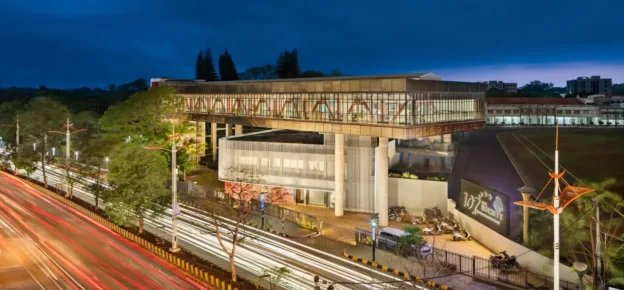
Ar. Sonali Bhagwati, Partner, DPA, suggests that by capturing the city, light, and life around it, glass enables architecture to experiment with perception and blend in with the surroundings rather than stand out. In order to allow the landscape to blend into the constructed form at Vivanta by Taj, glass was used extensively to dissolve the boundary between the interior and exterior. Glass’s transformation from a simple skin to an active surface that reflects, filters, and shapes experiences is fascinating. It connects people to their environment and encourages openness while maintaining control through detail, layering, and proportion.

Ar. Kanaka Nageswara Rao Arerapu, Founder, De-Sain-i-Ka Arts & AEC Studios, opines that glass epitomises the dialogue between transparency, light, and structure – a defining language of contemporary architecture. He says that its duality – as both a material and a medium—is what excites him most. He notes that its evolution to high-performance units has transformed design possibilities, allowing façades to achieve optimal energy efficiency and acoustic control without compromising aesthetics.

Ar. Tripat Girdhar, Founder of Arete Design Studio, notes that there are many innovations in glass production which are redefining the buildings connecting with surroundings, designs, performance and sustainability. Dynamic or smart glass is one of the most exciting innovations as it helps to adjust sun rays and heat, optimising sunlight and reducing electricity usage for temperature control. Furthermore, Building-Integrated Photovoltaic (BIPV) glass helps façades and sun lights to produce green energy without sacrificing style or accessibility. The use of photocatalytic or electrostatic technology in self-cleaning and anti-soiling coatings is reducing maintenance, which is especially beneficial in dusty and urban environments.
Vivanta By Taj At ITPL, Bangalore – A Project By DPA In Association With WOW Architects, Singapore |
He adds that ultra-thin, high-strength glass is another exciting innovation that makes it possible for architectural forms to be lighter, more flexible, and even curved while being durable and safe. In the meantime, the development of low-emissivity and nanostructured coatings increases thermal comfort, lowers glare, and improves insulation. Sustainability is still a top priority, and producers are reducing furnace emissions, increasing recycled material, and investigating low-carbon production techniques. When taken as a whole, these developments are redefining glass from its conventional function as a passive material to become an intelligent, active skin that reacts to climate, saves energy, and expands the range of architectural design options for the coming generation.

Striking A Balance Between Aesthetics And Performance
The true artistry of modern façade design lies in resolving a perennial paradox: how to maintain the visual elegance of vast glass surfaces without turning interiors into heat traps. While transparency offers unparalleled aesthetic value, the imperative for efficiency, particularly in challenging climates, is non-negotiable. Striking this delicate balance requires moving beyond material selection to a thoughtful marriage of beauty and purpose. Our panellists reveal that the solution is a highly calibrated approach, one that integrates passive strategies, like smart orientation and deep shading-with cutting-edge technology such as high-performance double-glazed units and Low-E coatings, ensuring a façade that is stunning, comfortable, and sustainable.
Ar. Modi suggests that the aesthetic balance created by the entry of natural light also means less reliance on artificial lighting. He notes that uPVC glass façades are designed for energy efficiency, as they are thermally insulated, which naturally reduces electricity consumption by preventing heat from escaping or entering.
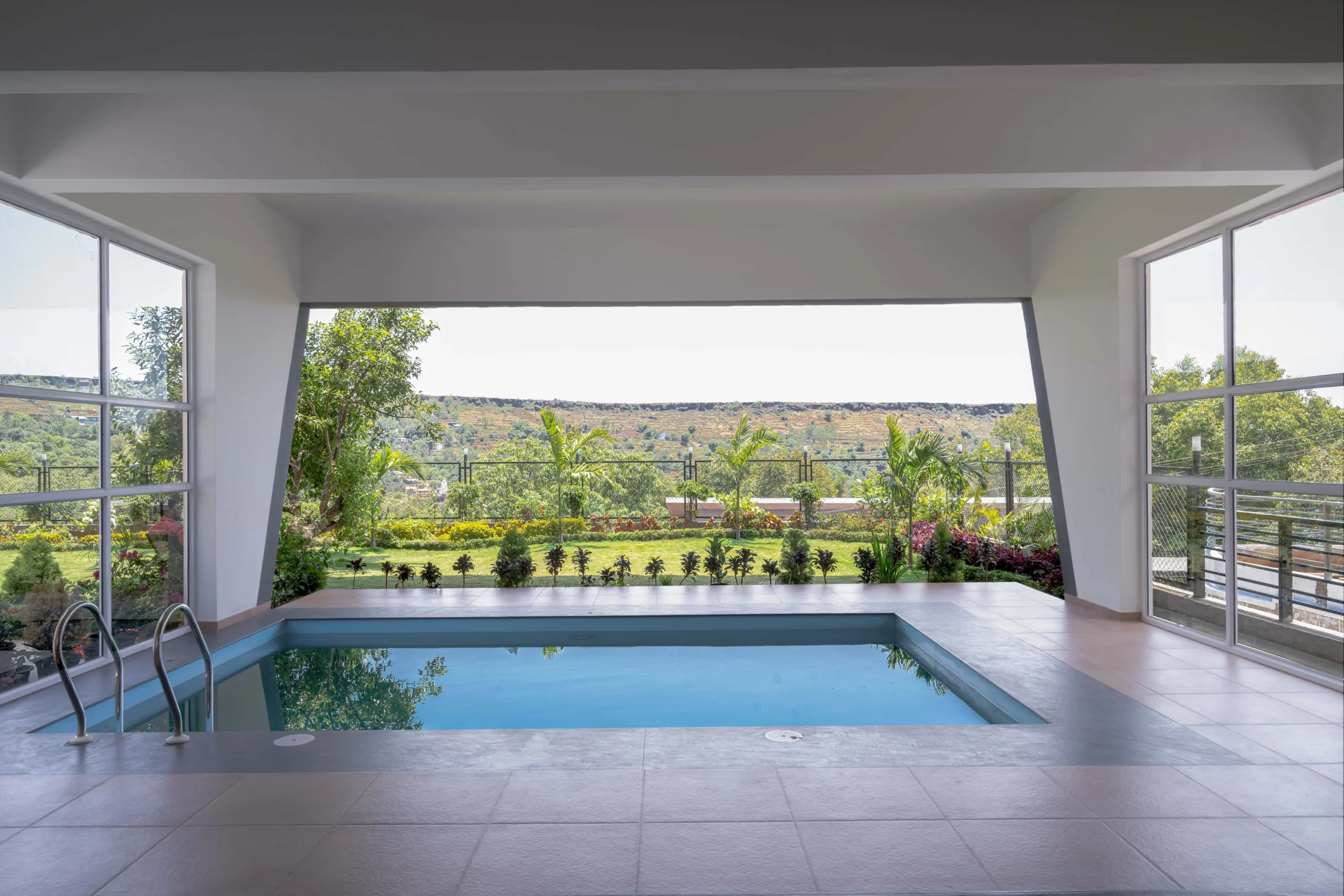

Ar. Shah opines that the façade design for Anantya Villa was guided by restraint: high-performance double-glazed units with low-E coatings ensured energy control. He adds that deep overhangs, fins, and strategic orientation controlled solar heat gain, and they used glass to frame curated views rather than as an exposed barrier.
Ar. Vora notes that for a tropical country, one must be mindful of the heat received, and the glass needs to be layered to calibrate the quality of light and heat travelling inside. She suggests articulating the usage of glass based on climatic strategy by creating double-skin façades or overhangs.
Ar. Stevin Abraham, Architect – Studio Tab, states that balancing aesthetics and performance comes down to a thoughtful blend of beauty and purpose. He and Ar. Arerapu agrees that the aim is to create spaces that look stunning while also being comfortable and energy-efficient. Ar. Stevin notes that modern glazing technologies like double or triple glazing, low-E coatings, and solar control glass are essential to minimise heat gain.
Ar. Thergaonkar agrees, saying that the use of glass must be efficient for its intended function. He notes the balance can be achieved by using methods such as ceramic fritted glass, which reduces heat load while providing good aesthetics. Other methods include tinted glass, low-E glass, double glazing systems, and Dynamic Façade Systems that adapt to environmental conditions in real time.
Ar. Ostawal explains that this balance requires a nuanced understanding of how glass interacts with its environment. She notes they strategically deploy glass, using elements like fluted glass partitions, which provide acoustic separation while filtering light. She adds that they complement glazed elements with solid, thermally efficient materials like stone-clad feature walls for thermal mass and acoustic control.


Ar. Bhagwati notes that careful calibration of orientation, shading, and material composition is crucial. She explains that her project’s glass façade was modulated through depth, fins, and layered planes to adapt to the intense Bangalore sun. She says that using performance coatings and shaded recesses to reduce glare and solar gain balances the visual lightness of glass.
Ar. Arerapu agrees that achieving balance is a nuanced process that merges art with engineering. He notes that the key lies in integrating advanced glazing technologies to control heat gain while maximising natural daylight. Ar. Thergaonkar, and Ar. Vora also highlights the criticality of shading strategy, mentioning dynamic façades with operable louvres, fritted patterns, and cavity-ventilated systems that enhance thermal comfort and reduce glare.
The Role Of Glass In Creating Greener, More Energy-Efficient Buildings
Sustainability is no longer an optional feature; it is the core responsibility of contemporary architecture, and the building envelope is the primary battleground. Once viewed as an energy liability, glass has undergone a dramatic transformation to become an essential tool for achieving green ratings. By allowing the deep penetration of natural daylight, it immediately slashes the operational demand for artificial lighting. Crucially, modern glass functions as a sophisticated environmental mediator, with low-E coatings and high-performance systems meticulously managing solar heat gain. Our experts explore how this material, when intelligently specified, ensures the building remains thermally efficient, significantly reducing the energy load for mechanical heating and cooling.
Ar. Modi suggests that glass can perfectly fit uPVC frames, which are essential for green ratings for buildings as they are non-toxic, recyclable, and long-lasting. He adds that the insulating nature of uPVC frames maintains an optimal room temperature and prevents air leakages.
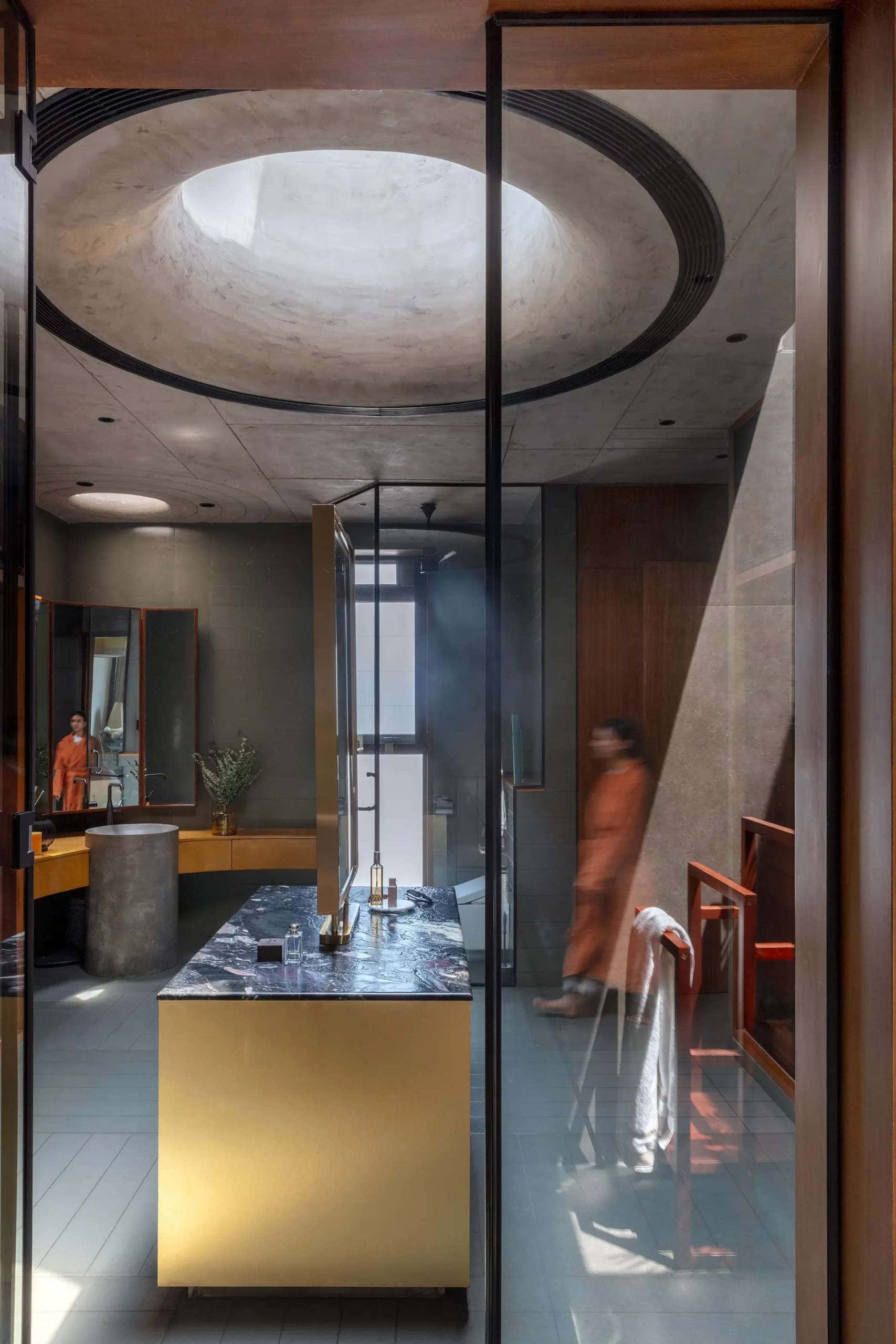
Ar. Shah opines that glass today is a critical sustainability tool. He explains that his project, The Anantya Villa, allowed them to harvest daylight effectively, cutting daytime lighting loads by almost 60%. He notes that modern glazing technologies—from spectrally selective coatings to argon-filled cavities—filter heat without losing brightness.
Ar. Vora states that glass plays a crucial role by allowing natural daylight to penetrate the interiors, which reduces the need for artificial lighting and thus lowers electricity consumption.
Ar. Stevin and Ar. Arerapu agrees that glass plays a pivotal role in advancing sustainable architecture by functioning as an environmental mediator. Ar Stevin further notes that performance-based glass systems, like low-E coatings, allow them to manage the Solar Heat Gain Coefficient (SHGC), cutting down on air conditioning loads. He adds that glass is also becoming a source of energy with innovations like Building-Integrated Photovoltaics (BIPV).
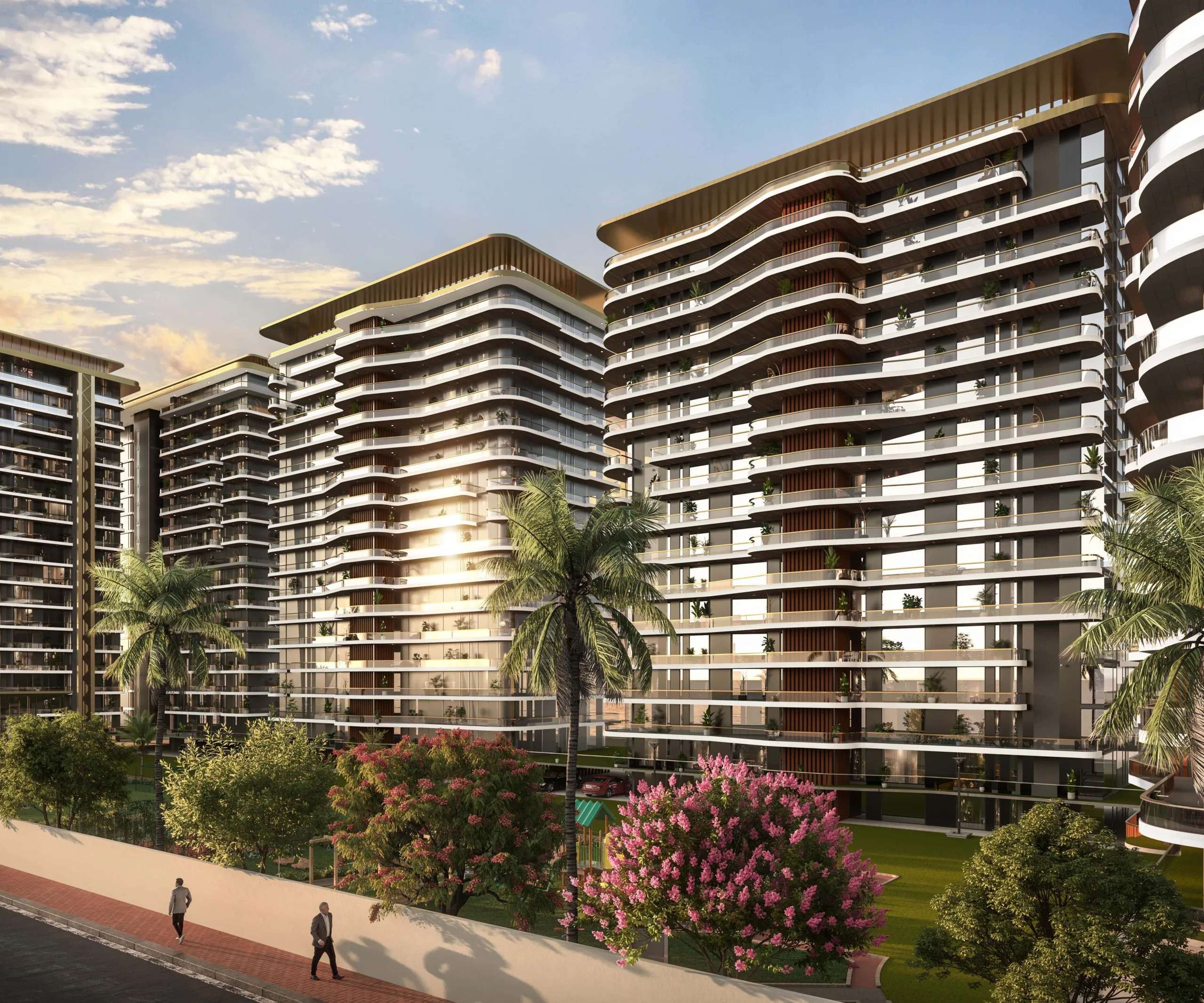
Ar. Thergaonkar agrees that glass plays an important role, but has a critical opinion, stating that one must understand the environmental conditions of the locality where it is used. He explains that in India’s dry climate, the approach is very different from that in Europe, so the use of high-performance glass is necessary.
Ar. Ostawal and Ar. Bhagwati and both agree that its key contribution is enabling a high-performance building envelope through sophisticated glazing technologies and thoughtful spatial planning. Ar. Bhagwati opines that modern glass is no longer a liability but a high-performance material that contributes to a better whole-building energy strategy.

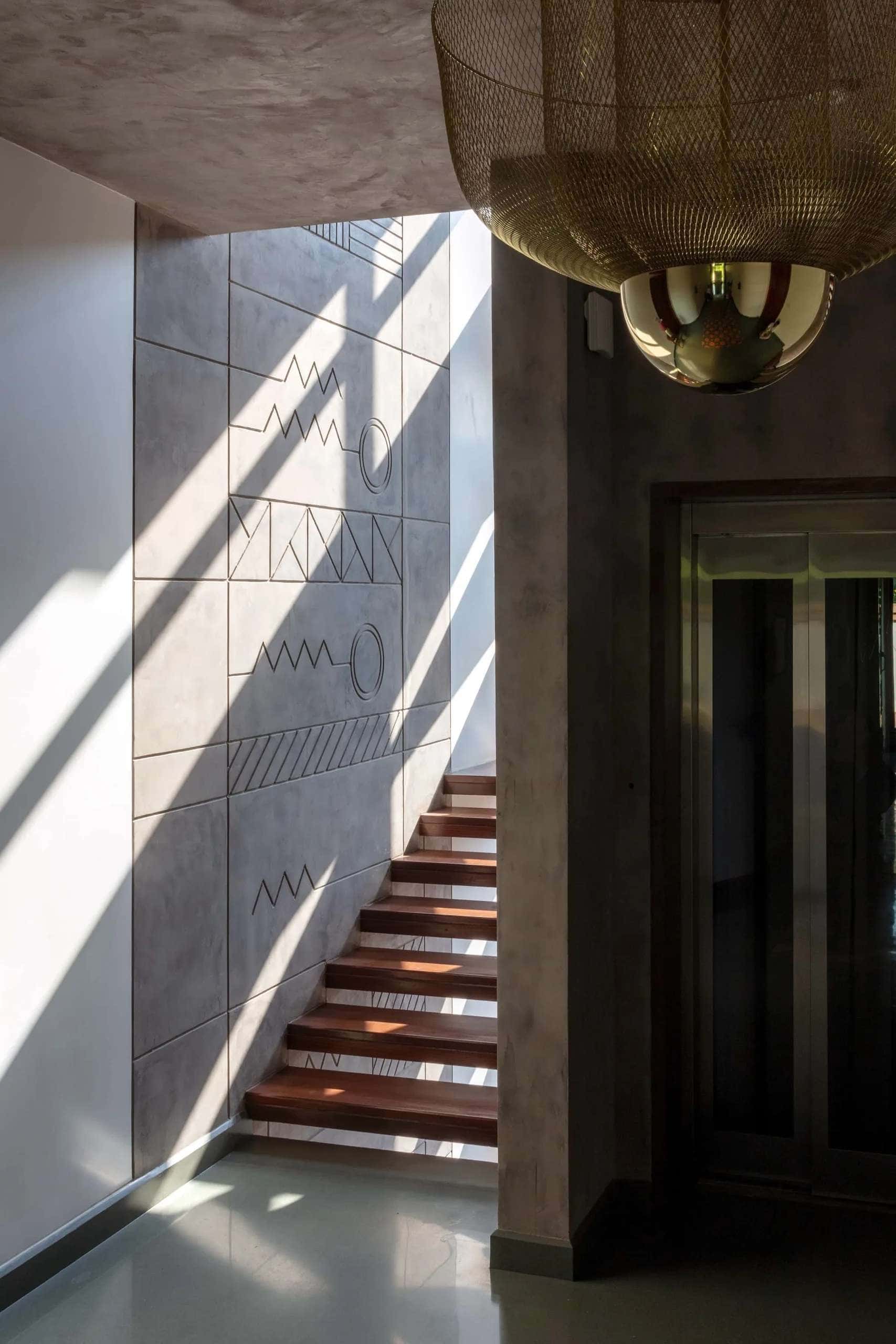
Ar. Arerapu explains that high-performance systems enable precise control over solar heat gain, daylight penetration, and thermal insulation, thereby reducing reliance on artificial lighting and mechanical cooling.
Ar. Girdhar states that glass manufacture is becoming far more energy-efficient and sustainable due to advancements, noting that high recycled glass content (cullet) is incorporated into modern float glass operations, lowering melting temperatures and carbon emissions. He also notes that new developments in coating technology, like solar-control and low-emissivity (Low-E) coatings, improve a building’s thermal performance.
Structural Approach To Designing Large Glass Façades
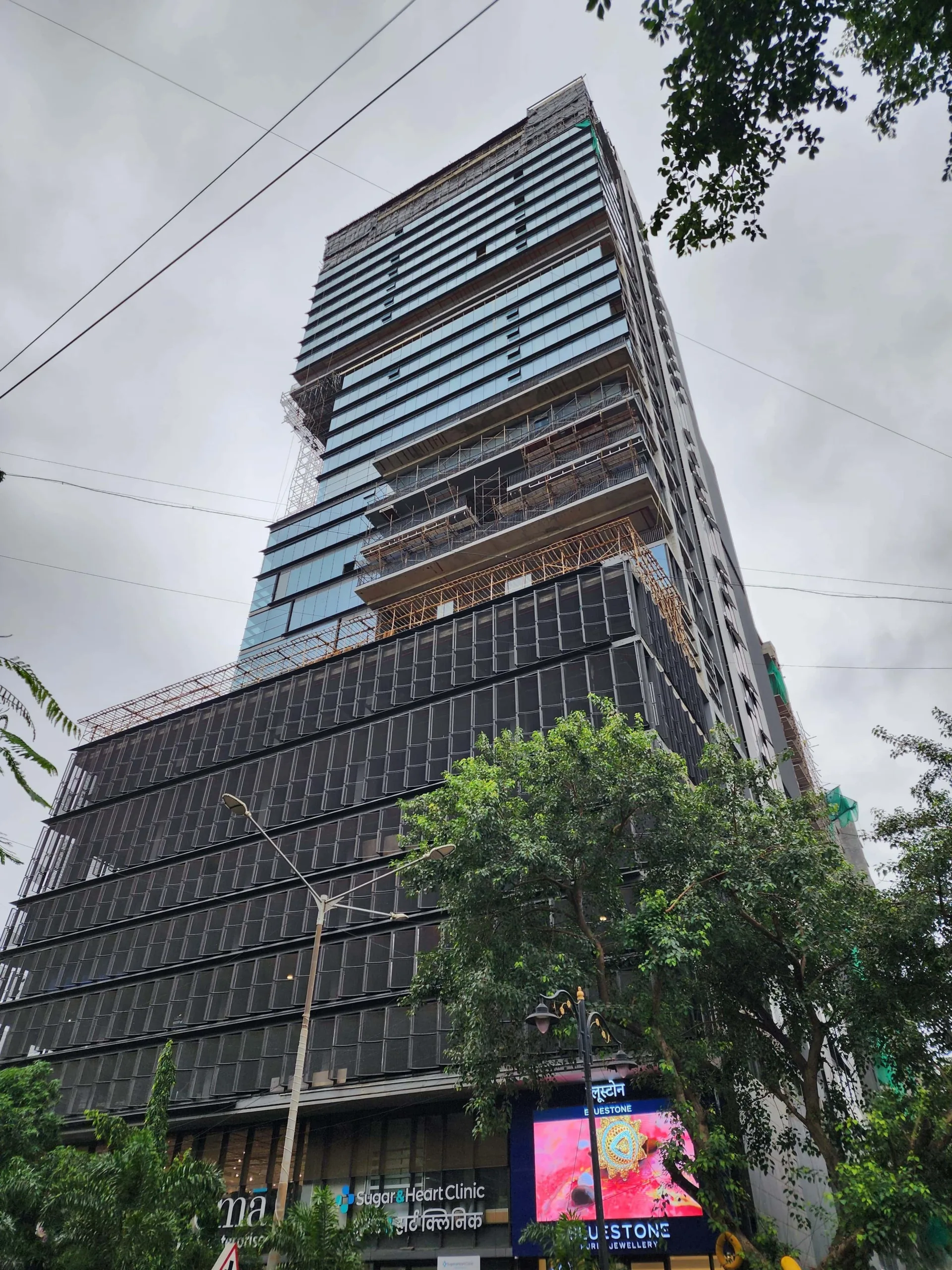
Designing monumental glass façades introduces a complex engineering challenge where the material must appear visually weightless while possessing immense structural integrity. The primary considerations extend far beyond simple load bearing to navigating the forces of nature, specifically high wind loads and the relentless stress of thermal expansion. Our panellists stress the criticality of a flexible, yet robust, sub-structure, often involving integrated steel or aluminium frameworks. The solution relies on precision engineering, incorporating essential details such as thermal breaks, expansion joints, and laminated high-strength glass to ensure the entire envelope can safely and gracefully manage the inevitable movement and stress induced by fluctuating external temperatures.
Modi addresses the structural consideration of uPVC frames, noting that uPVC has a high thermal expansion coefficient, for which they reinforce their frame with high-quality German alloy tool steel. He adds that their uPVC profiles have a hollow multi-chamber design that traps air for thermal insulation, which indirectly also lowers the degree of thermal expansion.
Ar. Shah explains that they collaborate closely with structural and façade engineers. For the Anantya Villa project, they used a hybrid system of concealed aluminium channels and point-fixed spider fittings to distribute loads evenly. He notes that expansion joints and silicone-sealed cavities accounted for sharp temperature variations, and they integrated laminated safety glass for structural integrity.
Ar. Vora and Ar. Stevin Abraham, Architect – Studio Tab, agrees that the approach begins by establishing a strong yet flexible sub-structure, such as a steel or aluminium framework, to resist wind load and thermal stress. Ar. Vora notes that the framing system should incorporate thermal breaks and expansion joints to accommodate glass movement.
Ar. Thergaonkar observes that in most projects, thermal expansion is not factored in during the design stage. He suggests that a complete façade system, including glass, frame, and structure, should be treated as a single element, and the designer must check for the material’s coefficient of thermal expansion.
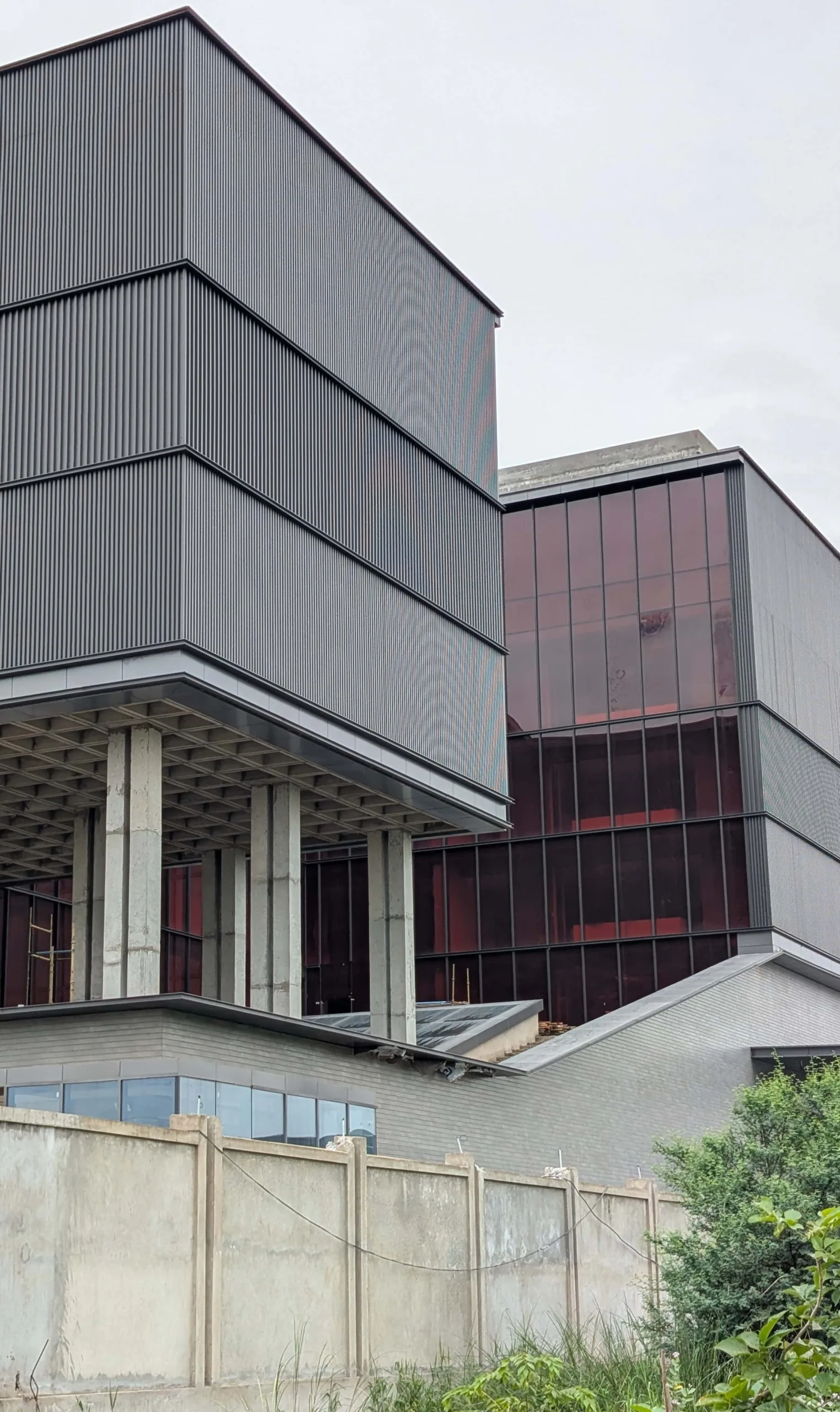
Ar. Ostawal states that their approach begins with establishing clear hierarchies-separating structural responsibilities from the aesthetic and functional roles of glass. She notes that they design independent support systems that carry loads while allowing glass to perform as a refined, lightweight enclosure.
Ar. Bhagwati opines that structure and transparency are a delicate dialogue, where the challenge lies in expressing glass as light yet stable. She explains that they frequently combine high-strength laminated glass with structural silicone glazing systems to control wind loads and movement.
Ar. Arerapu states that his approach involves precision engineering from the outset, using high-performance glass types, such as laminated and heat-strengthened glass, for safety and load-bearing capacity. He emphasises the need for thermally broken curtain wall systems with adequate expansion joints.
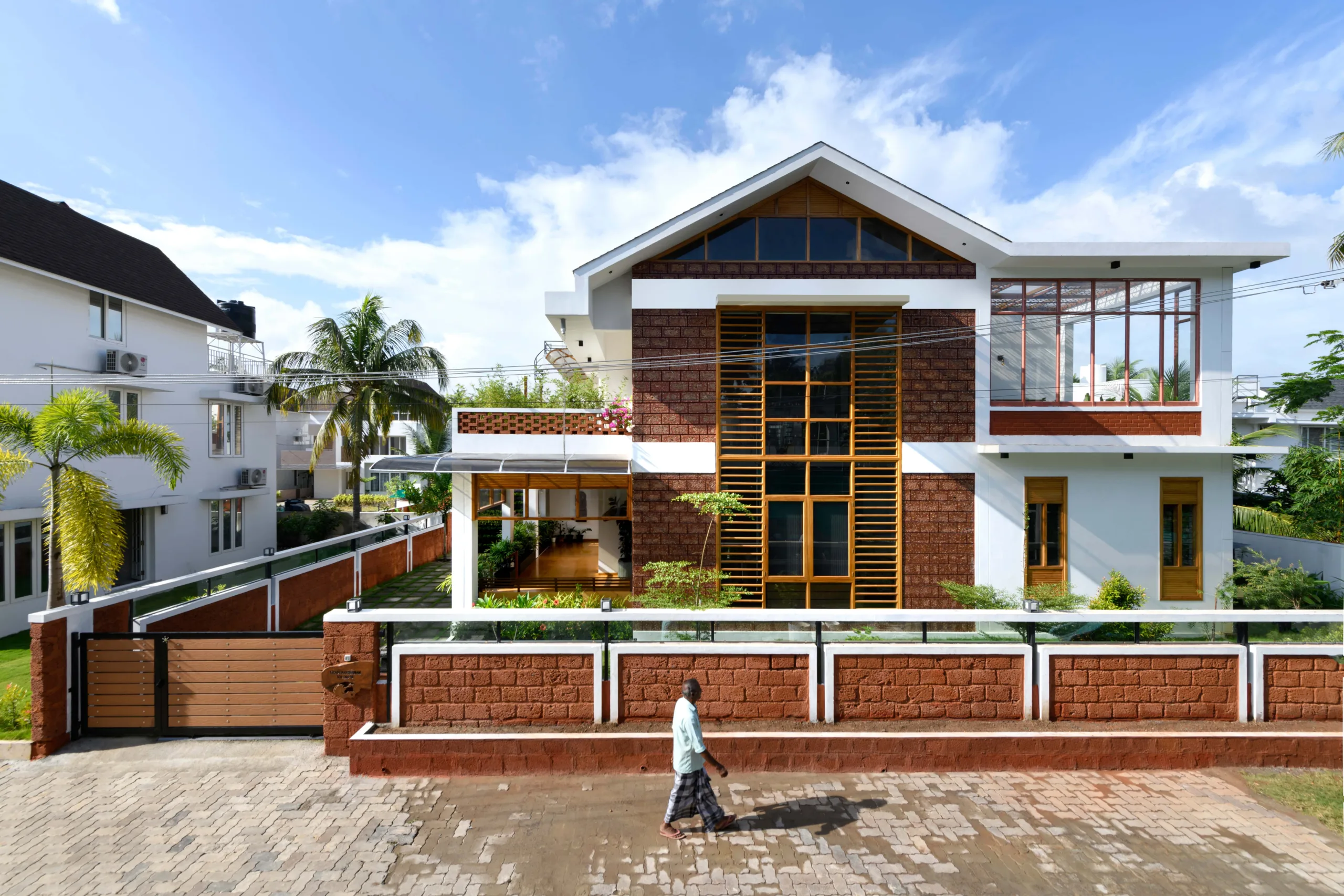

Strategies And Technologies To Optimise Daylighting, Insulation, And Energy Efficiency
The goal of intelligent façade design is to maximise the benefits of natural light-luminous interiors and reduced energy use-while meticulously eliminating the drawbacks of glare and excessive heat gain. This optimisation requires an integrated strategy that moves beyond simple glass selection. Leading architects employ a multi-layered approach, beginning with passive design fundamentals like building orientation and deep spatial planning. These are then bolstered by advanced technologies, including dynamic glazing that tints automatically, kinetic shading systems, and the use of daylight simulation tools. The result is a highly responsive building envelope that continuously tunes itself to the environment, delivering superior thermal performance and year-round occupant comfort.
Ar. Shah explains that their approach blends passive and active strategies for their projects. He notes that at Anantya, orientation analysis dictated window-to-wall ratios, while sensor-based dimming balanced natural and artificial light through the day. Low-E DGU systems ensured minimal U-values, and insulated blinds added a secondary thermal layer during peak afternoons. They extended glass skylights only in zones with diffused northern light, preventing glare yet inviting the outdoors in. The architecture was essentially tuned like a living organism – each glass surface responding to time, heat, and light. Technology helped, but intuition and climate empathy defined the final balance.
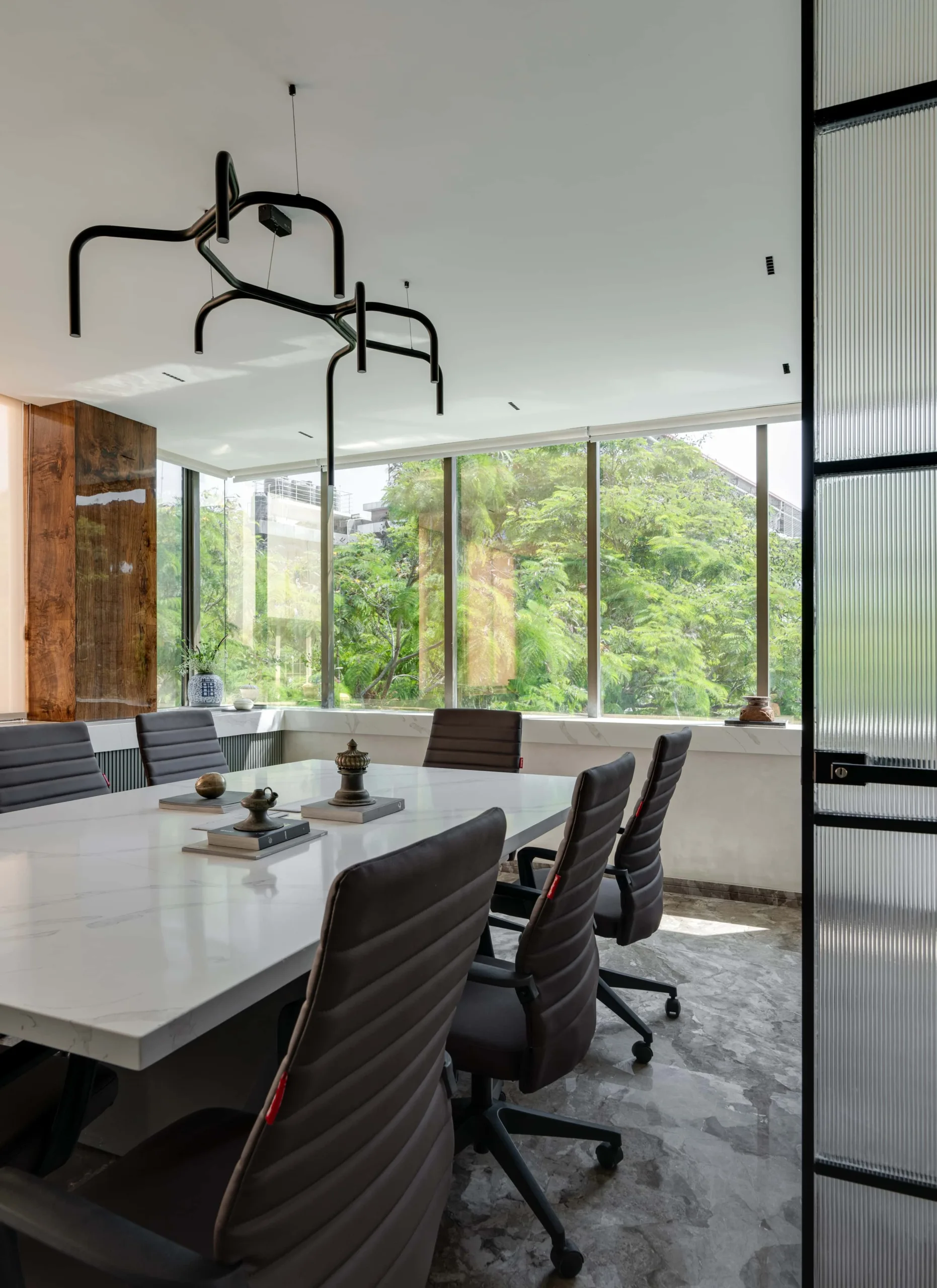
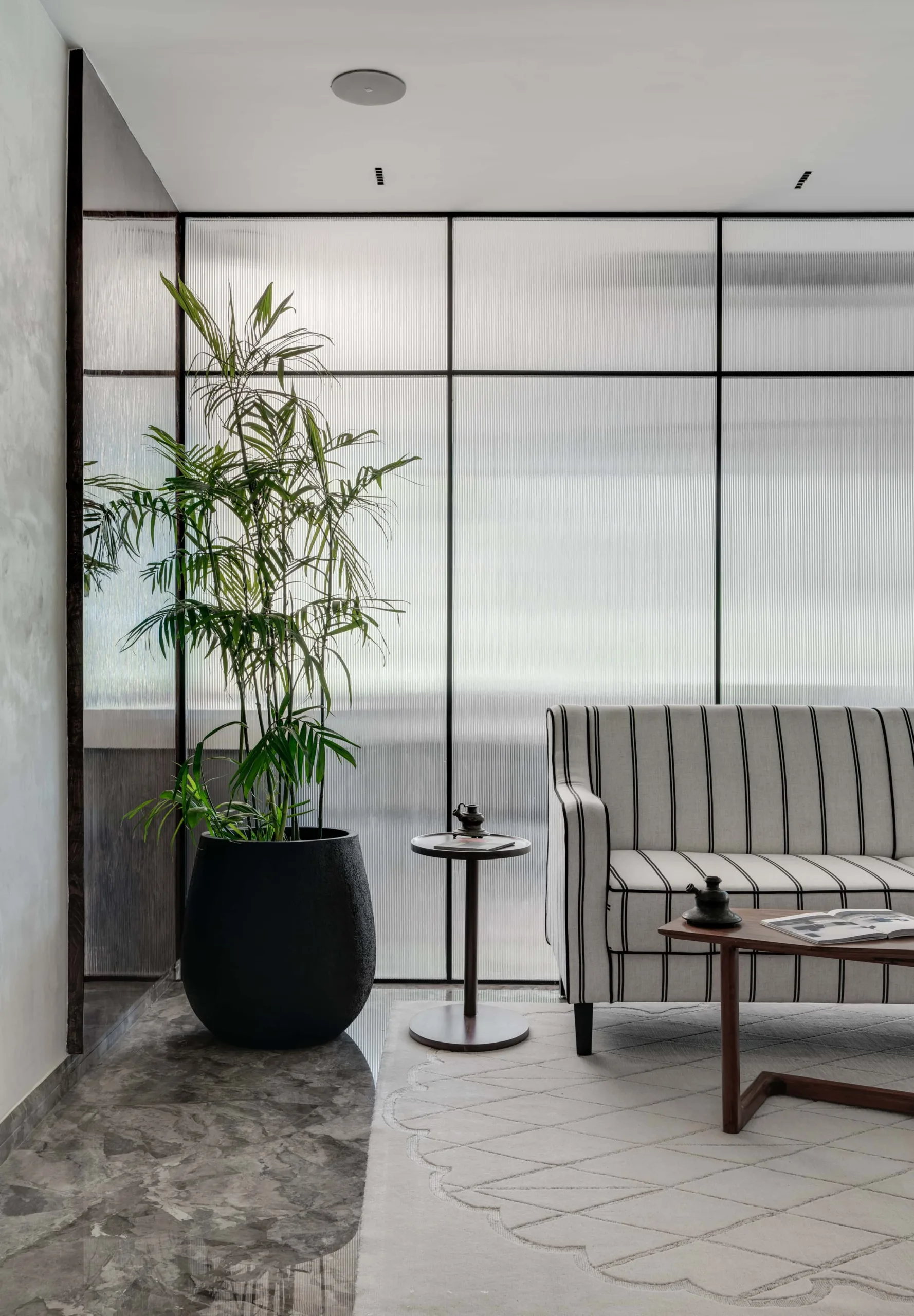
Ar. Vora relies primarily on passive strategies and thoughtful design. She mentions their project Crimson Void. She says that the building is mindfully opened up and glazed on the northern side, thus capturing cooler, diffused northern light while minimising exposure to harsh southern sunlight, reducing indoor heat gain. The building also incorporates deep courtyards, which significantly lowers indoor temperatures and reduces incident heat coming on the glass facade.
She said, secondly, they employ double-skin façades that serve as a secondary protective layer with the glass, improving light and heat filtration and enhancing the thermal performance of the building envelope. These façades also help regulate solar heat, reducing reliance on mechanical cooling. This approach allows us to balance daylighting needs with energy efficiency, creating a sustainable and comfortable indoor environment without compromising on transparency and visual connection with the outdoors.
Ar. Stevin Abraham, Architect – Studio Tab, focuses on making spaces bright, comfortable, and energy-efficient at the same time, starting with understanding the building’s orientation and local climate. He incorporates shading solutions such as louvres, fins, or smart blinds, and uses tools like daylight simulations.

Ar. Thergaonkar and Ar. Arerapu agrees that optimised daylighting and energy efficiency involve integrating passive strategies like window placement and shading devices with technologies. Ar. Thergaonkar suggests methods like Kinetic & Dynamic Façades and using BIM software for lighting and energy analysis. They, along with Ar. Stevin, all agree on the use of dynamic glazing technologies like glass that changes tint based on sunlight.
Ar. Ostawal notes that when they use glass extensively, they layer their strategies. She says that fluted or textured glass diffuses direct sunlight, and they embrace complementary design elements, such as the thoughtful placement of lush green plants near glazed areas for natural shading. She adds that they specify high-performance glazing systems but stresses that technology serves the design concept rather than compensating for poor spatial planning.
Ar. Arerapu notes he begins with daylight simulation tools to study light distribution, glare control, and visual comfort. He specifies advanced glazing technologies and incorporates double-skin façades, insulated spandrels, and thermally broken frames.
Conclusion

The evolution of glass represents the evolution of architecture itself. It has grown from a transparent membrane into a dynamic tool—one that allows light, comfort, efficiency, and aesthetics to coexist without compromise. As cities push for sustainability and buildings are expected to perform rather than merely stand, glass has become central to this transformation.
What emerged strongly from our conversations with architects and industry voices is that great design is no longer about choosing glass—it is about understanding it. Its performance depends on orientation, climate, framing systems, coatings, shading devices, structural detailing, and responsible specification. When thoughtfully applied, it reduces dependency on mechanical cooling, lowers lighting loads, improves insulation, and dramatically enhances the well-being of occupants.
From uPVC and thermally broken frames to dynamic glazing, BIPV systems, double-skin façades, and smart coatings, technology is turning glass into an active skin—responsive, resilient, and highly efficient.
What once demanded compromises now delivers balance: openness without heat, transparency without glare, and beauty without energy loss.
Glass is no longer the future of design-it is the present. And in the voices of the experts we interviewed, one message is clear: when used intelligently, glass doesn’t just shape buildings; it shapes better living.