
Post Date: June 15, 2026 |
Last Edited: June 15, 2026
Key Highlights
|
Rethinking The Role Of Facades In Aviation Infrastructure
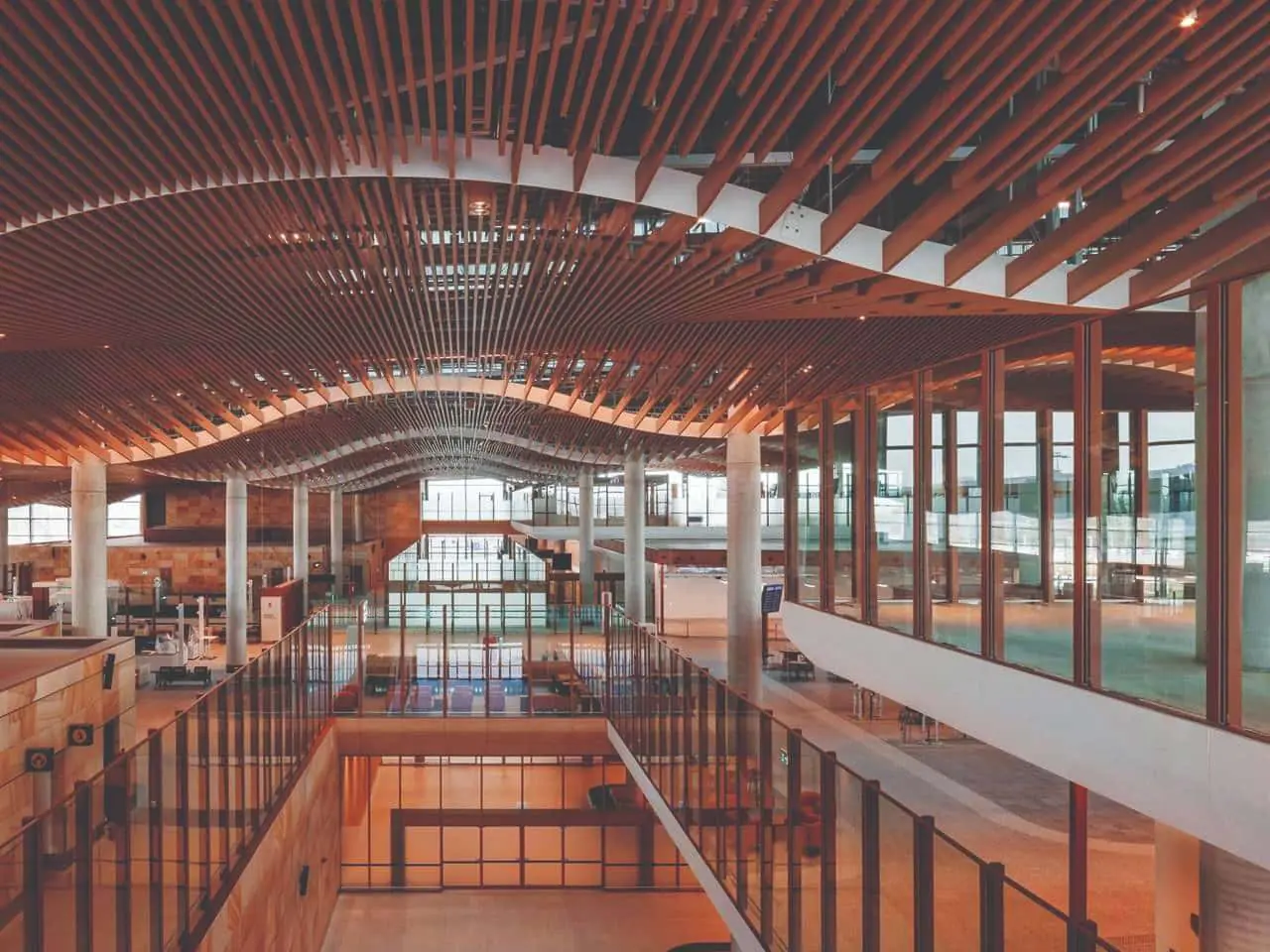
Airports today are no longer just transit hubs; they are statements of national ambition, engineering capability, and passenger experience. Across India, the scale and pace of airport development are unprecedented, with projects pushing the boundaries of architecture and construction.
Yet, within this transformation, one critical element continues to be underestimated: the façade.
Traditionally treated as an architectural finish, the façade is now evolving into a high-performance system that directly influences construction efficiency, safety, durability, and long-term operational performance. The conversation is steadily shifting from how façades look to how they perform over time.
India’s New-Generation Airports: A Shift In Thinking
Projects such as Noida International Airport, Navi Mumbai International Airport, Bengaluru Terminal 2, and Guwahati Airport reflect this shift in different ways.
Noida represents scalability and modular growth, where repeatability and expansion are embedded into the design philosophy. Navi Mumbai pushes the limits of geometry, demanding precision and structural coordination at scale. Bengaluru Terminal 2 introduces a more experiential dimension, where façades interact with light, space, and environment. Guwahati, on the other hand, reinforces the importance of climate responsiveness in regions exposed to high humidity and rainfall.
Despite their varied contexts, these projects converge on a common requirement for façades that are engineered, coordinated, and built for long-term performance.
From Materials To Systems: A Fundamental Shift
For years, façade discussions were driven by materials. The focus was largely on selecting the right panel or finish. Today, that approach is no longer sufficient.
The real question has evolved into how the entire façade system behaves over its lifecycle. This shift has brought attention to the underlying framework, the substructure, the anchoring strategy, and the way loads and movements are managed.
Façades are no longer assemblies of individual components. They are integrated systems where the invisible elements define performance far more than the visible surface.
“Façades are no longer defined by materials, but by how intelligently their systems perform over time.” |
Planning And Design: Where Performance Begins
The performance of a façade is largely determined during the design phase. In the Indian context, where insulation is not widely implemented in ventilated façade systems, performance is increasingly governed by substructure design and cavity behaviour.
A well-engineered façade must strike a balance between structural stability and environmental response. The configuration of the substructure plays a crucial role in managing loads, maintaining alignment, and accommodating tolerances across large surfaces. At the same time, the cavity enables ventilation and moisture management, protecting the building envelope over time.
Equally critical is early-stage coordination. When façade systems are integrated with structural and architectural design from the outset, execution becomes significantly more predictable. This reduces site-level challenges and aligns design intent with construction reality.
Seismic Considerations: A Growing Imperative
An increasingly important dimension in facade engineering is seismic performance. As awareness of seismic risks evolves and expectations become more stringent, façades can no longer be treated as passive attachments to the building. They must respond dynamically to structural movement.
During seismic events, buildings experience inter-storey drift and displacement. These movements directly impact façade systems, placing stress on connections, anchors, and support structures. If not properly addressed, this can lead to system failure or safety risks.
This makes it essential for façade systems to incorporate controlled flexibility. Substructures must be capable of accommodating movement without compromising alignment or integrity. Anchoring systems must perform reliably under cyclic loading conditions, ensuring safe load transfer even in dynamic scenarios.
In airport infrastructure, where safety and operational continuity are critical, seismic compliance is not an added feature; it is a fundamental requirement.
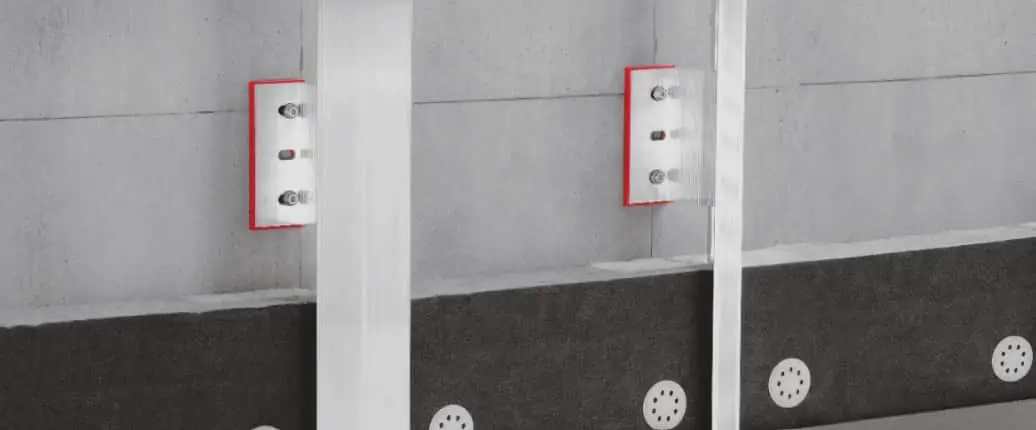
Ventilated Façade Systems: Engineering Behind The Surface
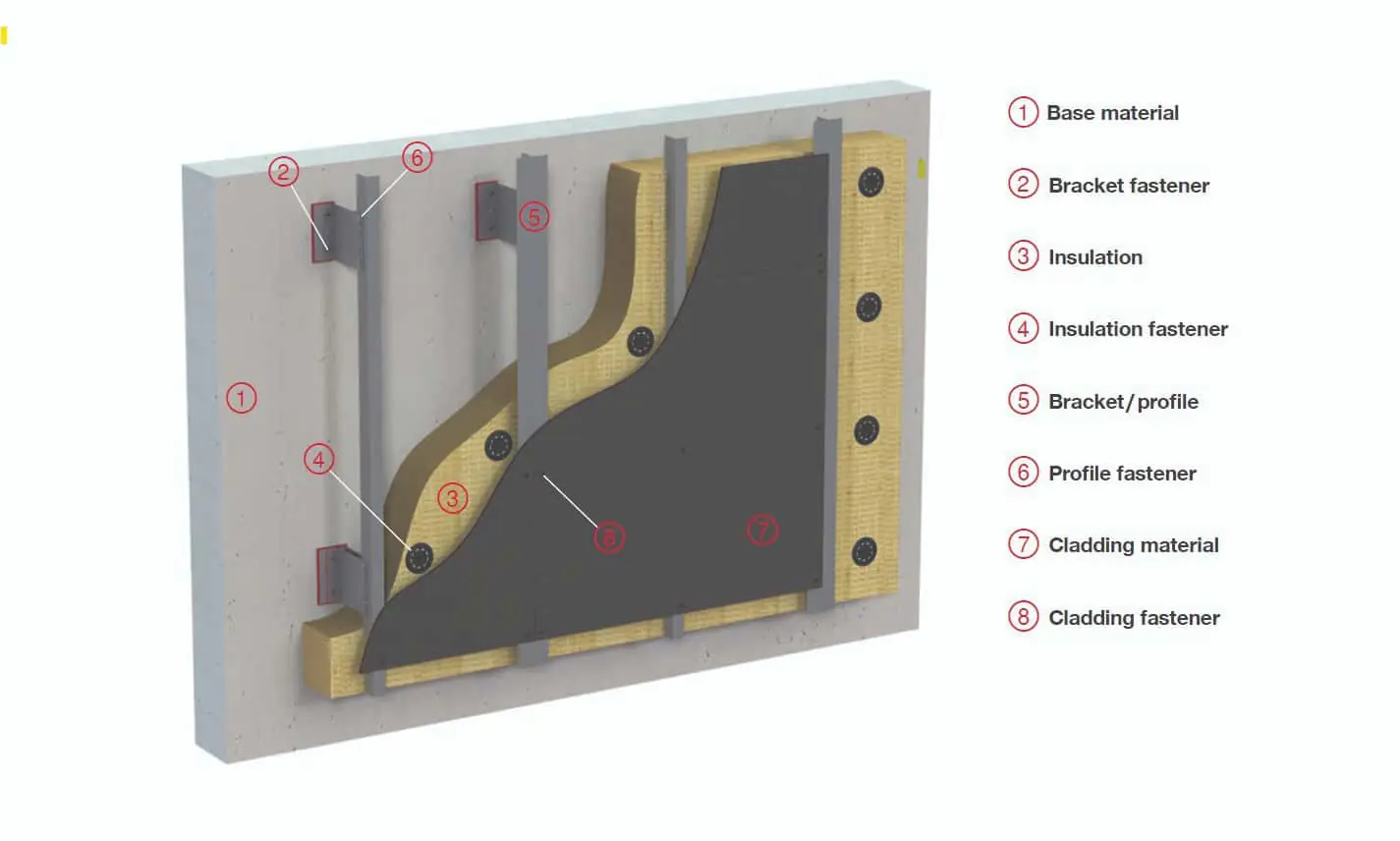
Ventilated facade systems are increasingly being adopted for their ability to handle environmental exposure effectively. By introducing a cavity between the cladding and the primary structure, they enable airflow and moisture management, contributing to long-term durability.
Engineering The Substructure: The Hidden Backbone
The substructure forms the backbone of the facade system. It governs load transfer, alignment, and performance under both environmental and structural conditions.
In large-scale airport projects, where façades span extensive areas and interact with complex geometries, the importance of a well-engineered substructure becomes even more pronounced. Systems that allow for adjustability and precision help ensure efficient installation while maintaining tight tolerances.
At the same time, the substructure must be robust enough to withstand long-term exposure and structural movement. This balance between flexibility and strength is critical to achieving reliable performance.
“The future of façade engineering lies in integrated systems that deliver productivity, safety, and resilience together.” |
Performance Beyond Completion
The true test of a façade begins after completion. Airports operate continuously, exposing façades to environmental stress, structural movement, and operational constraints.
Systems designed with lifecycle performance in mind offer clear advantages. They are easier to maintain, more durable, and better equipped to adapt to evolving requirements. This marks a shift from focusing on project completion to ensuring long-term reliability.
Returning To The Bigger Trend
The evolution of façade systems reflects a broader transformation in construction. There is a clear movement towards solutions that are engineered, integrated, and performance-driven.
This is not just a technological shift—it is a change in mindset. It prioritises predictability over improvisation, planning over reaction, and long-term performance over short-term gains.
Façades are no longer secondary elements; they are central to this transformation.
Source:Disclaimer: This article is based on publicly available information, general industry practices, and professional experience. It does not represent official project specifications or confidential project data. Resources: Public airport development reports, industry publications on façade engineering, seismic design guidelines for non-structural systems, and global best practices in ventilated façade construction. Get: https://www.hilti.com/content/hilti/W1/US/en/business/business/engineering/facade/ventilated-facade.html |