Post Date: July 21, 2026 |
Last Edited: July 21, 2026
Great Façade Consultancy Is About Both Safe Design And Safe Implementation, Not Just Checking Compliance
Q. How Does BB7’s Multidisciplinary Approach Strengthen Façade Design And Delivery?
Façade design has always been a complex system, with key drivers covering structures, thermal performance, weathertightness, acoustics and, of course, fire performance. BB7’s approach, spearheaded by my colleague Camille Destres, Director of Safer Building Design, is to integrate trained and experienced fire engineers into the façade design process, ensuring competent professionals with the right skillset and outlook on the bigger picture of fire safety are an active part of the façade design process, rather than passive participants.
Q. How Is Façade Engineering Adapting To Stricter Building Safety Regulations?
The industry has always been adaptable, and I feel this is no different. If you look back to 2017, at the time of Grenfell Tower, there were almost no viable products on the market to achieve a Class B Reaction-to-Fire-rated membrane – now it is standard practice. Whether it is fire performance, the introduction of Part O for overheating in 2022, or the steady march towards more thermally efficient façades with the Future Homes Standard, the industry is constantly innovating and meeting these challenges.
Q. How Do Façade Requirements Differ Across Sectors Like Commercial, Residential, And Healthcare?
There are huge differences in approach between the different sectors in the UK, particularly when you move into healthcare and education, where key stakeholders such as the DFE and NHS have extensive guidance documents that often supersede the more traditional Approved Document/Technical Handbook approaches (for example, the NHS Net Zero Building Standard for Primary Care facilities requires a minimum U-value of 0.12 W/m2K for opaque walls versus 0.26 W/m2K in ADL2 2026). If you have only ever worked on residential projects and want to operate in other sectors, I would certainly approach that with caution and seek guidance from professionals who have worked in those sectors before.
“The future of façade engineering will be shaped by AI, but engineering judgement, experience and technical expertise will remain irreplaceable” |
Q. What Are The Biggest Challenges In Balancing Façade Aesthetics With Safety And Performance?
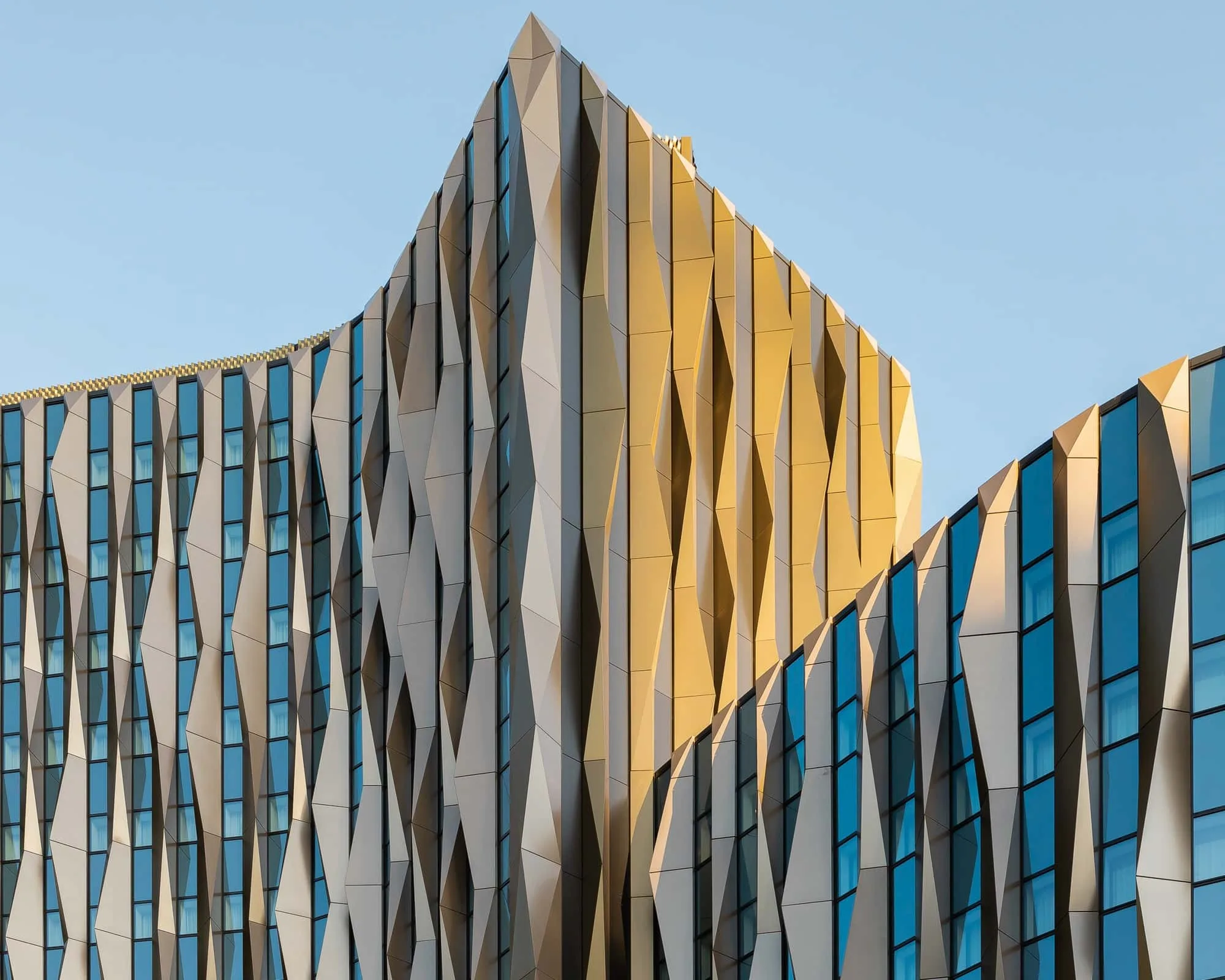
The biggest driver in this, to be honest, is cost. Many clients and design teams aspire to provide a façade that achieves it all – the aesthetic intent, uncompromised safety and a high-performance envelope. The problem, however, is that whilst this is achievable, there are usually very few projects where the budget will accommodate it, resulting in compromise (particularly if there are issues with other elements of a build). In these situations, you may find certain technical performance criteria are compromised to maintain the aesthetic, or vice versa. Safety is the only thing that should never be compromised.
Q. How Is BB7 Using Digital Tools To Improve Façade Engineering Outcomes?
We have recently implemented an in-house-built tool, the TGT (Template Generation Tool), which aims to provide greater consistency in our report templates, enabling faster, higher-quality report writing across key documents. We still have a long road ahead to align our templates, but the hope is that this (alongside potential AI integrations) will help automate some of the more repetitive tasks, rather than replacing engineering judgement, allowing us to generate content more efficiently and spend more time where façade engineers add real value – solving technical problems.
Q. What Key Lessons Have Emerged From Façade Remediation And Recladding Projects?
Firstly, I think this is a great source of understanding and knowledge regarding grassroots façade design and engineering because nothing is perfect. You have to deal with the building as it is, as it was built at the time of construction, and based on the regulations and guidance in effect at that time.
In terms of key takeaways, I would say the main thing is never to assume you know what has been built. You may think you know, but unless you have physically seen it, you have no idea. I have seen some wild designs that were nothing like my assumptions (or the as-built drawings) when opening up a building.
Q. How Can Façades Better Contribute To Sustainability And Resilience?
As the primary thermal line, façades remain a key driver in achieving sustainability goals from an operational energy/carbon perspective; this is well established at this point. The pressure is building, however, to provide quantifiable sustainability data that is robust and evidence-based, with guidance such as the UK Net Zero Carbon Buildings Standard gaining traction among clients across all sectors. I am hopeful that we will see a shift towards treating embodied carbon as a core technical metric, similar to U-values, at which point we will see a greater influence of façade systems on overall circularity, low-carbon materials, durability, and the replacement of façade systems.
Q. At What Project Stage Can Façade Consultants Add The Most Value?
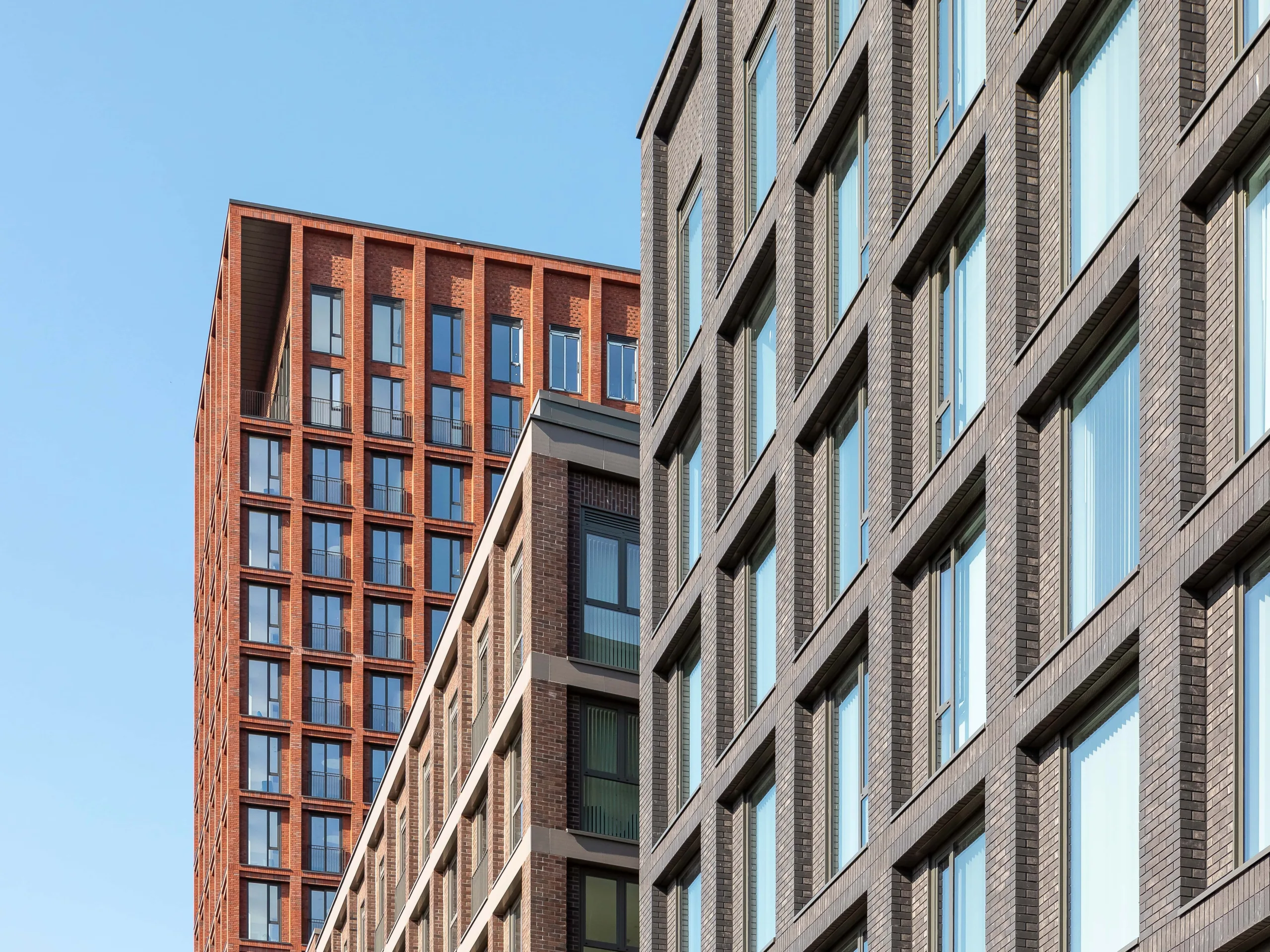
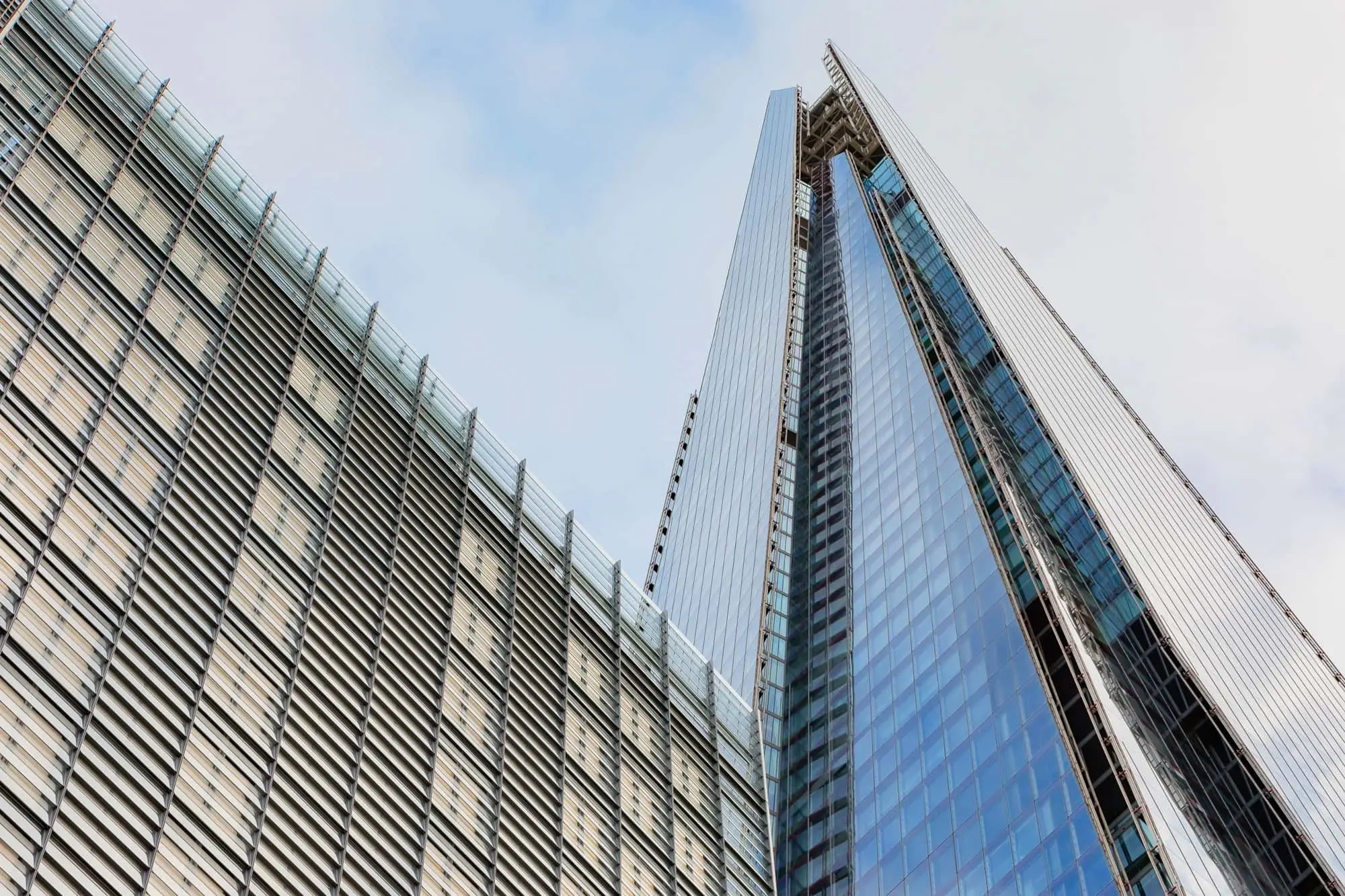
All of them! But I would suggest we should actually flip this question and ask where façade consultants can add the least value – especially if you only appoint a façade consultant at RIBA Stages 5/6. Great façade consultancy engagement is about both safe design and safe implementation; good façade consultancy ensures that a project is designed correctly, with the right materials, and meets the functional requirements of the Regulations. Being engaged in the implementation of a design when it is too late to make changes if an issue is identified adds very little value. If you are already confident in the design, you need a Clerk of Works, not a Façade Consultant.
“A façade consultant adds the most value when involved from the outset, helping shape safe, compliant and high-performing designs before critical decisions are locked in.” |
Q. What Trends Will Shape The Future Of Façade Engineering?
It sounds obvious, but I think AI will be the biggest influence on our sector in terms of design, both for good and for ill. Used correctly, it is a great leveller and a way to access a wealth of knowledge in an industry that is sorely lacking in educational resources and knowledge centres. However, because that knowledge is so limited and based so heavily on personal expertise and experience, AI tools are simply not equipped (yet) to understand how a façade should look, be constructed, or technically perform. I fear we will see some horror stories within the next decade of AI-driven design that is fundamentally wrong, although I hope we can catch these issues before they happen.
Q. What Advice Would You Give Architects Designing Safer, High-Performance Façades?
Always seek advice from a façade consultant as early as you possibly can (not that I’m biased…).