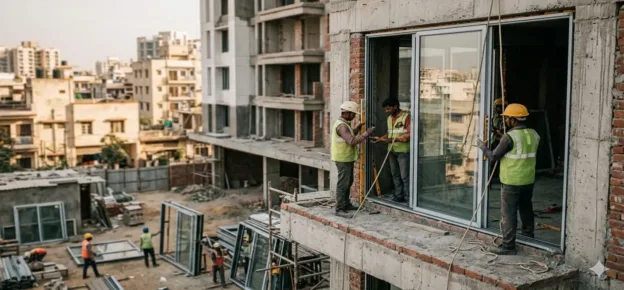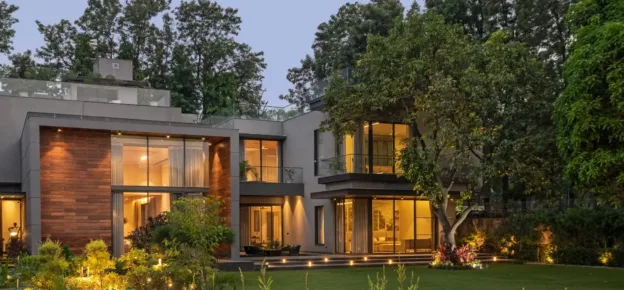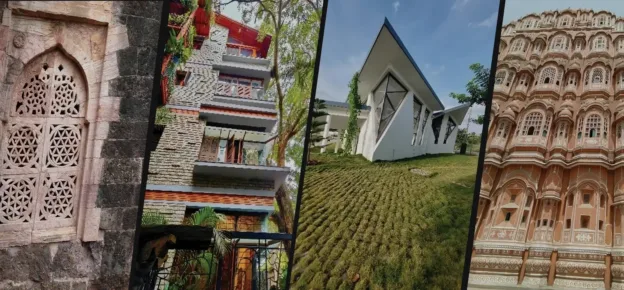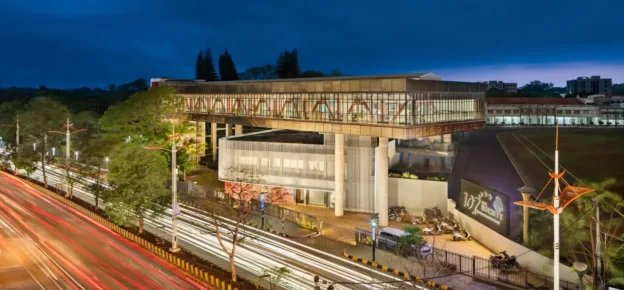
In 2025, façades are being asked to do far more than simply look good. As buildings respond to rising temperatures, changing lifestyles, and growing environmental responsibility, the building envelope has become a quiet but powerful driver of design. It is no longer a decorative outer layer, but an active system that shapes comfort, energy use, and the everyday experience of the people inside.
Architects are increasingly designing façades that respond to climate and orientation, control heat and daylight, and age gracefully over time. Materials are chosen with care, technology is used with intention, and performance now sits comfortably alongside aesthetics. There is also a clear shift towards simplicity, towards façades that feel honest, thoughtful, and rooted in their context.
Drawing on insights from leading architects and industry professionals, this cover story explores how intelligent envelopes are redefining architecture, placing people, performance, and long-term value at the heart of design.
The Evolution Of Building Envelopes: Architectural Trends In 2025
As architecture continues to respond to changing lifestyles, climate concerns, and technological advancements, the building envelope has emerged as a critical design element. In 2025, façades are no longer treated as static skins but as intelligent, expressive systems that balance performance, sustainability, and aesthetics—shaping how buildings look, function, and endure over time.

Ar. Tara Dhal, Founder and Managing Director, The Design Group, notes that safety remains the foremost criterion in façade selection, particularly regarding fire spread. He notes a growing preference for metal façades for durability and aesthetics, despite heat concerns. For fenestration, he says, insulated toughened glass and system aluminium frames remain the standard choice.

Ar. Vishal Sharma, Founder Partner and Principal Architect, Confluence, says that 2025 saw a shift towards performance-led, climate-responsive façades, with greater focus on daylight control, thermal comfort, and dynamic shading. He adds that façades increasingly contributed to spatial experience rather than acting merely as an external skin.

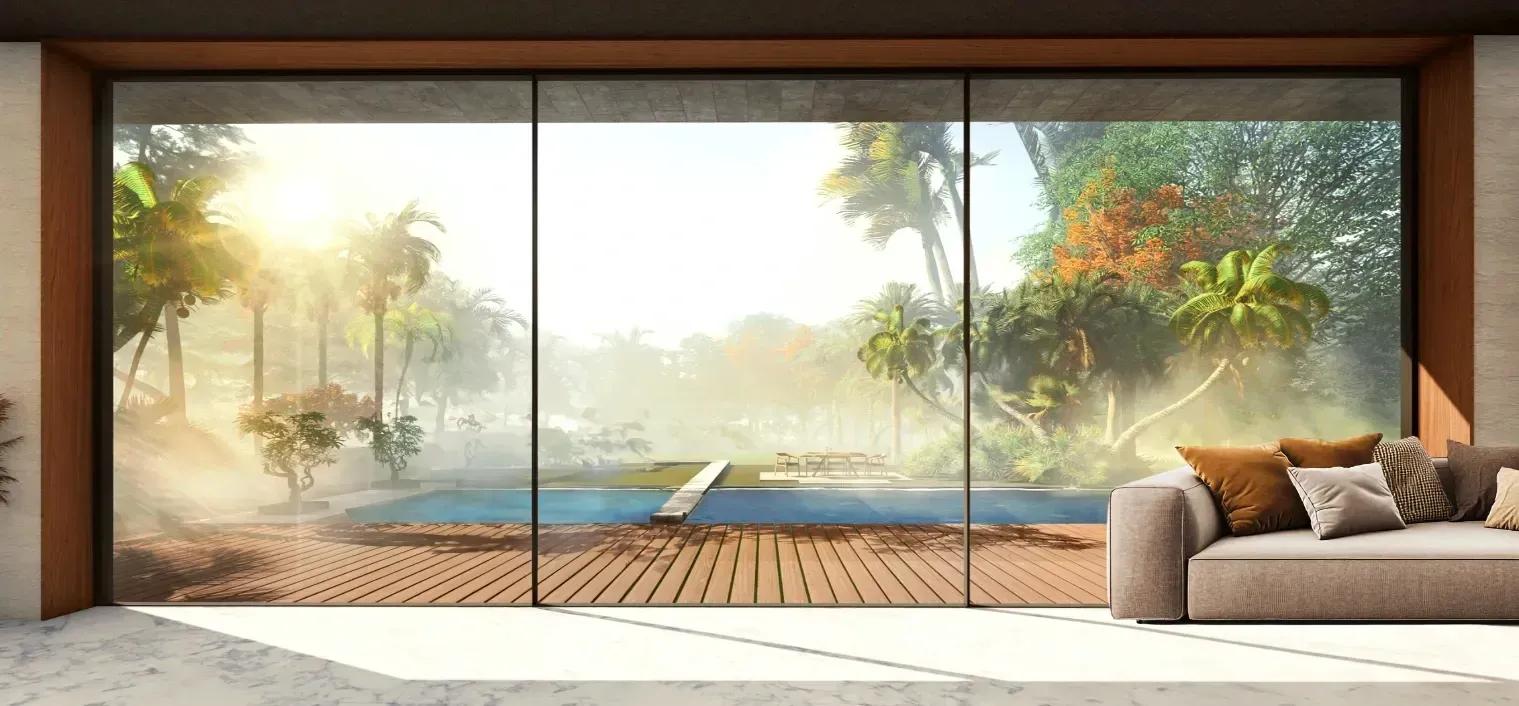
Ar. Harshal Patel, Chief Contracts Officer, The BNK Group, opines that 2025 has seen a considerable shift in specification philosophies as a response to climate change. He highlights the rising priority of biophilic designs and the implementation of smart façades with dynamic orientation to manage sunlight and glare. He also adds that sustainable materials such as recycled wood, bamboo, and low-VOC paints have gained prominence, while biophilic design now holds greater priority. Aesthetically, designers are exploring bold colours and textures—dark hues, natural stone finishes, and dark wenge—alongside clean lines and functional simplicity. Boutique projects, particularly villas, are increasingly defined by custom-built oversized doors designed to make a statement.

According to Ar. Mamta Rawat, Founder and CEO, ClimateNama Pvt. Ltd., 2025 marked a decisive shift towards Net Zero and sustainability-led design. She notes that façades and fenestration evolved from aesthetic features into high-performance climate systems, with architects prioritising energy efficiency, thermal comfort, and low embodied carbon. Sustainability, she says, moved from optional to non-negotiable.

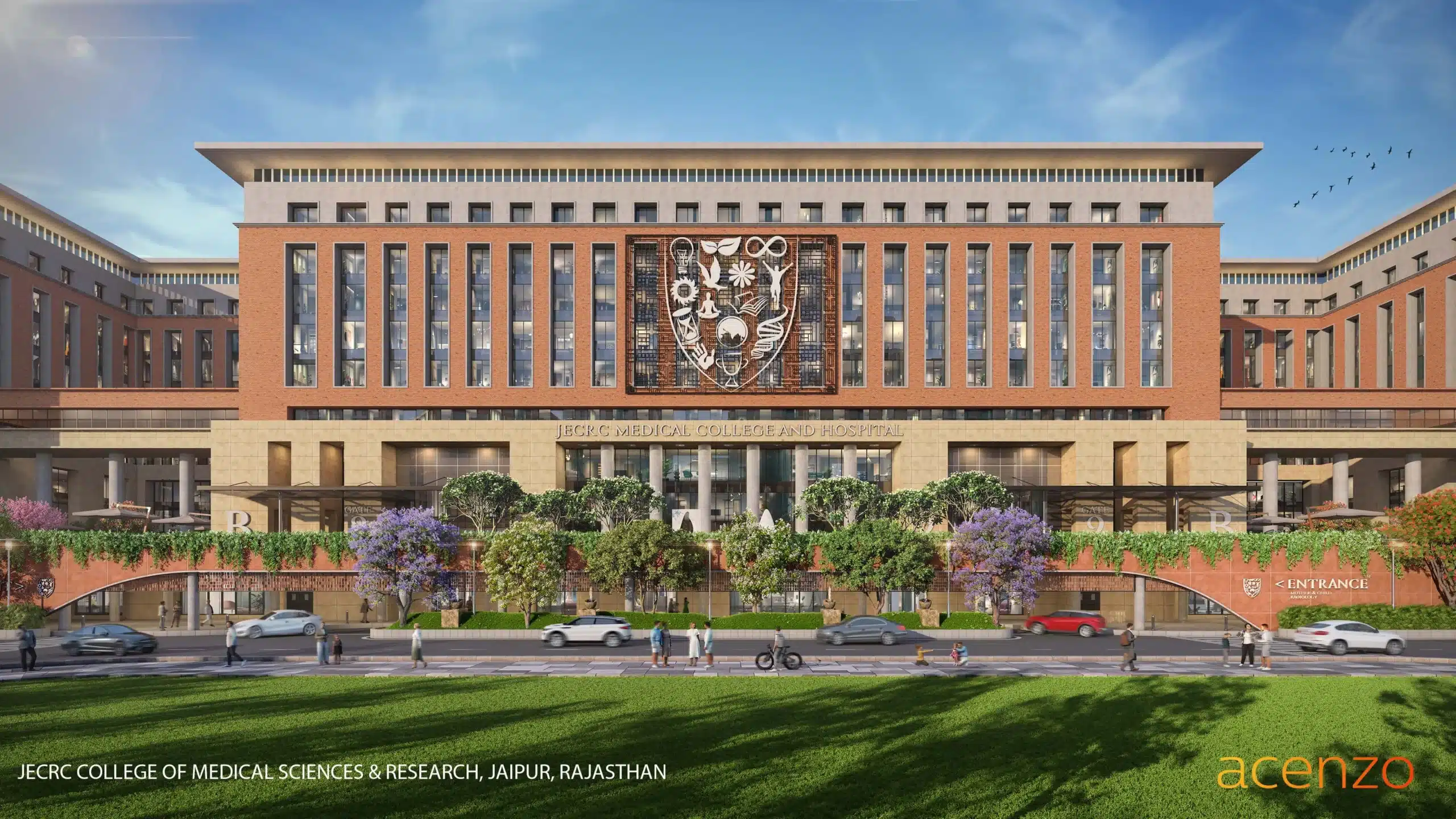
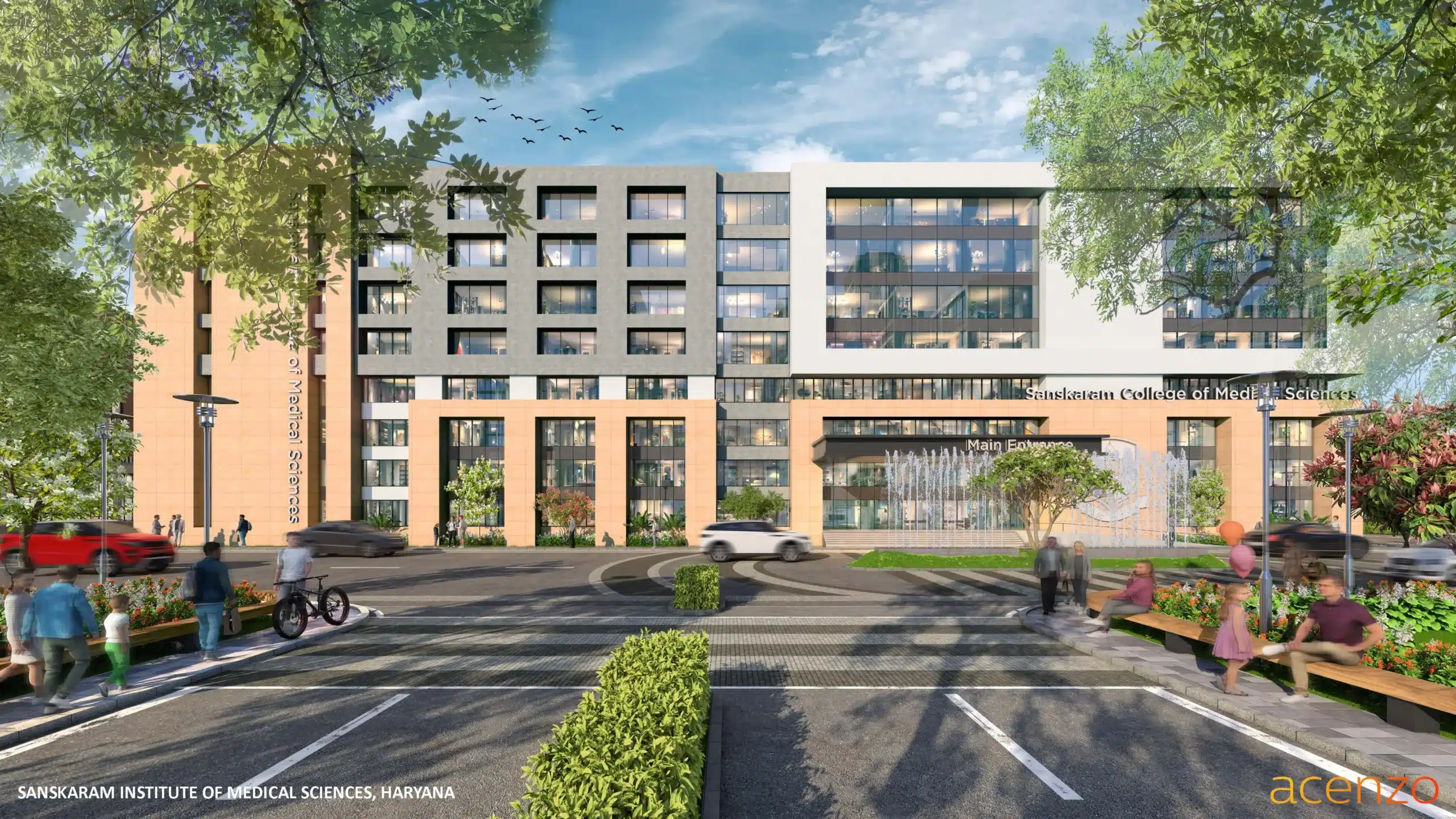
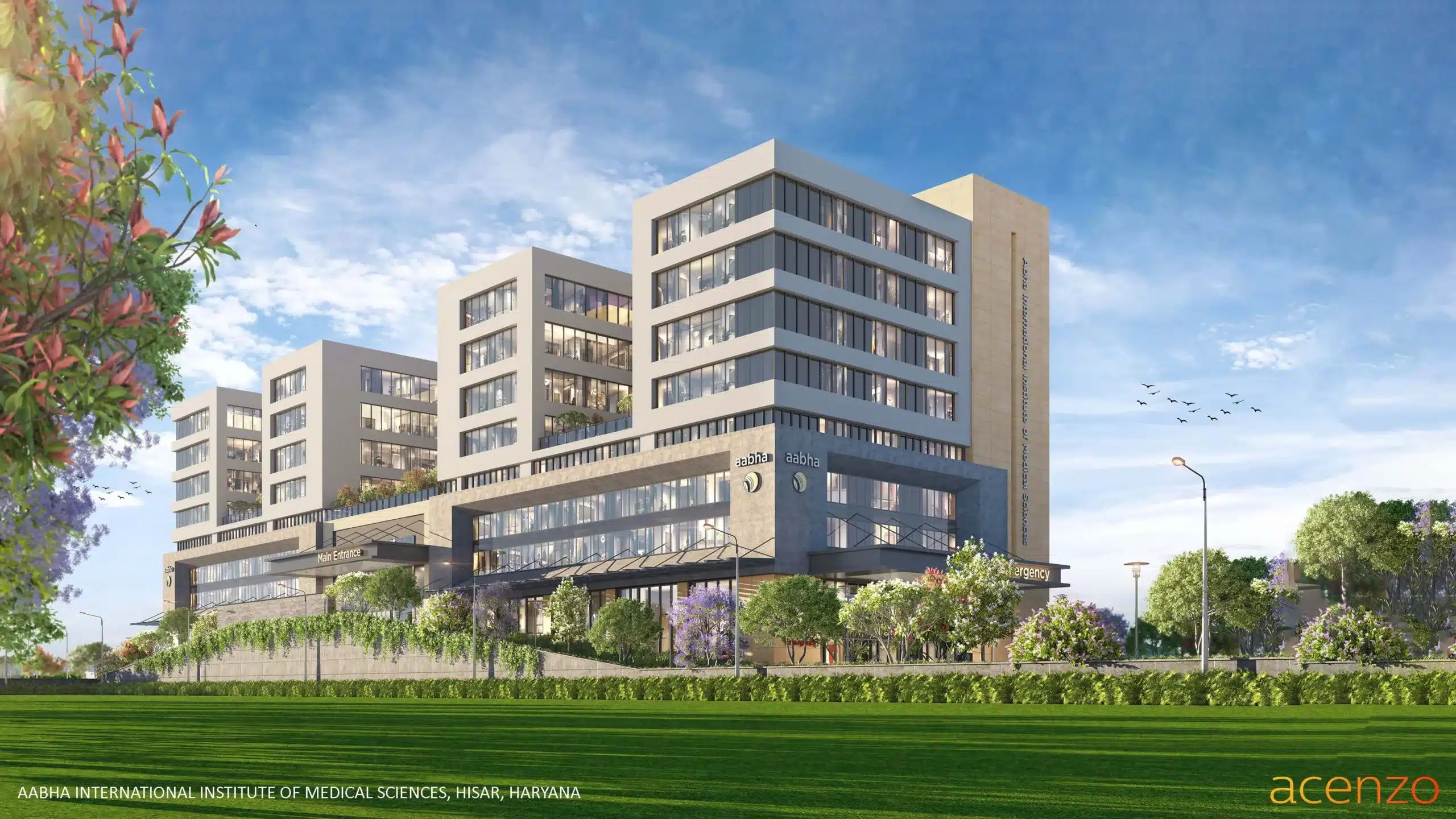
Ar. Pranjal Bajpai, Founder and Principal Architect, Acenzo LLP, agrees that 2025 marked a shift where façades moved beyond mere “packaging” to become architecture itself. He notes that performance now works in tandem with design intent, with façades designed directionally maximising controlled daylight from the north and minimising heat and glare elsewhere. Clients, he says, increasingly view façades as identity-driven and performance-led rather than ornamental.

According to Ar. Pankaj Rawat, façade and fenestration design in 2025, shifted towards climate responsiveness, energy efficiency, and constructability over iconic expression. He notes that rising temperatures and stricter energy codes led façades to act as environmental filters, prioritising solar control, daylight optimisation, and thermal comfort through shaded glazing, recessed openings, and layered systems rooted in passive design principles.
Materials On The Rise In 2025
In 2025, conversations around materials have moved beyond trend-led choices to more considered, value-driven decisions. Architects are reassessing how materials perform, age, and respond to climate, while also supporting sustainability goals and design intent. The views that follow capture how environmental responsibility, technology, and a renewed respect for context are collectively shaping the materials gaining prominence this year.
Ar. Patel observes that alongside recycled wood and bamboo, Building Integrated Photovoltaics (BIPV) are increasingly used in façade glazing to generate solar energy and reduce consumption. Double-skin façades, with an air cavity between interior and exterior, help minimise heat gain while improving ventilation. This growing adoption is driven by sustainability-focused government policies, demand for durable, low-maintenance solutions, and greater global access to advanced materials and expertise.
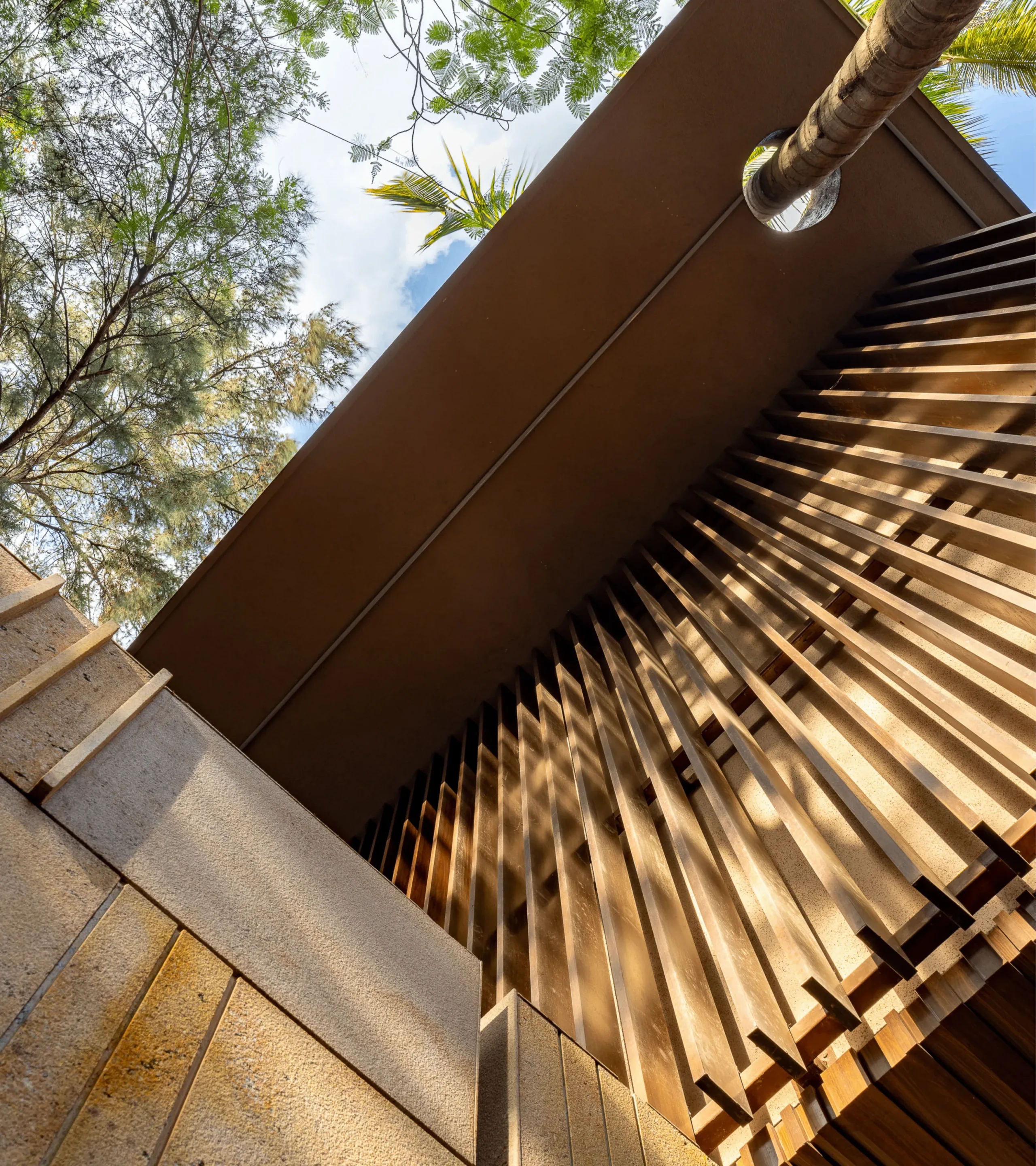
Ar. Mamta opines that those materials with low life-cycle impact and credible green certifications gained strong traction in 2025. She suggests that recyclable aluminium systems, low-E glazing, thermally broken frames, and certified materials stood out, driven by client demand, stricter benchmarks, and increased focus on embodied carbon across the building life cycle.
Ar. Rawat suggests that material selection in 2025 was driven more by performance and practicality than novelty. He notes increased use of terracotta and ceramic façade elements for their thermal efficiency, durability, and cultural relevance. High-performance glazing, refined aluminium systems, GFRC, UHPC, and selectively used engineered timber also gained traction, largely due to climate performance, regulatory demands, and lifecycle value.
Ar. Bajpai suggests that the high-performance DGU glass gained prominence as a practical, lifecycle-driven choice rather than a premium add-on. He also notes renewed confidence in natural stone and honest materials valued for durability, ageing and maintenance. According to him, material selection has become quieter, with intelligence replacing glamour.
Ar. Dhal observes that material selection in 2025 was increasingly performance-driven. Smart façades and organic, parametric designs are gaining traction, with CNC-cut metal panels setting new trends. However, he cautions against the heat impact of extensive metal use.
Ar. Sharma says that high-performance glazing, perforated metal screens, fibre-cement panels, and hybrid composite windows gained traction for their durability and efficiency. He also notes growing interest in glulam systems and natural metals like aluminium and copper, driven by sustainability goals and stricter energy codes.
Balancing Design Vision With Performance And Constraints
As façades grow more intelligent and performance-led, architects are navigating a delicate balance between creative intent, technical demands, and real-world constraints. This discussion brings together diverse professional perspectives on how emerging materials, digital tools, sustainability goals, and climate-responsive thinking are reshaping façade design—without losing sight of context, culture, and the human experience.
According to Ar. Patel, an architect, constantly faces multiple challenges in both design and implementation. While global accessibility today enables the sourcing of high-quality materials, greater challenges lie in the cost-effectiveness of advanced façade systems and technologies. As design moves towards minimalism while becoming increasingly technology-driven, the future will demand careful optimization to balance aesthetics with sustainable resource management.
Mamta says the key challenge will be adapting to performance-based design, which requires early-stage simulations. Architects, she notes, must balance aesthetics with thermal, acoustic, and structural performance, while managing budgets, timelines, and supply constraints. Limited access to technical tools and data may further complicate this balance.
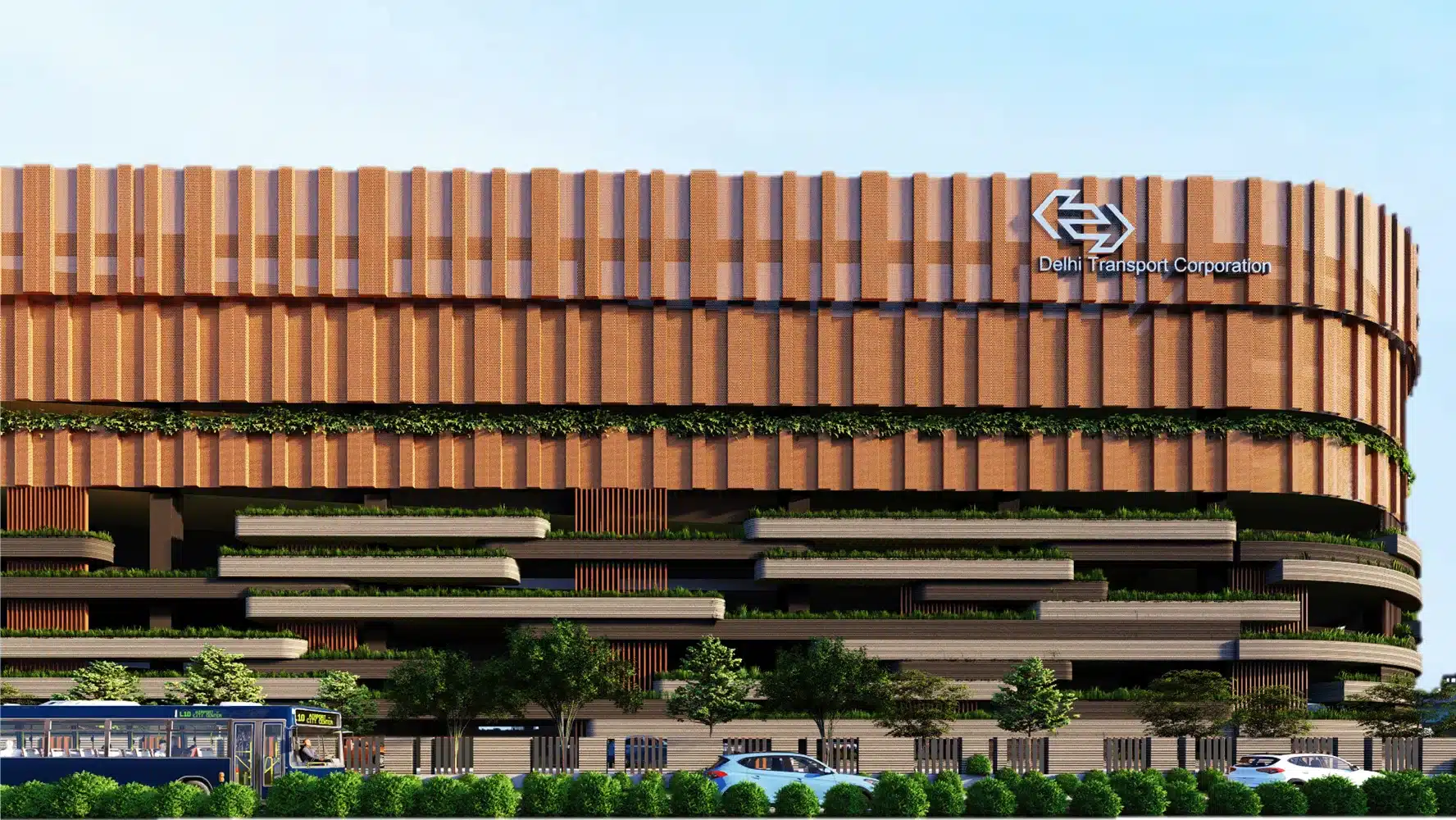
Looking ahead, Ar. Rawat opines that architects will face growing challenges in balancing design intent with performance mandates and cost constraints. He says fluctuating material prices, execution quality, and supply-chain issues will demand earlier collaboration with consultants and manufacturers. He also cautions against adopting advanced systems without contextual adaptation, stressing the need to balance technology with constructability and passive design logic.
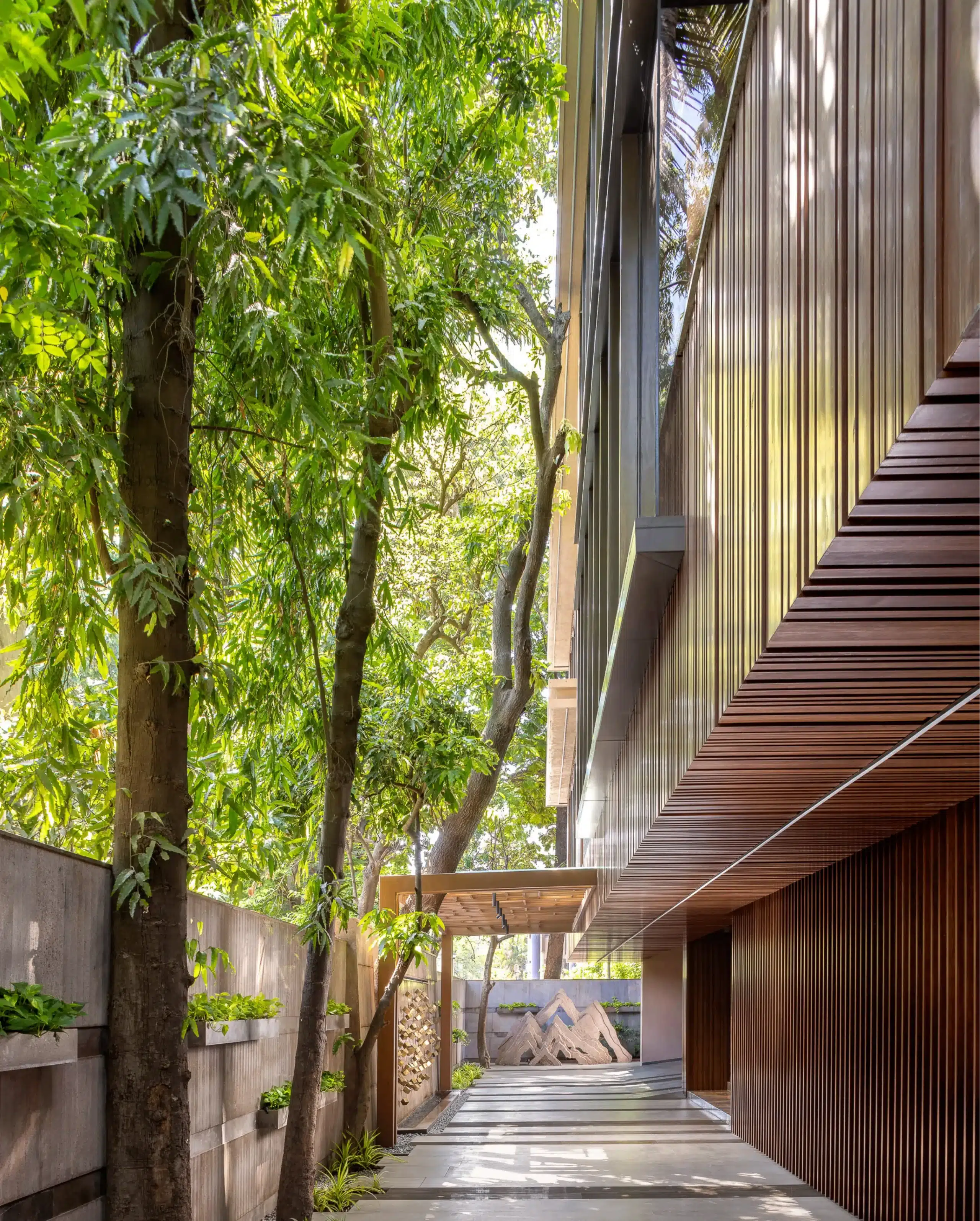
Ar. Bajpai opines that maintenance, not design intent, will be the biggest challenge ahead. He says facades must be detailed to age well in harsh conditions, with maintenance strategies embedded early in design. Another concern, he notes, is ensuring that simulated performance survives construction realities through better detailing and coordination.
Ar. Dhal opines that balancing design intent with sustainability will be a key challenge. While metal facades offer flexibility and low maintenance, he notes concern around radiant heat in India’s climatic conditions. He suggests alternatives like MCM and anticipates dynamics, climate-responsive façade systems.
Ar. Sharma opines that balancing expressive facade design with stringent energy and safety norms will be a key challenge. He suggests that rising material costs, technology integration, and ensuring performance do not override design narrative will require deeper coordination.
Strengthening Collaboration Between Architects And Façade Brands
As façades take on greater responsibility in responding to climate, performance, and aesthetics, collaboration between architects and façade brands is becoming indispensable. Moving beyond transactional relationships, this dialogue highlights how early engagement, shared knowledge, and integrated thinking can transform façades into high-performing, sustainable systems that strengthen both design intent and long-term building value.
Ar. Patel opines that an architect conceives the design and relies on the right team to detail and implement it. A collaborative and synchronised effort among stakeholders consistently delivers the best results. Avoiding the monopolisation of any single brand fosters greater value and innovation, which is why an open-source approach has proven effective, productive, and techno-commercially viable.
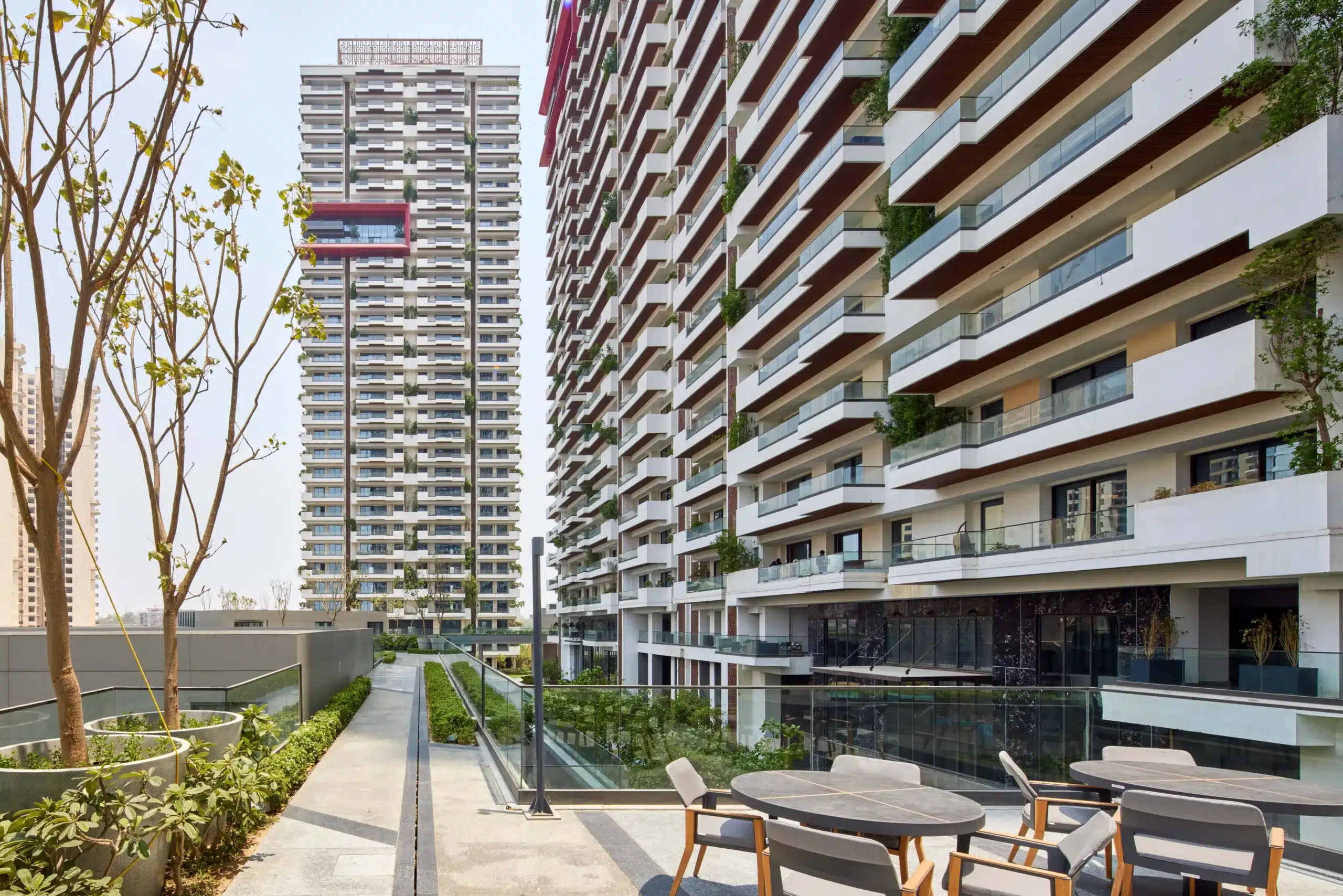
Ar. Dhal says façade and fenestration will evolve into highly specialised disciplines. According to Ar. Dhal, system-integrator designers can add value by managing design, materials, and technology cohesively, while architects continue to coordinate with multiple specialists.
According to Ar. Bajpai, collaboration becomes meaningful when it shifts from transaction to contribution. He suggests early engagement, tested details and execution-level inputs add real value. He also notes that clear architectural intent enables partners to innovate effectively without diluting design authority.
According to Mamta, collaboration must move beyond product selection to performance co-creation. She suggests that early technical support, transparent performance data, and embodied carbon metrics from brands can significantly enhance design outcomes. True innovation, she notes, will come from partnerships focused on shared sustainability goals.
According to Ar. Rawat, meaningful collaboration with façade and fenestration brands must begin early in the design process. He notes that brands should act as knowledge partners, offering climate-specific data, simulations, and tested solutions rather than just products. He suggests that co-development, transparent communication, and post-occupancy feedback are key to driving innovation and delivering better-performing buildings.
According to Ar. Sharma, early involvement of brands at the concept stage enables integrated, cost-efficient solutions. He suggests that shared research, mock-ups, and post-occupancy feedback can transform the relationship into a collaborative design ecosystem.
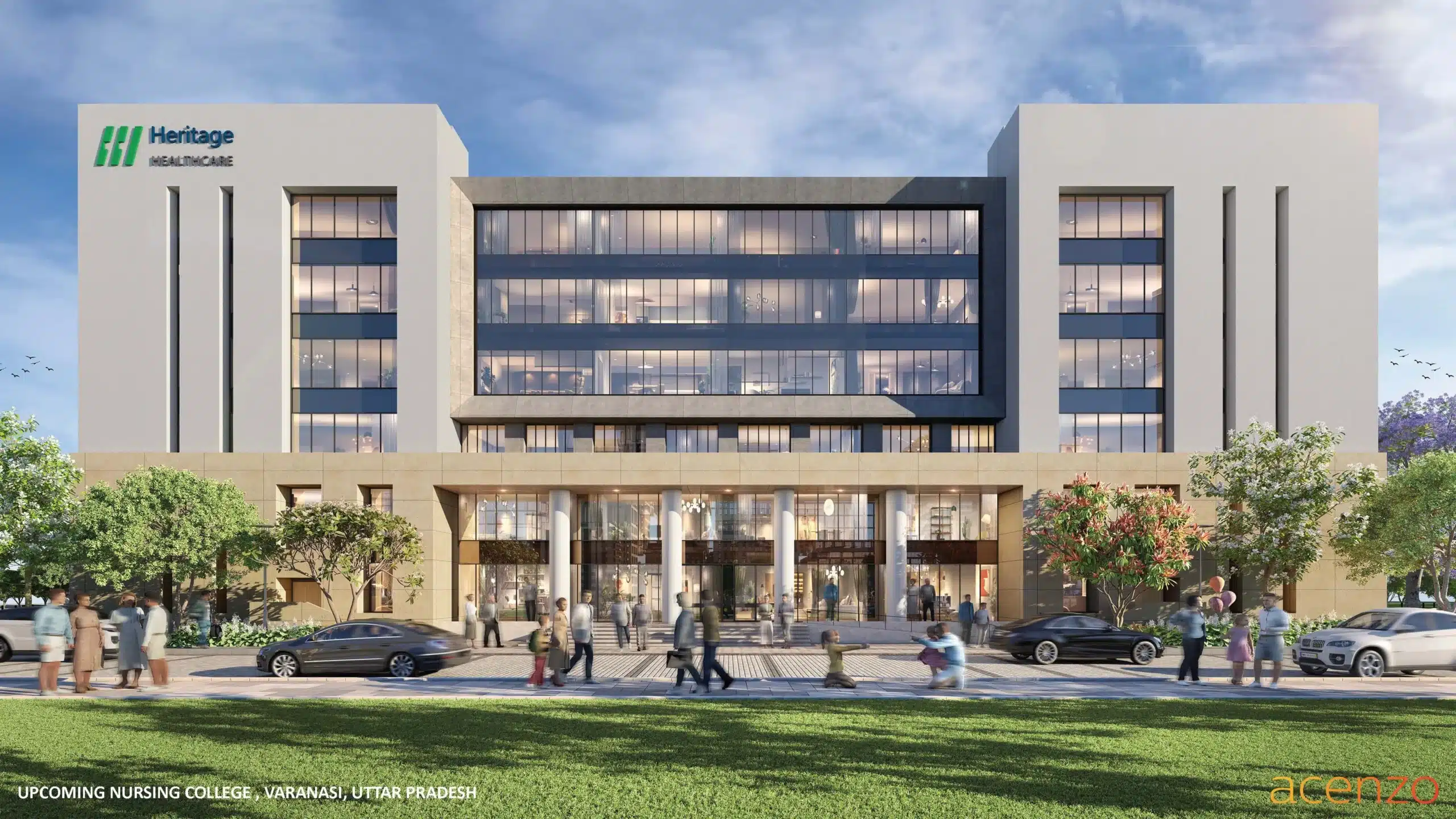
The Future Of Façade And Fenestration Design: What Lies Ahead
As architecture responds to climate urgency, technological advancement, and changing lifestyles, façades and fenestration are taking on a far more decisive role in shaping buildings. No longer limited to aesthetics alone, they are becoming intelligent, responsive, and deeply contextual. Leading architects share their perspectives on how performance, culture, sustainability, and design sensibility will collectively define the future of building envelopes.
Ar. Patel says while the future cannot be predicted, current trends clearly point towards the rise of dynamic façades, smart glazing, and a minimalist design approach. Innovative, out-of-the-box techniques, along with the growing use of robotic and AI technologies, are set to play a key role in shaping what lies ahead.
Looking ahead, Mamta says life-cycle-driven design and advanced simulations will be transformative. She highlights LCA adoption, AI-enabled optimisation, dynamic façades, and circular material innovations as key trends. The greatest shift, she suggests, will be façades designed for performance across their entire life cycle.
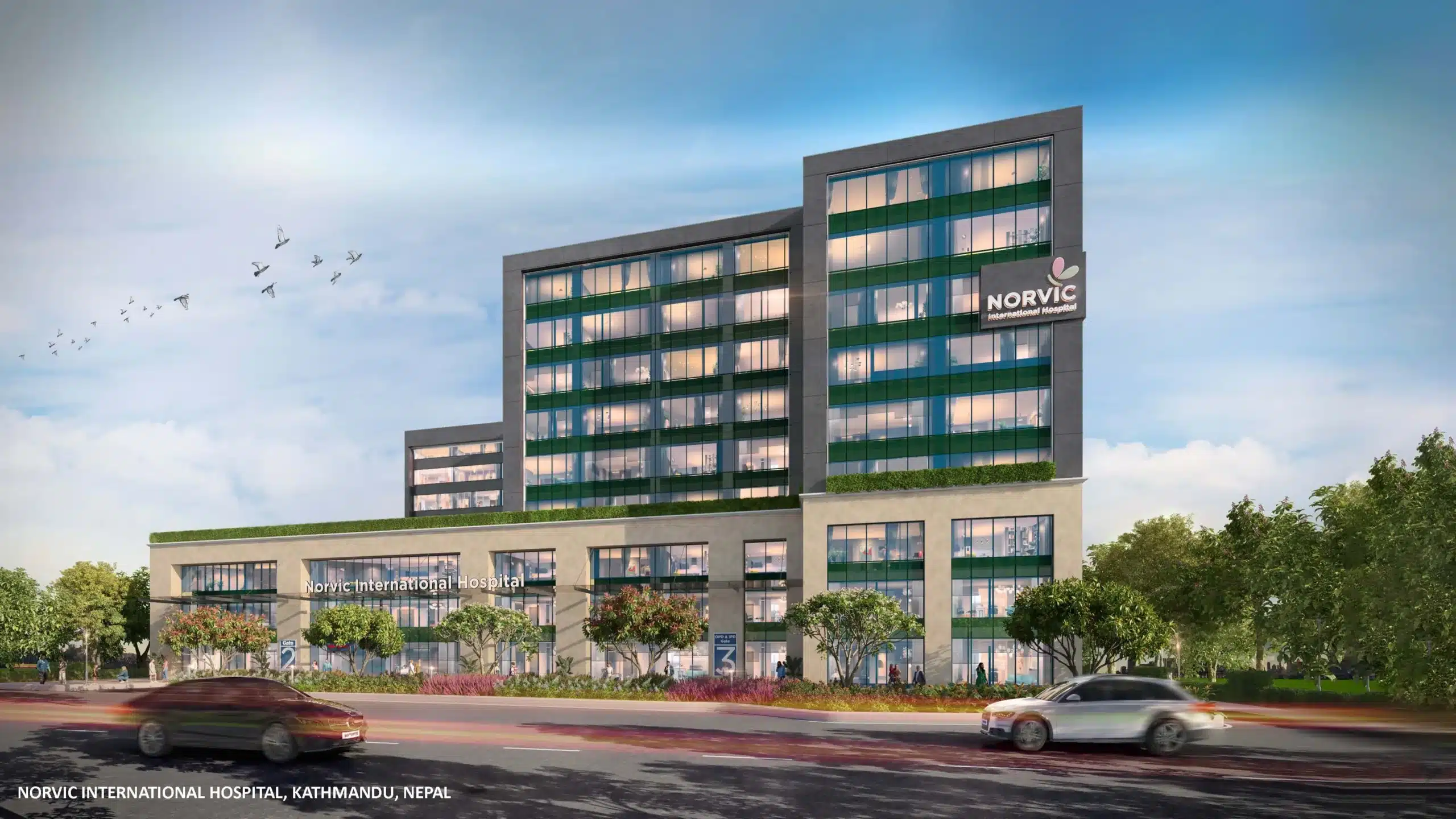
Ar. Rawat says the future of façade and fenestration design lies in adaptive, performance-driven systems. He highlights the potential of smart glazing, operable shading, and sensor-based controls, alongside the modern reinterpretation of passive elements like jaalis and deep recesses. He notes that integrating façades with energy generation, modular construction, and lifecycle thinking will define the next phase of transformation.
Looking ahead, Ar. Bajpai says the future lies in simple yet deeply intelligent façades rooted in India’s climate. He notes excitement around shading, layering and landscape-integrated façades that improve microclimate naturally. According to him, longevity, low maintenance and quiet performance will define good façades over visual excess.
Ar. Dhal notes that ECBC implementation will make façades and fenestration critical to building performance. He suggests future designs will be orientation-specific, climate-responsive, and tailored to India’s changing environmental needs.
Ar. Sharma agrees that adaptive façades, smart glazing, lightweight composites, and biophilic envelopes hold the greatest potential. He says the most exciting direction lies where performance and sensory experience come together to shape meaningful architectural spaces.
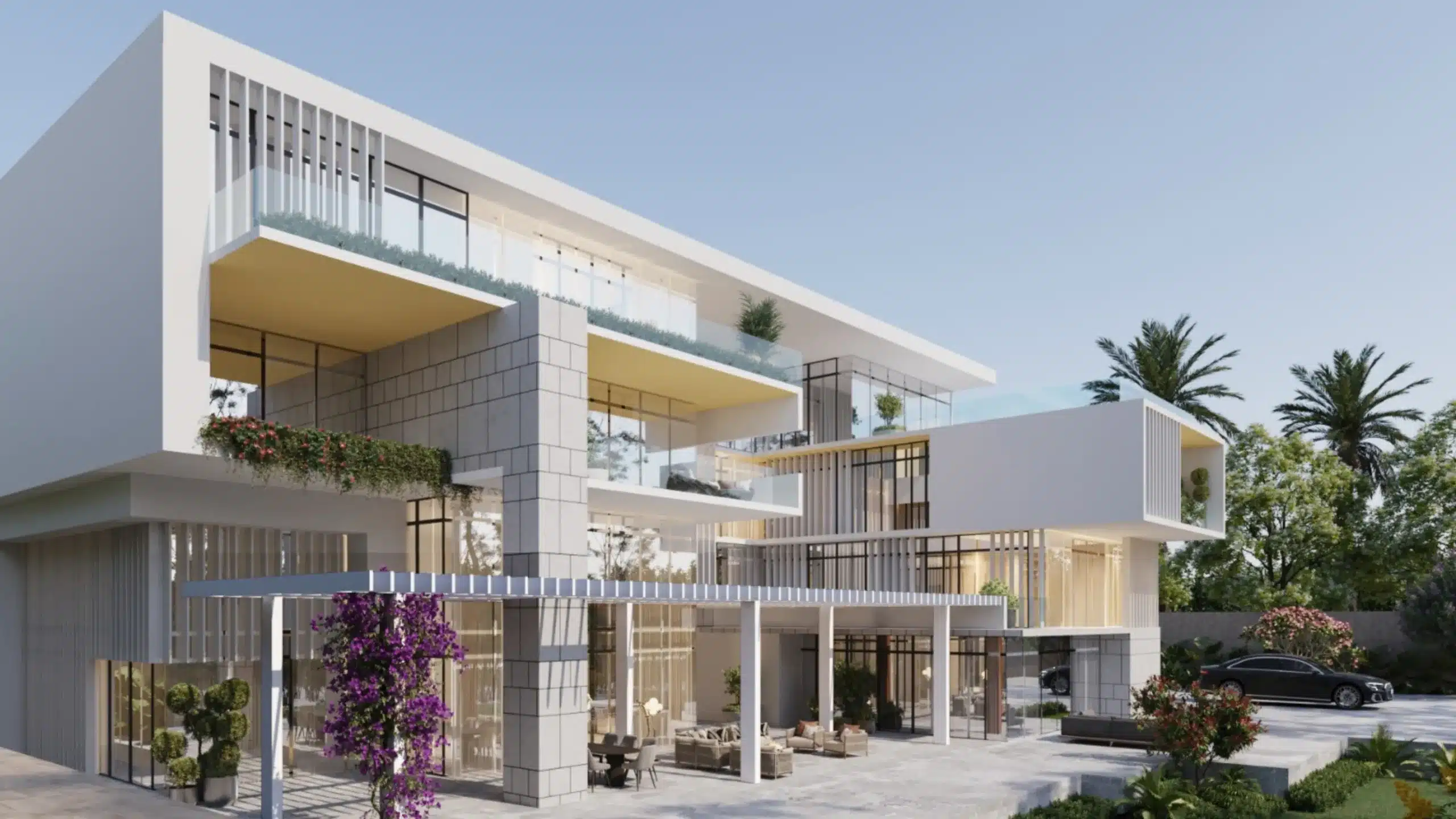
Conclusion
In conclusion, the evolution of building envelopes in 2025 reflects a decisive shift towards intelligence, responsibility, and context-driven design. Façades and fenestration are no longer superficial layers but integral systems that shape performance, identity, and user experience. As climate pressures intensify, architects are responding with solutions that balance aesthetics with sustainability, technology, and long-term value. Collaboration, early integration, and lifecycle thinking have become essential to meaningful outcomes. Ultimately, the future of façades lies in thoughtful simplicity—where innovation supports comfort, resilience, and a deeper connection between buildings, people, and their environment.