
Post Date: June 17, 2026 |
Last Edited: June 17, 2026
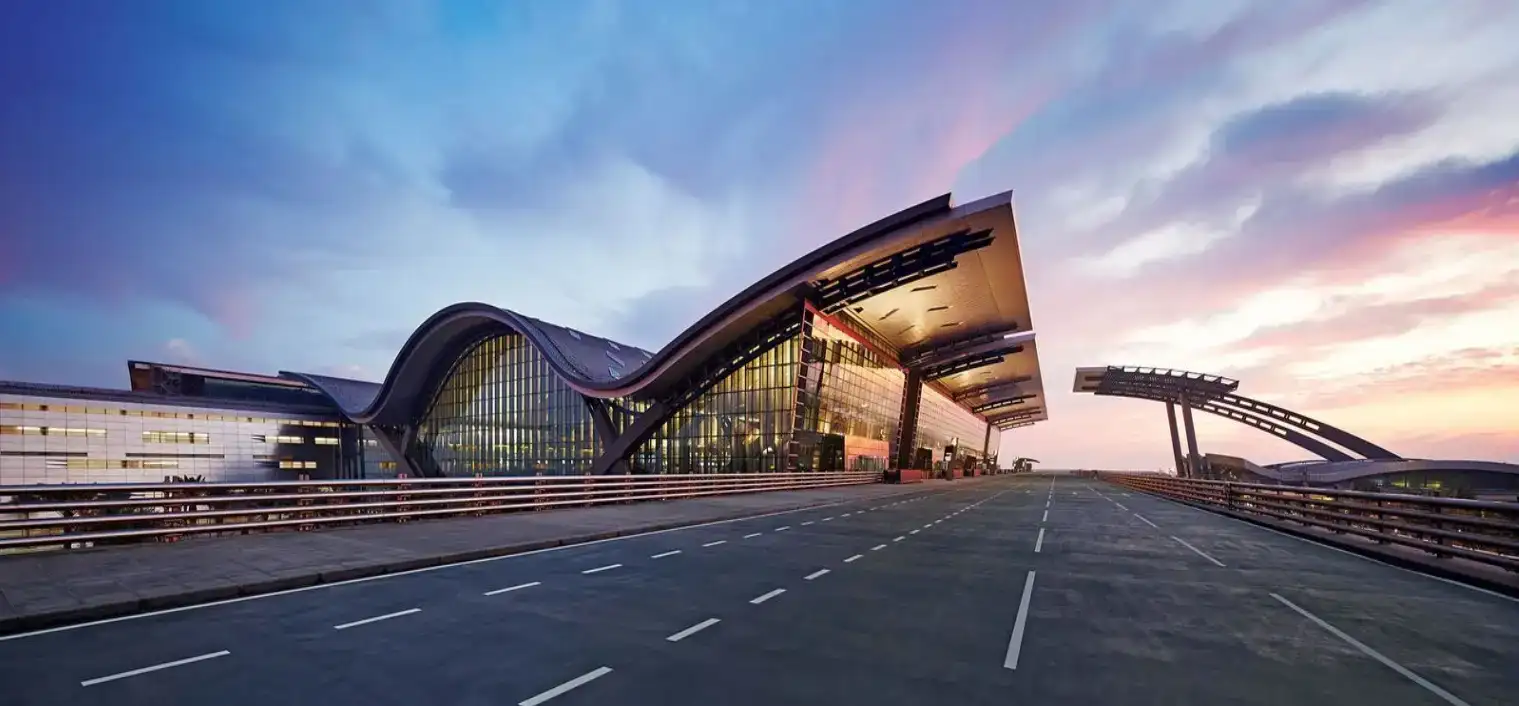
An airport is one of the most complex products of architecture. It encapsulates a complex terminal operation between airlines, the team managing the terminal, and the passengers in a built environment that is robust in nature to withstand high volumes of passenger footfall, connecting to the aircraft on the airside and ground transportation on the landside.
Key Highlights
|
In general, any type of public transport set-up triggers anxiety amongst its users because of multiple reasons, such as assurance of the time required to reach the transport centre and for the travel time, transactions and interaction with unknown and unfamiliar people, and the factor of safety for their belongings on the road, rail, water or air.
Travel by air is one of the most chaotic scenarios by default. To de-stress, the effort begins from the early stages of airport design and continues even after, especially within the interior spaces.
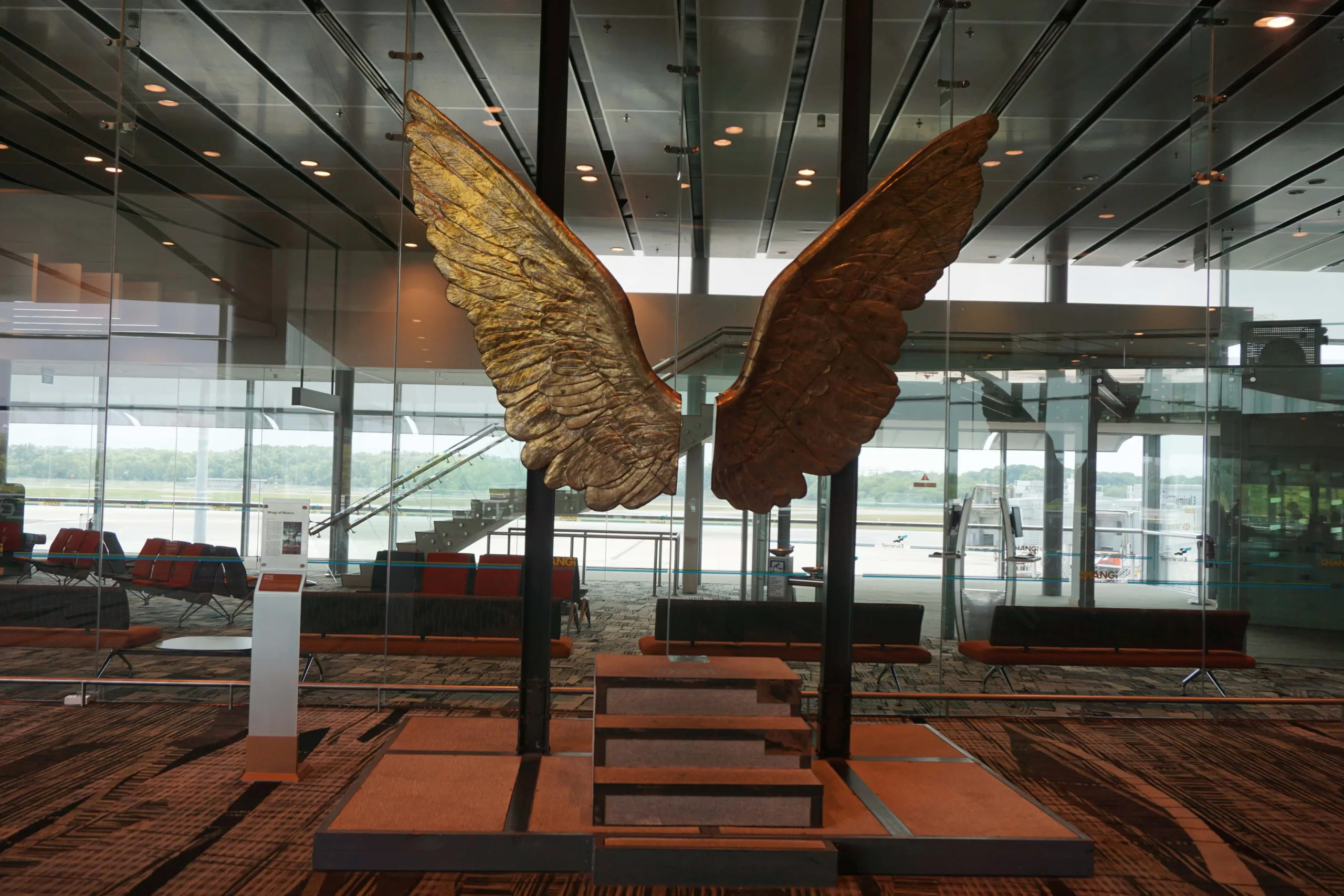
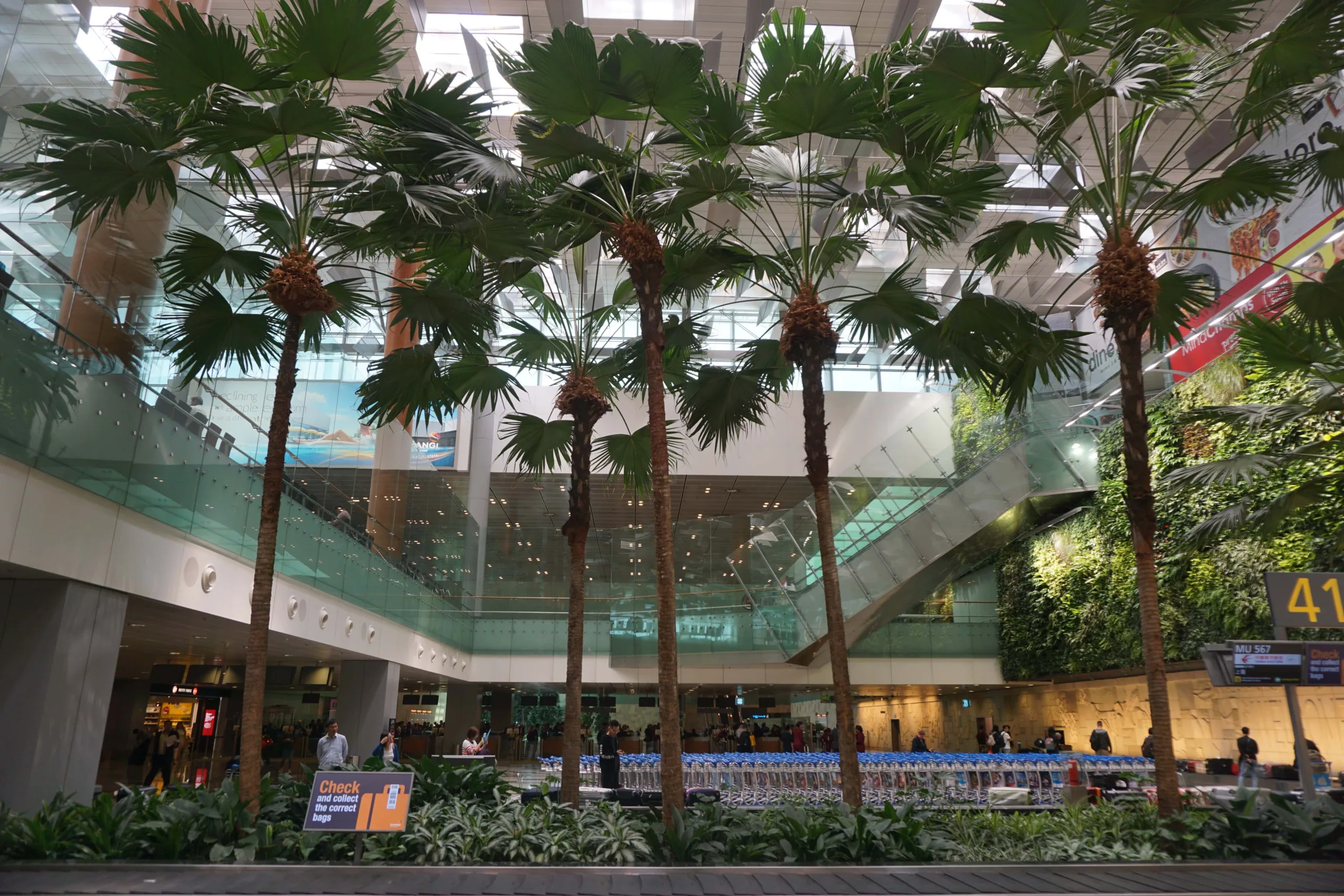
Intuitive entrances, well-designated lane segregations, logical wayfinding signage, information counters, landscape and artworks are woven strategically into the architectural design of the terminal building to cut down passengers’ anxiety levels.
An airport is naturally associated with a larger-than-human scale built-up structure. The envelope of the airport building is maximised in terms of size to accommodate large functional interior spaces for a higher number of people (staff and passengers) using the facility and interfacing with a variety of processing equipment.
The building envelope should be capable of withstanding the noise and vibration caused by aircraft. Apart from good thermal performance and waterproofing, at times the envelope—especially the façade along the entrances/exits—is also considered for fireproofing.
It must be aesthetically appealing, and since airports are public buildings, the level of softness and welcoming nature that these surfaces and designs reflect becomes even more important.
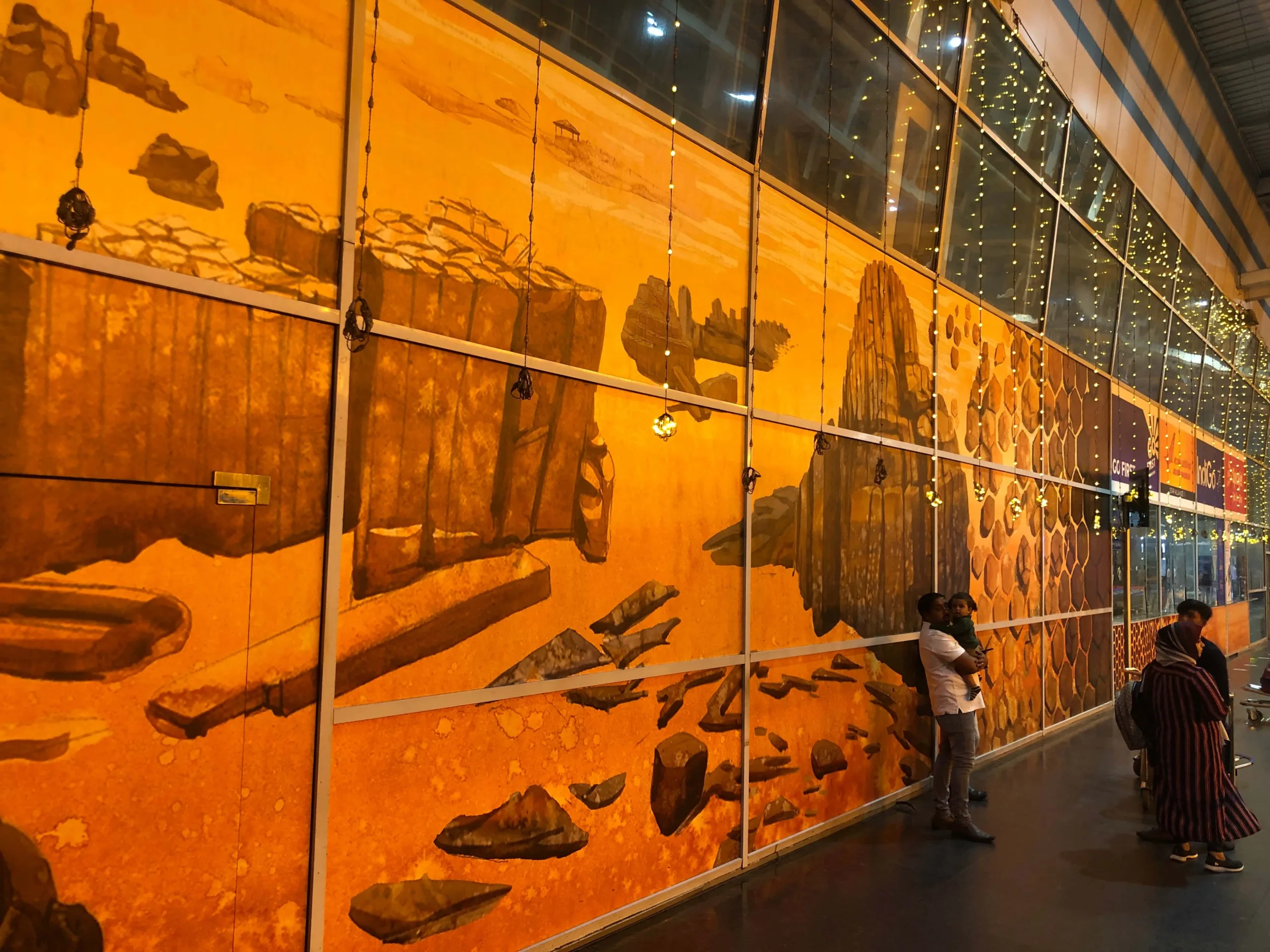
Finishes of materials are based not just on the look and feel, but also on robustness and sustainability aspects.
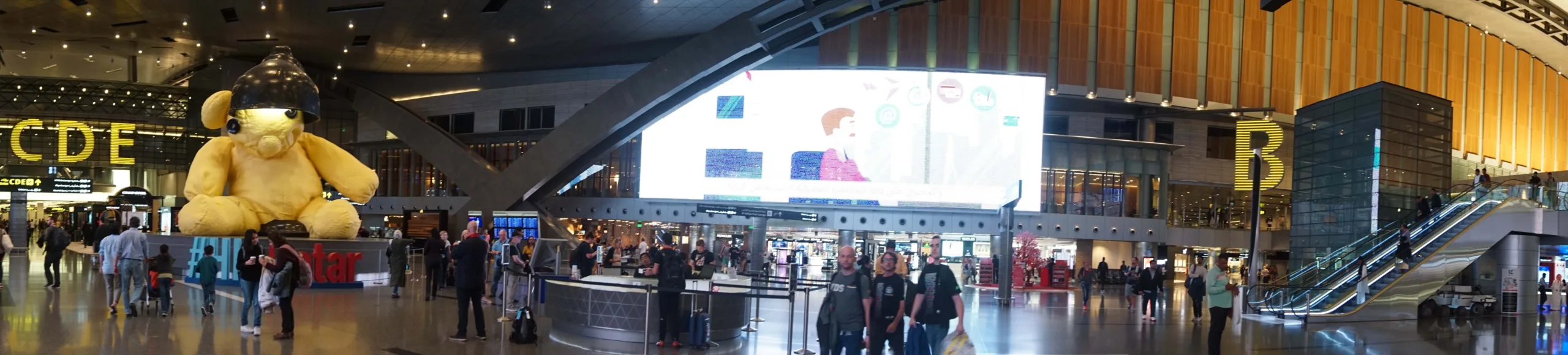
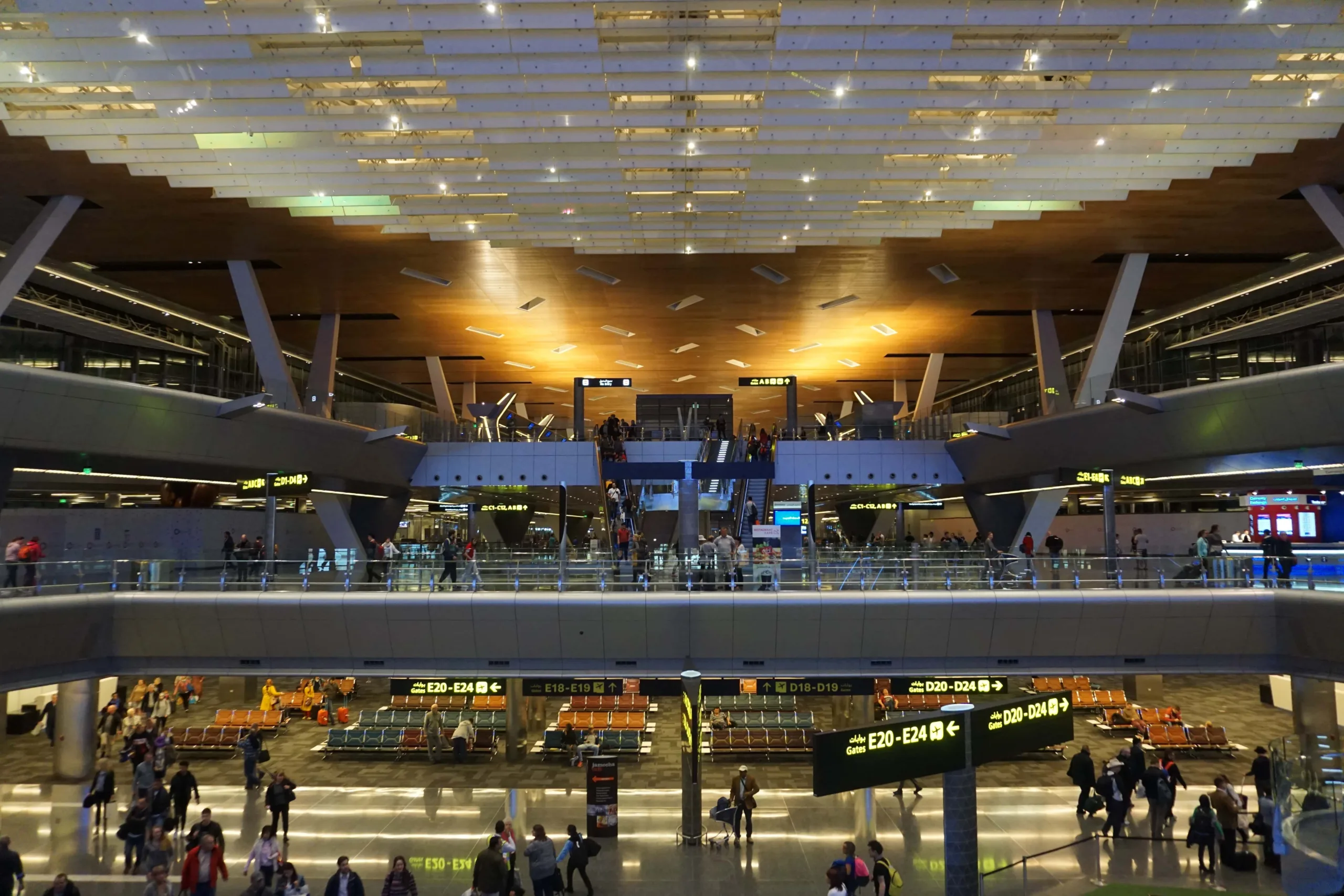
The envelope of the airport includes the roof and the façade for the entire terminal building, along with the high ceilings for atriums and multi-height areas.
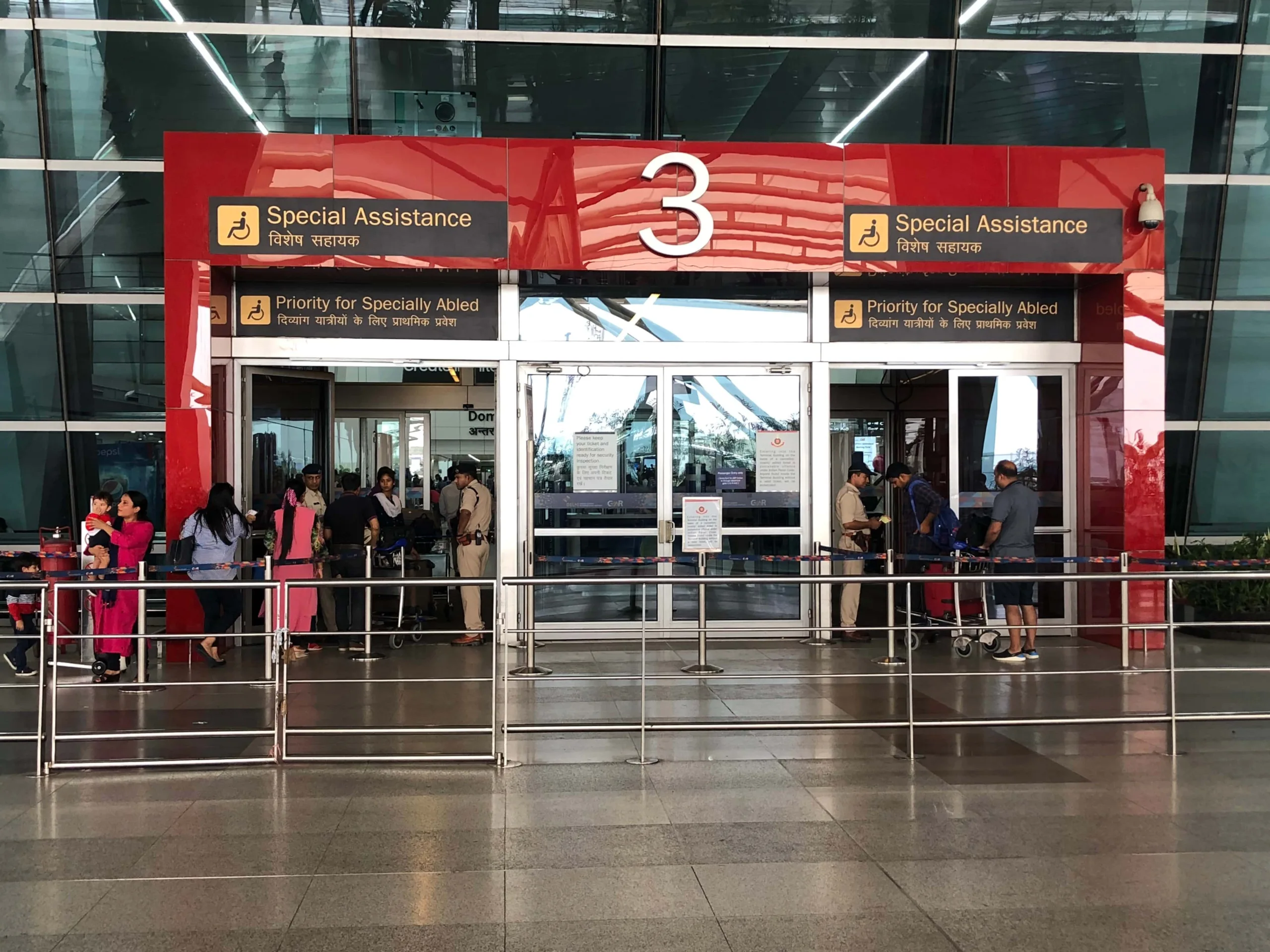
Unlike other large-volume buildings, the façade of an airport—especially at the departure and arrival forecourts— interacts with people and passengers as more than just an entry and exit point. It needs to be informative and transactional too.
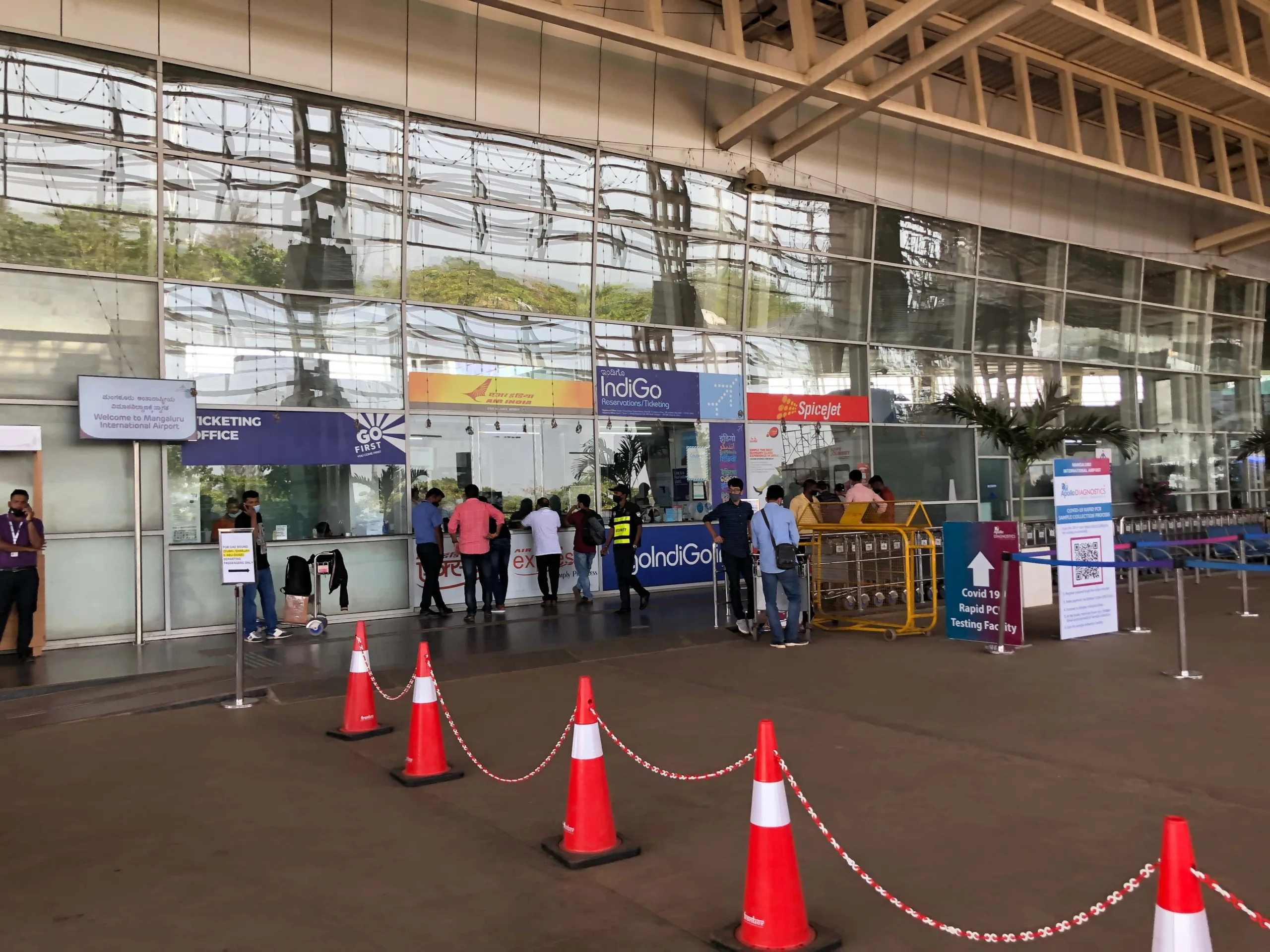
The departure forecourt façade typically needs to accommodate multiple entrances under categories such as general passengers, people with special needs, VIPs, frequent flyers, staff, trolley access, access to waiting lounges, and ticketing counters, subject to the airport’s passenger-handling capacity. The Airport Entry Pass section and enquiry counters also get integrated into the façade as part of the departure function. Some of these elements can be addressed through transaction windows instead of dedicated entranceways. These entrances and gateways require signage that is visible under all weather conditions, both day and night.
In addition to entrances, the façade is required to host signage and messages related to flight information, airport advisories, time and weather information, etc. Not many façades are designed to accommodate such items more than entrances.
Similarly, the arrival forecourt accommodates exit ways for general passengers (domestic and international), VIPs and staff. Apart from that, it generally includes counters and access for meet-and-greet services, access to airport medical facilities, as well as flight information displays, terminal maps and city connection details.
For smaller airports, the arrival and departure forecourts are often at the same level; accordingly, common access points such as staff and trolley entrances can be optimised.
The airport façade at the departure and arrival forecourts addresses an important intangible function. For departing passengers, it creates the first impression of the terminal, and for this, a clear glass façade works best as it allows a view of the facility even before entering the building. A clear glass façade gives confidence to new flyers and their meet-and-greet companions who come to see them off.
On the arrivals side, a clear glass façade enables incoming travellers to assess the conditions outside the airport building even before stepping out. This is one of the key reasons why the front façade of an airport is often designed in glass.
The positive aspects of having glass at the forecourt are evident; however, the same glass façade also has some drawbacks. Airports are designed and constructed with defined units and functions at the early stages, but they continue to evolve over time. Functions keep expanding to support terminal operations, passenger facilities, services and retail. When such developments occur close to the façade, the rear sides of these new units often face the glass facade and tend to remain blank and unfinished, affecting the visual quality for onlookers. Retrofitting solutions are then required to neutralise these blank surfaces and restore the overall aesthetics, which can impact the imageability of the terminal building.
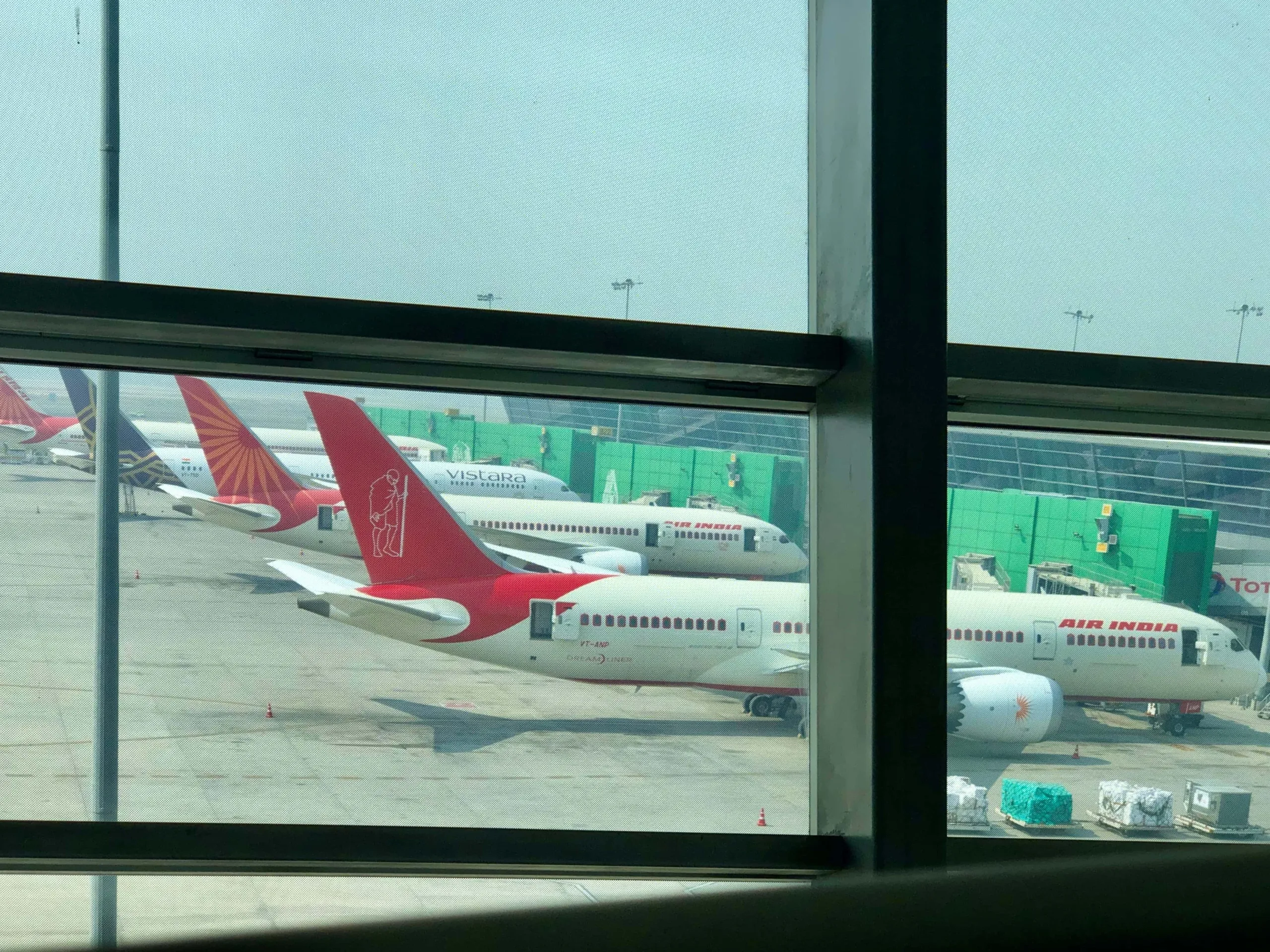
The façade on the airside of the terminal building allows architects to create compelling visuals by showcasing the vast open apron and large aircraft docking, accompanied by the synchronised movements of the ground handling teams. Here again, a clear glass façade becomes the natural material choice. The airside view is one of the rare sights to be witnessed, as aircraft are either stationary or moving slowly enough to be appreciated in their entirety.
Interestingly, retail strategists are now discouraging airport developers from directing passengers’ attention towards the airside spectacle. Instead, they aim to capture this attention towards retail outlets, which is achieved by limiting airside visibility in retail-focused areas of the terminal.
Nevertheless, the architectural design of each airport terminal is unique and is shaped by functional requirements based on projected air traffic, international standards for facility sizing, the business model, and the developer’s vision.
Airport terminals, unlike other public buildings, are continuously reviewed for additional facilities and retail offerings, as well as scheduled expansions as per approved master plans. It becomes essential to establish the principles of future expansion at the initial design stage so that critical architectural elements can be planned for future demolition or extension. The façade can be one such critical element, especially when expansion involves extending the existing structure.
While focusing on the façade, it is important to specify parameters such as heat gain, sound transmission and other performance criteria, which vary from project to project. At the same time, another equally critical aspect is the façade cleaning system, which must be designed considering safety and security concerns during terminal operations. Space constraints, equipment movement and structural integration must be considered from the outset; hence, detailed system information should be made available at the beginning of the design process.
Airport design challenges architects to realise their full potential. It involves extensive facades, high ceilings, large-span floor and ceiling spaces, large-scale public art, expansive landscaping, static and dynamic media panels, strategic wayfinding signage, passenger services including retail, food courts, lounges, transit hotels, staff facilities, security and border control functions, landside connections and airside infrastructure. Altogether, an airport—monumental in scale yet highly functional—requires a holistic approach to achieve sustainable and balanced growth, impacting the regional city, state and the country.