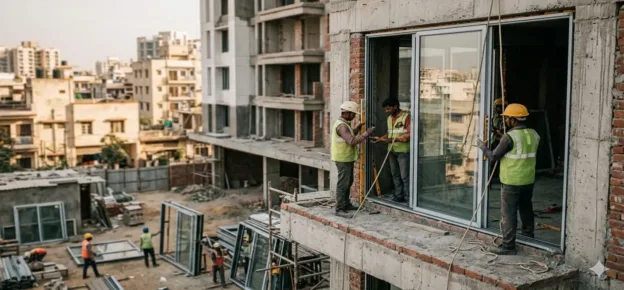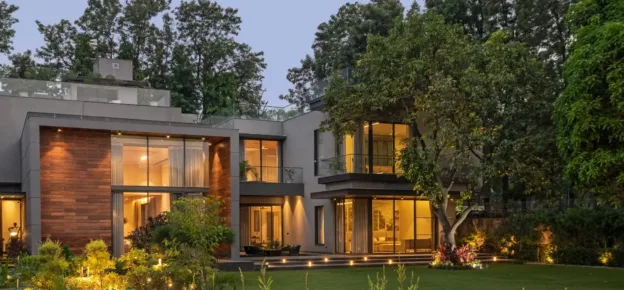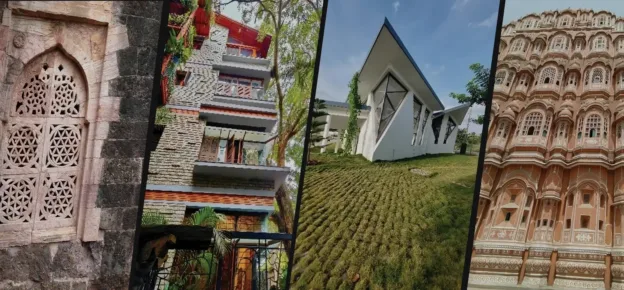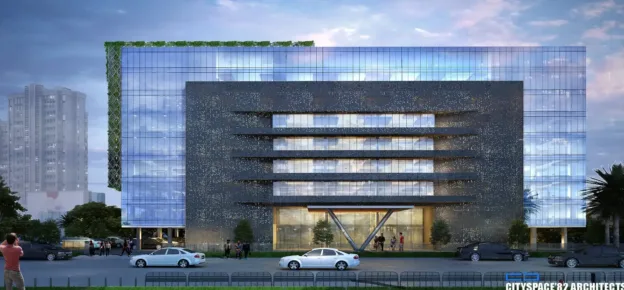
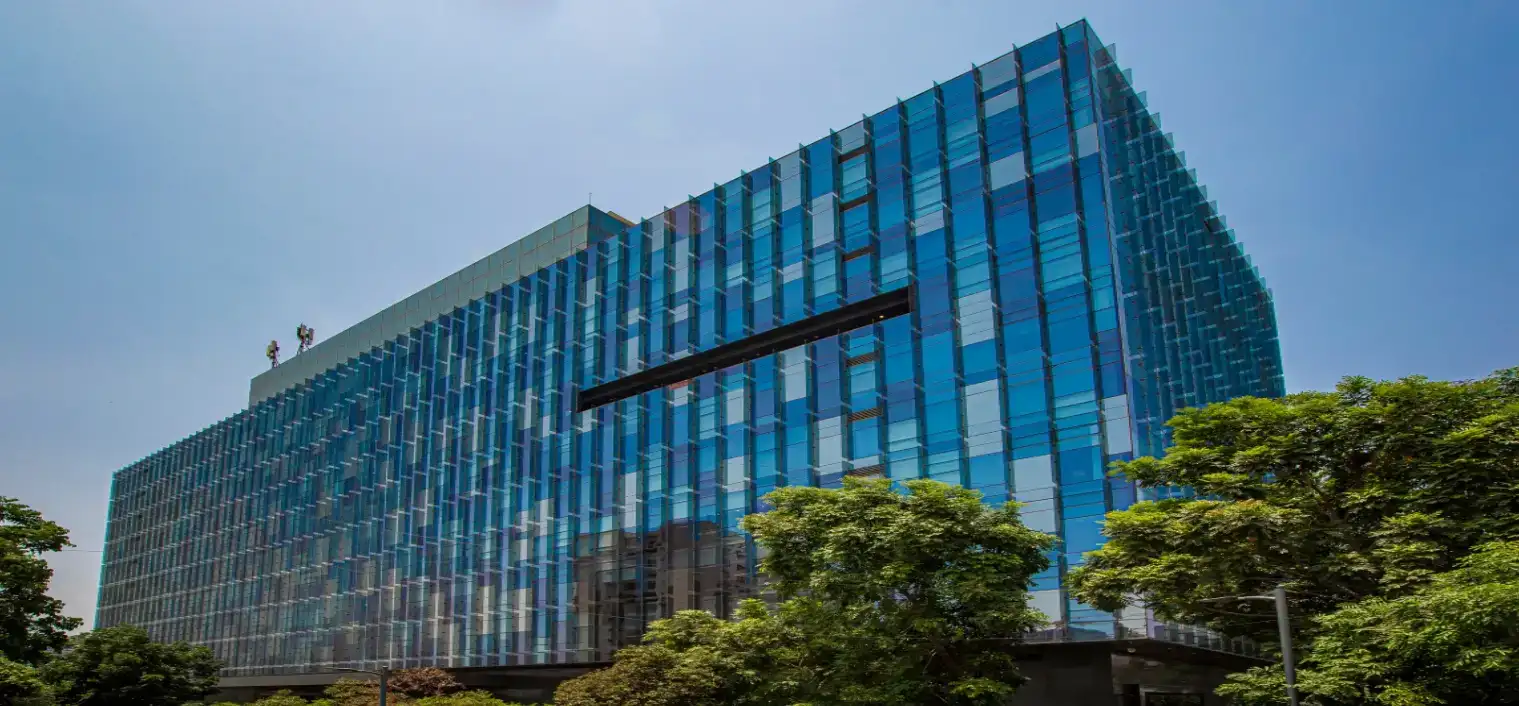
The Indian façade and fenestration industry is undergoing a profound metamorphosis, evolving from a traditional market focused on basic product procurement to a sophisticated landscape defined by high-level solution engineering. This shift is being catalysed by rapid urbanisation, a surge in high-end real estate, and a newfound national emphasis on sustainability and energy efficiency. As the sector navigates the 2024–2025 period, it finds itself at a critical crossroads where aesthetic ambition meets technical rigour. This transition is further accelerated by stricter regulatory frameworks, such as the National Building Code (NBC) and Energy Conservation Building Code (ECBC), which are compelling developers to look beyond the surface level.
While the industry faces significant operational hurdles—including volatile raw material costs and a persistent shortage of skilled labour for precision installations—the overall trajectory remains overwhelmingly positive, with growth projections pointing toward a multi-billion-dollar valuation by 2030. Innovation in materials like high-performance aluminium, smart glass, and automated ventilation systems is no longer a luxury but a standard requirement for the modern Indian skyline. To gain a comprehensive understanding of these shifts, we have interviewed several industry leaders for this cover story. Their expert insights provide a deep dive into the performance, technological advancements, & future projections defining this vital sector.

The Evolving Face Of India’s Façade And Fenestration Industry: A 2024-2025 Retrospective
The Indian façade and fenestration market has entered a transformative phase, shifting from simple product procurement to complex solution engineering. Driven by rapid urbanisation, stricter regulatory frameworks, and a surge in premium real estate, industry leaders are witnessing a period of robust growth. This article compiles expert insights into the sector’s performance, highlighting the factors defining its current trajectory and the challenges that remain.

Theodoros Axouristos, Managing Director – Alumil India, notes that the market witnessed strong and sustained growth during FY 2024–25, particularly in Tier 1 and Tier 2 cities, propelled by rising urbanisation and a renewed momentum in residential, commercial, and mixed-use projects. While he attributes this to a real estate boom where developers are now prioritising energy efficiency and aesthetics, he cautions that the availability of skilled and trained manpower for precision installation remains a significant concern.

Amir Hashmi, Chief Sales & Marketing Officer – Profine India Window Technology Pvt. Ltd., agrees that the sector saw strong progress, estimating growth at 7%-12% amid rising development. He suggests that government initiatives like the National Infrastructure Pipeline and the Smart Cities Mission have further accelerated the shift toward performance-led systems. According to Hashmi, while the need for certified products is growing, the industry still grapples with volatile raw material costs and higher upfront investments for premium systems.

Alok Somvanshi, DGM – Head Sales – Procural Aluminium Systems, opines that the market has demonstrated structural growth, especially in Grade-A commercial real estate. He suggests that the increased enforcement of regulatory frameworks such as ECBC, NBC, and GRIHA has accelerated the transition from price-based procurement to performance-led specifications. The industry is successfully evolving from “product-selling to solution-engineering,” marking a meaningful maturation phase.

Ashwanii Khanna, Chief Customer Officer – Fundermax, observes that construction activity picked up significantly as builders and homeowners sought products that help reduce heat and save electricity. He notes that even with challenges such as rising prices for raw materials and input costs, the market remained stable and continued to move forward due to this growing focus on comfort and efficiency.

Ashok Kumar Bhaiya, Chairman & Managing Director – Aludecor Lamination Pvt. Ltd., says that the market saw steady growth, with developers focusing on precision-engineered materials like aluminium honeycomb panels. He agrees with the sentiment that energy efficiency has become a key decision factor, noting that clients are becoming more thoughtful and looking beyond mere appearance to long-term durability and value.

Manish Bansal, CEO & Director – Window Magic, suggests that the sector recorded moderate and stable growth of approximately 6–8%, reflecting a shift toward performance-based building design. He notes that uPVC and other engineered systems have emerged as preferred solutions due to their recyclability and ability to meet evolving building codes. According to him, market demand remained resilient despite price volatility in raw materials.

Neeraj Agarwal, Managing Director – Duroplast India Pvt. Ltd., notes that growth was driven by demand in residential high-rises and government redevelopment projects. He highlights a major development in the implementation of the IS 17953 standard, which has led to higher quality awareness. However, he points out that the industry faced unique challenges from cheap Chinese imports that disrupted pricing, leading domestic companies to apply for anti-dumping measures.

Shabbir Kanchwala, Principal – Global Network for Zero (US), agrees that the industry saw good growth, particularly due to the high volume of construction in Asia. He notes that existing buildings are increasingly being retrofitted and upgraded to meet new standards. According to Kanchwala, stricter municipality regulations regarding net-zero glazing and building energy efficiency have been the primary drivers for the increased demand for high-performance façades.

Nikhil ParasuRaman, Managing Director (India & SAARC) – SE Controls India, the Indian Façade and Fenestration market is showing continued growth, driven by demand from the Commercial, Residential, and Infrastructure sectors. There has also been expansion in the doors and windows segment, with private homeowners increasingly demanding higher-quality fit-outs. Primary challenges include rising prices of commodities such as aluminium, a lack of locally available supply chains for many materials, and a shortage of qualified and skilled personnel within the industry.

Makarand Kendre, Area Sales Manager (Middle East & India) – Renson Ventilation – Sunprotection – Outdoor, notes that the market showed steady growth during 2024–2025, driven primarily by urbanisation, infrastructure development, and stricter energy-efficiency regulations. He agrees with Kanchwala that Asia-Pacific led global revenue, supported by large-scale commercial and residential projects. Kendre opines that, while challenges such as rising raw material costs for aluminium and glass were present, the market maintained resilience thanks to investments in green building projects and the modernisation of ageing infrastructure.
Future Trajectory: Emerging Trends And Technologies In The Façade Industry
The following compilation explores the transformative shifts anticipated within the façade and fenestration sector over the next five years. Industry leaders highlight a pivot towards high-performance materials, digital integration, and sustainable engineering. These advancements aim to redefine building envelopes from static skins into intelligent, energy-efficient systems that enhance occupant comfort and environmental responsibility.
Kanchwala notes that low EV glass, including electrochromic glazing for high-end projects, will significantly reduce air conditioning power consumption. He further suggests that stricter building codes and net-zero targets from local municipalities will drive the use of building-integrated photovoltaics (BIPV). Axouristos opines that the rapid adoption of green building façades and high-performance aluminium systems will become standard to improve thermal performance and reduce carbon footprints. He further identifies that innovation will be driven by minimal profiles and larger glass spans, necessitating heavy investment in R&D and precision engineering.
Somvanshi suggests that the next evolutionary phase will be defined by digitisation and performance measurability, utilising technologies like BIM integration, parametric façade optimisation, and performance simulation. Agarwal agrees, noting that digitisation and automation will accelerate through AI-driven project management and BIM-integrated design.
Hashmi notes that smart glass technologies and unitised systems will dominate the market for their faster installation and higher precision. He also suggests a move towards fire-safe solid aluminium cladding and acoustically superior systems tailored for dense urban environments.
Bhaiya opines that the industry will move strongly towards responsible and safe practices, where fire safety and factory production control (FPC) certificates become essential. He adds that lightweight systems like aluminium honeycomb panels and precision-engineered metal louvers will gain wider acceptance.
Khanna suggests that eco-friendly materials that are recyclable and low-carbon will be preferred by builders. He further notes that the role of façade consultants will increase to ensure the implementation of correct, energy-efficient systems with better insulation and sealing.
Bansal agrees that the industry will play a strategic role in achieving carbon-reduction targets through high-performance glazing and climate-responsive shading.
He also opines that technology-enabled monitoring will reinforce façades as critical contributors to sustainable urban development.
Agarwal suggests that the industry will see next-generation energy-efficient profile systems and thermally broken systems. He also notes that smart window technologies featuring sensors and integrated shading are likely to become mainstream.
Kanchwala, Axouristos, Somvanshi, Hashmi, Bansal, and Agarwal all agree that prefabricated and modular façade systems will be crucial in improving construction efficiency, reducing material waste, and enhancing quality control.
According to ParasuRaman, ventilated façades, solar panels or PV embedded into façades, and automatic smoke ventilation systems are expected to gain prominence. Products that help reduce the carbon footprint of a building will be in leading demand, along with increased use of fire-safe façades. This is particularly relevant as India is set to introduce the new National Building Code 2025, which will be more demanding in terms of design, engineering, and safety aspects.
Kendre suggests that energy efficiency will remain a central focus, with façades increasingly designed to meet new green building standards and contribute to net-zero energy goals. He notes a major shift toward sustainable and circular materials, such as recycled aluminium and low-carbon alternatives. Furthermore, Kendre opines that the integration of smart technologies, including automated solar shading, sensor-based ventilation, and IoT-enabled building envelopes, will become more prevalent. He agrees with the other leaders that prefabricated and modular façade systems will be crucial in improving construction efficiency and reducing project timelines.
Market Outlook And Future Projections For 2030
The façade and fenestration industry is anticipating a period of substantial transformation and expansion leading up to 2030. Driven by rapid urbanisation, stringent energy regulations, and a shift towards performance-led engineering, industry leaders foresee a market increasingly defined by technological innovation, sustainable practices, and strategic investment in automated manufacturing and skilled execution.
According to Kanchwala, the global market will experience increased growth over the next five years, with India and China becoming the largest contributors due to rapid urbanisation.
He notes that full robotic automation in manufacturing will reduce delivery times, while banks and financial institutions will continue to invest capital in smart glass and automated window manufacturers that utilize robotics and software. Axouristos opines that the market will remain robust as India continues to attract foreign manufacturers and technology-driven companies. He suggests that companies are increasing domestic investments in R&D, organised manufacturing, and skill development to meet rising quality expectations.
Somvanshi suggests that the long-term outlook remains robust, supported by Smart City projects and rising expectations for comfort and safety. He notes that the ecosystem will migrate towards structured, system-engineering delivery models, with investments prioritising performance-led and sustainable systems. Hashmi agrees that the outlook is strong, particularly for commercial and high-rise developments, noting that investments will increasingly flow into local manufacturing and workforce training to accelerate the shift towards technically advanced industry players.
Bhaiya suggests that market growth will be guided by performance, testing, and compliance, with investment shifting towards advanced testing facilities and certified manufacturing processes. Khanna agrees with the positive outlook, noting that demand will grow as buildings aim for better performance and modern aesthetics, while investments will focus on automation and faster installation methods. Bansal notes that façades are increasingly recognised as integral to reducing operational energy demand, and he expects a significant share of new urban developments to adopt high-performance systems in response to strengthening building norms. Agarwal concludes that the outlook remains strong due to growing urbanisation and a strengthening regulatory environment, with innovation focusing on thermal comfort and acoustic performance. He notes that investments will grow in manufacturing automation, tooling upgrades, and advanced product development as the industry moves towards higher standardisation and technical sophistication.
ParasuRaman believes that the outlook is positive, with technology and regulatory compliance continuing to drive demand through 2026 and beyond to 2030. Demand is expected to remain steady, with growth anticipated across all parts of the sector. Key drivers include urbanisation, energy and building codes, premium architectural requirements, and sustainability, which will remain at the forefront. Overall, this points towards a maturing market that remains highly price-sensitive.
Kendre notes that the outlook for India’s façade and fenestration industry is quite optimistic, projecting the Indian market to cross USD 19 billion by 2030. He suggests that demand will surge in Tier II and Tier III cities as infrastructure and housing projects scale up. According to Kendre, innovation will focus on smart façades and responsive materials, while India’s position as a global outsourcing hub for design and engineering services will continue to strengthen.

Market Projections For The Façade And Fenestration Sector
The following overview provides a detailed synthesis of the growth trajectories and market expectations for the global and Indian façade and fenestration industries over the coming five years. Industry leaders offer insights into projected compound annual growth rates, market valuations and the primary socio-economic drivers—such as urbanization and sustainability—that are expected to shape the sector through to 2030.
The Indian market is poised for significant expansion, as Somvanshi and Bansal agree that the sector will maintain robust growth, with Somvanshi projecting a CAGR of 8–10% to reach a value of approximately USD 8–10 billion by 2030.
Bansal opines that this growth could even reach 12%, driven by urbanisation and public-private infrastructure investment, ultimately reaching a market value of ₹45,000–50,000 crore by 2030.
The optimistic outlook is shared by Axouristos, who notes that the Indian industry is expected to grow at a CAGR of over 12% between 2025 and 2030 due to a rising preference for premium and smart architecture.
Similarly, Hashmi suggests that the market will reach approximately ₹40,000 crore by 2030, with general growth hovering between 7.5% and 9%, while the green building materials segment could accelerate beyond an 11% CAGR.
Agarwal adds that while the Indian façade market is projected to reach USD 5 billion by 2030, the broader fenestration market is expected to grow at a 6–7% CAGR to reach USD 10 billion.
On a global scale, industry experts anticipate steady upward momentum driven by technological innovation and sustainability mandates. Kanchwala suggests that the façade industry will see a CAGR of 7%, reaching a market value of US$300 billion by 2030, while the fenestration sector will grow at 6% to reach US$400 billion.
Bhaiya notes that the global market, currently valued between USD 300–350 billion, is expected to grow at a CAGR of 5–7% to reach USD 600–650 billion by 2035, with emerging markets like India seeing slightly faster growth in the 7–8% range.
According to Khanna, general industry estimates place the global CAGR at around 5–8% over the next five years, with the market reaching a significantly larger value by 2030 as green buildings and smart technologies become increasingly standard.
ParasuRaman is very optimistic about the future growth. He says that the growth over the next five to six years is expected to be in double digits, at approximately 12–14% for the Indian façade and fenestration market.
Kendre says the global market is projected to reach approximately USD 389.7 billion by 2030, reflecting a CAGR of around 5.5%. He notes that some forecasts indicate even higher growth, with a CAGR between 7% and 7.8% depending on the adoption of advanced technologies such as smart façades. Kendre concludes that these trends reflect a strong global momentum towards more technologically advanced and energy-generating systems.
Conclusion
As we look towards the turn of the decade, it is evident that the Indian façade and fenestration industry is no longer merely a subset of the construction trade but a cornerstone of sustainable urban development. The transition from price-sensitive procurement to performance-led engineering represents a fundamental maturation of the market. While the immediate horizon presents unavoidable challenges—ranging from the volatility of global raw material costs to the urgent requirement for a more technically proficient workforce— the collective resilience of the sector is undeniable. The integration of intelligent technologies, such as BIM, automated manufacturing, and carbon-neutral materials, is set to redefine the very fabric of the Indian skyline, ensuring that building envelopes are as efficient as they are aesthetically striking.
The path to 2030 will be defined by those who prioritise precision, regulatory compliance, and environmental stewardship over short-term gains. As the industry aligns itself with global standards and net-zero aspirations, the collaboration between developers, architects, and solution providers will remain paramount. To provide a definitive perspective on these emerging trends and long-term market forecasts, we have interviewed several industry leaders for this cover story. Their first-hand experiences and strategic visions offer an essential roadmap for navigating the complexities of this rapidly advancing sector.